
Unveiling the Enchanting History and Folklore of the Foxglove
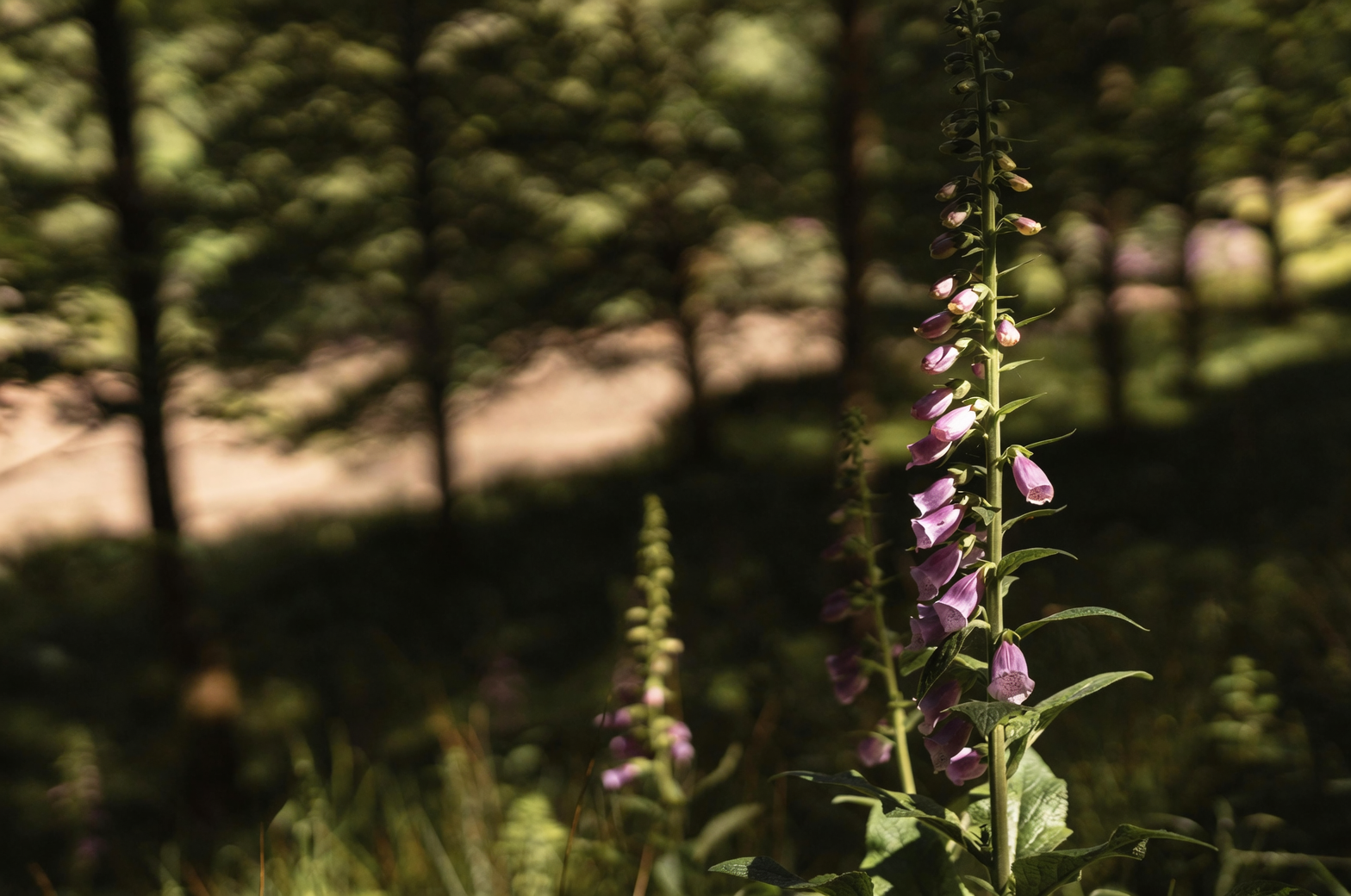
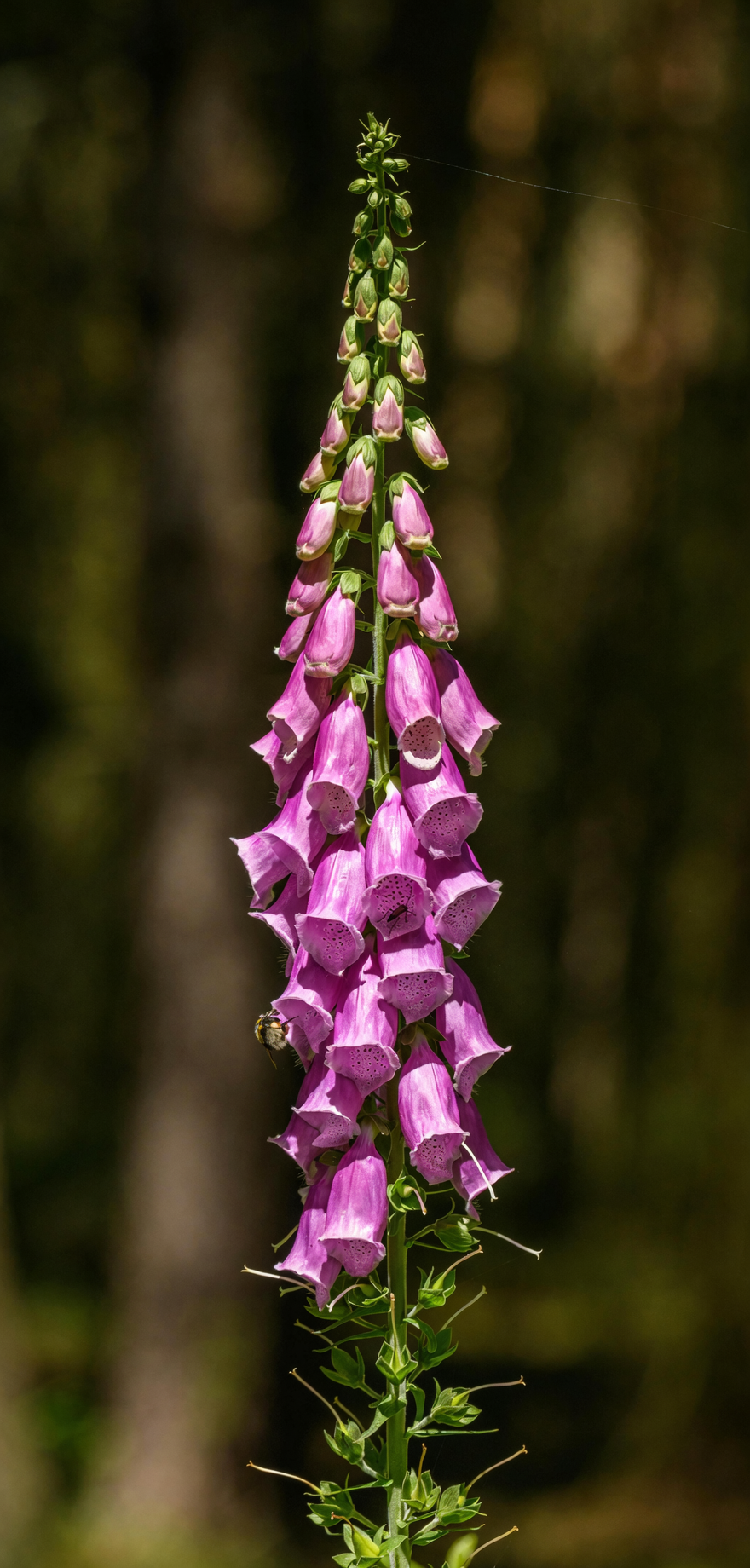
Imagine wandering through a sun-dappled woodland, where towering spires of purple, pink, and white flowers sway gently in the breeze. These are not the whimsical creations of a fairy tale, but the very real and captivating foxglove, known to botanists as Digitalis purpurea. This plant, with its enchanting beauty, has traveled from wild European fields to become a beloved, albeit mysterious, inhabitant of modern gardens worldwide. But beyond its charming exterior lies a tale woven with folklore, mystery, and a touch of danger.
A Plant of Many Names and Legends
The foxglove’s journey begins deep in the lore of Europe. Its names are as numerous as its legends—Dead Man’s Bells, Fairy Gloves, and Witch’s Thimbles, to name a few. Each moniker hints at the plant’s dual nature: its enchanting beauty paired with its potent toxicity. One popular legend tells of fairies who gifted the flowers to foxes to wear on their toes, allowing them to stealthily approach their prey, a tale that gives the foxglove its common name.
Moreover, the Latin name Digitalis, meaning ‘finger’, draws a clever analogy to the shape of its blooms, akin to thimbles or finger cots. In medieval times, these magical blooms were also the tools of wise women and herbalists, who used them carefully to treat various ailments—though at great risk, as the line between healing and harm was razor-thin.
From Folklore to Medicine
The foxglove’s transition from folklore to medicine is a dramatic story in its own right. In the 18th century, an English physician named William Withering discovered that extracts from the plant could treat dropsy, a condition we now know as congestive heart failure. This marked the beginning of foxglove’s role in modern medicine. The cardiac glycosides found in the plant, such as digoxin and digitoxin, became life-saving medicines, though they must be used with precision due to their high toxicity.
The Garden’s Dramatic Darling
Despite its dangerous reputation, the foxglove has found a cherished place in gardens around the world. Its towering flower spikes, which can reach up to six feet tall, bring a touch of drama and vertical interest to cottage gardens, woodland borders, and mixed flower beds. Gardeners appreciate its ability to self-seed, allowing it to return year after year, creating a naturalized, storybook look.
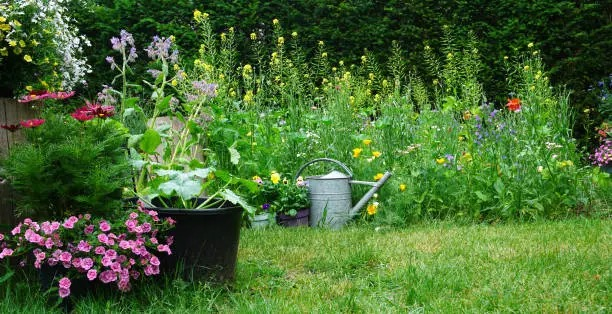
Foxgloves thrive in partial shade, preferring the dappled light of a woodland setting over the harsh rays of the midday sun. They add a whimsical element to garden paths and borders, attracting pollinators like bumblebees, which are guided by the intricate spotted patterns within the flowers—nature’s own nectar map.
Handling with Care
Yet, with beauty comes caution. Every part of the foxglove is highly toxic, and ingestion can cause serious harm to both humans and animals. Gardeners are advised to plant them out of reach of children and pets and to wear gloves when handling them. This blend of allure and danger is perhaps why the foxglove is often associated with secrecy, riddles, and a touch of mischief.
Modern Cultivation and Symbolism
Today, the foxglove is celebrated not only for its ornamental beauty but also for its symbolism and cultural significance. It embodies the duality of beauty and danger, secrecy and revelation—a plant that invites admiration from afar but demands respect up close.
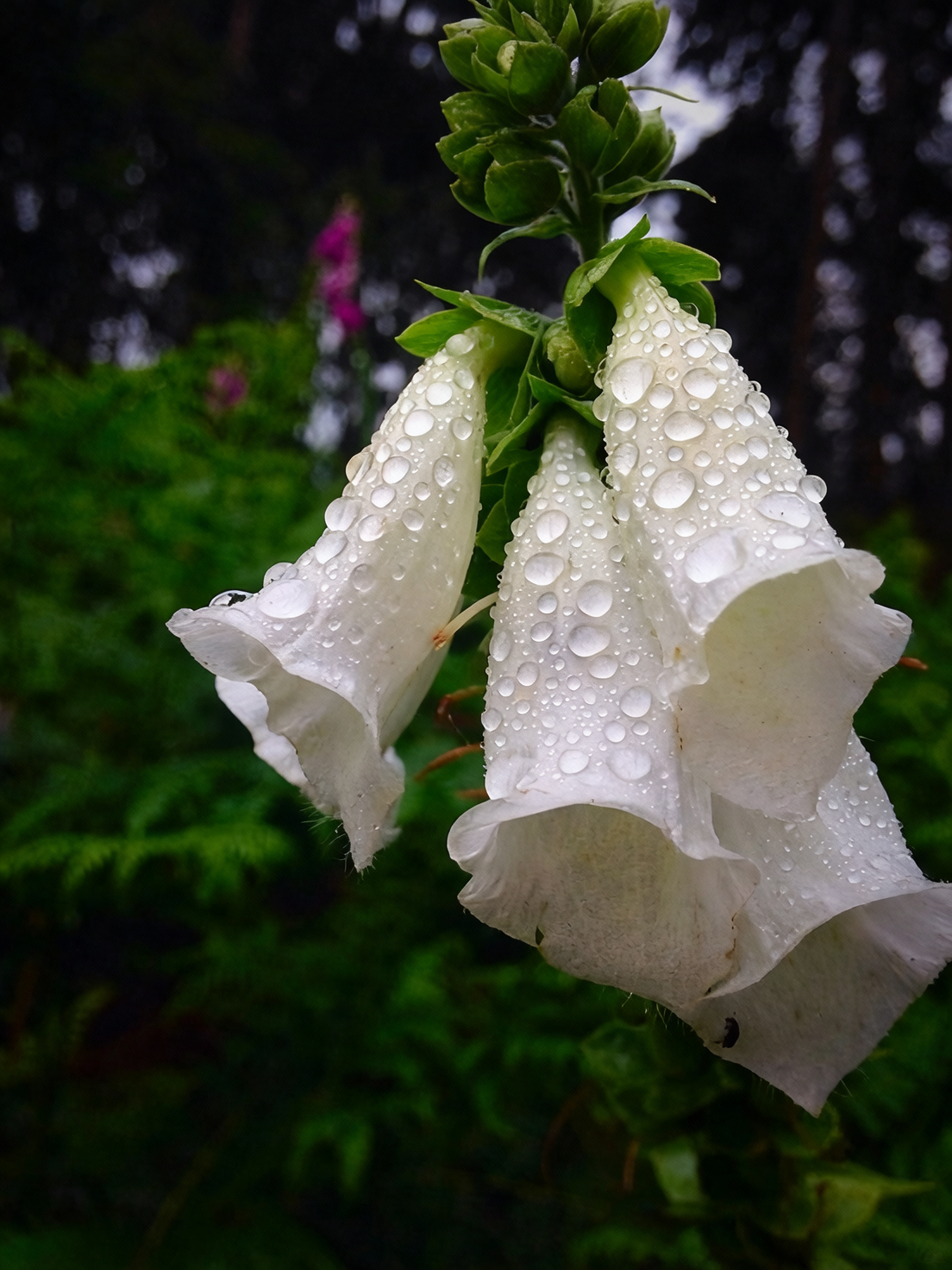
In cultivation, it comes in a myriad of colors thanks to modern hybrids like the ‘Dalmatian’ and ‘Camelot’ series, which can even bloom in their first year. These cultivars have been recognized by prestigious awards, such as the Royal Horticultural Society’s Award of Garden Merit, confirming their status as garden favorites.
Conclusion
The foxglove is more than just a pretty face in the garden. It is a living testament to the intersection of folklore, medicine, and horticulture—a plant that continues to captivate and caution, inspire and intrigue. As you admire its graceful flower spikes, remember the rich tapestry of stories and history that lie in its shadow, beckoning you to explore the enchanting world of the foxglove.