Unveiling the Enchanting History of Lily of the Valley
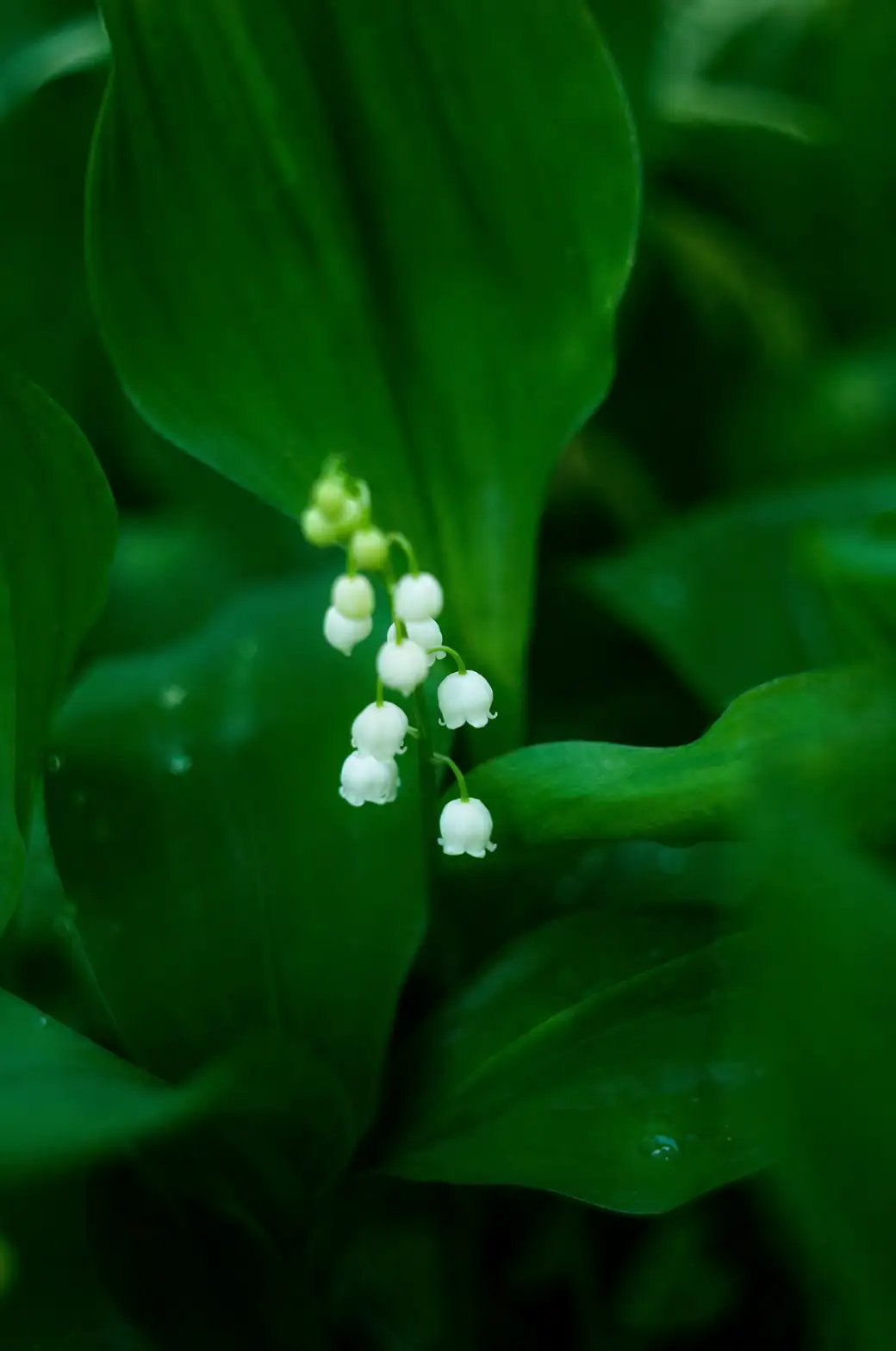
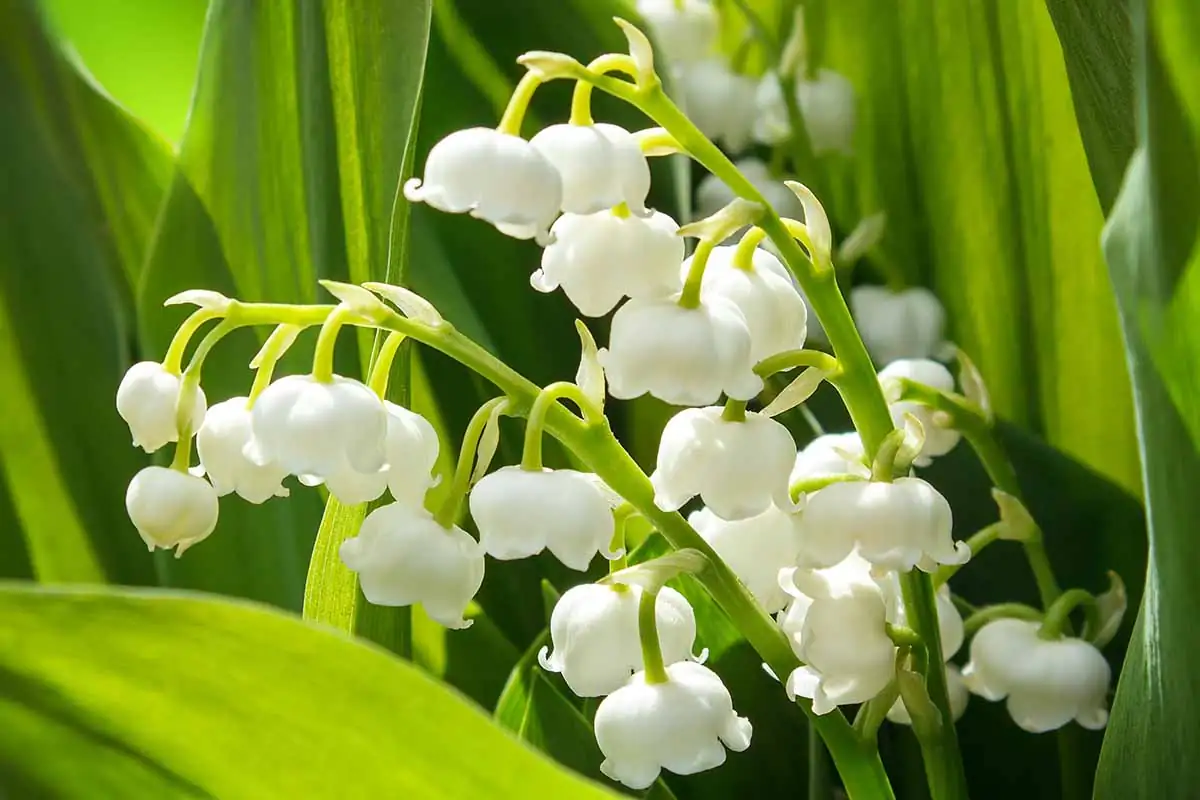
Imagine strolling through a tranquil woodland garden, the air filled with the delicate scent of sweetly perfumed blooms. Among the lush greenery, a cluster of nodding, bell-shaped flowers captures your attention. This charming plant, known as Lily of the Valley (Convallaria majalis), has captivated hearts for centuries with its dainty appearance and profound symbolism. But what is it about this plant that has made it a perennial favorite in gardens worldwide? Let’s dive into its rich history and explore its journey from the wild woodlands of Eurasia to its celebrated status in modern horticulture.
A Botanical Odyssey: Origins and Spread
Native to the cool temperate regions of Europe and parts of Asia, Lily of the Valley thrives in shaded, woodland environments. Its preference for these habitats makes it a natural fit for gardens that mimic forest floors, where it can form dense, verdant carpets under a canopy of broad-leaved trees. This shade-loving perennial has also made its way across the Atlantic, where it has been naturalized in parts of North America, further cementing its widespread appeal.
But how did this plant journey so far from its origins? The story of its spread is as enchanting as its fragrance. During the Middle Ages, it was first imported from Japan, where it was prized for its beauty and medicinal properties. Over time, it became a staple in European gardens, celebrated not only for its aesthetic appeal but also for its intriguing symbolism and folklore.
The Floral Muse: Myths, Legends, and Symbolism
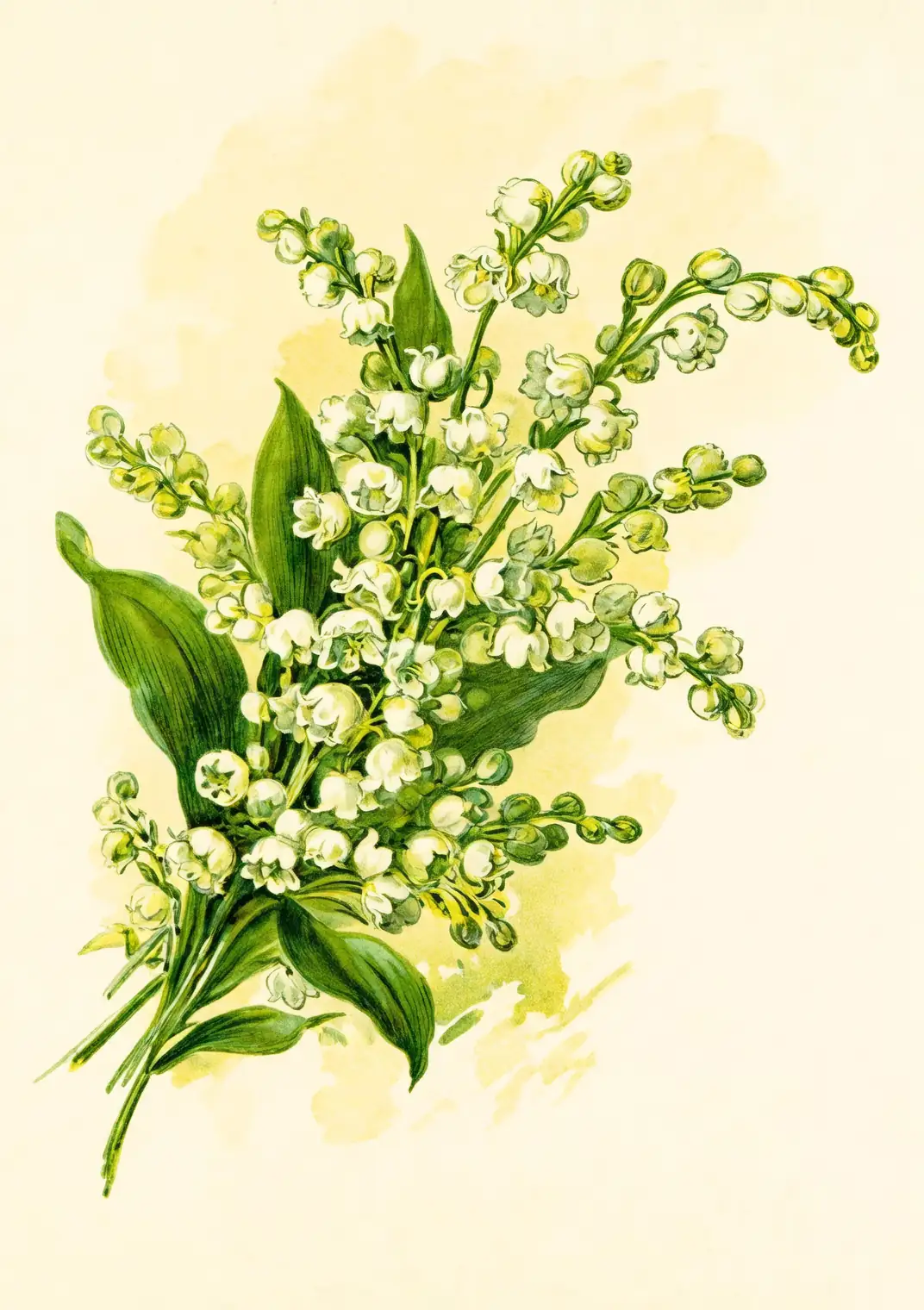
Lily of the Valley isn’t just a pretty face; it carries with it a bouquet of meanings and legends. In Greek mythology, the sun god Apollo is said to have grown these flowers to form a delicate carpet for his muses, embodying the traits of delicacy and kindness. Meanwhile, in Christian tradition, it is known as “Our Lady’s Tears,” representing the Virgin Mary’s sorrow for her son, Jesus. This association with tears and purity has made it a poignant symbol of humility and the return of happiness.
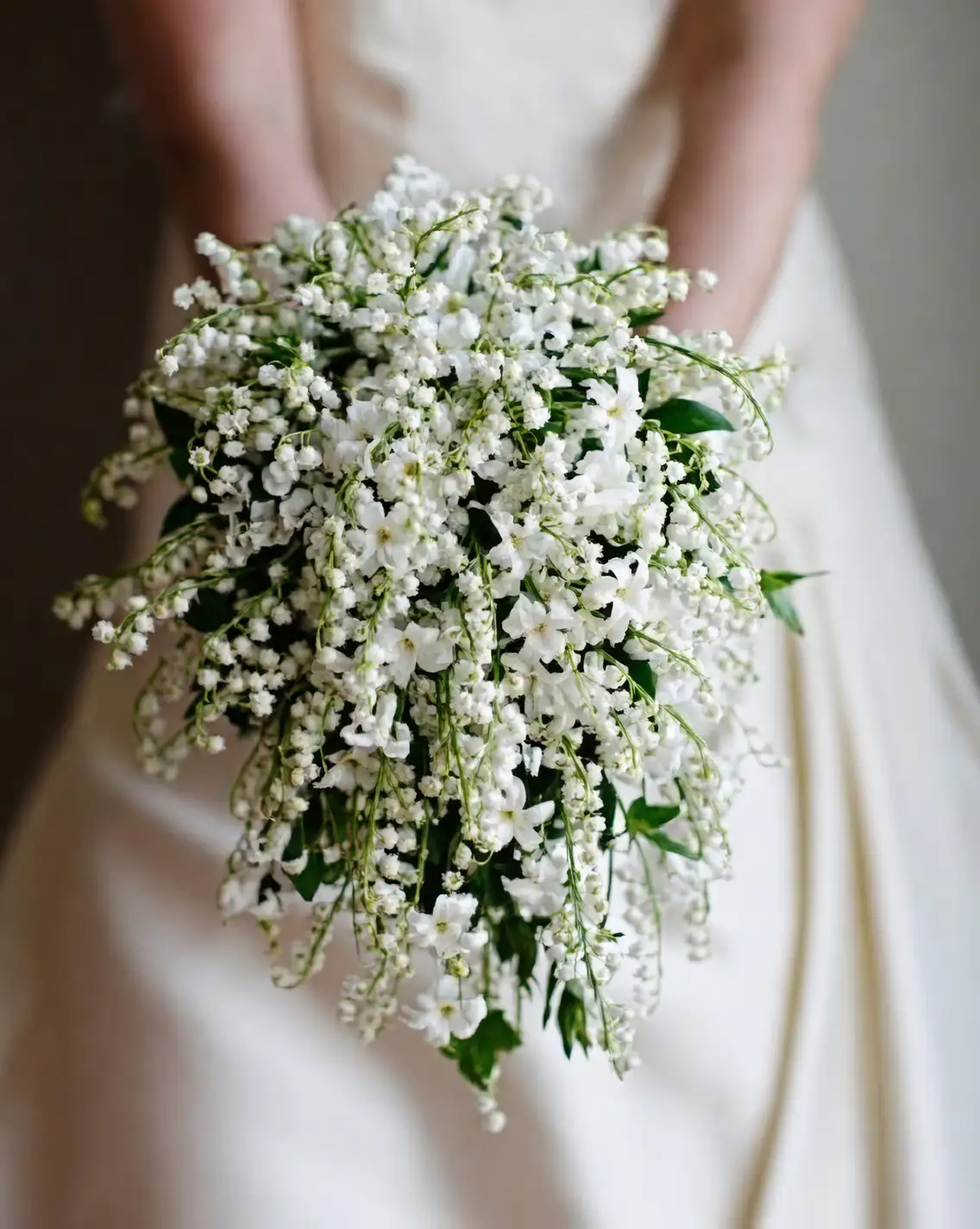
May 1st is an especially significant day for this charming plant. In France, it’s celebrated as Lily of the Valley Day (La Fête du Muguet), where giving a sprig of these flowers is a gesture of good luck and well-wishes for the spring season. This tradition highlights the plant’s status as a harbinger of renewal and joy, further enhanced by its use in royal wedding bouquets, symbolizing hope and new beginnings.
Beyond the Garden: Uses and Cautionary Tales
Aside from its ornamental beauty, Lily of the Valley has been a muse in perfumery. Its iconic scent, however, is often reproduced synthetically, as the flowers yield very little extract. Historically, it was also used in folk medicine, particularly for heart conditions, though this practice is now cautioned against due to the plant’s high toxicity.
Indeed, every part of Lily of the Valley is poisonous, containing cardiac glycosides that can cause serious health issues if ingested. This dual nature of beauty and peril adds a layer of complexity to its allure, reminding us to admire it with respect and caution.
Cultivating Charm: Growing and Caring for Lily of the Valley
For those enchanted by its beauty, cultivating Lily of the Valley requires a touch of patience and understanding of its needs:
- Light & Temperature: This plant thrives in partial to full shade, preferring cool conditions. It requires a chilling period in winter to ensure it blooms again in spring.
- Soil & Water: Plant it in humus-rich, well-drained soil. Keep the soil consistently moist during its active growth period, but avoid waterlogged conditions.
- Propagation: Propagation is best achieved through division of the rhizomes, allowing it to spread into charming woodland patches over time.
A Legacy in Bloom
Lily of the Valley is more than just a plant; it’s a storied legacy of beauty, mythology, and tradition. Whether admired in the wild or cultivated in gardens, its presence is a gentle reminder of the delicate balance between nature’s beauty and its hidden dangers. As you nurture this perennial charmer, you become part of its rich tapestry of history, celebrating its role as a symbol of purity, humility, and the joyful return of spring. So, the next time you catch a whiff of its sweet fragrance, remember the tales and traditions that have made Lily of the Valley a cherished botanical treasure.