Unraveling the Legacy of Yucca filamentosa: Nature’s Timeless Survivor
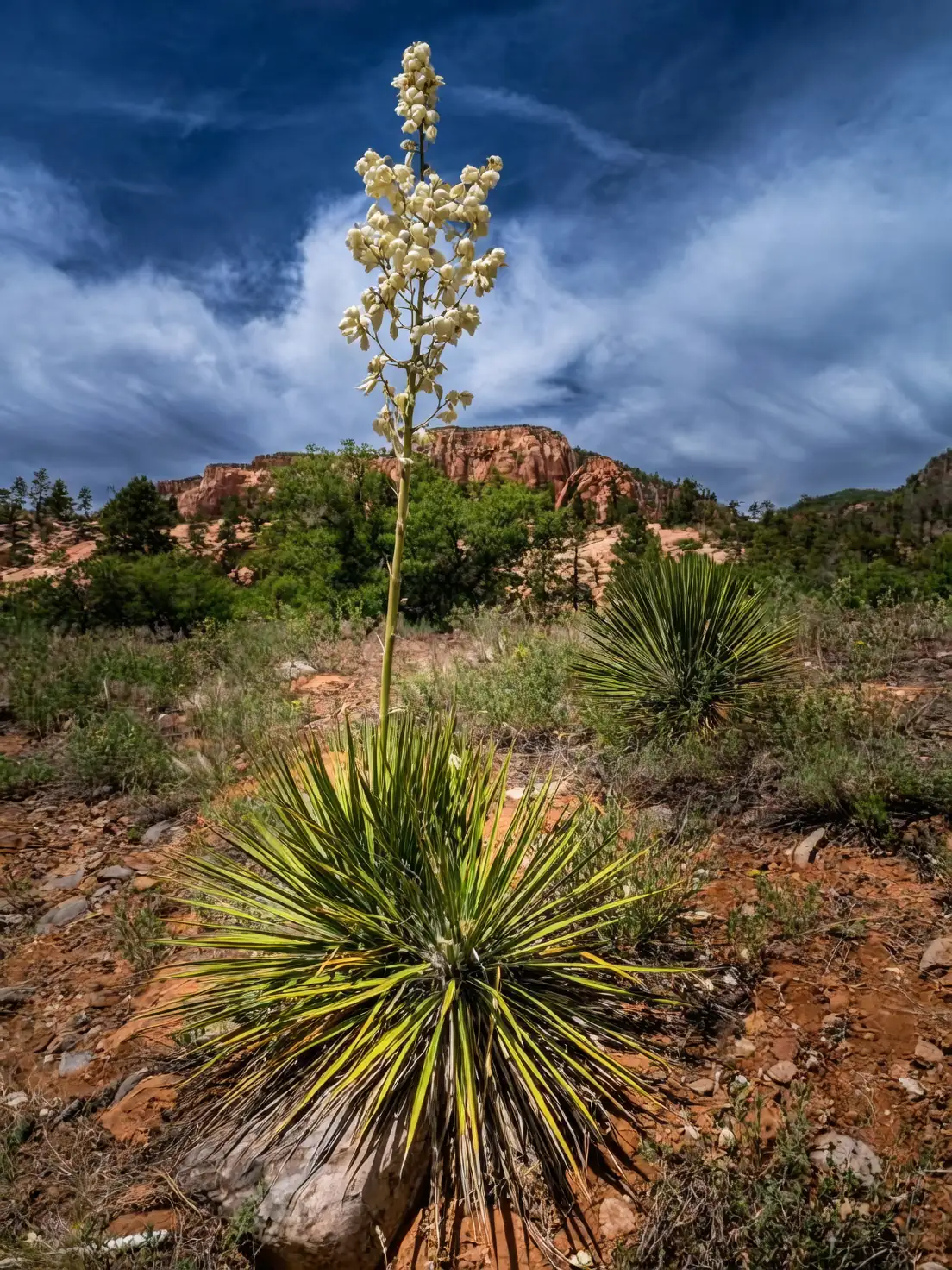
Imagine a plant that stands like a sentinel amidst harsh landscapes, its sword-like leaves crowned by stunning creamy-white blooms. Meet Yucca filamentosa, also fondly known as Adam’s Needle. This architectural wonder of the plant world has a fascinating history that stretches across continents and epochs, deeply rooted in both the earth and human culture.
Origins and Native Habitat
Yucca filamentosa finds its roots in the vibrant tapestry of North America, thriving from the sunny climes of Panama to the more temperate regions of southern Canada. With its penchant for basking in full sun and its ability to withstand drought, Adam’s Needle has become a symbol of resilience and endurance—a fitting tribute to its hardy nature.
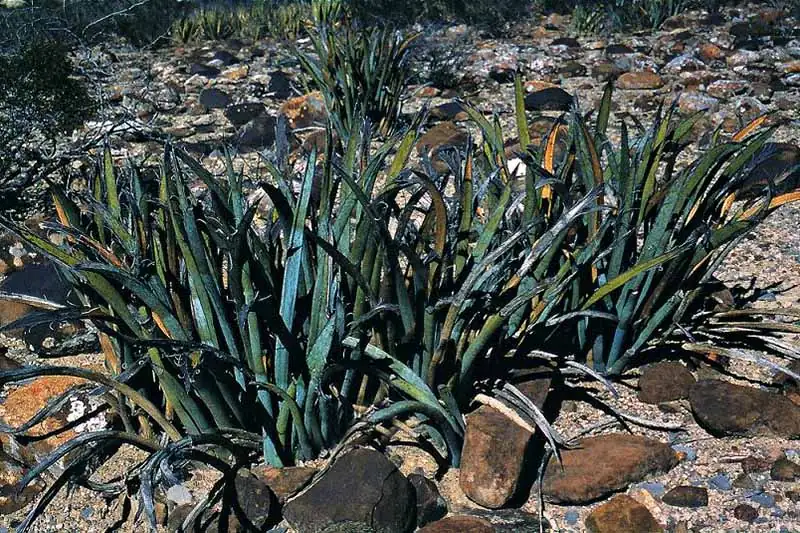
In its native southeastern United States, you might spot this yucca gracing sandy soils, beach scrubs, and even rocky slopes. Its adaptability allows it to flourish in various environments, from coastal dunes to inland fields. This plant’s ability to spread and form dense thickets of sword-like foliage is not just a survival tactic; it’s a testament to its tenacity.
A Plant of Cultural Significance
For centuries, Yucca filamentosa has been more than just a plant; it’s been a trusted ally to Indigenous peoples across the Americas. The Catawba, Cherokee, and Nanticoke tribes, among others, have harnessed its utility in numerous ways. From crafting strong fibers for cordage and weaving to concocting natural soaps from its saponin-rich roots, Adam’s Needle has served as a versatile resource.
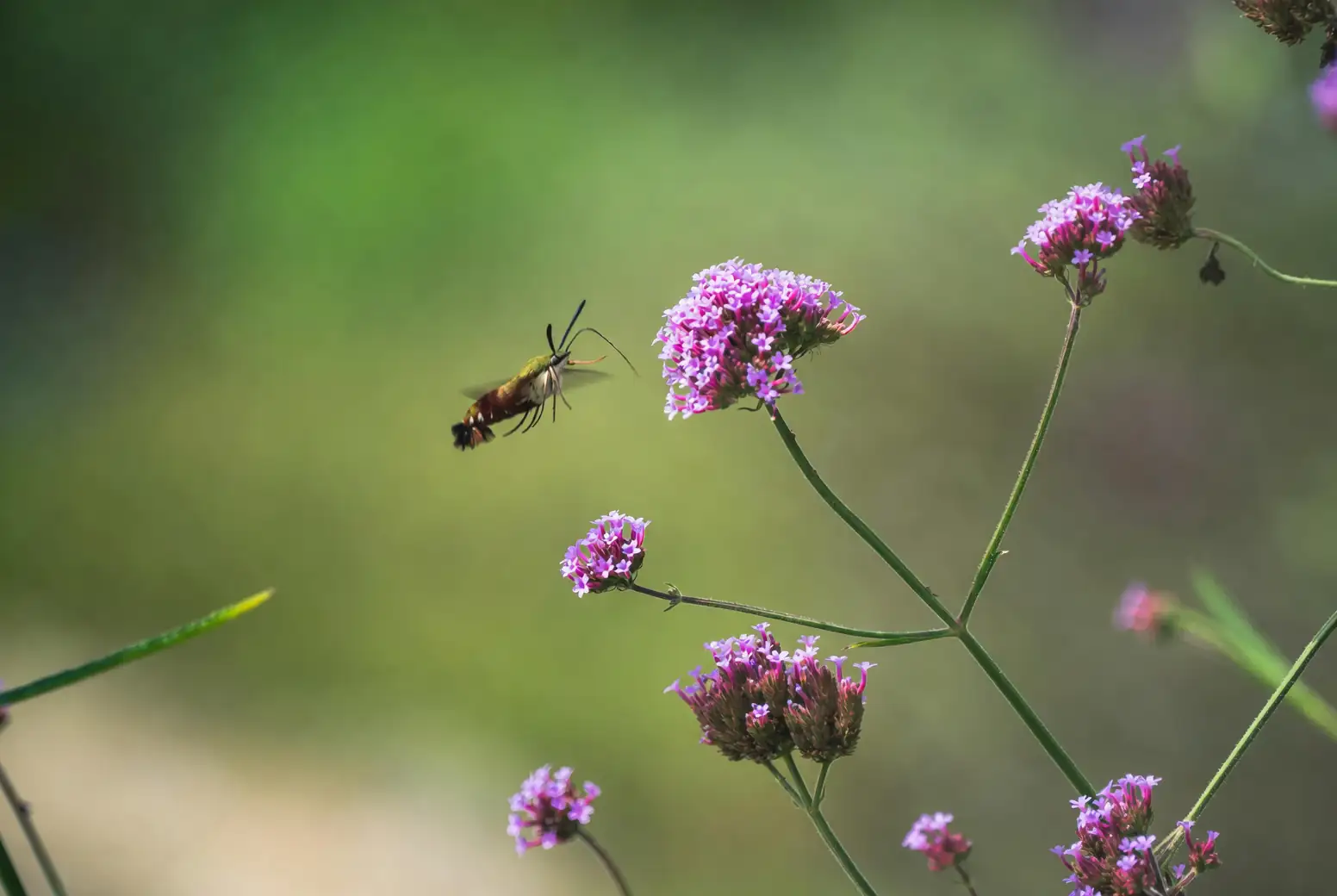
But perhaps the most intriguing aspect of this plant is its symbiotic relationship with the yucca moth. The moth, in a dance as old as time, pollinates the yucca flowers while laying its eggs. The larvae feed on some of the seeds, but enough remain to ensure the plant’s reproduction—a perfect example of nature’s balance.
The Allure of Adam’s Needle
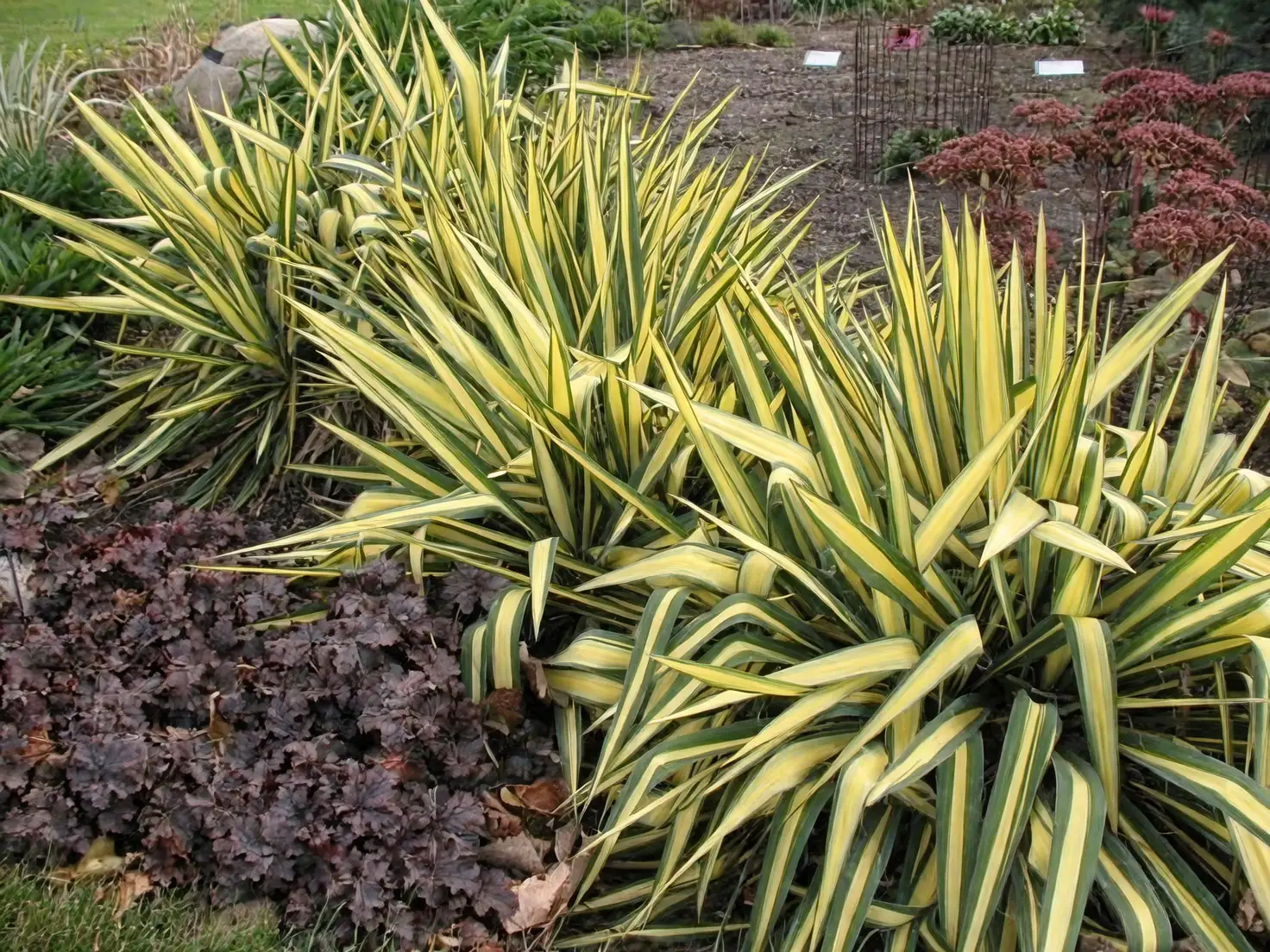
With its dramatic flower spikes and evergreen foliage, Adam’s Needle is a favorite in gardens designed to evoke a desert oasis vibe. It’s not just its beauty that captivates gardeners; its low-maintenance nature makes it a dream for those looking to add a touch of the exotic to their landscape. Whether as a statement piece in a sunny border or a resilient addition to a rock garden, this yucca knows how to make an impact.
Symbolism and Modern Relevance
Yucca filamentosa embodies qualities of protection and fresh starts, often seen as a guardian in the plant kingdom. Like a steadfast friend, it thrives where others may falter, offering a lesson in perseverance. Today, as we face environmental challenges, Adam’s Needle serves as a reminder of nature’s resilience and the intricate relationships that sustain our ecosystems.
Care and Cultivation
- Sunlight: Full sun is ideal for robust growth and flowering.
- Soil: Prefers well-draining, sandy loam. Avoid waterlogged conditions.
- Watering: Water deeply but infrequently, allowing the soil to dry between sessions.
- Temperature: Tolerates a wide range, from USDA Zone 4 to 11, though it thrives in warmer climates.
- Pests/Diseases: Generally trouble-free but watch for scale insects and mealybugs.
Fun Facts and Final Thoughts
Did you know that the white filaments along the leaf edges are not just decorative but a signature characteristic of this species? Or that its roots, rich in saponins, can lather like soap? These features have not only contributed to its practical uses but also to its enduring allure.
In a world that often feels transient, Yucca filamentosa stands as a model of endurance and adaptability. Whether you’re a seasoned gardener or a curious enthusiast, there’s something deeply satisfying about cultivating a plant with such a rich historical tapestry. As you plant Adam’s Needle in your garden, you’re not just growing a plant; you’re cultivating a piece of living history, a testament to nature’s indomitable spirit.