A Journey Through Time with Holly: From Ancient Legends to Modern Gardens
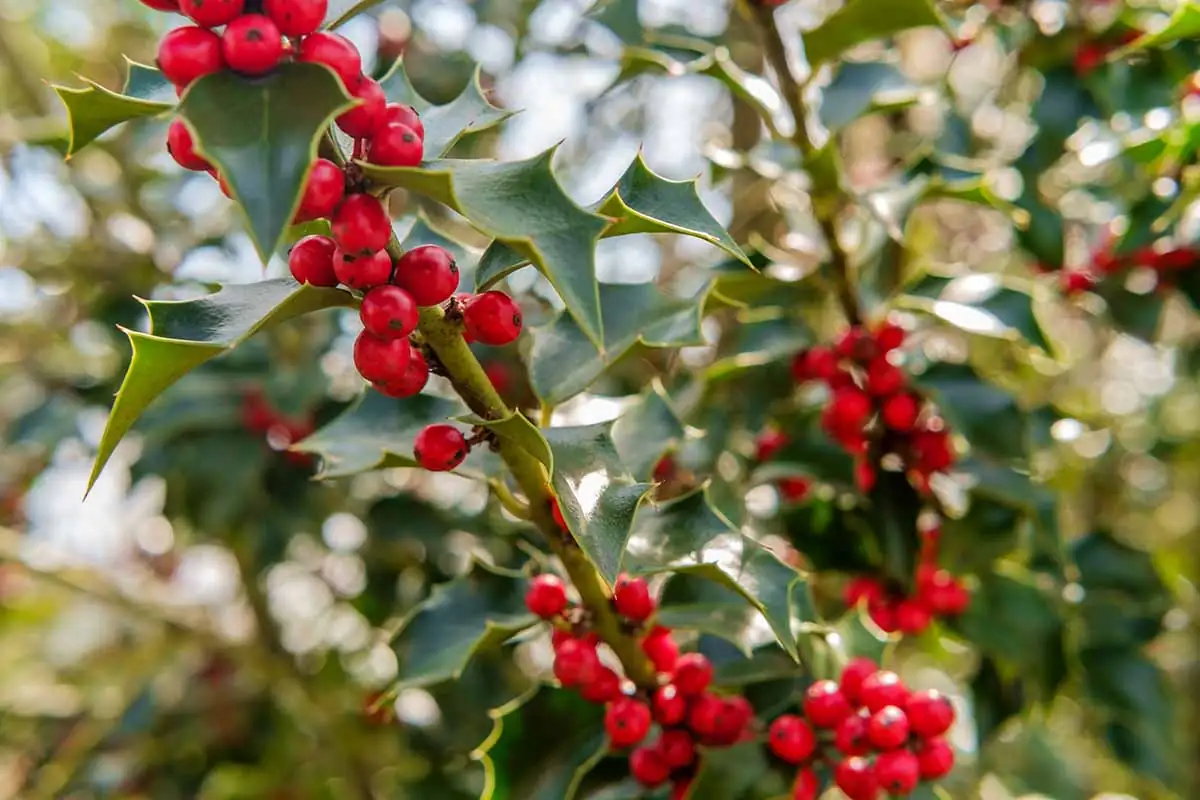
If you’ve ever strolled through a wintry garden or decorated your home for the holidays, you’ve likely encountered the vibrant and iconic holly. This plant, with its glossy, spiny leaves and bright red berries, has not only captured the imaginations of gardeners but also features prominently in folklore and tradition. Let’s embark on a fascinating journey through time to explore the rich history and cultural significance of Ilex spp., commonly known as holly.
The Ancient Significance of Holly
Holly’s allure dates back centuries, rooted deeply in ancient cultures. The Romans, for instance, adorned their homes with holly during Saturnalia, a festival marking the winter solstice. This festival was a time of merriment and hope, when holly’s evergreen leaves were seen as a symbol of life enduring through the darkest days.
In the British Isles, holly was often associated with male deities and the protective forces of nature. It was customary to weave holly into wreaths or garlands, believing that its spiny leaves could ward off evil spirits and misfortune, much like a botanical talisman.

From Paganism to Christianity: A Symbolic Transformation
As Christianity spread across Europe, many pagan traditions were reinterpreted through a Christian lens. Holly, with its enduring leaves and vibrant berries, was seamlessly woven into religious symbolism. The spiny leaves were likened to the crown of thorns worn by Jesus, while the red berries represented his blood. This transformation helped holly maintain its place in winter festivities as they evolved into Christmas celebrations, a tradition that continues to this day.
Holly in Its Natural Habitats
Botanically speaking, holly belongs to the Aquifoliaceae family and includes over 570 species. These species thrive in a variety of climates, from the temperate zones of Europe to the subtropical regions of the Americas. European holly (Ilex aquifolium), for instance, is native to Western Europe, while American holly (Ilex opaca) hails from the eastern United States.
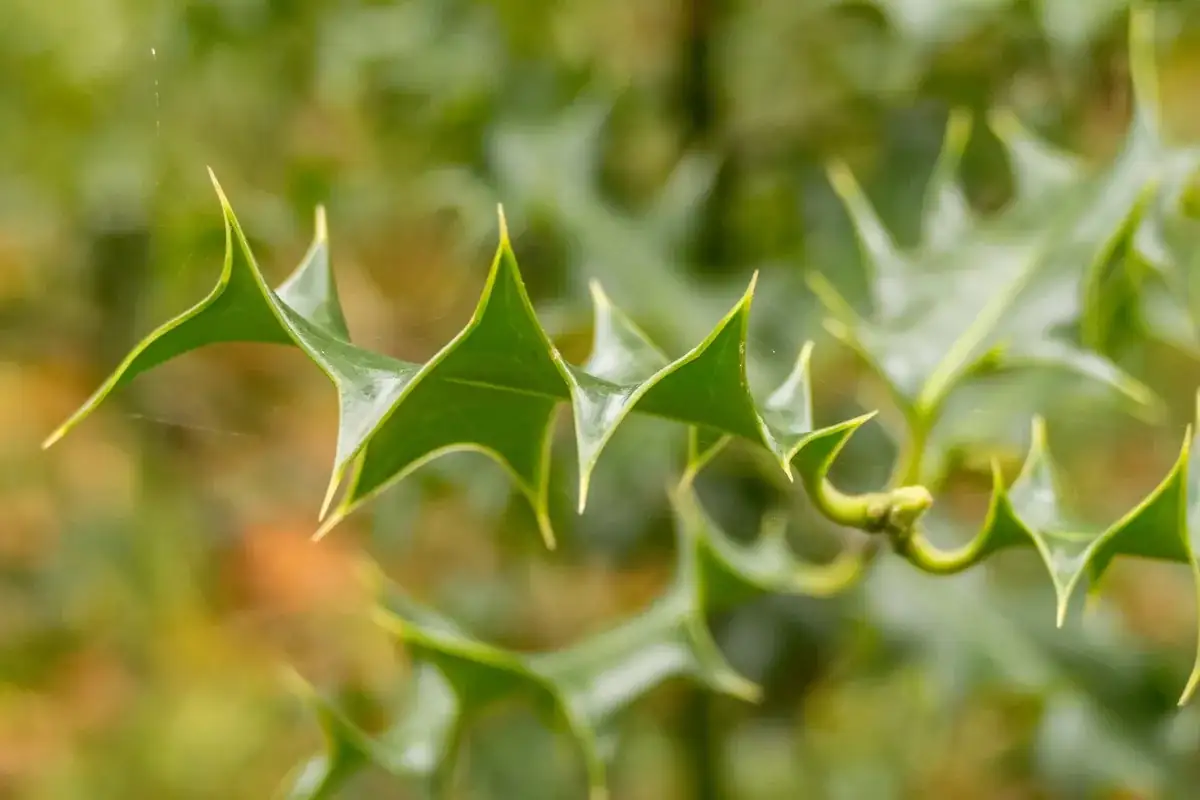
These varied habitats have influenced holly’s evolution. In regions where browsing animals are prevalent, you’ll find hollies with especially spiny leaves on lower branches, a clever adaptation to deter hungry deer. Meanwhile, in more sheltered areas, the upper leaves tend to be smoother.
A Garden Favorite: Ornamental and Practical
Holly’s adaptability and visual appeal have made it a beloved choice among gardeners. Whether used as a hedge, privacy screen, or a single specimen, holly’s dense growth habit and tolerance for pruning make it highly versatile. The bright berries not only add a splash of color to winter landscapes but also serve as a crucial food source for birds during the colder months.

Caring for Your Holly
Growing holly can be a rewarding experience, and with the right care, these plants can thrive for decades. Here are some tips for keeping your holly healthy and vibrant:
- Sunlight and Soil: Holly prefers full sun to partial shade and thrives in rich, well-draining, slightly acidic soils.
- Watering and Feeding: Regular watering during the first year helps establish roots. Feed with a slow-release fertilizer suited to acid-loving plants in early spring and fall.
- Pruning: Light pruning maintains shape and health. Avoid heavy pruning late in the season as it may encourage tender growth vulnerable to winter damage.
A Word of Caution: Toxicity and Safety
While holly berries are a feast for birds, they are mildly to moderately toxic to humans and pets. Ingestion can cause nausea, vomiting, and diarrhea, so it’s wise to keep them out of reach of small children and curious pets.
Holly in Modern Culture
Today, holly continues to be a symbol of endurance and hope, gracing holiday decorations and gardens worldwide. Its history, steeped in both pagan and Christian traditions, enhances its allure, reminding us of its ancient role in human culture. From its protective qualities in ancient lore to its festive associations today, holly remains a plant of rich significance and timeless beauty.
As you admire the holly’s bright berries and resilient leaves in your garden or home this winter, you are participating in a tradition that spans millennia, connecting you with the hopes and celebrations of countless generations.