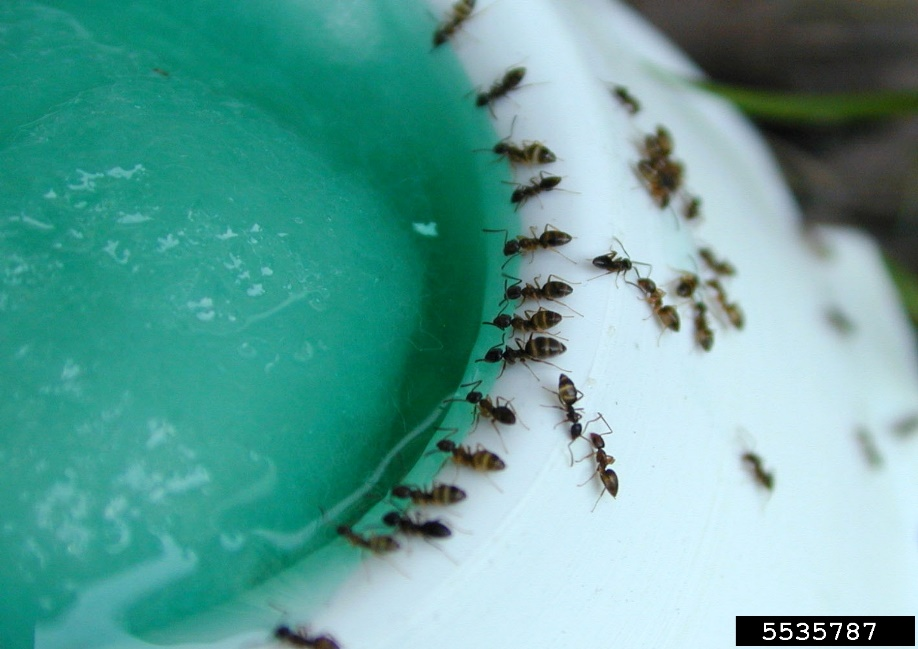
Picture this: You’ve just settled down with your morning coffee, and you spot an unwelcome guest scuttling across your kitchen counter. Whether it’s a single ant on a mission or a full-blown invasion, pest control is a challenge many homeowners face. But before reaching for that can of bug spray, it’s essential to understand the range of pest control strategies available, from gentle to heavy-duty.
Understanding Your Pest Control Options
When it comes to pest control, a one-size-fits-all approach doesn’t quite cut it. The severity and type of pest problem dictate the strategy you should adopt. Let’s break it down into two main approaches: light and severe pest control strategies.
Light Pest Control Strategies
For the occasional intruder or minor infestations, light pest control methods are typically sufficient. These strategies focus on prevention and minimal intervention.
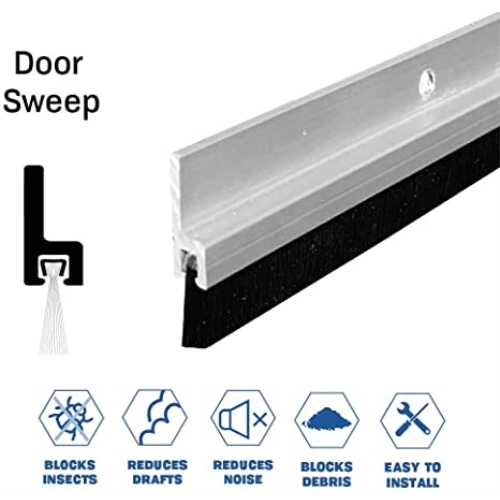
- Physical Barriers and Exclusion: Think of this as fortifying your home against unwanted invaders. By installing door sweeps, sealing cracks, and ensuring window screens are intact, you can prevent pests from entering your space. This method is eco-friendly and works wonders for keeping out flies, wasps, and even rodents. However, regular maintenance is crucial to ensure these barriers remain effective.
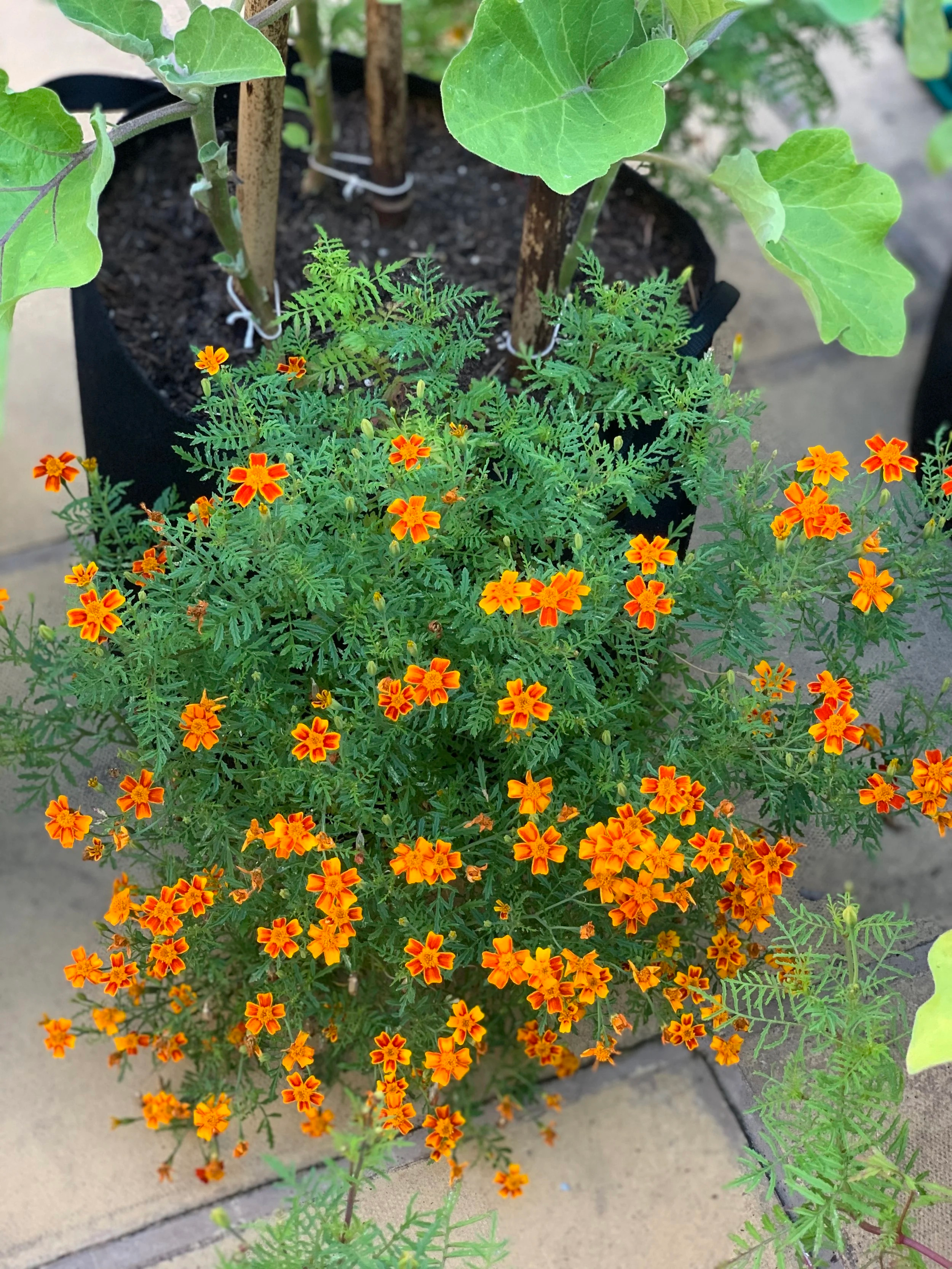
- Biological Controls: This involves using nature against nature. Introducing beneficial insects like ladybugs or planting pest-repelling plants like marigolds can keep your garden safe without chemicals. It’s a sustainable way to manage pests in your backyard.
- Traps and Capture Devices: For those pesky rodents or crawling insects, traps like glue boards and bait stations offer a targeted solution. Place them along known pest pathways for maximum effectiveness. Just remember to check and reset them regularly to maintain their efficacy.
Severe Pest Control Strategies
When pests seem to have taken over, a more aggressive approach might be necessary. Severe strategies often involve chemical treatments and are best used for substantial infestations or when quick action is required.
- Chemical Treatments: These are often the go-to for tackling large infestations of cockroaches, fleas, or ants. While effective, it’s important to use chemicals responsibly to minimize risks to humans, pets, and the environment. Also, be cautious about potential pest resistance and ensure the root cause of the infestation is addressed to prevent recurrence.
- Integrated Pest Management (IPM): This is a comprehensive approach that combines multiple methods—physical, biological, and chemical—to manage pests effectively. IPM focuses on understanding the pest’s life cycle and environment, allowing for a tailored and often more sustainable solution.
Making the Right Choice
Choosing between light and severe pest control strategies depends largely on the severity of the problem and your personal preferences. For minor issues, sticking to light methods can often keep your home pest-free without the need for harsh chemicals. For severe cases, don’t hesitate to call in professionals who can provide expert advice and services tailored to your situation.
Common Mistakes to Avoid
- Ignoring the Problem: Even a small pest problem can escalate quickly. Don’t wait until it’s too late to take action.
- Overuse of Chemicals: More isn’t always better. Over-relying on chemical treatments can pose health risks and lead to resistant pest populations.
- Neglecting Prevention: Once you’ve dealt with a pest issue, don’t forget about prevention. Maintain barriers and traps, and keep an eye out for new signs of pests.
In the end, effective pest control is about balance. By understanding your options and the nature of your pest problem, you can choose the strategy that fits best, keeping your home comfortable and pest-free. So, next time you spot an intruder, you’ll know just what to do!