If you’ve heard you need a tiny wasp to get figs, yet your neighbor’s tree is dripping with fruit anyway, you’ve run into the great fig confusion. The truth: most backyard figs fruit perfectly without any pollinator. The exceptions—Smyrna and San Pedro types—are fascinating, but they’re not what most home gardeners plant. Let’s cut through the jargon and get you from myth to harvest.
Meet Ficus carica: the inside‑out flower you can grow
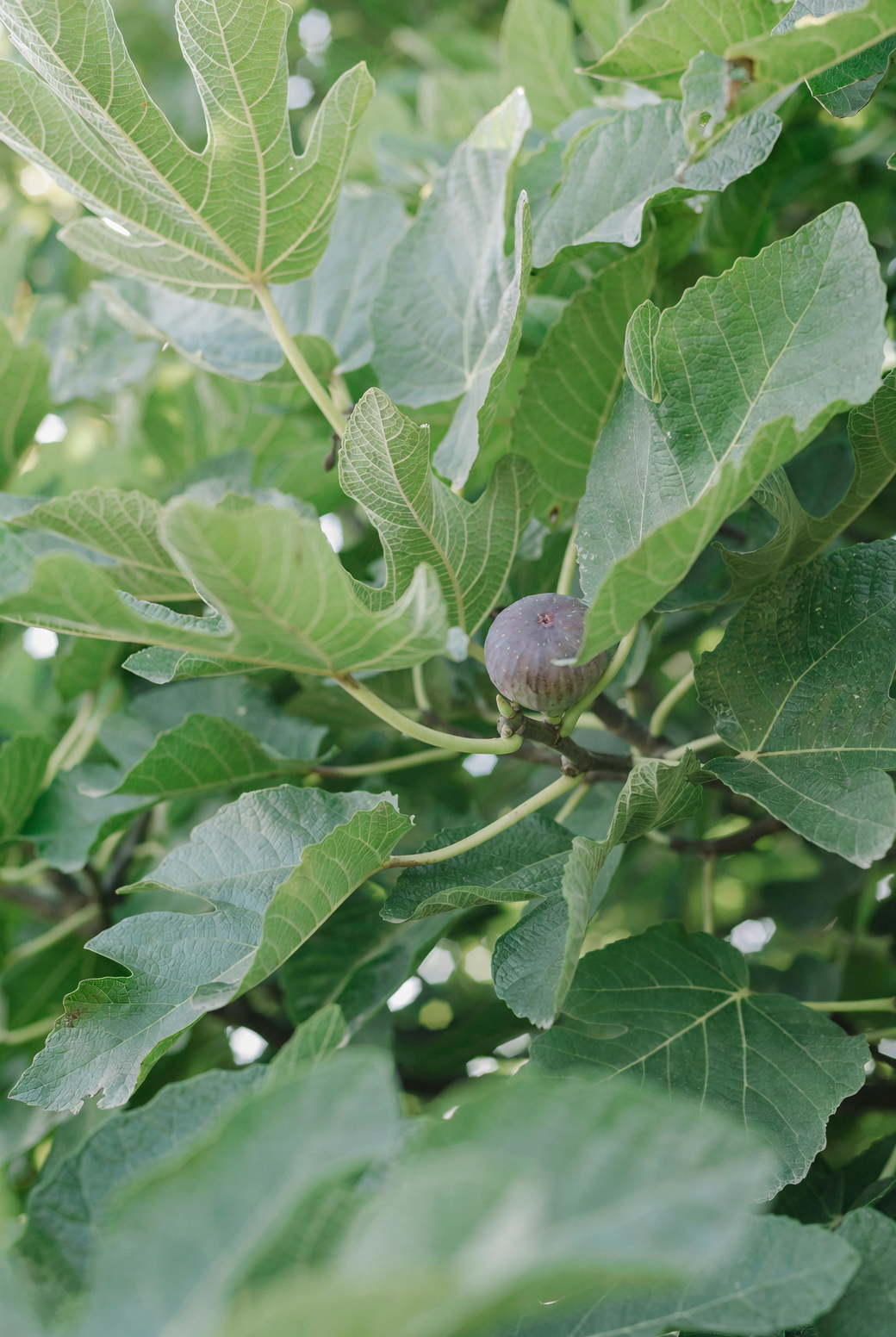
The common fig (Ficus carica) is a deciduous member of the mulberry family (Moraceae), native to the Mediterranean and parts of western and southern Asia. Unlike tropical Ficus houseplants, it drops its leaves in winter and surges back in warm weather. Its “flowers” are famously hidden: what we call a fig is a syconium—a hollow, fleshy stem lined with hundreds of tiny blooms that later ripen into the sweet, seedy fruit.
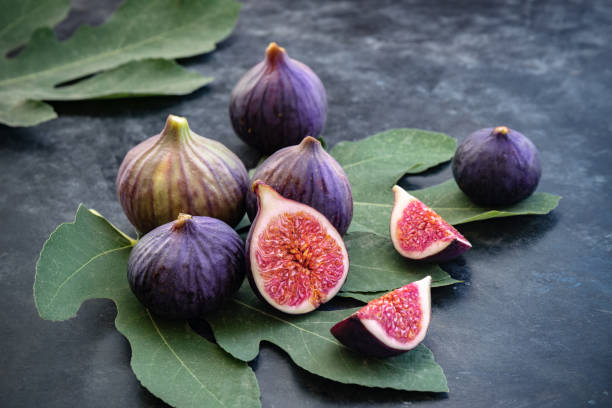
- Size: Typically 10–30 ft tall and wide (often broader than tall), easily kept smaller with pruning or containers.
- Look: Big, bold, lobed leaves; a sculptural, spreading canopy.
- Cropping: Many cultivars can give two harvests—an early “breba” crop on last year’s wood, and a main crop on new growth from late summer into fall.
The four fig categories—clearly explained
All the confusion comes from how different fig categories handle pollination. Here’s the clean breakdown.
Common figs (the backyard stars)
- What they do: Produce edible fruit without pollination (parthenocarpy). No wasp required.
- What that means for you: One tree, no pollinator partner, no caprification needed.
- Typical examples for home gardens: ‘Brown Turkey’, ‘Celeste’, ‘Chicago Hardy’, ‘Black Mission’, ‘Kadota’.
- Where they shine: Virtually everywhere figs are grown by home gardeners—especially where the special fig wasp doesn’t exist.
Smyrna figs (pollination required)
- What they do: Need pollen delivered from caprifigs (see below) by a specialized fig wasp to develop edible fruit.
- What happens without pollination: Tiny figs form, then drop before ripening.
- Classic example: ‘Calimyrna’ (a famed dried fig in California’s wasp‑friendly regions).
San Pedro figs (half-and-half)
- What they do:
- Breba crop on old wood: does not need pollination.
- Main crop on new wood: does need pollination.
- What happens without pollination: You may enjoy the early brebas, but the main crop often drops.
Caprifigs (the pollen banks)
- What they are: Inedible “male” figs that host the fig wasp and provide pollen.
- Role: Essential for pollinating Smyrna types and the main crop of San Pedro types.
- Not for eating: Pulp is not palatable; they exist to complete the wasp‑fig cycle.
What is caprification—and should you care?
Caprification is the age‑old practice of using caprifigs (which harbor the tiny pollinator wasp, commonly Blastophaga psenes) to transfer pollen to edible figs that require it. In regions where the wasp naturally occurs—classic Mediterranean climates and parts of California’s Central Valley—growers may hang caprifig branches among Smyrna or San Pedro trees so the emerging wasps dust the edible figs with pollen.
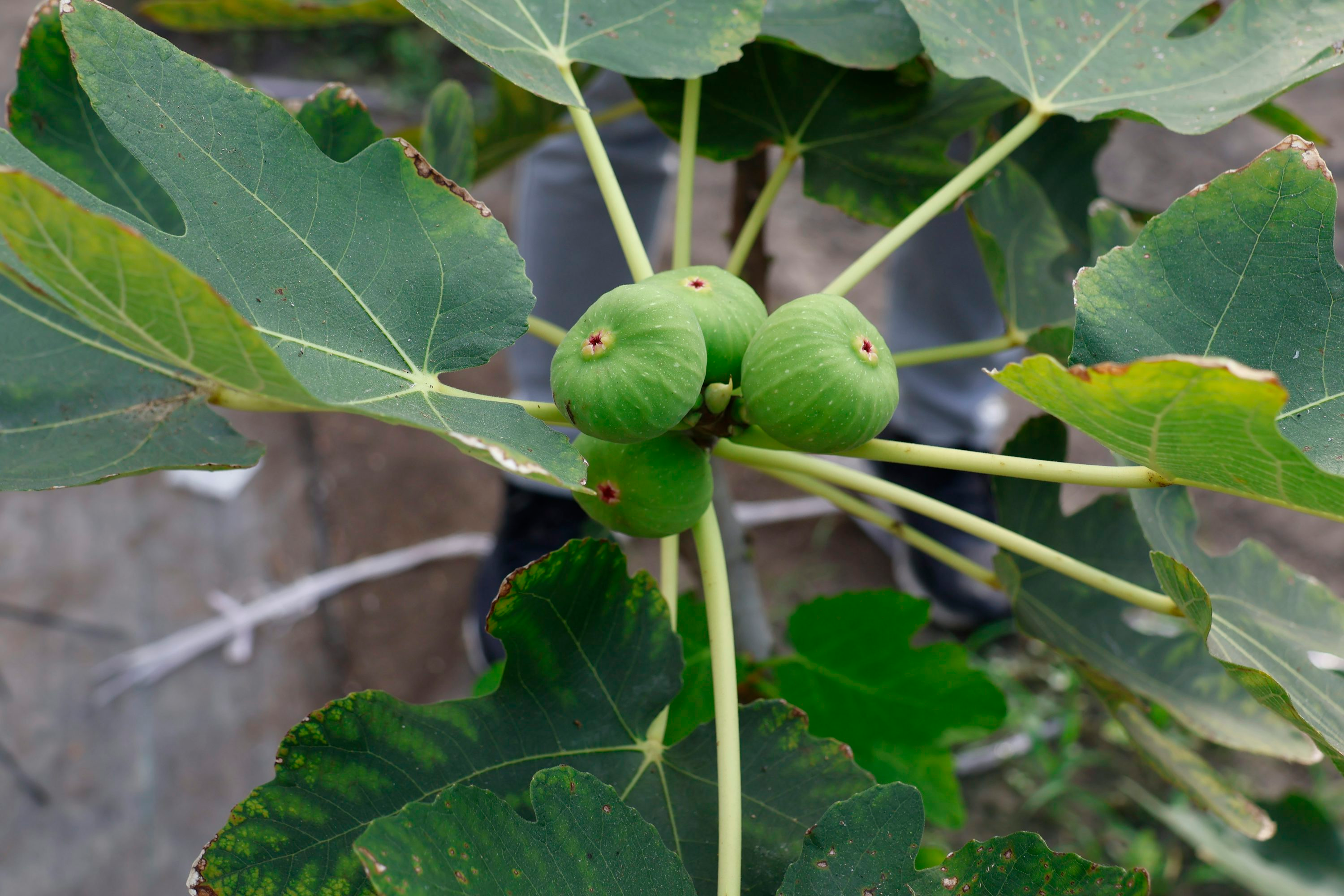
- Backyard reality: If you’re growing a common fig, caprification is irrelevant. Your fruit sets without it.
- Regional note: In many places (for example, much of the southeastern U.S., including Florida), the specific fig wasp isn’t established, so Smyrna and San Pedro types won’t reliably produce main‑crop figs. That’s why common figs are recommended for home gardens there.
Why most backyard figs fruit without wasps
Common figs are parthenocarpic: their syconia swell and ripen into sweet fruit with no pollination at all. Those tiny “seeds” that give figs their crunch? They’re the matured tiny fruits inside the fig; in common figs they develop without fertilization, so there’s no need for a wasp to visit.
- Bottom line: Plant a common fig and you’ll harvest—with one tree, no pollinator, and no special tricks.
Breba vs. main crop (and why it matters)
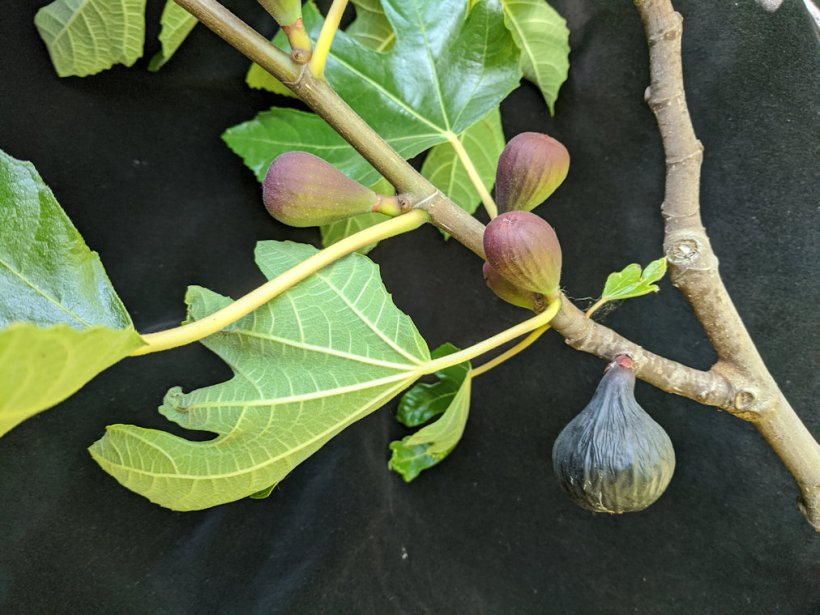
- Breba crop: Forms on last year’s wood and ripens in early summer. Some cultivars have modest breba yields; in cool-summer regions, brebas may be your main treat.
- Main crop: Forms on new shoots and ripens late summer to fall. Usually larger and better quality in warm climates.
- San Pedro twist: Breba is fine without pollination; the main crop needs the wasp.
How to tell which type you have
- Check the tag or source: Most nursery figs sold to home gardeners are common figs. Popular names like ‘Brown Turkey’, ‘Celeste’, ‘Chicago Hardy’, ‘Black Mission’, and ‘Kadota’ are common types.
- Observe fruit behavior:
- Fruitlets appear and then drop en masse every year before softening? That’s a red flag for Smyrna (or San Pedro main crop) where no wasp is present.
- Reliable crops with a single tree, even far from Mediterranean climates? That’s a common fig.
- Ask other local growers: If everyone around you grows figs without mentioning wasps, they’re growing common types.
Growing Ficus carica with confidence
Figs are famously forgiving—great for beginners and patios.
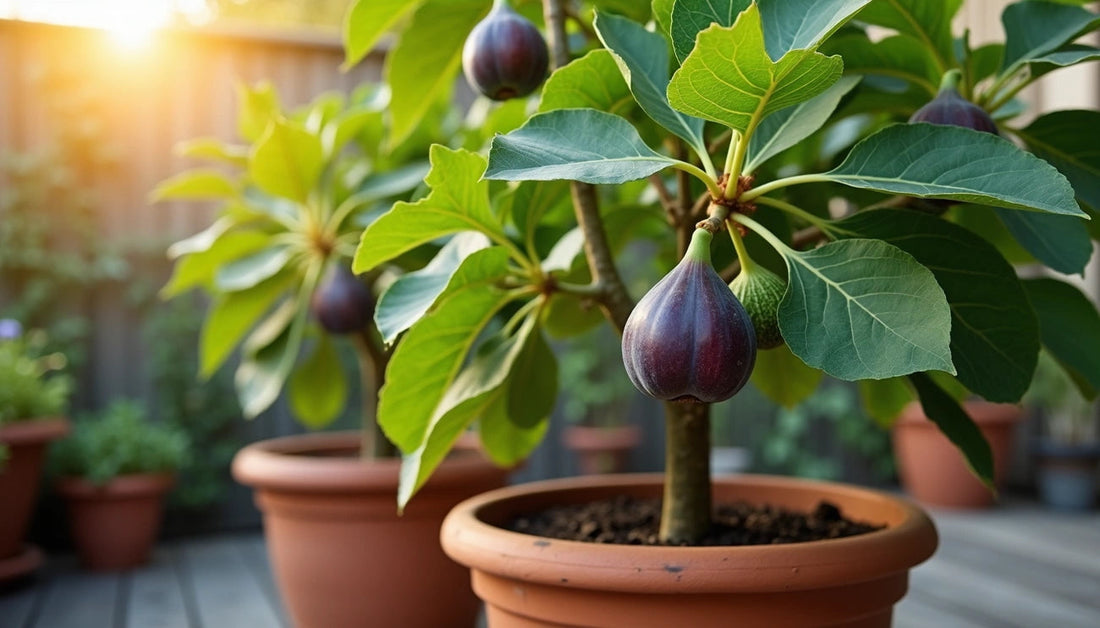
- Sun: Full sun (6–8+ hours) for best crops.
- Soil: Well‑drained loam, clay, or sand; pH about 6.0–7.5. Avoid soggy spots.
- Water: Keep evenly moist while establishing. Once established, they’re drought‑tolerant. Deep water every 10–14 days in dry spells; containers need more frequent checks (water when the top 2–3 inches are dry).
- Feeding: Light, balanced fertilizer in early spring (e.g., 8‑8‑8 or 10‑10‑10). Don’t overdo nitrogen or you’ll grow leaves instead of figs.
- Pruning: Late winter while dormant. Open the canopy, remove dead/crossing wood, choose single‑ or multi‑stem form. Wear gloves—the milky sap can irritate skin.
- Cold: Generally hardy in USDA 7–10; cold‑tough selections like ‘Chicago Hardy’ can manage colder spots with protection or dieback‑and‑regrow behavior.
- Containers: Choose compact cultivars, use a large pot with excellent drainage, and repot or root‑prune as needed.
Troubleshooting “no figs” (it’s usually not wasps)
- Youth: Many figs fruit in 1–2 years, but a young plant may need another season.
- Shade: Less than six hours of direct sun = weak crops.
- Overfeeding: Too much nitrogen = leafy, low‑fruit growth.
- Water swings: Drought followed by deluge can cause drop or splitting.
- Pruning timing: Hard summer pruning can remove forming main‑crop figs.
- Cold dieback: If winter kills last year’s wood, you may lose the breba crop; main crop will depend on your growing season length.
Quick myth-busting
- “Am I eating a wasp when I eat a fig?”
- With common figs: no—there’s no wasp involved.
- In wasp‑pollinated types, the pollinator’s brief life cycle happens within caprifigs and, when it does enter an edible fig, plant enzymes break it down; you won’t encounter a wasp.
- “Do figs have flowers?” Yes—hidden inside the fig’s syconium.
- “Do I need two trees?” Not for common figs; they’re self‑fruiting.
- “Are figs safe for pets?” Ripe fruit is fine for people, but the milky sap in leaves, stems, and unripe fruit can irritate skin and upset pets—dispose of prunings and wear gloves.
Culture and symbolism (the fig’s quiet poetry)
Across Mediterranean and Asian traditions, the fig has long symbolized prosperity, fertility, peace, and knowledge—apt for a tree that feeds generously and lives for decades. If you’re after “flower language,” figs are an inside joke of botany: the blossoms are hidden, yet the plant stands for abundance made visible—shade, sweetness, and sustenance wrapped in one.
Choosing the right fig (and why it’s almost always “common”)
For most home gardens, pick a common fig cultivar and skip the pollination puzzle. Reliable favorites include:
- ‘Brown Turkey’ (adaptable, steady bearer)
- ‘Celeste’ (dependable, often early)
- ‘Chicago Hardy’ (tough in cold)
- ‘Black Mission’ (rich flavor)
- ‘Kadota’ (excellent for preserves)
Plant one in full sun, give it drainage and modest feeding, and you’ll understand why Ficus carica has been cultivated for millennia: generous harvests, minimal fuss—and no wasps required.