Designing with Danger: Safely Incorporating Nerium Oleander into Your Garden
Imagine a plant that can withstand the harshest urban environments, flourish in drought, and, despite its delicate appearance, stand tall against the test of time. This botanical wonder, Nerium oleander, while breathtakingly beautiful with its vibrant blooms ranging from soft pinks to fiery reds, comes with a serious caveat: it is one of the most toxic ornamentals you can plant. Yet, with thoughtful planning and care, oleander can be an exquisite addition to your landscape. Here’s how to embrace its beauty whilst keeping safety in mind.
Aesthetic Appeal Meets Resilient Performance
Oleander’s Ornamental Charm
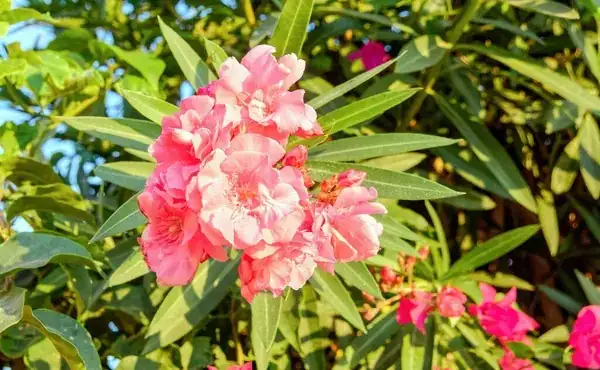
- Vibrant Blooms: Oleander flowers, appearing in clusters, bring a burst of color from spring through fall. In warmer climates, they can even bloom year-round.
- Foliage Finesse: The leaves are dark green and lance-shaped, providing a lush backdrop to the vivid blooms. They add a fine texture to any garden setting.
- Growth Habits: This fast-growing shrub can reach heights of 2 to 6 meters, forming dense, mounding shrubs or trained as small trees, perfect for hedges or privacy screens.

Creating a Safe and Stylish Garden
Garden Design Tips with Oleander
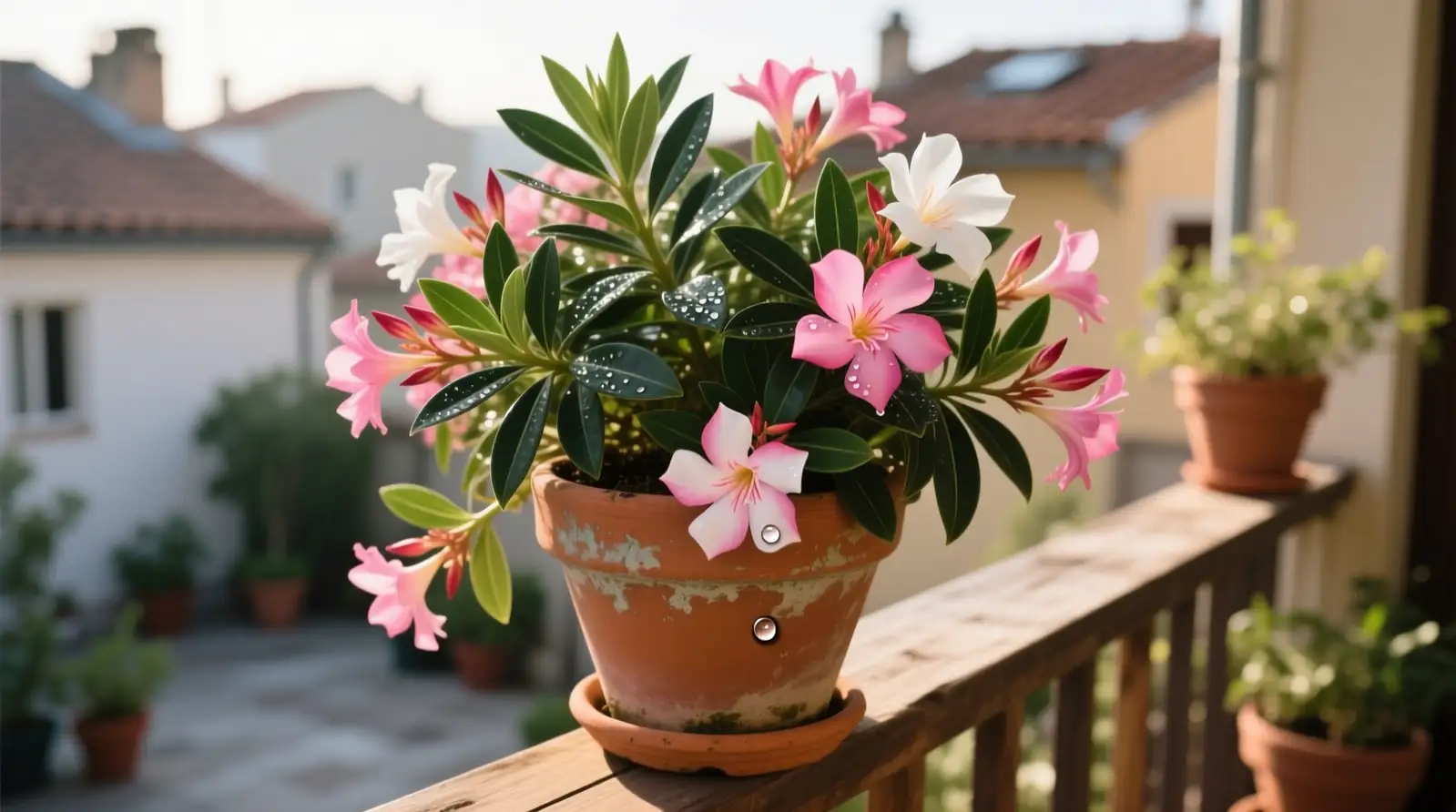
- Strategic Placement: Plant oleander where it can be admired from a distance. Ideal spots include sunny balconies, patios, or courtyards. In larger landscapes, use it for hedging, privacy screens, or as a stunning focal point.
- Training and Shaping: Oleander responds well to pruning, allowing you to shape it into hedges or even into topiary forms. Consider crafting archways for a romantic garden entrance.
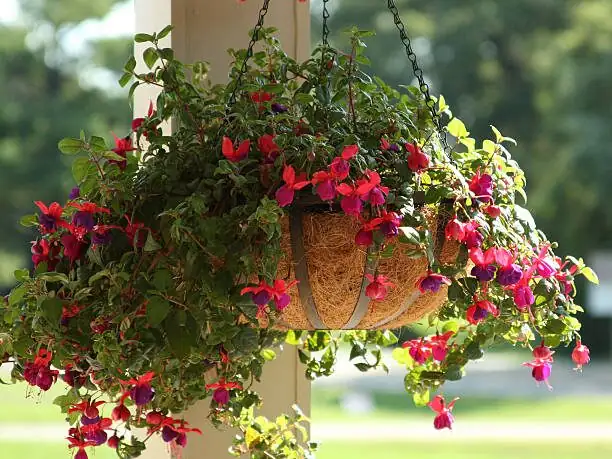
- Container Gardening: In colder regions, grow oleander in large containers. This not only allows for easy moving to protect it from frost but also helps control its growth.
Safety in the Spotlight
Handling with Care
- Toxicity Awareness: Every part of the oleander plant is highly toxic. Always wear gloves when handling the plant to avoid skin irritation from the sap.
- Child and Pet Safety: Given its toxicity, plant oleander away from areas frequented by children and pets. Consider fencing or using signage as a precautionary measure.
Maintenance: Let Nature Do the Work
Low-Effort Care
- Sun and Soil: Oleander thrives in full sun and prefers well-drained soil. Its adaptability to poor soils and tolerance of a wide pH range make it a forgiving plant for less-than-perfect garden conditions.
- Watering Wisdom: While drought-tolerant once established, oleander blooms best with regular watering. Ensure the top layer of soil dries out between waterings.
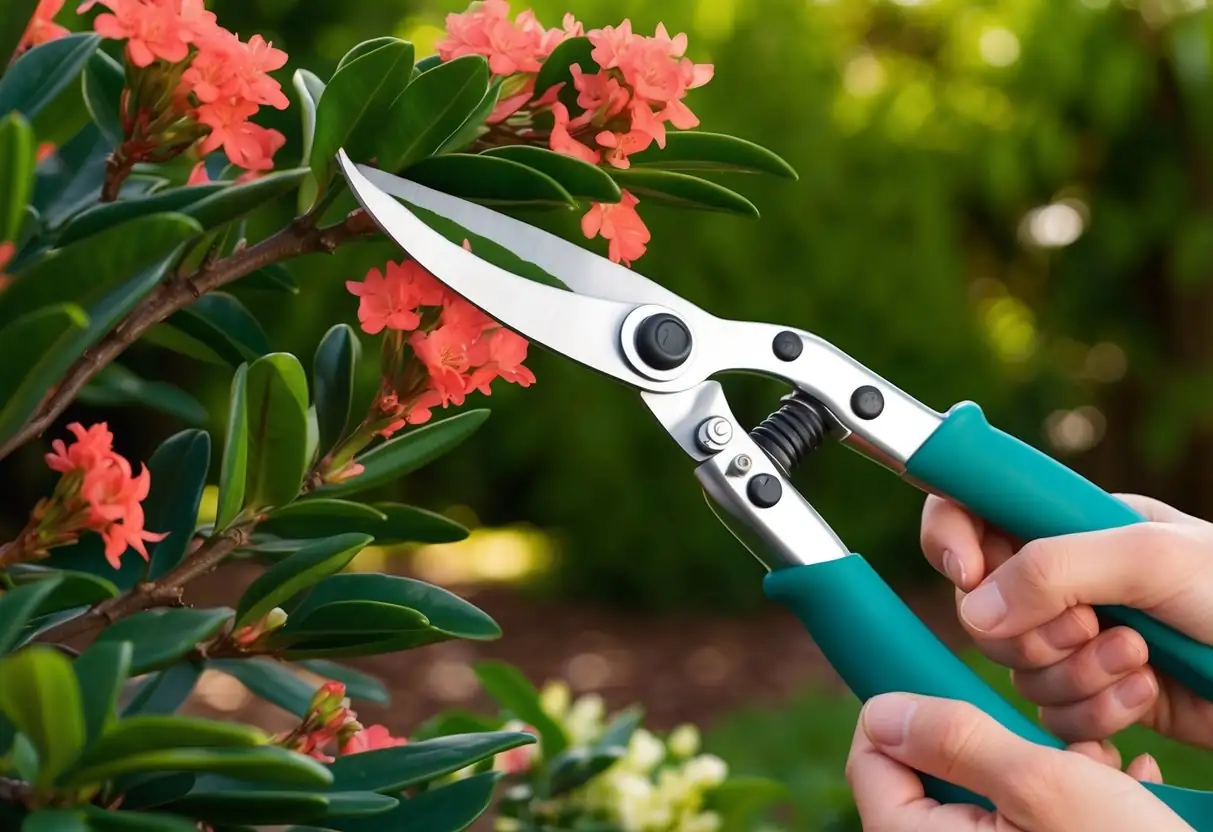
- Annual Pruning: To encourage branching and maintain a tidy appearance, prune in late winter. This also helps remove any damaged or diseased wood.
Embracing Oleander’s Symbolism
Beauty with a Cautionary Tale
Oleander’s history is as rich as its blooms. Associated with both grace and danger, its flower language reflects its dual nature—red for warning, white for purity, and yellow for deep friendship. Historically, oleander has been linked with protection and boundaries, a fitting symbolism for a plant that requires respect and caution.
Conclusion
Incorporating Nerium oleander into your garden landscape allows for a display of enduring beauty and resilience, perfect for challenging environments. By understanding its needs and respecting its toxicity, you can enjoy the grace and elegance of oleander, crafting a garden that is both stunning and safe. As with any masterpiece, the beauty of oleander is best appreciated from a thoughtful distance—admire its blooms, but handle with care.