
Unlocking the Secret to Lush Areca Palms: A Troubleshooting Guide
Imagine stepping into a room that instantly transports you to a tropical paradise, where the air feels fresh and the ambiance is serene. That magic is often the work of the Areca Palm, or Dypsis lutescens, a beloved houseplant known for its elegant, arching fronds and air-purifying prowess. But even this tropical beauty can face challenges, especially when it comes to pests and diseases. Here’s your ultimate guide to ensuring your Areca Palm remains the stunning centerpiece of your home.
—
Identifying Common Pests
Spider Mites: These tiny, almost invisible pests love dry conditions and can wreak havoc on your palm. You’ll notice fine webbing and a stippling effect on the leaves. As the infestation grows, fronds may yellow and shed.
Scale Insects: Look out for small, round, brown bumps on stems and leaves. These are scale insects, which suck sap and weaken the plant over time.
Mealybugs: These cottony pests tend to hide in leaf joints and can cause yellowing and wilting as they feed on plant juices.
Whiteflies: Although less common, whiteflies can occasionally make an appearance, causing general decline in plant health.
Preventing Pest Infestations
- Humidity is Key: Areca Palms are humidity lovers. Keeping the air around your plant humid can deter spider mites. Use a humidifier or place a tray of water with pebbles nearby.
- Regular Inspections: Make it a habit to check your palm regularly for any signs of pests. Early detection can save your plant from severe damage.
- Cleanliness Counts: Gently rinse the leaves with water to remove dust and potential pests. This can be done monthly to keep your plant in top shape.
Treating Pests Naturally
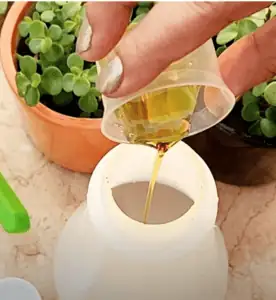
- Insecticidal Soap or Neem Oil: These are effective and safe for treating most pests. Apply as directed, ensuring coverage on both sides of the fronds.
- Water Spray: For spider mites, a strong spray of water can dislodge them. Follow up with insecticidal soap for best results.
- Manual Removal: For scale and mealybugs, use a cotton swab dipped in alcohol to remove them manually.
—
Battling Common Diseases
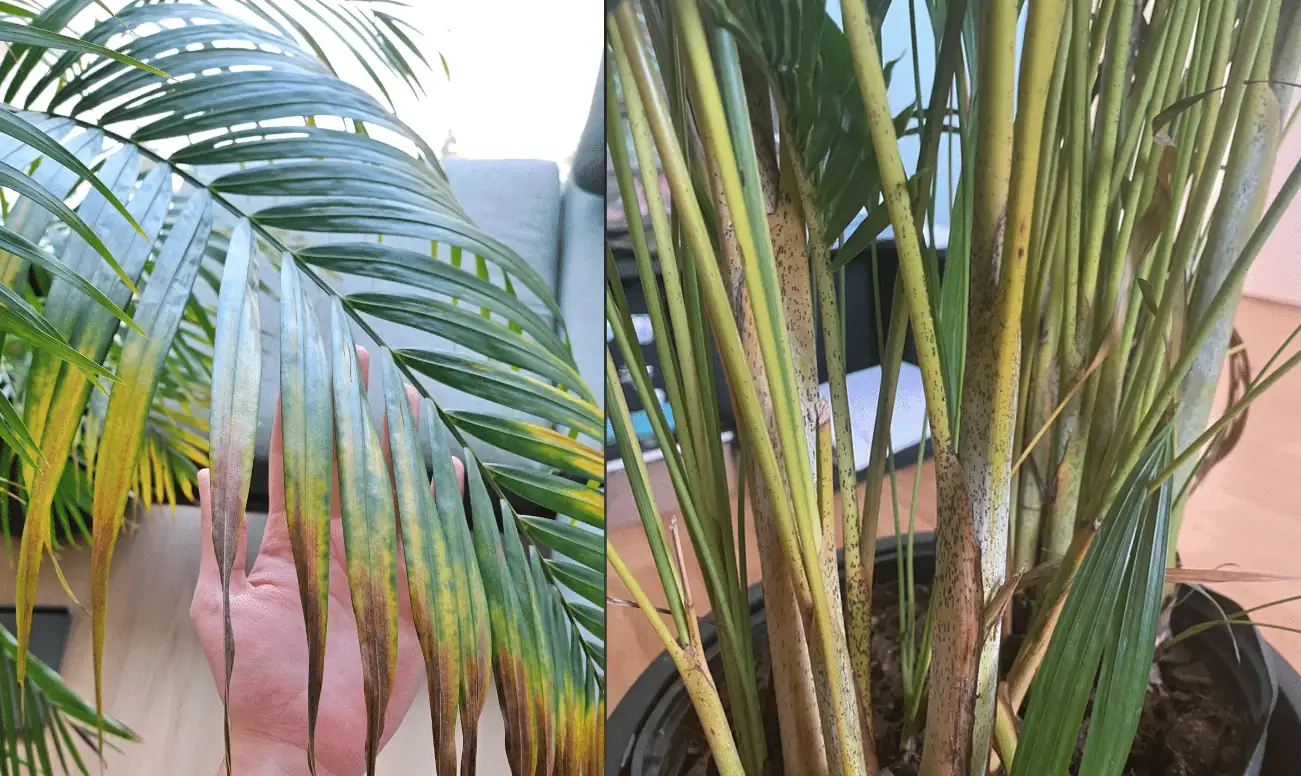
Root Rot: Often a consequence of overwatering, root rot manifests as yellowing fronds and stunted growth. In severe cases, roots become mushy and black.
Leaf Spot and Blight: Poor airflow and wet foliage can lead to leaf spot diseases, characterized by dark, unsightly spots on the leaves.
Preventing and Treating Diseases
- Perfect Your Watering Routine: Water when the top 2–5 cm (1–2 inches) of soil feels dry, ensuring excess water drains away. This prevents soggy soil, the primary culprit of root rot.
- Improve Air Circulation: Ensure your palm is not crowded by other plants or objects. This enhances airflow, reducing the risk of fungal diseases.
- Prune Wisely: Remove any infected fronds to prevent the spread of disease. Always use sterilized tools to prune.
- Maintain Ideal Conditions: Keep your palm in bright, indirect light and away from cold drafts. The ideal temperature range is 13–24°C (55–75°F).
—
Cultivating a Healthy Areca Palm
Light: While Areca Palms tolerate lower light, they thrive and look their best in bright, indirect light. Position near an east/north-facing window, but shield from harsh midday sun.
Soil and Repotting: Use a well-draining potting mix to prevent root issues. Repot every 2–4 years in spring, moving up just one pot size at a time.
Fertilization: Feed lightly with a balanced liquid fertilizer during the growing season (spring to early autumn). Avoid over-fertilizing, which can lead to salt buildup and damage.
Pruning: Trim only brown tips for aesthetics and remove fully dead fronds at the base. Pruning should be minimal to maintain the plant’s natural beauty.
—
The Takeaway
The Areca Palm, with its elegant fronds and air-cleaning abilities, can be a rewarding addition to any home. By understanding and addressing its potential pest and disease problems, you can ensure your palm remains a lush, vibrant feature in your living space. Embrace the challenge and enjoy the calming, tropical vibes it brings to your environment!