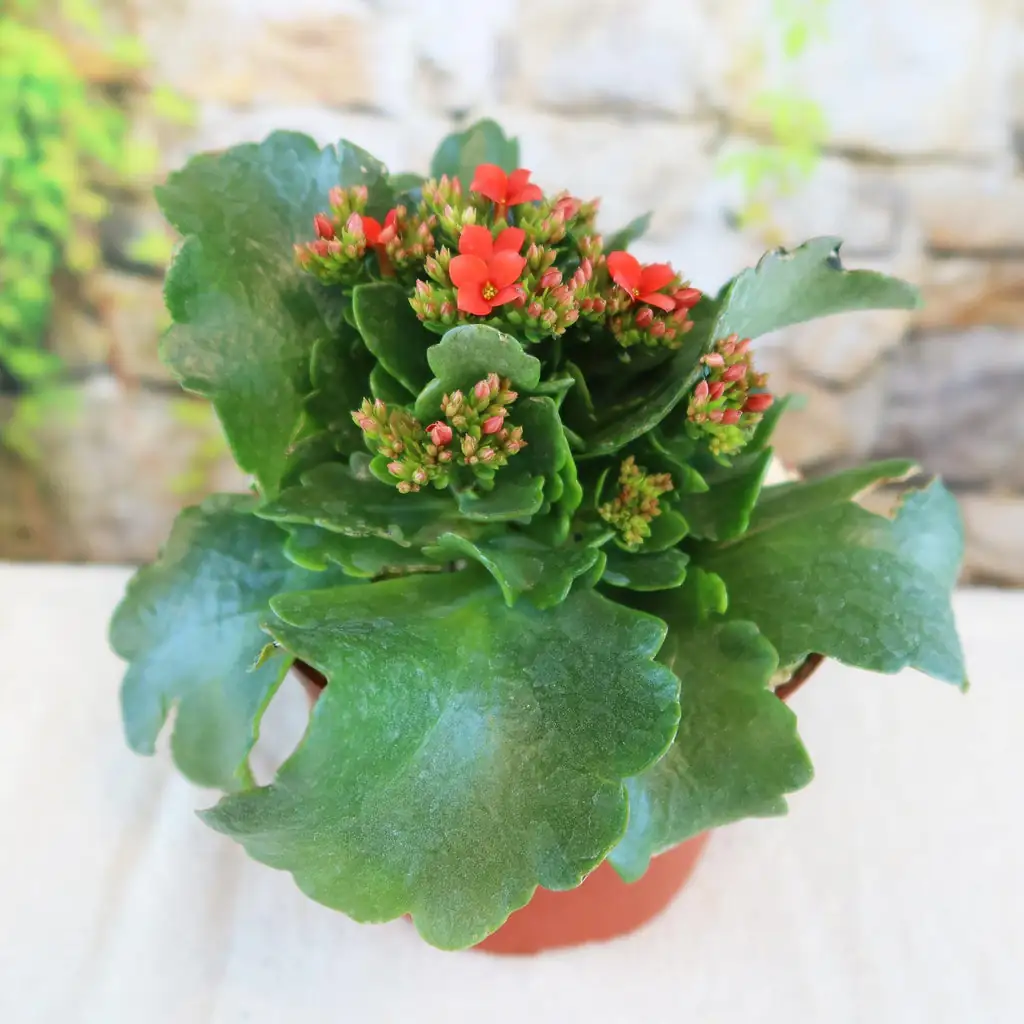
Flaming Katy (Kalanchoe blossfeldiana), with its cheerful array of colors and compact, succulent form, is a delight for any indoor gardener. However, like any houseplant, it faces its own set of challenges when it comes to pests and diseases. If you’ve ever noticed those glossy green leaves drooping or spotting, you know the frustration of seeing this vibrant plant under attack. Let’s delve into how you can keep your Flaming Katy healthy and thriving, ensuring it remains a bright spot in your home.
Recognizing Common Pests
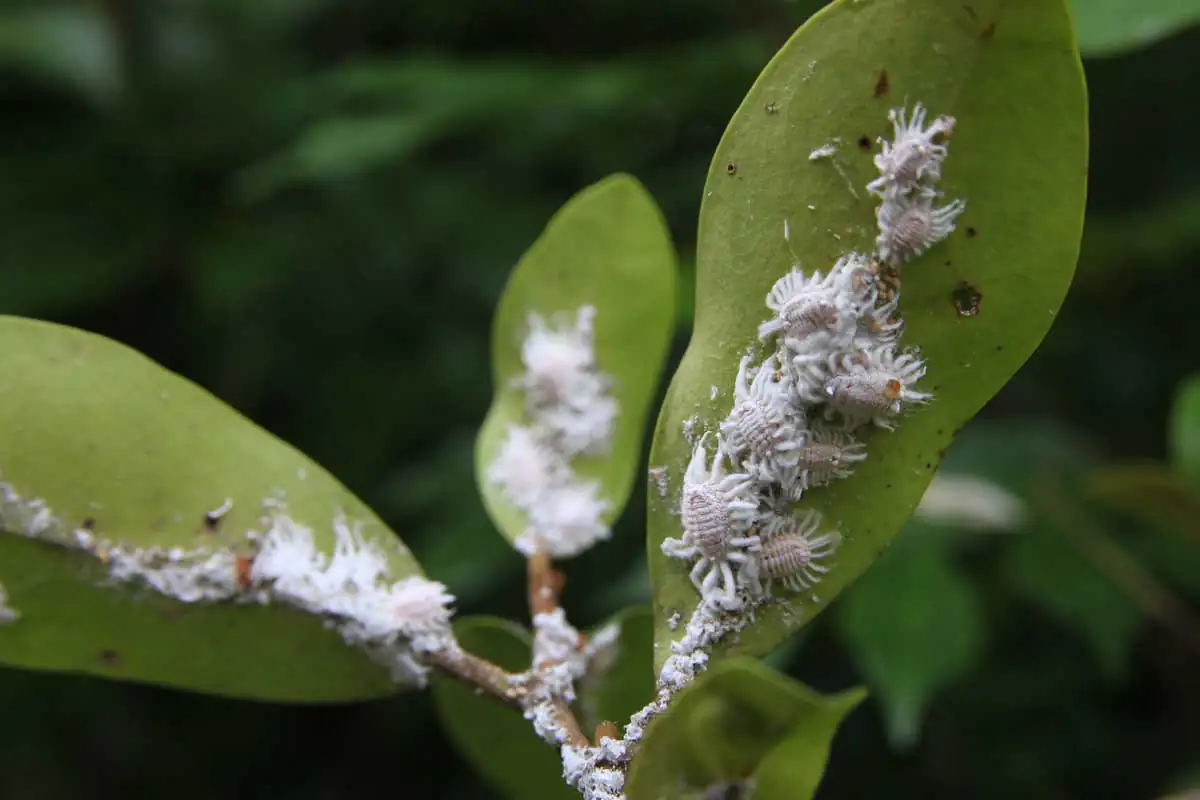
Mealybugs
These tiny, cotton-like pests can often be found nestled in the nooks and crannies of your Flaming Katy. They feed on the sap, weakening the plant and leading to discolored and distorted leaves.
Solution: Dab mealybugs with a cotton swab soaked in alcohol to remove them. For more significant infestations, consider using insecticidal soap or horticultural oil.
Aphids
Aphids are small, often green or black, insects that can congregate on the undersides of leaves. They can cause leaves to curl and may lead to a sticky residue known as honeydew.
Solution: A strong blast of water can dislodge aphids, or use a mild soap solution to wash them away. Maintaining good airflow and avoiding excessive nitrogen fertilizers can help prevent their proliferation.
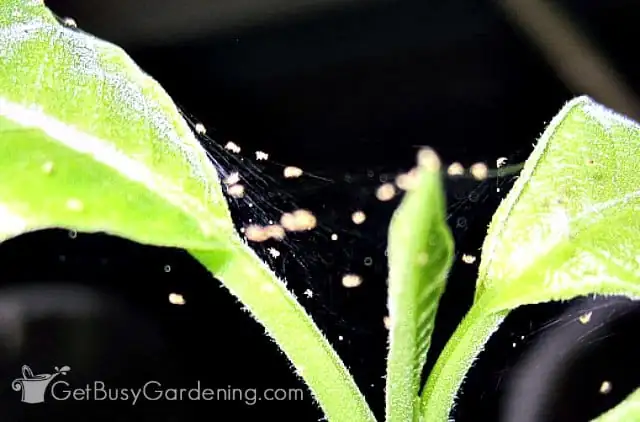
Spider Mites
If you notice a fine webbing on your plant, chances are spider mites have taken up residence. These tiny pests thrive in hot, dry conditions and can cause leaf discoloration and stippling.
Solution: Increase humidity around your plant to make conditions less favorable for spider mites. Regular misting and wiping leaves with a damp cloth can also help keep them at bay.
Common Diseases and Their Management
Powdery Mildew
Powdery mildew appears as a white, dusty coating on leaves and stems, often due to high humidity and poor air circulation.
Solution: Improve airflow and avoid wetting the leaves during watering. If mildew persists, a fungicidal spray may be necessary.
Root and Crown Rot
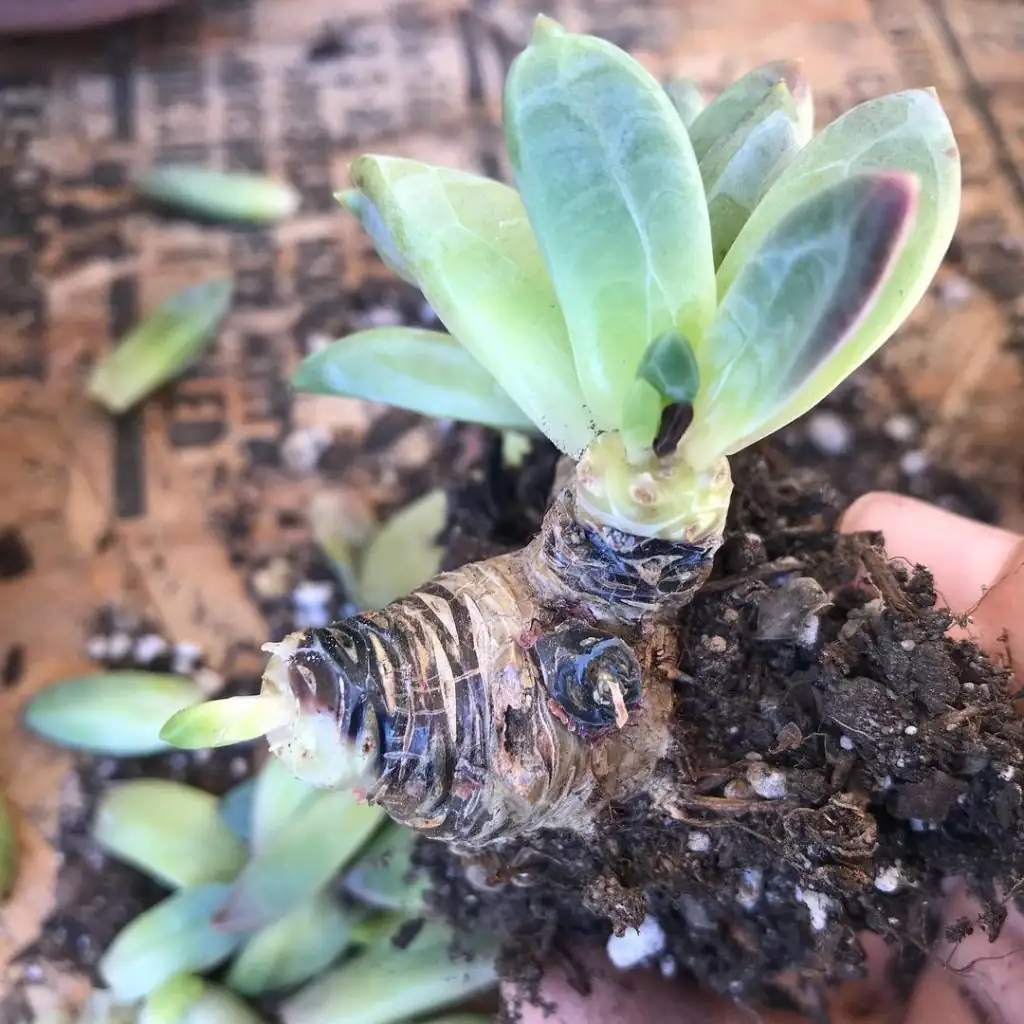
Overwatering can lead to root and crown rot, where the base of the plant becomes dark and mushy.
Solution: Ensure your Flaming Katy is in a well-draining soil mix, such as a cactus or succulent blend, and allow the soil to dry out between waterings. Bottom-watering can also prevent water from settling in the crown.
Leaf Spot
Leaf spots are often caused by fungal infections, leading to unsightly blemishes on the foliage.
Solution: Remove affected leaves promptly and avoid overhead watering. Fungicides can be used as a last resort if cultural controls are insufficient.
Practical Tips for Maintaining Plant Health
- Lighting: Ensure your Flaming Katy receives full sun to bright indirect light. Indoors, a bright windowsill is ideal, while outdoors, morning sun followed by afternoon shade can prevent leaf scorch.
- Watering: Let the soil dry out completely between waterings. In lower light conditions, this might mean watering every 2–3 weeks, while brighter spots may require more frequent attention.
- Fertilization: During the active growing season, apply a balanced liquid fertilizer at half strength every 2–4 weeks. Avoid heavy nitrogen fertilizers to promote flowering rather than foliage growth.
- Pruning: Regularly deadhead spent blooms to encourage new flowering shoots and trim back leggy stems to maintain a compact shape.
- Propagation: Propagation is easy from stem cuttings. Allow cut ends to callus before planting them in a dry succulent mix.
Flower Language and Symbolism
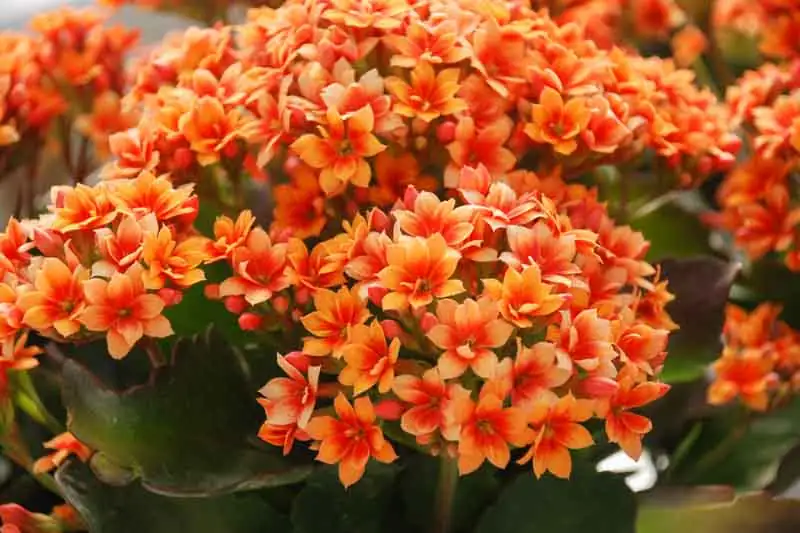
Flaming Katy is often associated with longevity and lasting affection, making it a popular gift plant, especially around festive seasons like the winter holidays and Lunar New Year. Its vibrant colors and enduring blooms symbolize good fortune and cheerfulness, brightening any space it graces.
In our journey as plant caretakers, understanding and addressing these common challenges not only prolongs the life of our beloved Flaming Katy but also deepens our connection to the natural world. Armed with knowledge and a bit of vigilance, you can ensure your Flaming Katy continues to thrive, bringing joy and color to your home. Happy gardening!