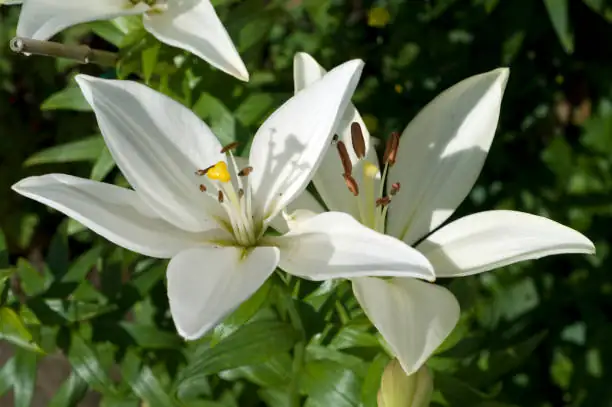
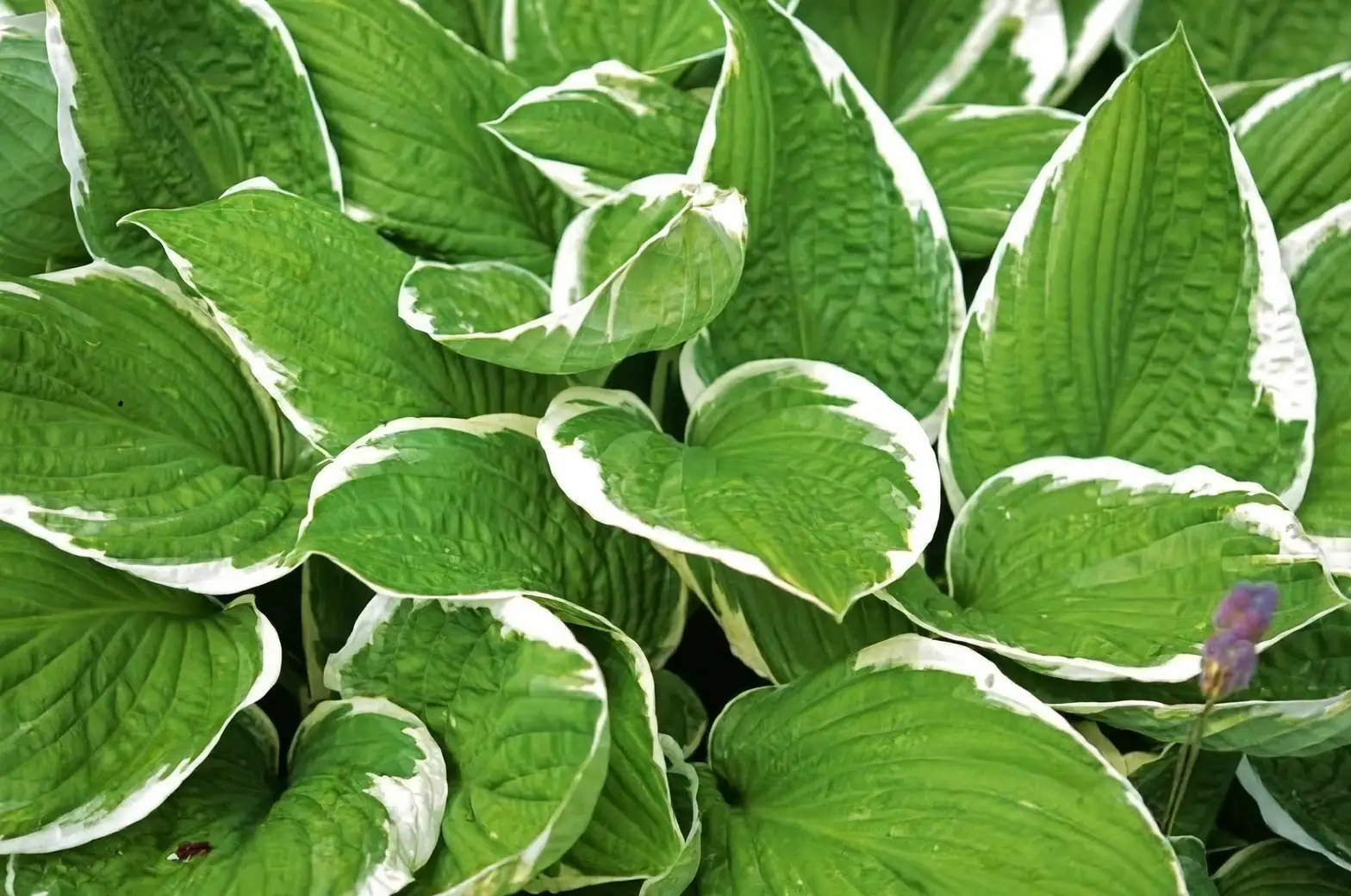
Ah, the August Lily! Known scientifically as Hosta plantaginea, this elegant beauty of the shade garden brings an air of serenity with its lush green foliage and fragrant white blooms. But alas, even this garden gem isn’t immune to challenges, especially from pesky pests like slugs and snails and troublesome diseases such as Fusarium leaf rot. Let’s dive into practical strategies to keep these challenges at bay and ensure your August Lily thrives.
Unmasking the Slimy Invaders: Slugs and Snails
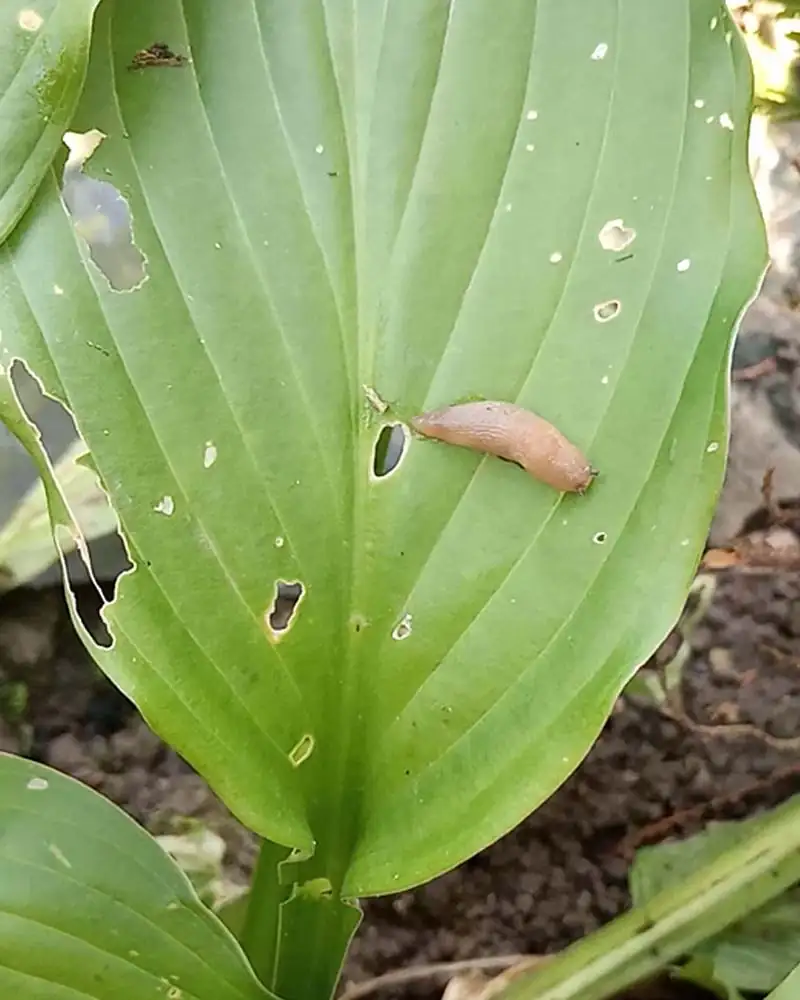
Slugs and snails are the classic nemeses of hostas, including the elegant August Lily. These nocturnal nibblers can transform your plant’s glossy leaves into a patchwork of ragged holes faster than you can say “garden disaster.” But fear not! Here’s how you can turn the tables on them:
Spotting the Culprits and Their Trails
- Tell-tale Signs: Look for irregular holes in the leaves and the shiny slime trails these mollusks leave behind.
- Night Stalkers: Check your plants after sundown or in the early morning when these pests are most active.
Defensive Tactics
- Manual Removal: Brave the night with a flashlight and handpick these invaders. It might sound like a midnight scavenger hunt, but it’s surprisingly effective.
- Barrier Methods: Surround your August Lily with copper tape or sprinkle crushed eggshells around the base. These barriers deter slugs and snails due to their aversion to rough or reactive surfaces.
- Beer Traps: Bury shallow dishes of beer at ground level. The yeasty scent lures them in for a sip, but they rarely make it back out.
Chemical Solutions
- Iron Phosphate Baits: These are safe for the environment, pets, and children while effectively reducing slug and snail populations.
- Metaldehyde Baits: Use with caution. Effective yet potentially hazardous to pets and wildlife, so ensure it’s out of reach of curious critters and kids.
Fusarium Leaf Rot: A Silent Saboteur
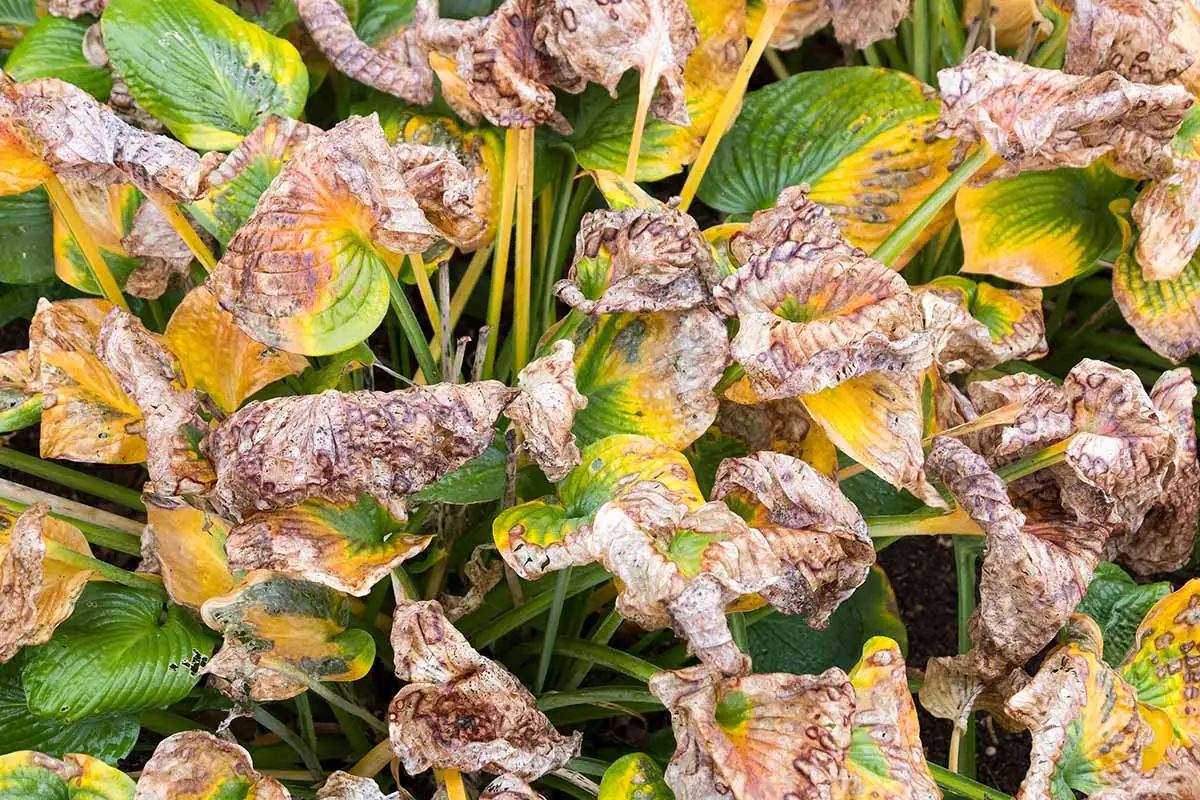
Fusarium leaf rot is another potential hiccup in your August Lily’s journey to garden glory. This fungal disease can cause leaf spots and a general decline in plant health.
Prevention and Management
- Cleanliness is Key: Keep the area around your plants free from debris and old foliage, which can harbor fungal spores.
- Proper Drainage: Ensure your soil is well-draining to prevent the waterlogged conditions that fungi love.
- Air Circulation: Avoid overcrowding; maintain good airflow around your plants to reduce humidity levels.
- Fungicide Options: If you notice early signs of infection, consider a fungicide treatment, preferably one safe for ornamental plants.
Cultivating Resilience and Beauty
While August Lily naturally embodies purity and elegance, akin to the jade hairpins of celestial maidens in Chinese lore, its cultivation requires a gardener’s devotion. Here are some tips to ensure its lasting beauty:
Optimal Growth Conditions
- Shade and Shelter: Plant in dappled shade or morning sun to avoid leaf scorch from harsh afternoon rays.
- Moisture Management: Water deeply and regularly, ensuring the soil remains evenly moist but never soggy.
- Nutrient Boost: Use a slow-release granular fertilizer in early spring and consider monthly feedings during the active growth phase.
Troubleshooting Common Issues
- Yellowing Leaves: Often caused by too much sun or inconsistent watering. Adjust your plant’s environment and watering schedule accordingly.
- Flower Power: Enjoy the night-blooming, sweet-scented flowers that captivate nocturnal pollinators and enchant evening garden strolls.
With these strategies, your August Lily can become the steadfast centerpiece of your shade garden, standing strong against pests and diseases. Let this serene beauty inspire you with its quiet strength and pure elegance, much like the legendary jade hairpins of mystical stories. Happy gardening!