A Historical Journey with Bellis perennis
Imagine a flower so iconic that it’s the very definition of “daisy.” Bellis perennis, known fondly as the Common Daisy or Lawn Daisy, has left petal prints across Europe and beyond, weaving its way into gardens, legends, and hearts. From the rolling meadows of England to the sunlit gardens of California, this unassuming bloom has a story as rich and varied as the cultures it touches.
Origins and European Heritage
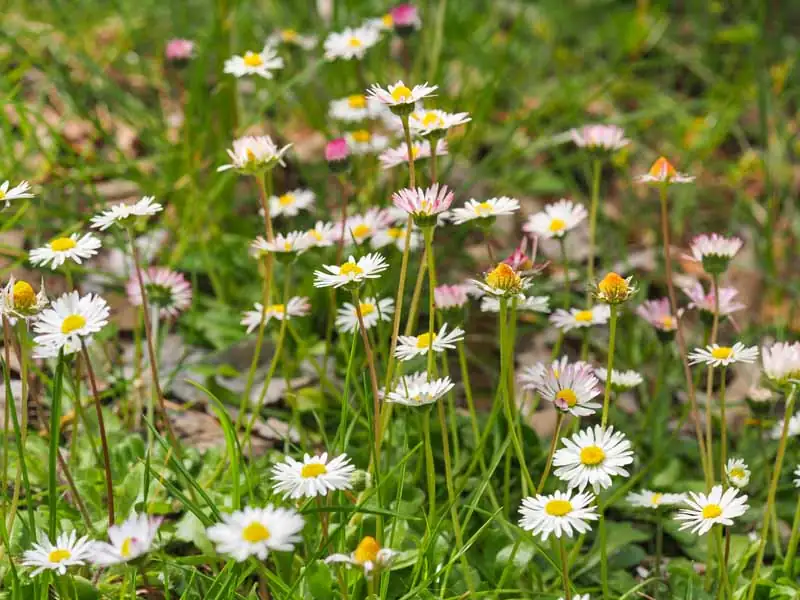
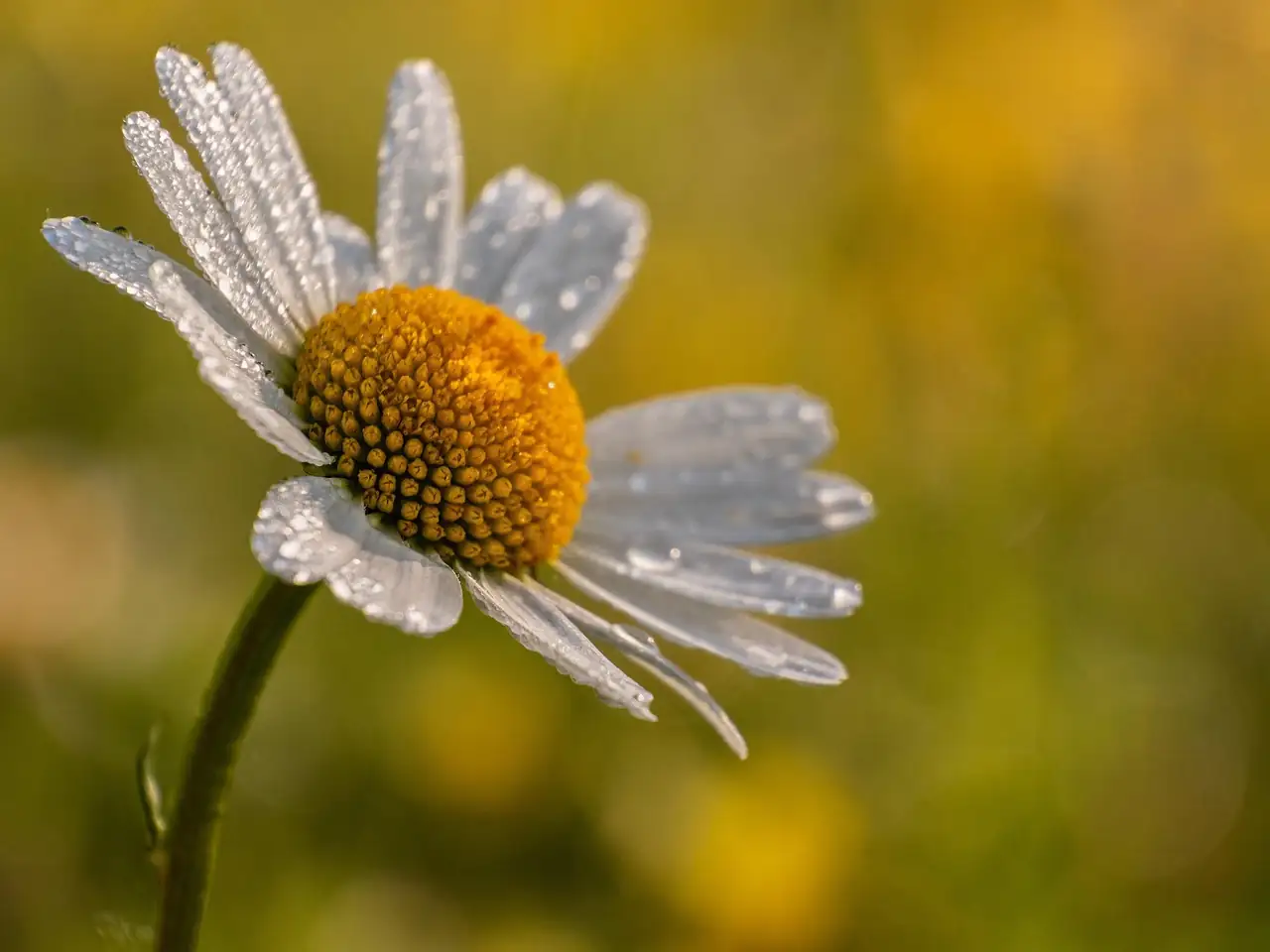
Bellis perennis hails from the cool, temperate regions of Europe, with native roots stretching from the verdant landscapes of western and northern Europe to the sun-dappled islands of the Faroe. This humble flower, forming low rosettes of bright green leaves and delicate white petals, has been a perennial fixture in lawns and fields alike. Its name, fittingly enough, comes from the Latin “bellus,” meaning “pretty,” and “perennis,” for “everlasting”—a nod to its enduring charm and resilience.
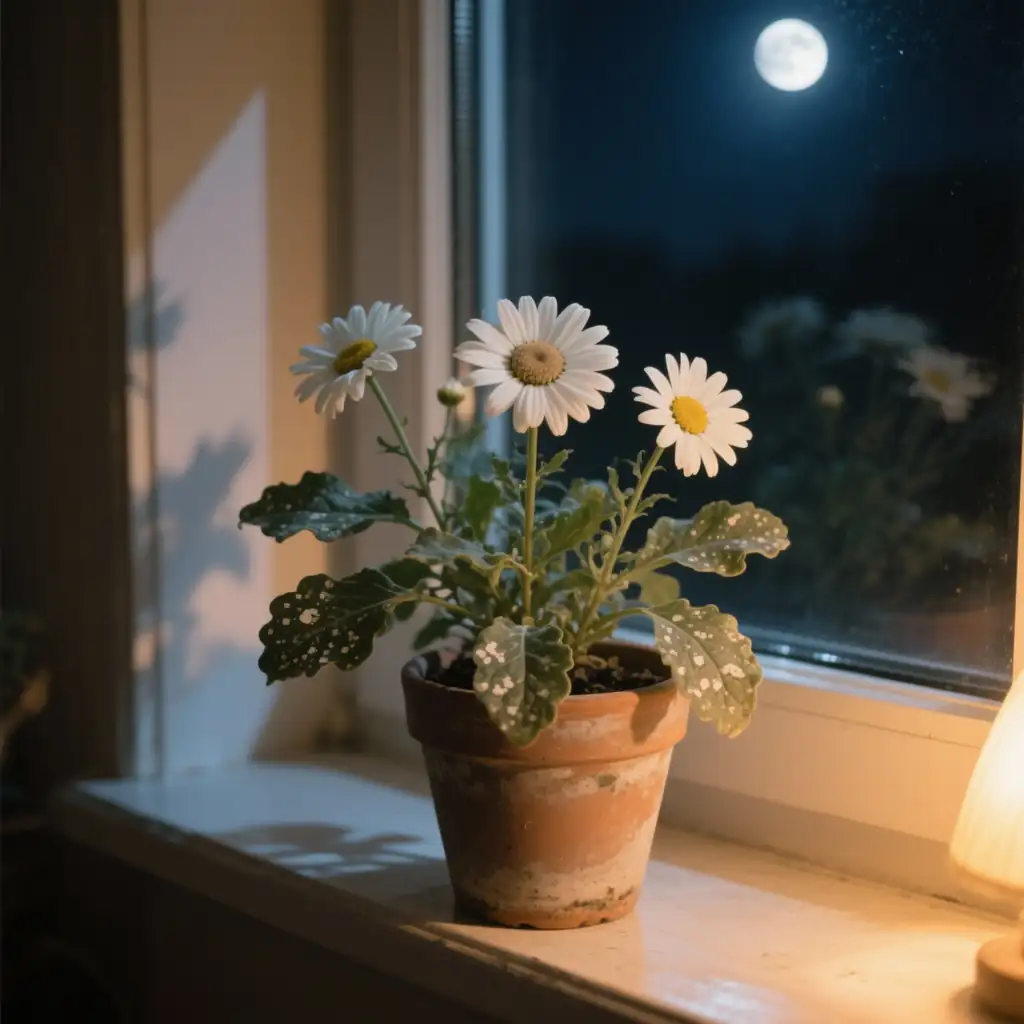
Medieval Europe embraced the daisy not just for its beauty but for its symbolic purity and innocence. It was affectionately known as “Mary’s Rose,” reflecting its significance in religious and cultural folklore. The daisy’s habit of closing its petals at night and reopening with the dawn earned it the nickname “day’s eye,” a direct reference to its sun-chasing behavior, or heliotropism.
The Daisy’s Cultural and Horticultural Voyage
As European settlers explored new worlds, they brought with them not only their hopes and dreams but also their beloved daisies. Today, Bellis perennis has naturalized in various temperate regions across the globe, from the Americas to New Zealand, often considered both a charming wildflower and a persistent lawn dweller.
In gardens, the daisy’s versatility shines. It thrives as an edging plant, a container filler, and even a naturalized wildflower in lawns. Its cheerful disposition and easy-going nature make it a gardener’s delight, requiring just a bit of sunlight, decent drainage, and a reprieve from scorching summer heat.
A Gardener’s Delight
The daisy’s compact growth habit—typically around 10 to 20 cm tall—allows it to form dense, lush patches that are perfect for creating ground cover or adding a splash of color to garden borders. Its flowers, blooming from spring into summer, come in a delightful array of whites, pinks, and reds, with its classic yellow cores attracting bees and other pollinators.
Despite its delicate appearance, the daisy is a robust contender in the garden. It enjoys full sun to part shade and thrives in well-drained, humus-rich soil. While it prefers cool temperatures, it can soldier on through mild conditions up to 25°C (77°F), though its vigor wanes in intense heat.
Culinary and Medicinal Uses
Beyond its ornamental value, the daisy has found its way into culinary and herbal traditions. In some parts of Europe, young leaves are picked and tossed into salads, lending a crisp, fresh flavor. Historically, the plant also enjoyed a reputation as a healer, known as “bruisewort” or “woundwort” for its supposed ability to soothe bruises and minor skin irritations.
The Language of Daisies
In the language of flowers, daisies symbolize innocence and purity, making them a popular choice for bridal bouquets and springtime celebrations. Their association with loyal love and “hidden feelings” is poignantly captured in the timeless game of “he loves me, he loves me not,” where each petal plucked reveals the heart’s mysterious leanings.
Modern Cultivation and Care
Today’s gardeners have a plethora of daisy cultivars to choose from, each offering unique flower forms and colors. While Bellis perennis is generally easy to care for, a few tips can ensure its success:
- Sunlight: Aim for at least six hours of direct sunlight for best flowering.
- Watering: Maintain steady moisture without waterlogging; let the surface soil dry slightly between waterings.
- Feeding: Moderate feeding during the growing season supports its vivid blooms.
In cooler climates, the daisy can become a vigorous self-seeder, spreading across lawns and garden beds with ease. For those seeking a more controlled garden, regular deadheading and choosing cultivars with limited seed production can keep their spread in check.
A Flower for All Seasons
Whether you’re crafting a daisy chain on a lazy summer afternoon or planting a vibrant spring garden, Bellis perennis invites you to embrace the simple joys of nature. Its unyielding spirit and delicate beauty remind us that sometimes, the most profound connections to history and culture are found right under our feet, in the petals of a timeless flower.