The Eternal Embrace: Cypress Trees in Cultural Symbolism
If trees could whisper tales of eternity, the cypress would have volumes to share, spanning ancient civilizations to modern landscapes. These majestic conifers, recognized for their architectural elegance and enduring vitality, are more than just pillars of green in our parks and gardens. With roots deeply embedded in cultural myths and spiritual symbolism, cypress trees have long been associated with concepts of longevity, strength, and remembrance.
A Living Symbol of Longevity and Resilience
Imagine a tree that stretches upwards with a steadfast purpose, its silhouette cutting a striking figure against the sky. This is the cypress, a tree that embodies resilience. Native to temperate and subtropical regions across the Northern Hemisphere, including China, North America, and the Mediterranean, the cypress has been a witness to centuries of human history and culture.
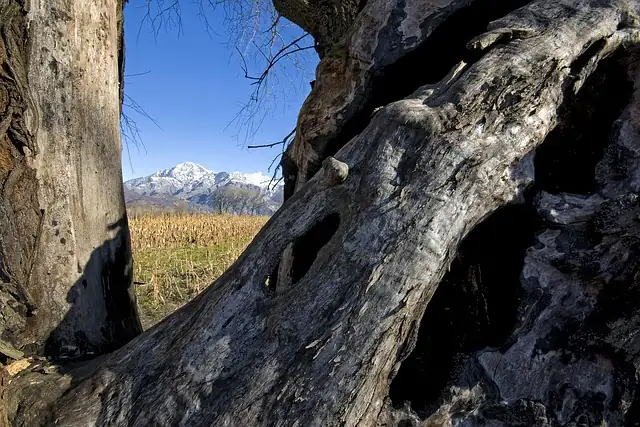
In many cultures, the cypress is seen as a symbol of longevity. Take, for instance, the ancient Iranian city of Abarkuh, where the Cypress of Abarqu—believed to be over 4,000 years old—stands as a testament to the passage of time and the tree’s tenacious hold on life. This ancient tree, rooted in Zoroastrian legends, is said to have been planted by the prophet Zarathustra himself, marking it as a tree of immortality.
Guardians of the Afterlife
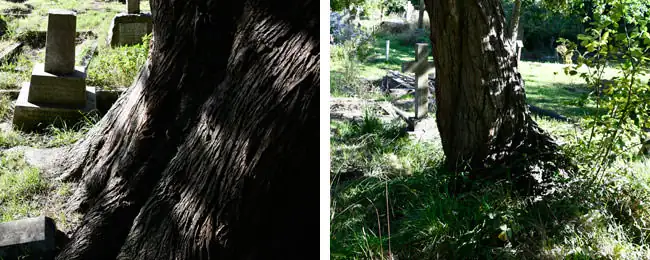
Throughout history, cypress trees have been interwoven with the fabric of life and death. In ancient Greek and Roman cultures, the cypress was known as the “mournful tree,” a fitting companion to the Fates and the rulers of the underworld. It was customary to plant these trees at gravesites, their tall, slender forms pointing towards the heavens, symbolizing the transition from life to death and the soul’s journey to eternity.
This tradition resonates in modern times, particularly in the Mediterranean and Islamic cultures, where cypress trees line cemeteries, offering solace and a connection to the divine. In the language of flowers, the cypress conveys the weighty sentiment of mourning and remembrance, yet it also embodies hope, as its evergreen nature suggests eternal life.
Artistic and Architectural Allure
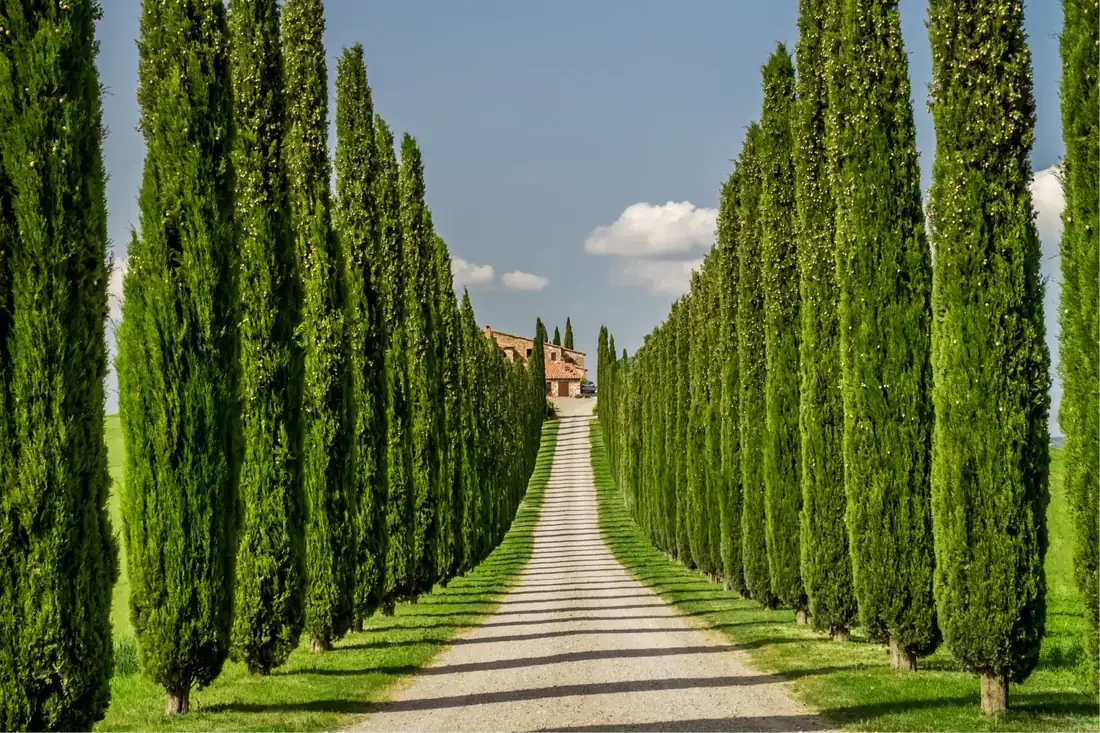
Not merely confined to graveyards, cypress trees have inspired countless artists and architects. From the dramatic brushstrokes of Van Gogh’s paintings to the tree-lined pathways of Italian villas, the cypress is a muse for those who seek to capture its serene and stoic beauty.
The Neoclassical era saw cypress motifs in mourning jewelry, where it was paired with other symbols of grief and eternity, like the willow and the urn. These artistic depictions, often painted on ivory or vellum, served as personal mementos, capturing the essence of loss and the enduring spirit of those remembered.

Cypress in Modern Landscapes
Today, the cypress continues to be a beloved choice in ornamental landscaping. Its versatility makes it suitable for avenues, hedges, and windbreaks, while its hardy nature—tolerant of drought and poor soils—ensures its place in sustainable gardening practices. Whether standing sentinel at the edge of a property or artfully arranged in a bonsai dish, the cypress remains a symbol of nature’s quiet strength.
The Secret Language of Cypress
In the secret language of flowers, known as 花语 (huāyǔ) in Chinese, each bloom and branch carries a message. The cypress, with its deep cultural roots, speaks of steadfastness and integrity. In Chinese culture, it is often associated with vitality and is frequently planted in places of remembrance, such as temples and memorials. This reinforces the tree’s role as a silent witness to human endeavors and emotions, offering its evergreen branches as a metaphor for enduring life.
Conclusion: A Tree of Timeless Tales
As you stroll through a garden or gaze at a painting, let the presence of a cypress remind you of the enduring stories it holds. Whether as a symbol of eternal life, a guardian of memories, or a testament to nature’s resilience, the cypress is more than a tree—it’s a timeless companion in the human journey. Next time you encounter a cypress, pause and reflect on the legacy it represents, a living bridge between the past and the future.