Let There Be Light: Mastering Phalaenopsis Orchid Care for Year-Round Blooms
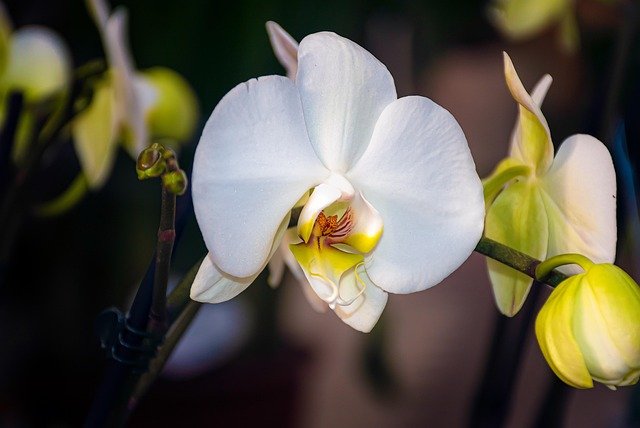
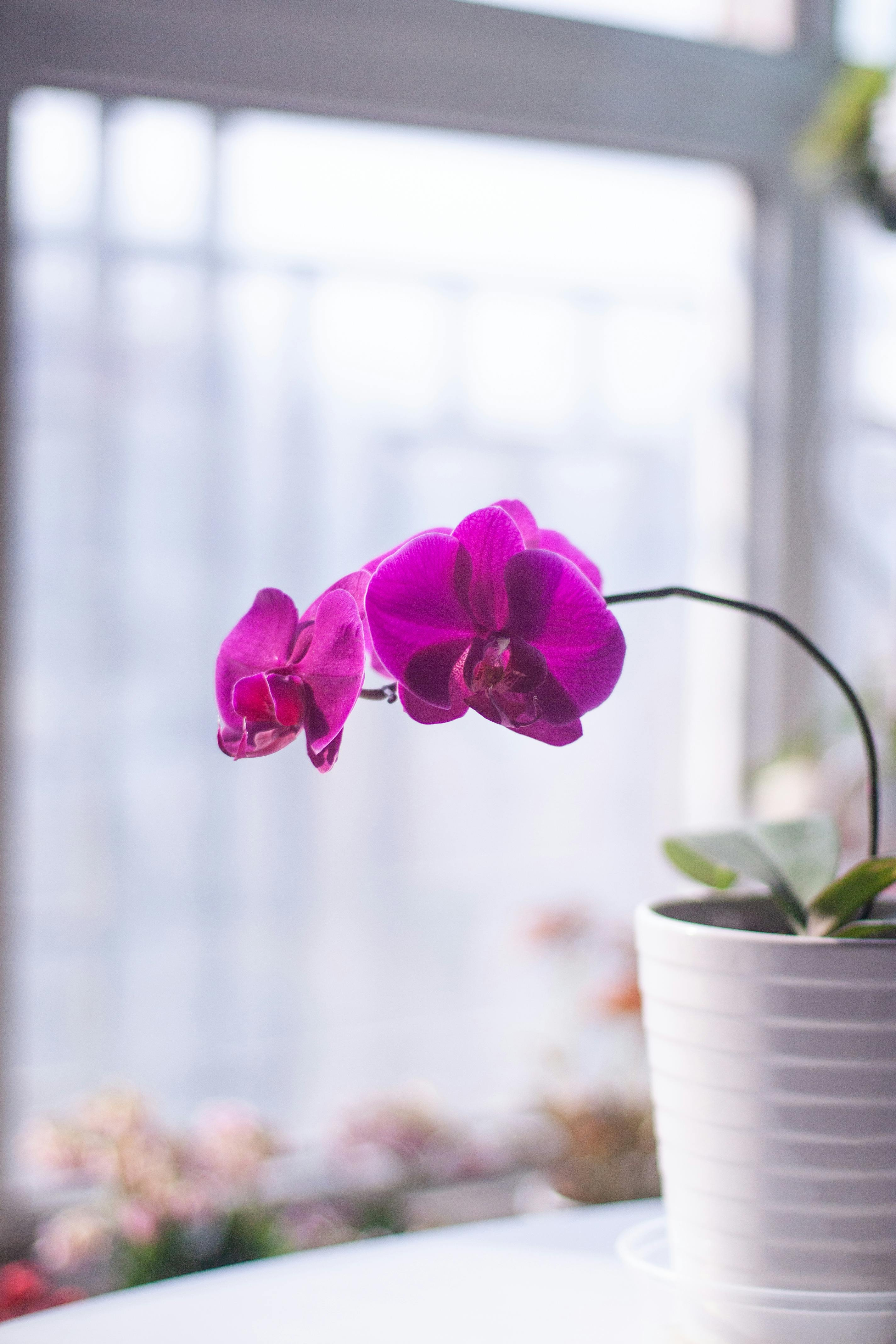
Imagine having a piece of the tropical forest right in your living room, gracing your space with elegant, butterfly-like blooms that can last for months. That’s the magic Phalaenopsis orchids, affectionately known as moth orchids, bring to your home. However, to keep these beauties thriving and blooming throughout the year, understanding their light requirements is crucial. Let’s dive into how you can create the perfect lighting environment for your Phalaenopsis to ensure they dazzle you with their vibrant flowers again and again.
Bright, Indirect Light: The Secret to Happy Orchids
Phalaenopsis orchids originate from the low-elevation tropical forests of Asia and the Pacific, where they grow as epiphytes clinging to tree trunks under the leafy canopy. This natural habitat provides them with plenty of light, but never direct sunlight. Mimicking this environment in your home is key.
Ideal Lighting Conditions
- East-Facing Windows: A golden spot for your Phalaenopsis. These windows offer gentle morning sunlight, which is perfect for your orchid to soak up without any risk of sunburn.
- North-Facing Windows: These can work well too, providing consistent bright, indirect light throughout the day.
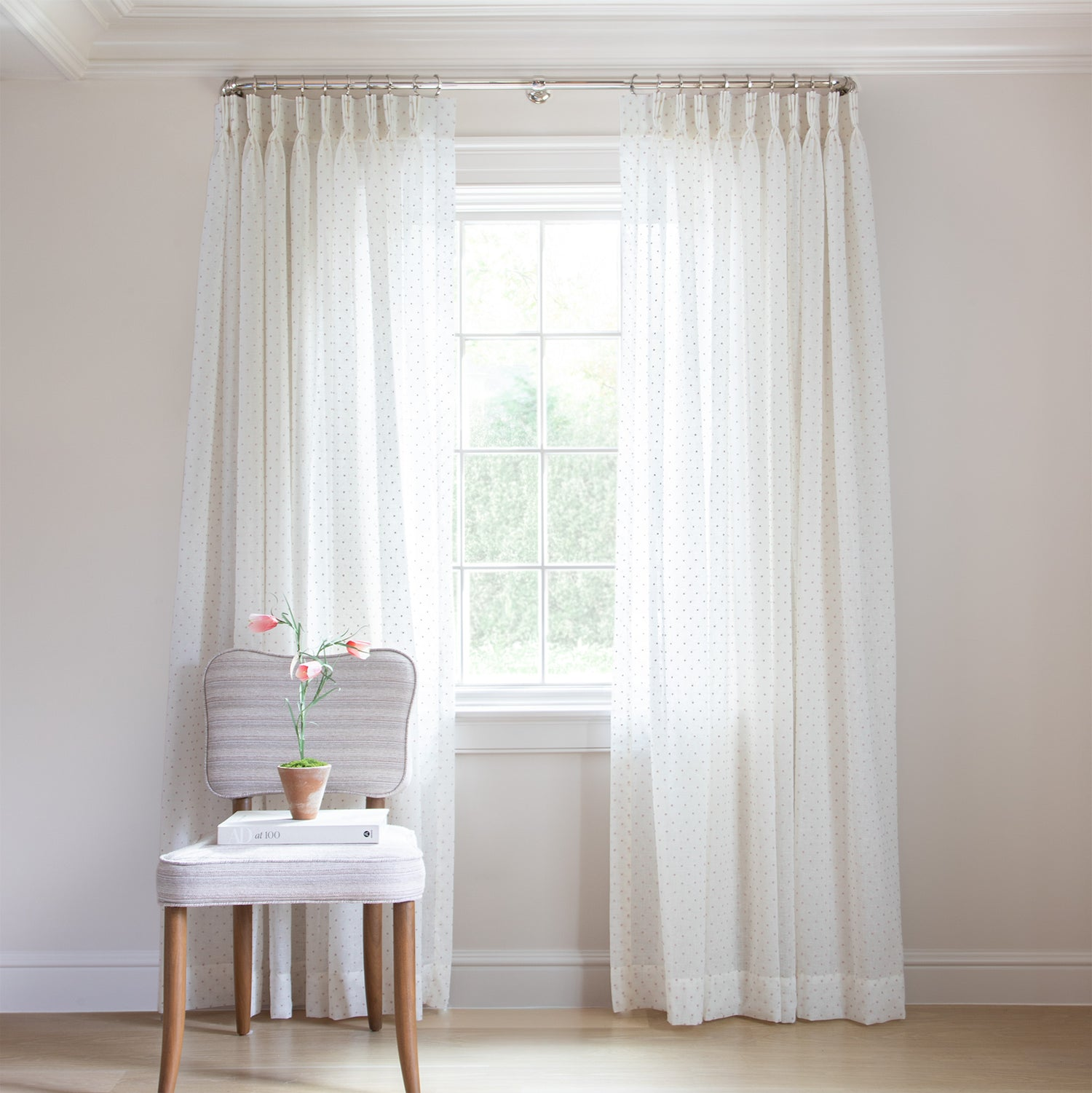
- South or West-Facing Windows: If these are your only options, don’t fret! Simply add a sheer curtain to diffuse the harsh rays and prevent leaf scorch. Alternatively, place your orchid at a distance from the window.
If natural light is scarce, especially during the darker months, consider supplementing with artificial light. Full-spectrum LED lights positioned about 6 to 8 inches above the plant can work wonders. Be sure to keep them on for 12 to 16 hours a day to mimic natural sunlight.
Reading the Leaves: Your Orchid’s Light Meter
Your orchid’s leaves are excellent indicators of whether it’s receiving the right amount of light:
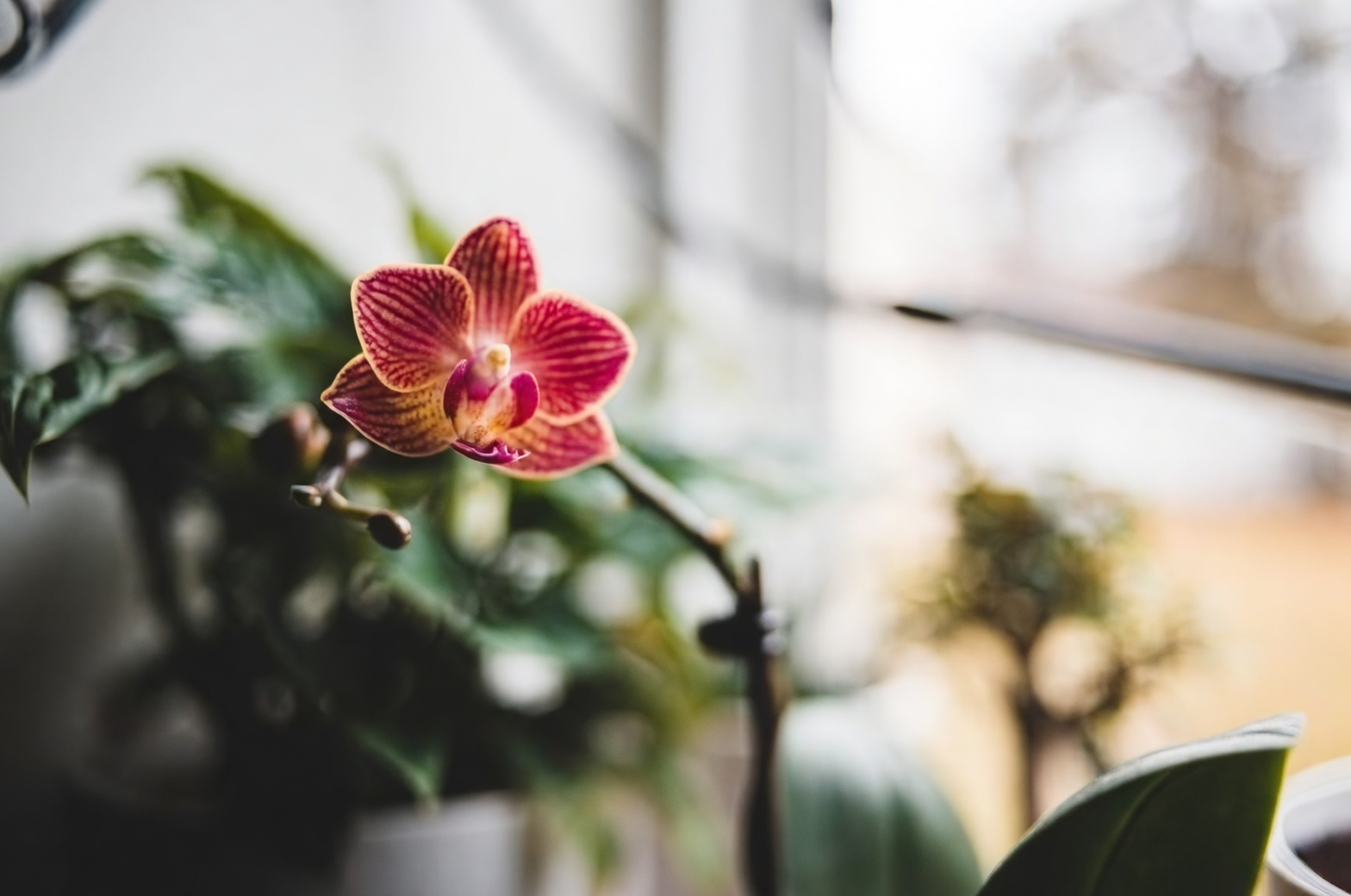
- Healthy Leaves: A light to medium green with perhaps a hint of red at the base. This means your orchid is thriving.
- Dark Green, Drooping Leaves: These suggest your orchid might need more light.
- Bleached or Dark Red Leaves: These are signs of too much light, indicating sunburn.
Enhancing Light Conditions for Optimal Growth
Phalaenopsis orchids are relatively forgiving, but keeping them in the right light conditions is critical for reblooming. Here are a few tips to enhance their environment:
- Use Sheer Curtains: These provide just enough separation from direct sunlight, creating a safe haven for your orchids.
- Rotate Your Plant: Ensure even light distribution by rotating your orchid every few weeks.
- Monitor and Adjust: Use a light meter if you’re a tech-savvy gardener—it’s a great way to measure foot-candles, ensuring your Phalaenopsis receives between 1,000 to 1,600 foot-candles of light.
Nurturing Blooms with Seasonal Adjustments
As winter approaches, the days shorten, which can affect your orchid’s bloom cycle. Here’s how to keep them on track:
- Brightest Spot: During winter, move your orchids closer to a bright window to maximize light exposure.
- Cool Night Cue: Encourage flowering by providing a modest temperature drop in the fall. A night temperature of about 12–15°C (54–59°F) can initiate spike formation without the risk of cold damage.
Conclusion: A Blooming Success
Caring for a Phalaenopsis orchid is like cultivating a tiny slice of the rainforest in your home. With the right light conditions, your moth orchid will not only survive but thrive, rewarding you with long-lasting blooms that speak of elegance and enduring beauty. Whether you’re starting your orchid journey or refining your green thumb, mastering the light will unlock a vibrant display that can brighten any room and any day. So, let your Phalaenopsis bask in the perfect glow and watch as it transforms your space into a blooming paradise.