Transform Your Garden with Coleus: The Art of Companion Planting
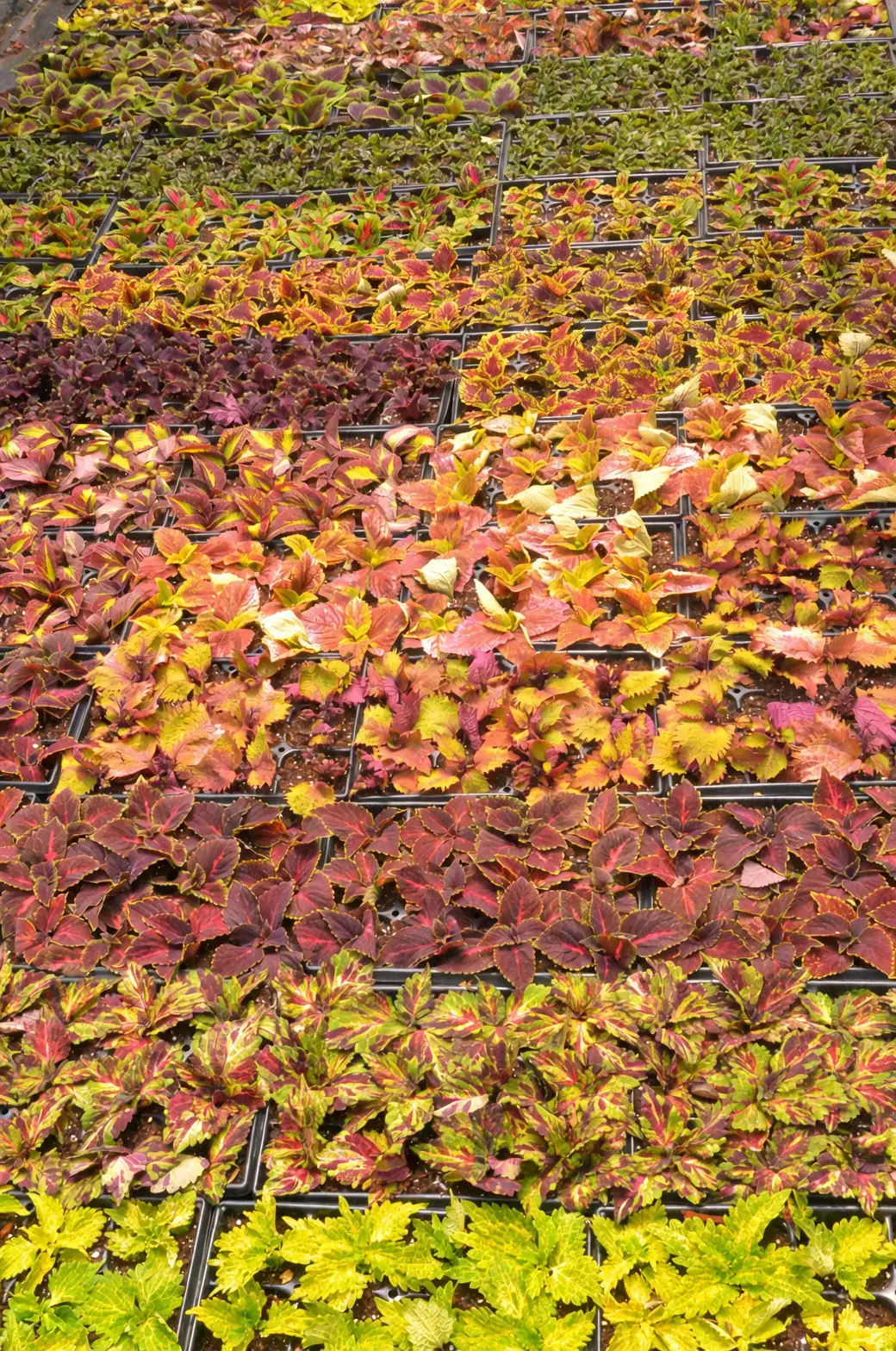
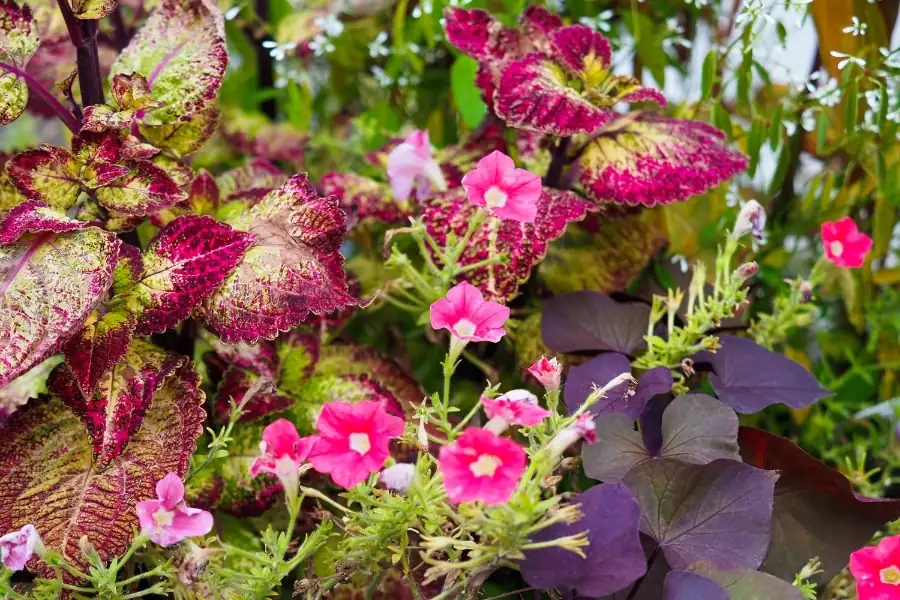
Imagine a canvas bursting with colors—deep burgundy, fiery orange, blush pink, and near-black. Now, picture that canvas alive, swaying gently in the breeze. That’s the magic of Coleus, also known as Plectranthus scutellarioides, a plant celebrated not for its blooms but for its breathtaking foliage. With its vibrant palette, Coleus transforms any garden into a visual masterpiece. But to truly make your garden sing, consider the art of companion planting. Let’s explore which plants pair perfectly with Coleus to create stunning and healthy garden beds.
Why Coleus Deserves a Spot in Your Garden
Coleus, often affectionately called the “Poor Man’s Croton,” is the ultimate “color mixer” plant. Its velvety leaves, often serrated or scalloped, offer a riot of colors that can brighten any shady nook or add drama to containers. Known for its fast-growing nature, Coleus is as versatile as it is vibrant—happy in both indoor and outdoor settings. But this plant doesn’t thrive alone. It’s a social creature, playing well with others to bring out the best in both itself and its companions.
The Perfect Companions: Creating a Garden Symphony
Companion planting with Coleus is all about creating harmony in your garden. The key is to pair it with plants that share similar light and moisture needs while complementing its striking foliage.
Shade-Loving Companions
For those traditional Coleus varieties that thrive in part shade, consider partnering them with:
- Hostas: Their lush, broad leaves provide a textural contrast to the delicate serrations of Coleus.
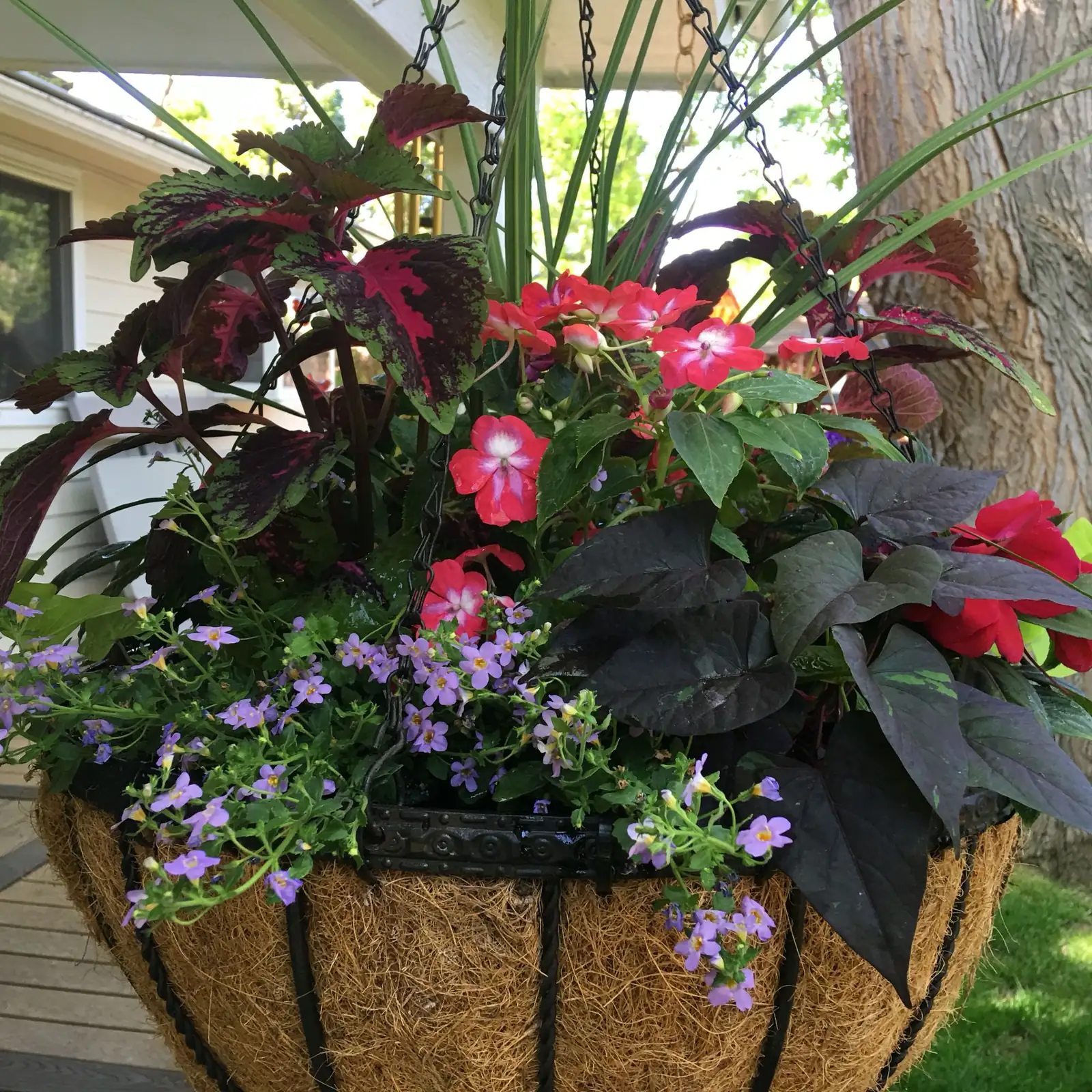
- Impatiens: These shade-loving flowers add a pop of color that echoes the vibrant hues of Coleus.
- Ferns: With their feathery fronds, ferns create a soft backdrop that highlights the boldness of Coleus leaves.
Sun-Tolerant Pairings
Modern cultivars of Coleus can handle full sun, opening up a whole new palette of companions:
- Sweet Potato Vine: Known for its trailing habit, this plant adds a cascading effect that pairs beautifully with upright Coleus.
- Petunias: Their vibrant blooms add a floral dimension to the foliage-centric Coleus.
- Dusty Miller: With silvery foliage, Dusty Miller provides a striking contrast to the bold colors of Coleus.
The Science of Sunlight and Soil
When planting Coleus, understanding its environment is crucial. This plant thrives in loose, well-draining soil with consistent moisture—conditions that many of its companions also appreciate. Whether you’re cultivating a shady corner or a sun-drenched border, ensuring that all your plant choices share similar light and moisture preferences will help them flourish together.
A Garden That Reflects Your Personality
Coleus is more than just a pretty face in the garden. It’s a plant that symbolizes creativity and bold self-expression. In the language of flowers, its dramatic colors have been associated with intense emotions, much like the intense hues it displays. By choosing the right companions, you can create a garden that not only looks beautiful but also tells your personal story.
Practical Tips for Coleus Companions
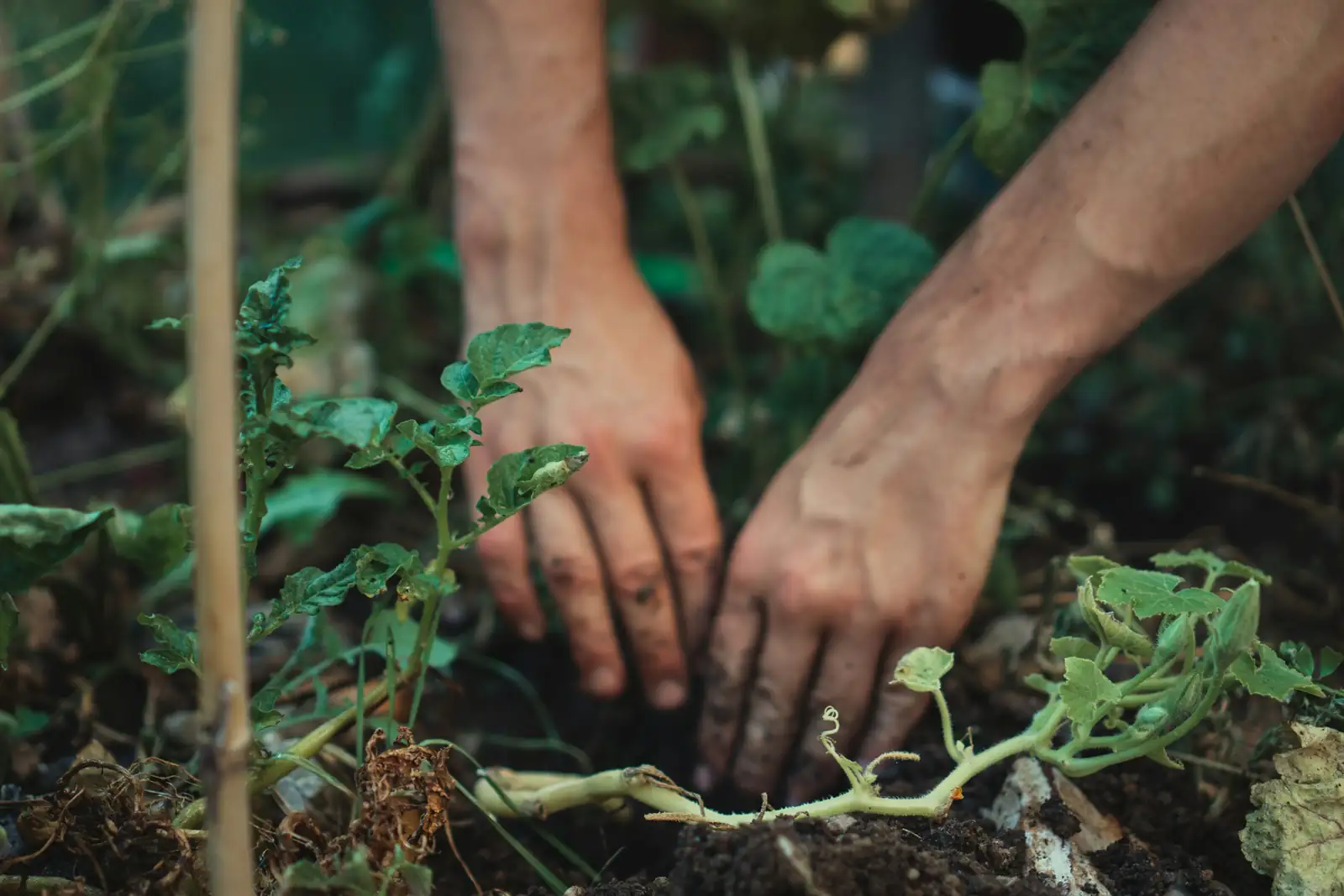
- Pinching and Pruning: Regular pinching encourages bushiness, ensuring that your Coleus remains lush and full. This also helps keep its companions from being overshadowed.
- Fertilization: Use a balanced liquid fertilizer to keep your plants healthy and vibrant, but be cautious of overfeeding—especially with high-nitrogen fertilizers, which can dull the vibrant colors of Coleus.
- Watering: Both Coleus and its companions prefer consistent moisture. Water when the top inch of soil feels dry, but avoid waterlogging.
Closing Thoughts
Inviting Coleus into your garden is like introducing a vibrant new character into a story. It’s a plant that not only stands out with its colorful foliage but also enhances the beauty of its neighbors. By choosing the right companions, you can create a garden that is as harmonious as it is stunning. So, whether you’re a seasoned gardener or just starting, let Coleus and its friends transform your space into a living canvas full of color and life. Who knew gardening could be both an art and a science?