Transform Your Garden with Nepeta cataria: A Natural Ally Against Pests and a Pollinator Magnet
Imagine a garden that’s not only lush and full of life but also a bustling haven for pollinators and free from pesky insect invaders. Enter Nepeta cataria L., commonly known as catnip—a plant that’s more than just a playground for your feline friends. Let’s delve into how this versatile herb can elevate your gardening game.
A Friend to Your Veggie Patch
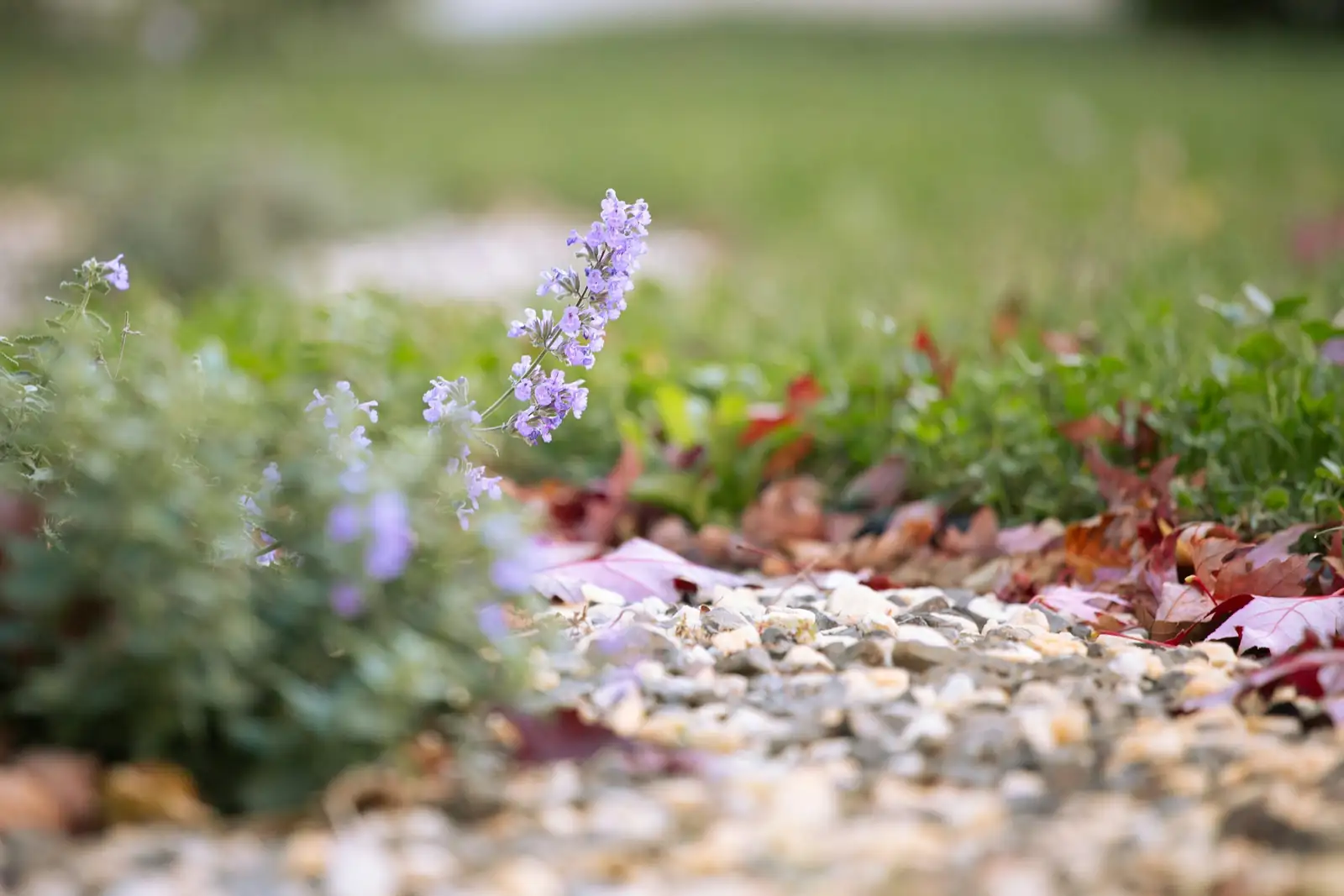
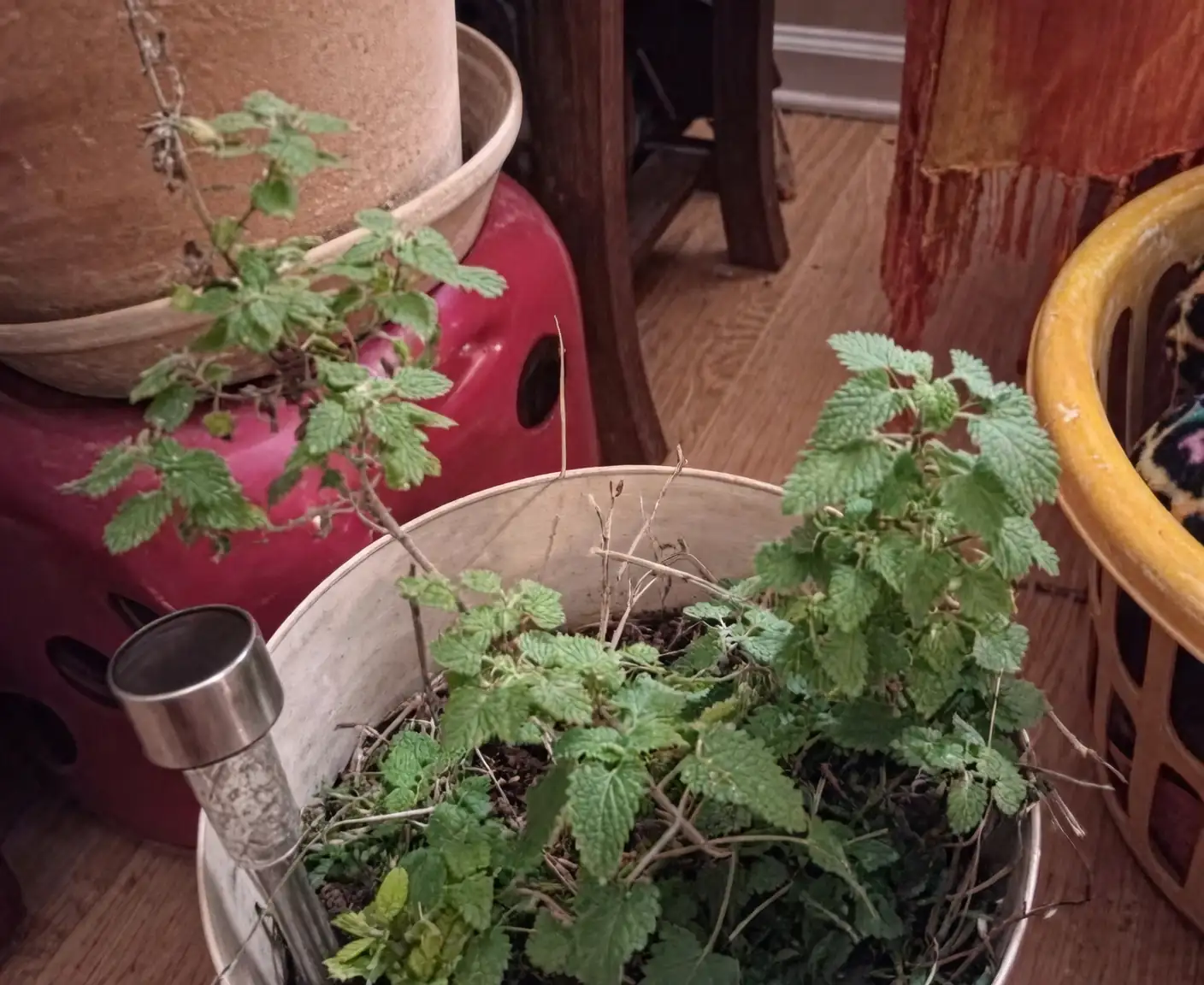
Nepeta cataria, or catnip, is a member of the Lamiaceae family, famed for its aromatic properties and a delightful addition to any garden. With its gray-green, minty leaves and delicate white flowers, catnip doesn’t just add a visual appeal; it plays a critical role in companion planting.
Pest Repellent Extraordinaire
Catnip is a natural powerhouse when it comes to deterring unwanted pests. Its pungent oils are a bane to many garden nuisances, including:
- Aphids: Those tiny sap-suckers don’t stand a chance against the aromatic barrier catnip provides.
- Flea Beetles and Cabbage Loopers: Protect your collard greens and other leafy vegetables from their destructive tendencies.
- Squash Bugs and Colorado Potato Beetles: Keep them at bay and save your pumpkins and potatoes from infestation.
Even more impressively, catnip can repel larger pests such as mice and voles, keeping your vegetable garden safe from their nibbling advances.

The Catnip-Pollinator Connection
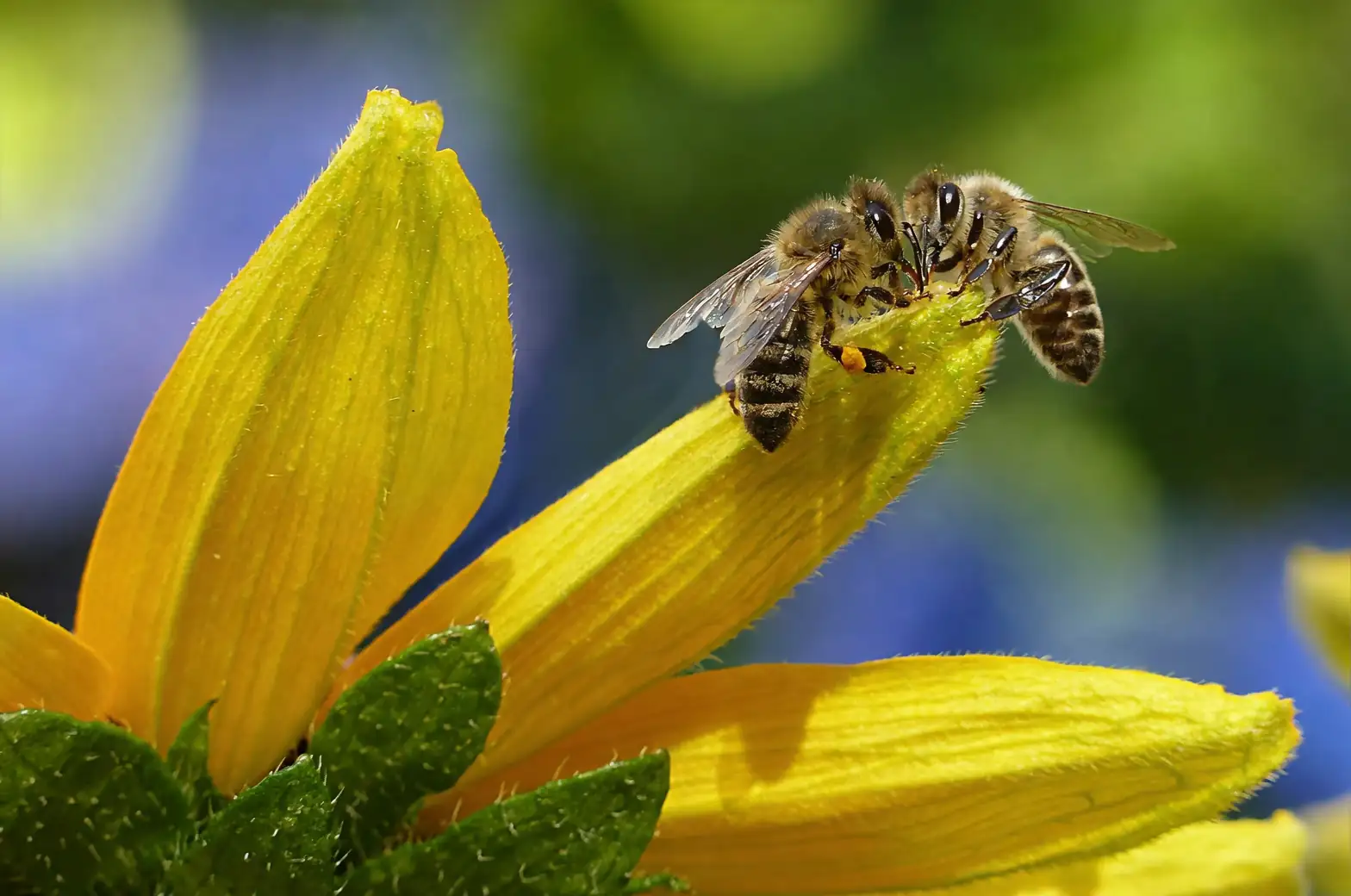
While catnip’s scent might repel certain pests, it has the opposite effect on pollinators. Its flowers are a rich nectar source, attracting bees and butterflies, essential players in the pollination of your garden’s crops. This dual role makes catnip a superstar in sustainable gardening—acting as both protector and promoter of plant health.
Planting Strategy: A Balancing Act
While catnip offers a plethora of benefits, it can be a bit of a garden rebel, spreading rapidly and taking over if not kept in check. Here’s how to employ it effectively:
- Container Planting: Plant catnip in containers and bury these in your garden. This controls its spread while still allowing it to do its job.
- Borders and Barriers: Use catnip as a garden border to divert cats and keep them from digging up your precious plants.
- Companion Plant Pairings: Pair catnip with beets, broccoli, and cauliflower to form a natural defense team against pests.
Beyond the Garden: Catnip’s Other Charms
Catnip is not just for the garden; it has a rich history and a host of uses beyond pest control. Historically, it was a staple in European folk medicine, brewed into teas to calm the mind and soothe digestive woes. Its association with joy and comfort extends to a symbolic level, where it evokes a sense of calm and cozy love, akin to cuddling up with a beloved feline.
Harvesting and Storing Catnip
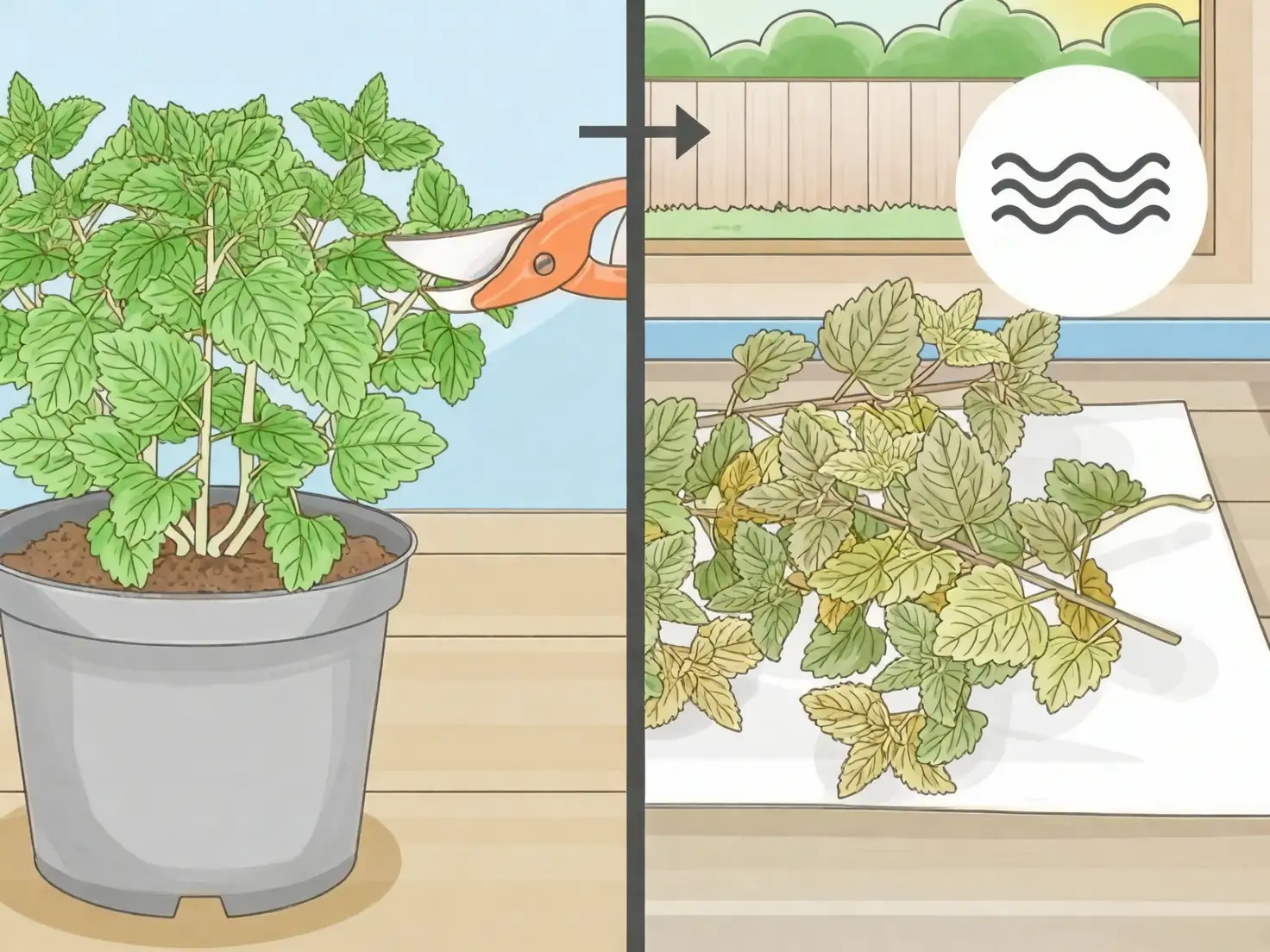
For those looking to make the most of catnip’s aromatic properties, harvesting is straightforward. Pick during its bloom for maximum potency, ideally in the late morning after dew has evaporated. Dry the stems in a dark, airy space, crumble, and store in airtight containers to preserve their scent and efficacy.
Conclusion: The Botanical Marvel
Integrating catnip into your gardening arsenal offers a natural, effective way to enhance your garden’s health and vitality. Whether you’re luring beneficial pollinators or warding off unwelcome pests, Nepeta cataria proves itself an invaluable ally—one that delights cats and gardeners alike. So, why not let this marvelous mint-family perennial work its magic in your garden? Your veggies will thrive, and your feline friends will thank you!