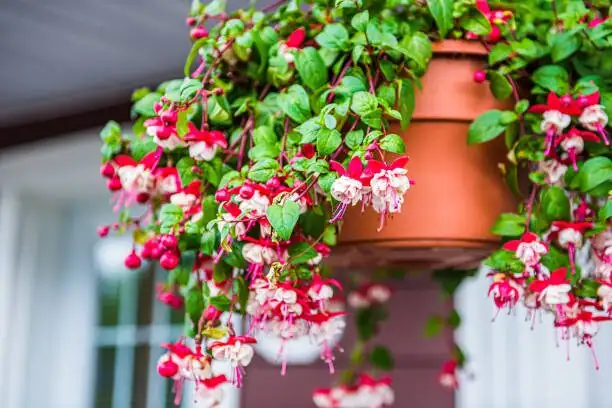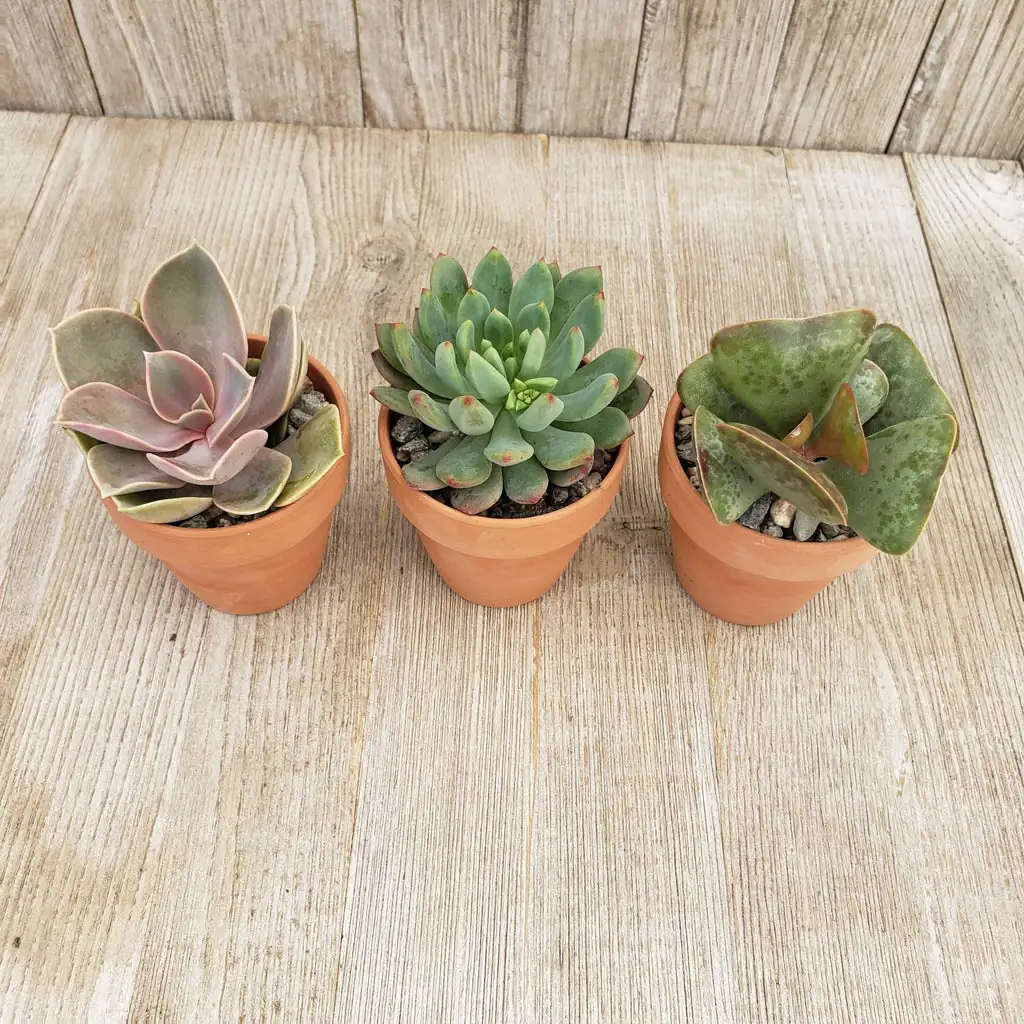
Deciding between clay and plastic pots can feel like a big decision when you’re nurturing your leafy friends. Both materials have their own unique charms and challenges, especially when it comes to water absorption. Let’s dive into the nitty-gritty of clay versus plastic pots to find out which one suits your plant’s watering needs best.
The Thirsty Truth About Clay Pots
Clay pots, often made of terracotta, are a classic choice for many gardeners. Here’s why they might be the perfect home for your plants:
Pros of Clay Pots
- Water Absorption: One of the standout features of clay pots is their porosity. This means they can absorb excess moisture from the soil, which is great for plants that prefer drier conditions. If you tend to overwater, clay pots can act like a safety net, helping to prevent root rot by allowing excess water to evaporate.
- Breathability: The porous nature of clay also promotes airflow, which helps root systems breathe and grow healthier. This makes clay pots ideal for succulents, cacti, and other plants that thrive in well-drained soil.
- Stability and Insulation: The weight of clay provides stability, so your pots are less likely to tip over. Clay also offers good insulation, protecting roots from rapid temperature changes, which is particularly beneficial for outdoor plants.
Cons of Clay Pots
- Frequent Watering Needed: Because clay pots wick moisture away, they require more frequent watering for plants that love moist soil, like ferns and African violets.
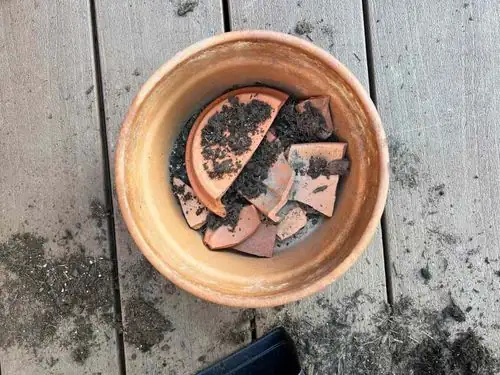
- Fragility: Clay pots can chip or crack easily, so handle them with care, especially during colder months when they might be more brittle.
The Lowdown on Plastic Pots
Plastic pots have surged in popularity due to their lightweight and durable nature. Here’s why they might be the right fit for your plants:
Pros of Plastic Pots
- Water Retention: Unlike clay, plastic pots do not absorb water. This makes them ideal for plants that need consistently moist soil. If you forget to water occasionally, plastic pots are forgiving because they retain moisture longer.
- Lightweight and Durable: Perfect for larger plants or hanging baskets, plastic pots are easy to move around and less likely to break if dropped.
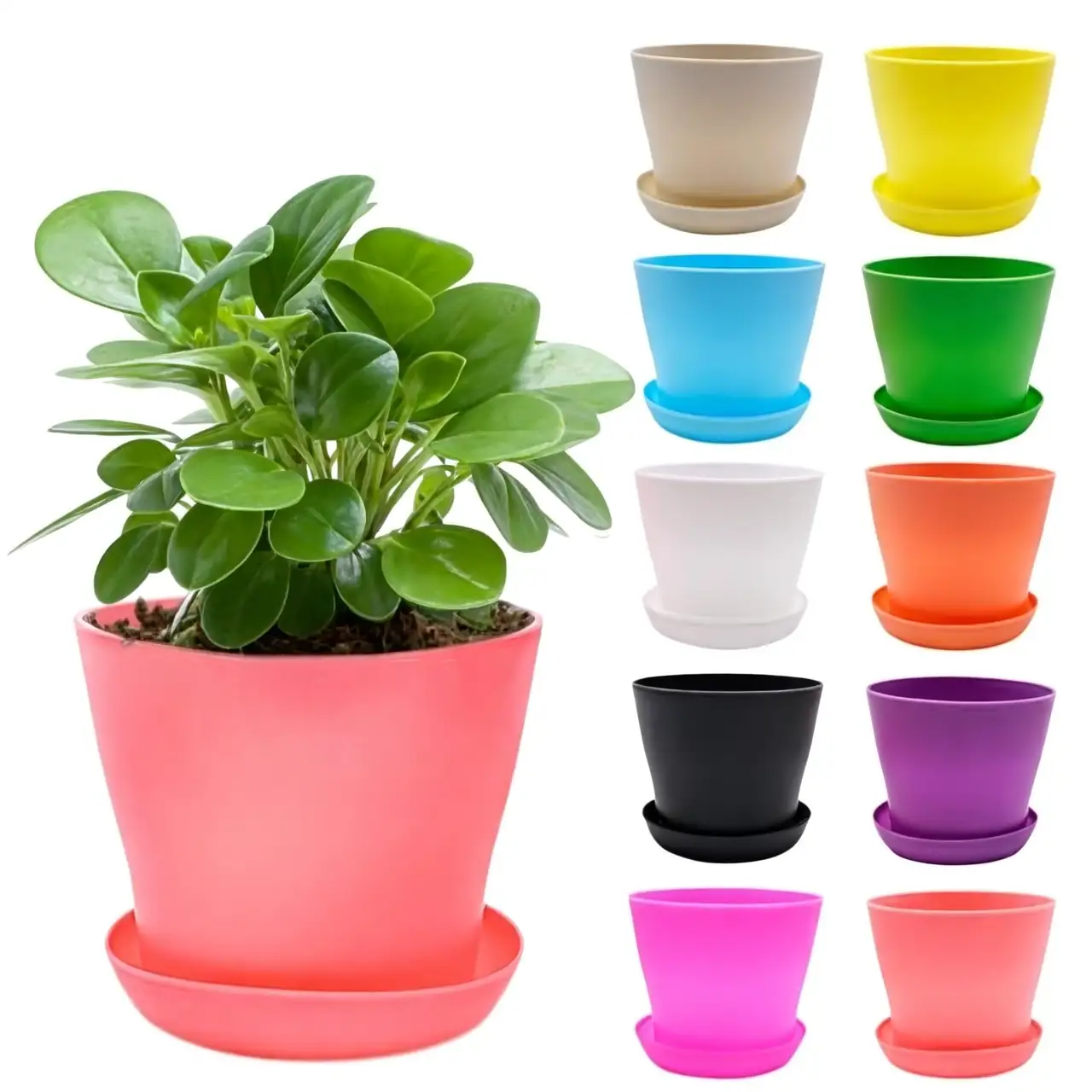
- Variety and Cost: Plastic pots come in a wide array of colors and styles, and they’re usually more budget-friendly than clay.
Cons of Plastic Pots
- Lack of Breathability: The non-porous nature of plastic means less airflow to the roots, which can lead to root rot if overwatering occurs. Always ensure your plastic pot has drainage holes.
- Environmental Impact: Plastic isn’t biodegradable, raising concerns about its environmental footprint. Consider recycling or upcycling old plastic pots to mitigate this issue.
Making the Right Choice
Choosing between clay and plastic pots largely depends on your plant’s specific needs and your watering habits. Here are a few tips:
- For Dry-Loving Plants: Opt for clay pots if you’re growing succulents, cacti, or Mediterranean herbs like rosemary and thyme. These plants will benefit from the faster drying nature of clay.
- For Moisture-Loving Plants: Choose plastic pots for ferns, peace lilies, and tropical plants that thrive in consistent moisture. You’ll save time and effort with less frequent watering.
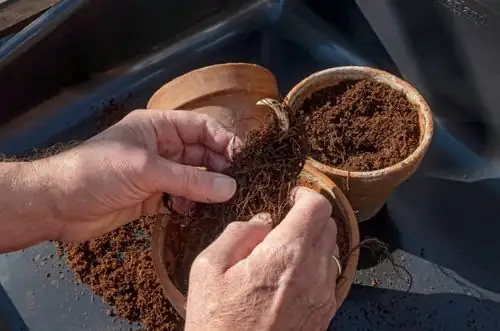
- For Beginners: If you’re just starting out and worried about overwatering, clay pots can provide a forgiving environment as you learn the ropes.
Ultimately, the best pot for your plant also depends on your personal style and home environment. Whether you go for the artisanal charm of clay or the practical versatility of plastic, understanding your plant’s water absorption needs will help you make the right decision. Happy planting!