Whether you’re a green-thumbed gardener or just getting started with houseplants, choosing the right pot for your plant is key to ensuring your leafy friends thrive. But with a dizzying array of options, how do you decide between plastic and ceramic pots? Let’s uncover the pros, cons, and care tips for each, so you can find the perfect home for your plants.
Understanding the Basics
Ceramic Pots: A Classic Choice
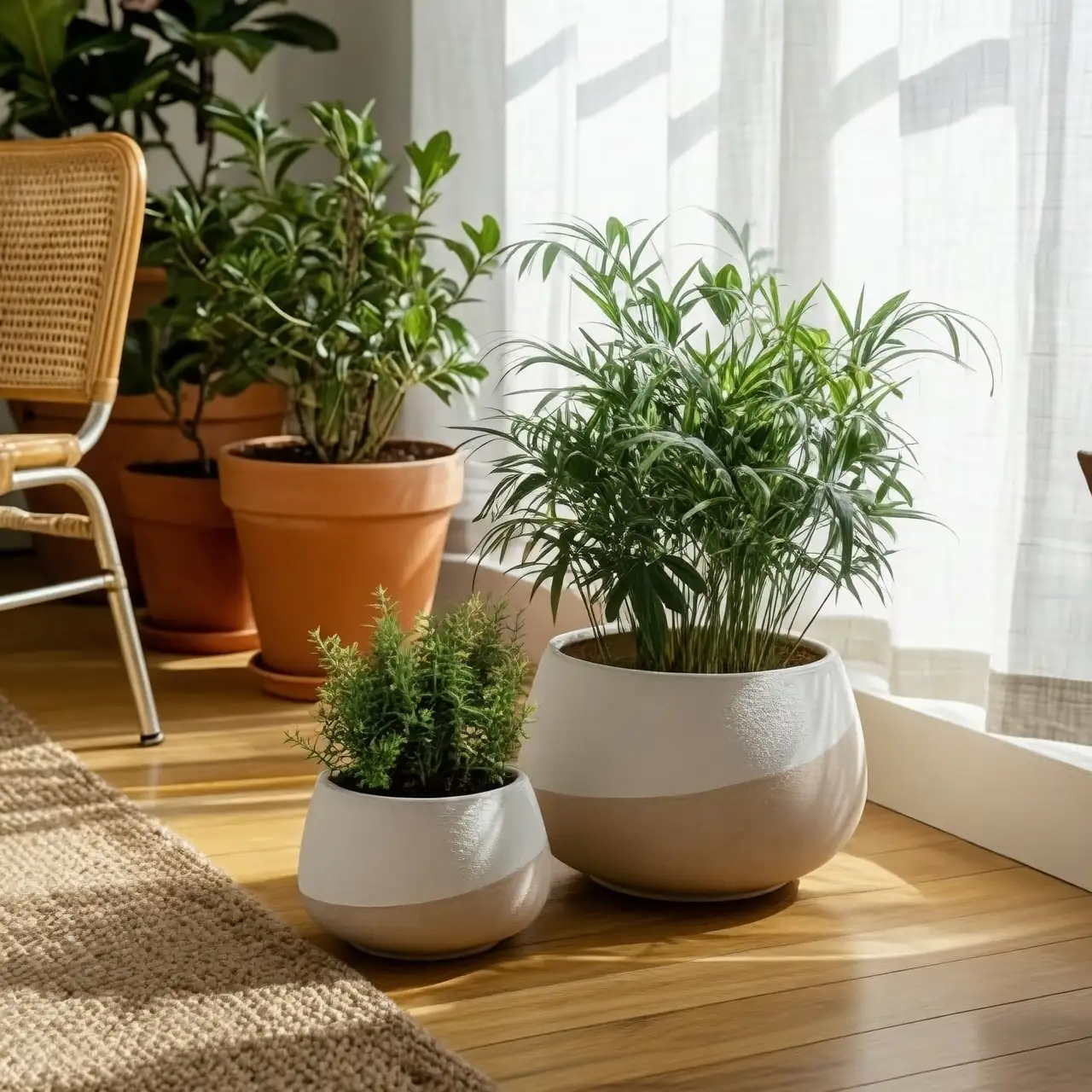
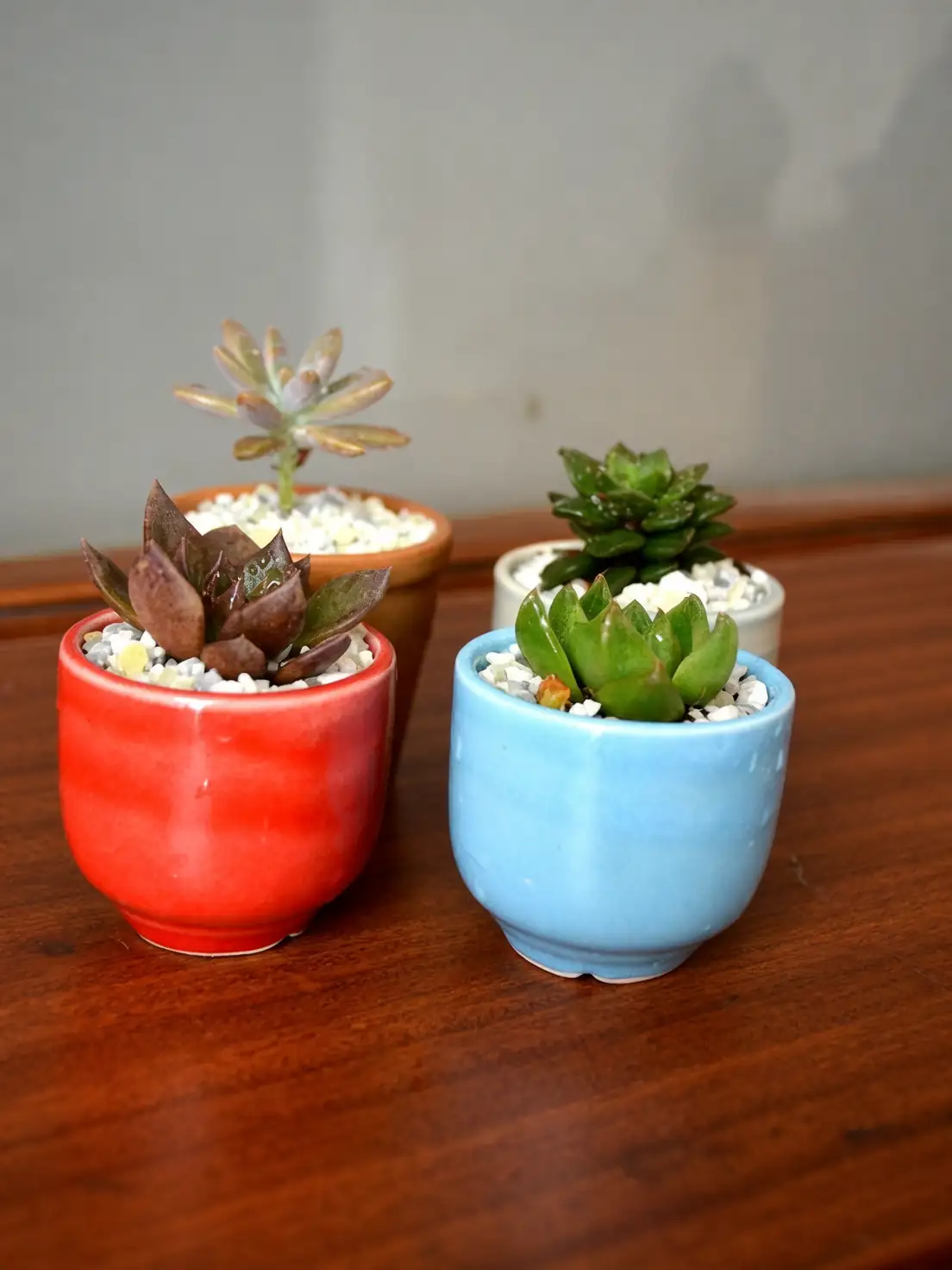
Ceramic pots are what you think of when you picture a classic, elegant plant display. Made from kiln-fired clay, they come in two main types: glazed ceramic and terra cotta. Glazed ceramics have a shiny finish that helps retain moisture, while terra cotta pots are more porous, allowing the soil to dry out faster.
Plastic Pots: Modern and Versatile
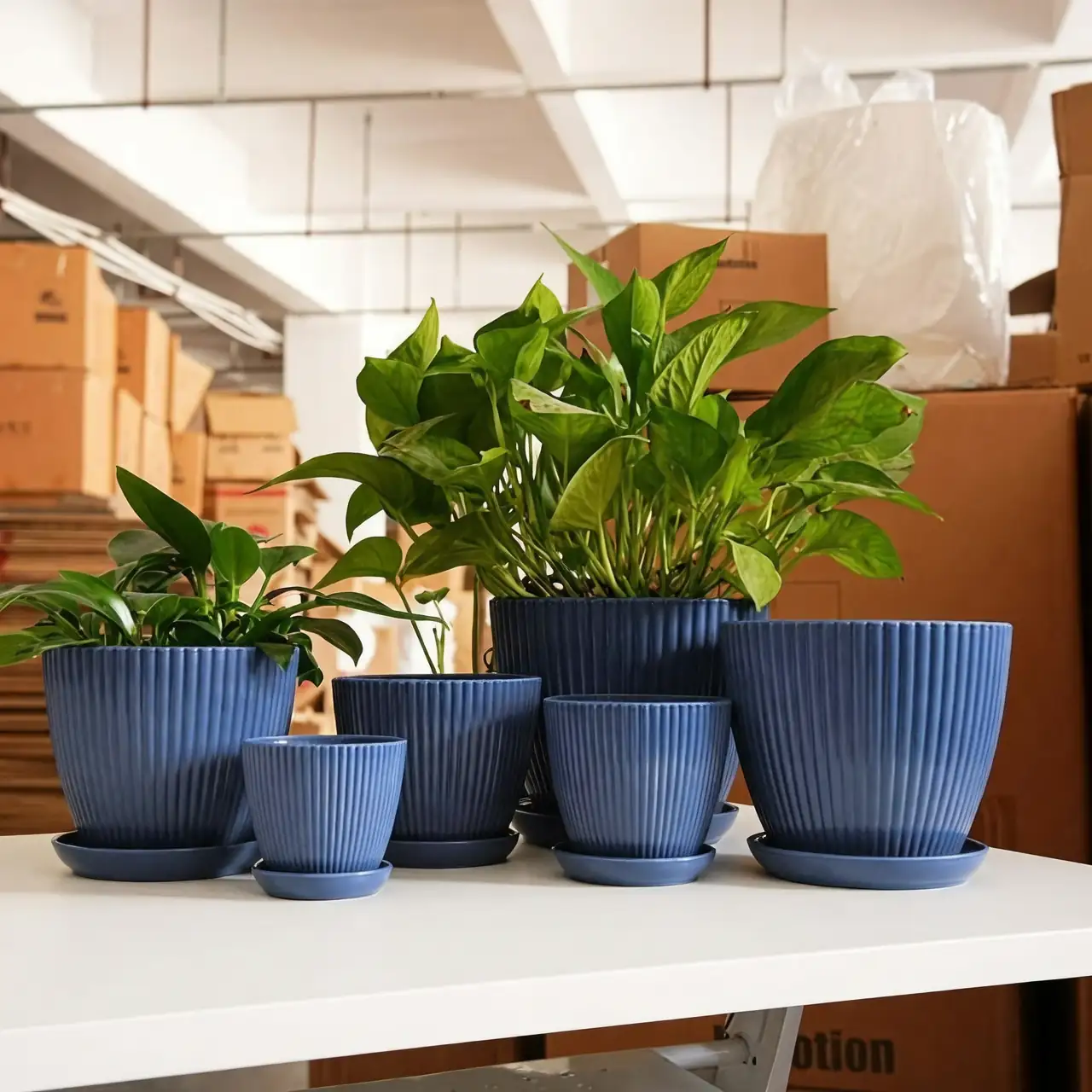
Plastic pots, usually made from polyethylene or polypropylene, boast a wide array of colors and designs. They’re lightweight and durable, making them a practical choice for both indoor and outdoor settings.
Pros and Cons: What to Consider
Durability and Longevity
- Ceramic Pots: These can last for decades if handled with care. However, they are prone to breaking if dropped.
- Plastic Pots: More resistant to impacts and less likely to shatter, plastic pots can withstand rough handling and still last many years.
Moisture and Insulation
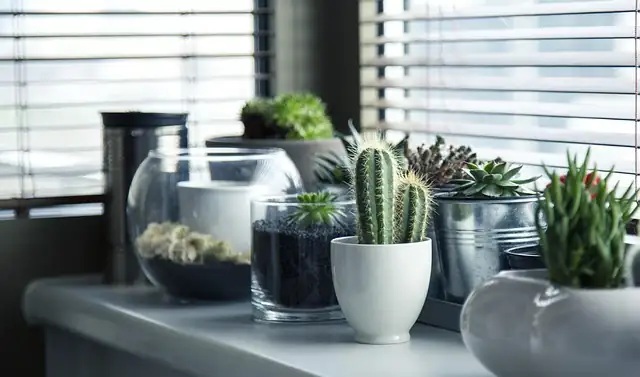
- Ceramic Pots: Offer better insulation and breathability, which helps in preventing root rot. Perfect for plants that prefer drier soil, like succulents and cacti.
- Plastic Pots: Retain moisture more effectively, making them ideal for water-loving plants such as ferns and orchids.
Aesthetic Appeal
- Ceramic Pots: Renowned for their artisanal beauty, they bring a touch of elegance to any space. Ideal for decorative purposes where the pot is as much a feature as the plant.
- Plastic Pots: Although they may lack the classic charm, they offer a broader range of colors and styles to fit any decor theme.
Practical Care Tips
For Ceramic Pots
- Watering: Be mindful of their weight when filled with soil and water, and ensure they have drainage holes to prevent waterlogging.
- Placement: Best kept indoors or in a sheltered area to avoid accidental breakage from harsh weather conditions.
For Plastic Pots
- Mobility: Their light weight makes them easy to move around, which is great for chasing sunlight or rearranging your garden.
- Maintenance: Keep an eye on the moisture levels, especially in humid climates, to prevent overwatering.
Making Your Decision
Choosing between ceramic and plastic pots largely depends on your plant’s needs and your personal preferences. For instance, if you have a cactus that loves dry feet, a porous terra cotta could be your best bet. On the other hand, if you’re growing moisture-loving indoor plants, a plastic pot might serve you better.
Common Mistakes to Avoid
- Ignoring Drainage: Always ensure your pots have adequate drainage to prevent root rot.
- Overwatering or Underwatering: Pay attention to the specific watering needs of your plant, which can be influenced by the type of pot used.
In the end, the right pot will complement both your decor and your plant’s health, ensuring that your indoor garden remains a lush, thriving oasis. Happy potting!