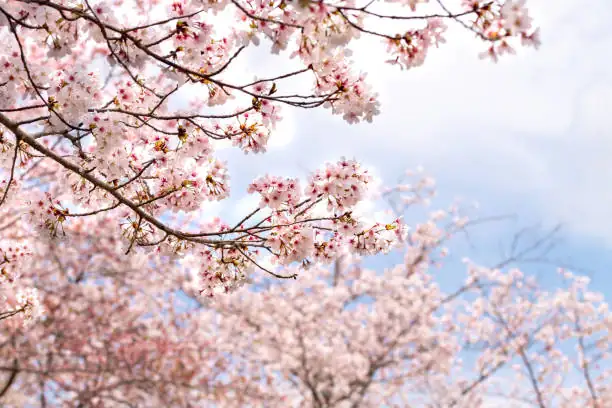
Cherry blossoms, scientifically known as Prunus subg. Cerasus, are the epitome of ephemeral beauty. Their breathtaking blooms transform the landscape into a dreamlike sea of pink and white, a spectacle heralding the arrival of spring. However, just like any celebrity of the plant kingdom, cherry blossoms have their share of challenges. This article explores the common pests and diseases that can affect these beloved trees and provides practical strategies to ensure your cherry blossoms remain healthy and vibrant.
Common Pests and Diseases
Leaf Spot and Powdery Mildew
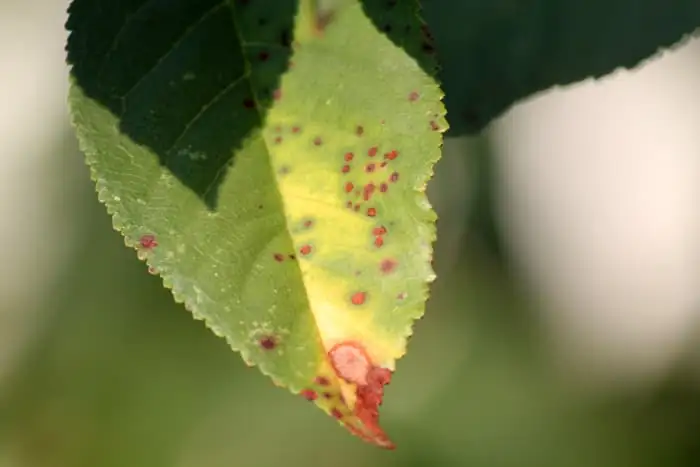
Cherry blossoms often face the wrath of fungal diseases such as leaf spot and powdery mildew. These diseases manifest as unsightly spots on the leaves, which can lead to premature defoliation. Picture this: your cherry tree, ready to put on its grand springtime display, hampered by a coat of dusty white powder or pockmarked leaves. Leaf spot, caused by various fungi, is a common adversary, leaving circular, discolored spots on the leaves. Meanwhile, powdery mildew is notorious for its white, powder-like coating that spreads across leaves and stems.
Prevention and Treatment:
- Cultural Practices: Ensure good air circulation around your trees by pruning to open up the canopy. This helps reduce the humid conditions that fungi love.
- Chemical Controls: If necessary, apply fungicides that are safe for ornamental trees as a preventive measure during the early growing season.
Black Knot
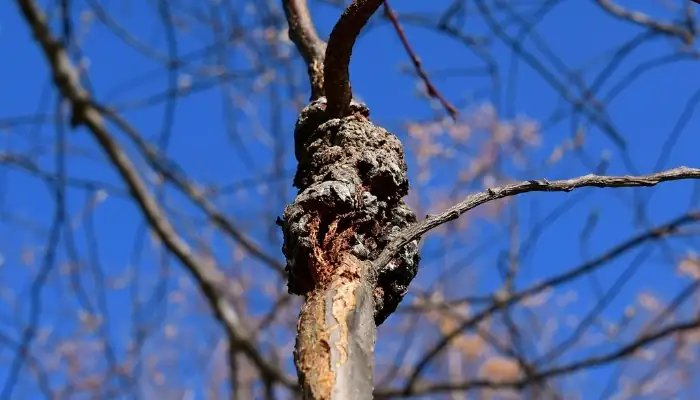
Black knot is like the unwanted tattoo on your cherry tree’s branches—unsightly and persistent. This fungal disease causes hard, black swellings on branches and twigs, which can eventually girdle and kill them. If left unchecked, these knots can spread, compromising the tree’s health and beauty.
Prevention and Treatment:
- Pruning: Prune out the infected branches at least 3-4 inches below the knot during the dormant season, and always sterilize your tools between cuts.
- Disposal: Burn or bury the infected material to prevent the spread of spores.
Aphids and Borers
Aphids are tiny, sap-sucking insects that can turn the tender leaves of your cherry blossoms into a sticky mess. Meanwhile, borers tunnel into the wood, weakening the tree and making it susceptible to further damage. These pests can turn your garden’s star performer into a shadow of its former self.
Prevention and Treatment:
- Natural Predators: Encourage beneficial insects like ladybugs to keep aphid populations in check.
- Physical Barriers: Use tree wraps to protect against borers.
- Chemical Controls: In severe cases, insecticidal soaps or horticultural oils can be applied.
Keeping Cherry Blossoms Healthy
Site Selection and Planting
The first step in ensuring your cherry blossoms thrive is proper site selection. These trees prefer full sun and well-drained, slightly acidic to neutral soil. Avoid areas prone to waterlogging, as this can lead to root rot, a sneaky villain that attacks from below.
Watering and Fertilization
Cherry blossoms have a shallow root system, so they need consistent moisture, especially during dry spells. However, avoid overwatering, as this can exacerbate root diseases. A slow-release fertilizer in spring can support healthy growth, but be cautious with nitrogen-heavy feeds, which can make the tree more susceptible to pests.
Pruning and Maintenance
Pruning isn’t just about keeping your cherry tree looking its best; it’s also a critical health measure. Remove dead, diseased, or crossing branches to improve airflow and light penetration. This not only helps prevent fungal diseases but also encourages a more robust bloom.
Monitoring and Quick Response
Regularly inspect your cherry trees for signs of pests and diseases. The earlier you catch an issue, the easier it will be to manage. Keep an eye out for changes in leaf color, unusual growths, or sticky residues.
A Floral Symbol of Hope and Renewal
Cherry blossoms are more than just a floral phenomenon; they’re a symbol deeply intertwined with cultural significance. In Japan, the tradition of hanami, or flower viewing, celebrates the fleeting beauty of these blooms, reminding us to appreciate the present. It’s a gentle nudge to pause, breathe, and savor the moment, much like the short-lived blossoms themselves.
By understanding and addressing the challenges posed by pests and diseases, you can ensure that your cherry blossoms continue to enchant and inspire. With a little care and attention, these trees can remain a testament to nature’s most delicate and beautiful expressions. So, roll up your sleeves, arm yourself with knowledge, and let your cherry blossoms thrive, turning each spring into a celebration of life and renewal.