Unraveling the Quirky World of Malva sylvestris: The Common Mallow
Prepare to dive into the whimsical world of Malva sylvestris, a plant that’s as delightful as it is versatile. Known affectionately by a myriad of nicknames, including the charming ‘cheeseweed,’ this plant has more surprises up its leafy sleeves than you might imagine. From its culinary connections to marshmallows to its funky cheese-shaped seed pods, the Common Mallow is a botanical wonder that deserves a closer look.
A Flower by Many Names
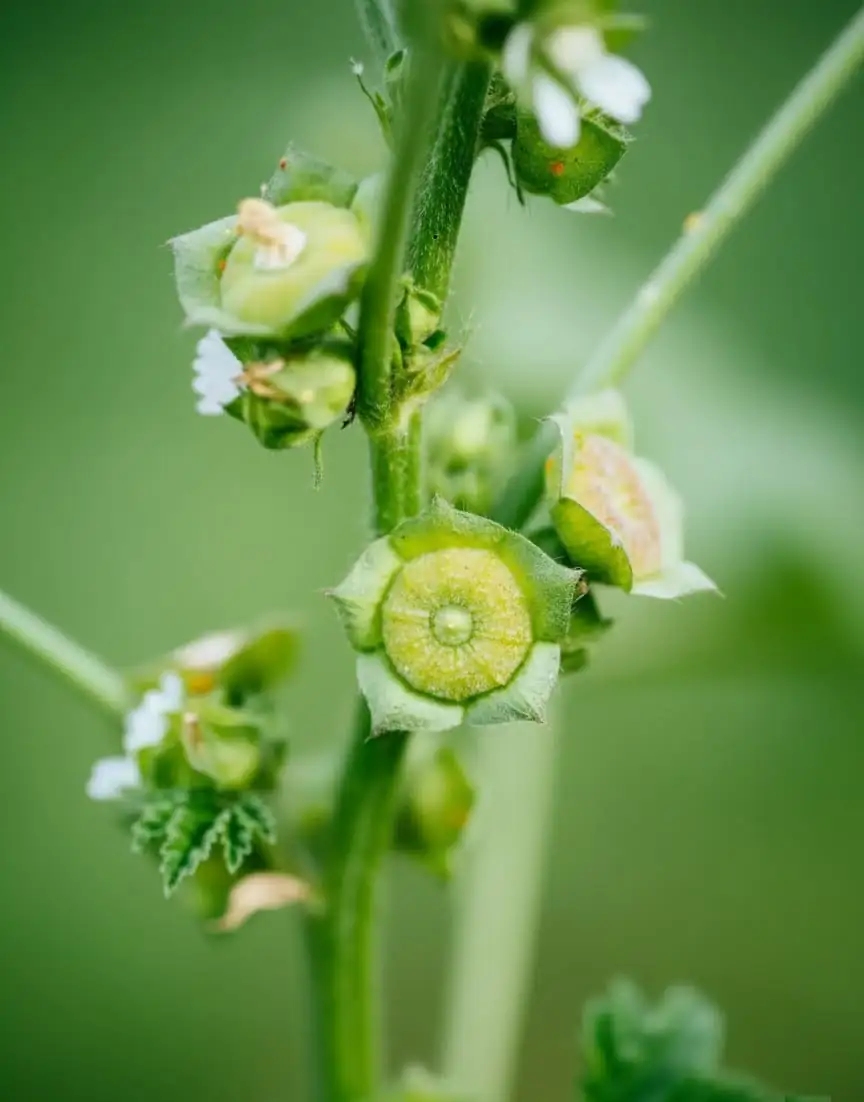
Common Mallow is a bit like that friend you know by a dozen different nicknames—each one reflecting a different facet of their personality. Known as Blue Mallow, Cheese Flower, or simply Cheese Plant, this unassuming plant has a moniker for every occasion. But why ‘cheeseweed’? It’s all about the fruit! The seed pods resemble tiny wheels of cheese, which is not just endearing but also a handy way to identify the plant in the wild.
The Great Marshmallow Connection
Did you know that Malva sylvestris shares a family tree with the marshmallow plant? Yes, those sweet, fluffy confections we love to toast over a campfire have botanical origins in the Malvaceae family. While today’s marshmallows are more about gelatin than plant sap, the original treats were inspired by the mucilaginous extracts of plants like Common Mallow. So, next time you enjoy a s’more, give a nod to the mallow family!
A Love Affair with Gardens Everywhere
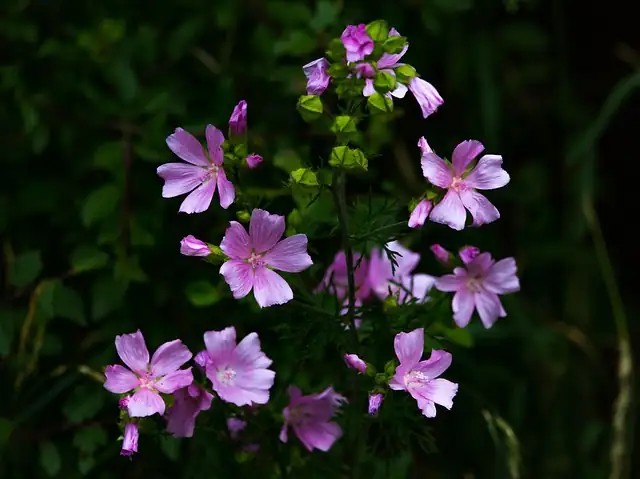
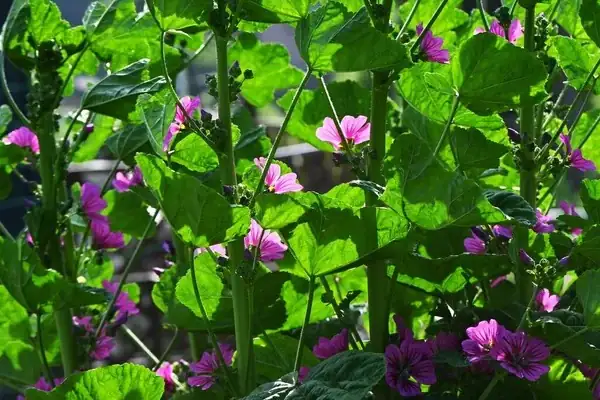
Common Mallow isn’t just a feast for the eyes with its satiny, rose-purple blooms. It’s also a gardener’s dream—easy to grow, drought-tolerant, and cold-hardy. Whether you’re a seasoned gardener or a green-thumbed newbie, this plant is the perfect pick for adding a splash of color to your garden beds or wildflower meadows. It flourishes in full sun to part shade, rewarding you with a generous display of flowers from late spring to autumn.
Edible Elegance
Beyond its ornamental appeal, Common Mallow is a culinary gem. The leaves and flowers are edible, adding a touch of nature’s bounty to salads or cooked dishes. With its mild flavor and rich history as a traditional soothing herb, it’s no wonder this plant was once revered as a famine food and a staple in old-world remedies.
Flower Language: Love, Protection, and Healing
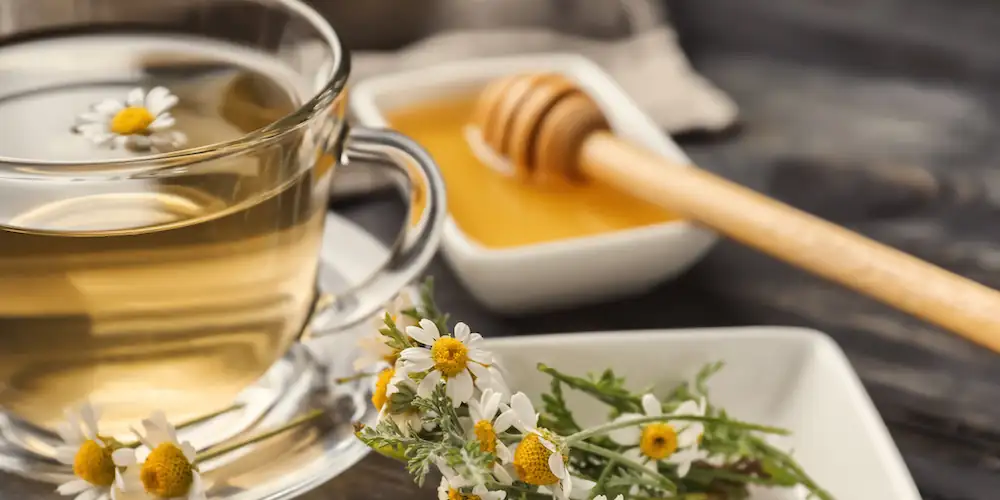
In the Victorian era, the language of flowers was all the rage, and Common Mallow had its own message to convey—being “consumed by love.” Its association with love and healing stems from its historical use in folk medicine, where it was cherished for its soothing properties. Imagine sipping mallow tea, sweetened with honey, as a traditional comfort for a scratchy throat. It’s like a warm hug from nature itself.
Caring for Your Mallow
Caring for Common Mallow is as easy as pie. Water it regularly when young, then let it fend for itself a bit as it matures. A light annual feed in spring or fall is all it needs to keep blooming beautifully. If you’re looking to keep things tidy, deadheading spent blooms will not only prolong flowering but also help manage its enthusiastic self-seeding tendencies.
A Few Fun Facts
- Cheese-Shaped Seed Pods: Those little seed pods might look like cheese, but they’re all plant. Still, it’s a fun way to see nature’s creativity at work!
- Mucilaginous Marvel: Like its cousin okra, Common Mallow has a slightly slimy texture, perfect for thickening soups or even as a vegan egg white substitute.
- Wildlife Wonder: Bees, butterflies, and even caterpillars love Common Mallow, making it a great addition to a wildlife-friendly garden.
In the grand tapestry of nature, Malva sylvestris stands out as a plant with both charm and utility. Whether you’re munching on its edible leaves, marveling at its cheese-like seed pods, or simply enjoying its vibrant blooms, Common Mallow is a delightful companion in any garden. So why not invite a touch of whimsy and a splash of history into your garden with this marvelous mallow?