Embracing the Charm of Catnip: A Beginner’s Guide to Growing Nepeta cataria L.
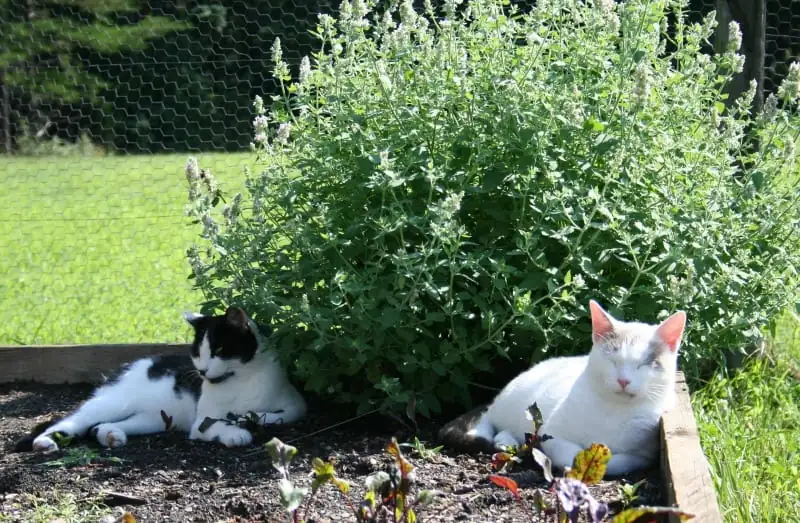
Imagine a garden where your feline friends frolic with joy, pollinators buzz with glee, and you can enjoy a calming herbal tea made from your own plants. Welcome to the world of Nepeta cataria L., commonly known as catnip. This delightful plant is not just a treat for cats, but a low-maintenance addition to your garden that rewards you with aromatic foliage and a flurry of pollinators.
Understanding Catnip’s Allure
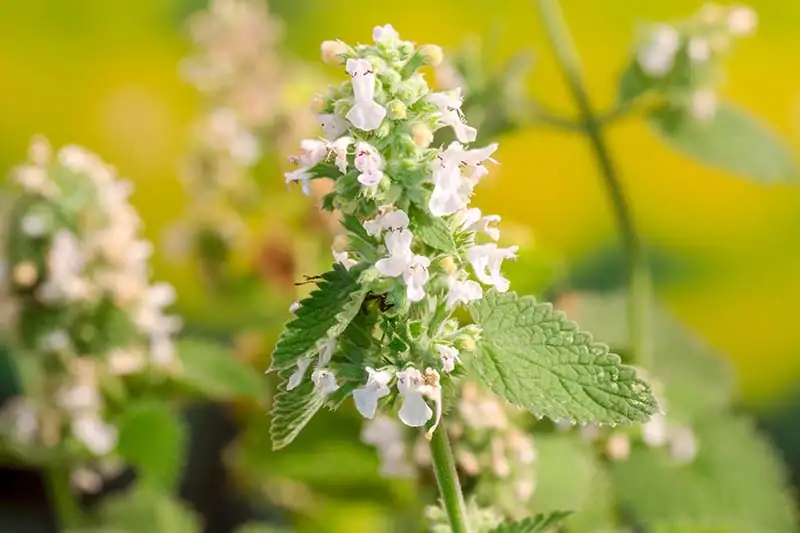
Catnip, affectionately known as catmint, is a member of the mint family, Lamiaceae. Native to Europe, Southwestern and Central Asia, and North Africa, this perennial herb has won hearts worldwide, including in North America, where it has become a beloved addition to many gardens. With its gray-green, slightly fuzzy leaves and clusters of small white flowers accented with pale purple, catnip is both visually appealing and functional.
Sunlight and Soil: Setting the Stage
Catnip thrives in full sun, needing at least six hours of direct sunlight per day. However, if you’re in a particularly hot climate, a bit of afternoon shade will help prevent the plant from getting stressed. The plant is quite forgiving when it comes to soil conditions. It prefers well-drained sandy or loamy soil but can tolerate a wide pH range from slightly acidic to alkaline. To keep your catnip happy, ensure the soil is not waterlogged, as this can lead to root rot.
Watering Wisdom
Once established, catnip is drought-tolerant, making it a great choice for gardeners who might occasionally forget to water. During its early growth stages, keep the seedlings lightly moist. For mature plants, water deeply only when the soil has dried out a bit, especially in prolonged dry spells. A good rule of thumb is to avoid overwatering to prevent root rot.
Seasonal Care and Maintenance
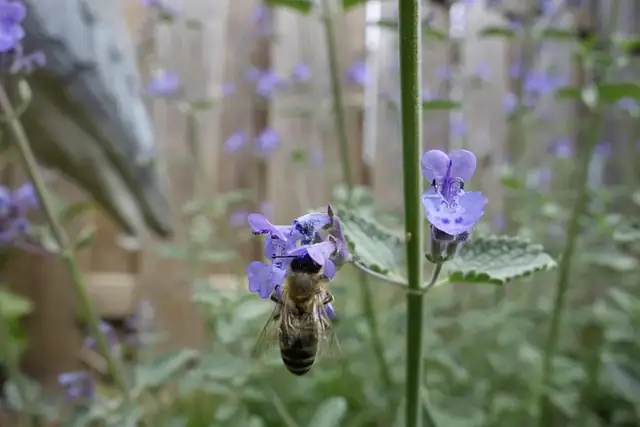
Spring is the perfect time to start your catnip seeds indoors, about 6–8 weeks before the last frost date. Once the danger of frost has passed, you can move them outdoors. During spring, consider pinching the tips of your plant to encourage bushier growth. In summer, catnip will likely be in full bloom, attracting bees and beneficial insects. Deadhead spent flowers to extend blooming and reduce self-seeding.
As fall approaches, reduce watering and prepare for a final harvest. After the first hard frost, cut the stems back to a few inches above the soil. In winter, the plant will go dormant, so keep it dry and avoid fertilization.
Propagation Pointers
Catnip is easy to propagate, whether from seeds, cuttings, or division. Seeds can be started indoors or directly sown outdoors after the last frost. For cuttings, take 4–6 inch stem cuttings in spring or early summer and root them in water or a moist potting mix. Division of established clumps can be done in spring or fall to rejuvenate your plants and expand your catnip garden.
Pest and Problem Prevention
Catnip is generally tough and trouble-free. Still, it can occasionally fall prey to aphids, spider mites, and whiteflies. These can usually be managed with a strong spray of water or insecticidal soap. In damp conditions, be on the lookout for powdery mildew or leaf spot, which can be mitigated by ensuring good airflow and avoiding overhead watering.
Bringing Catnip Indoors
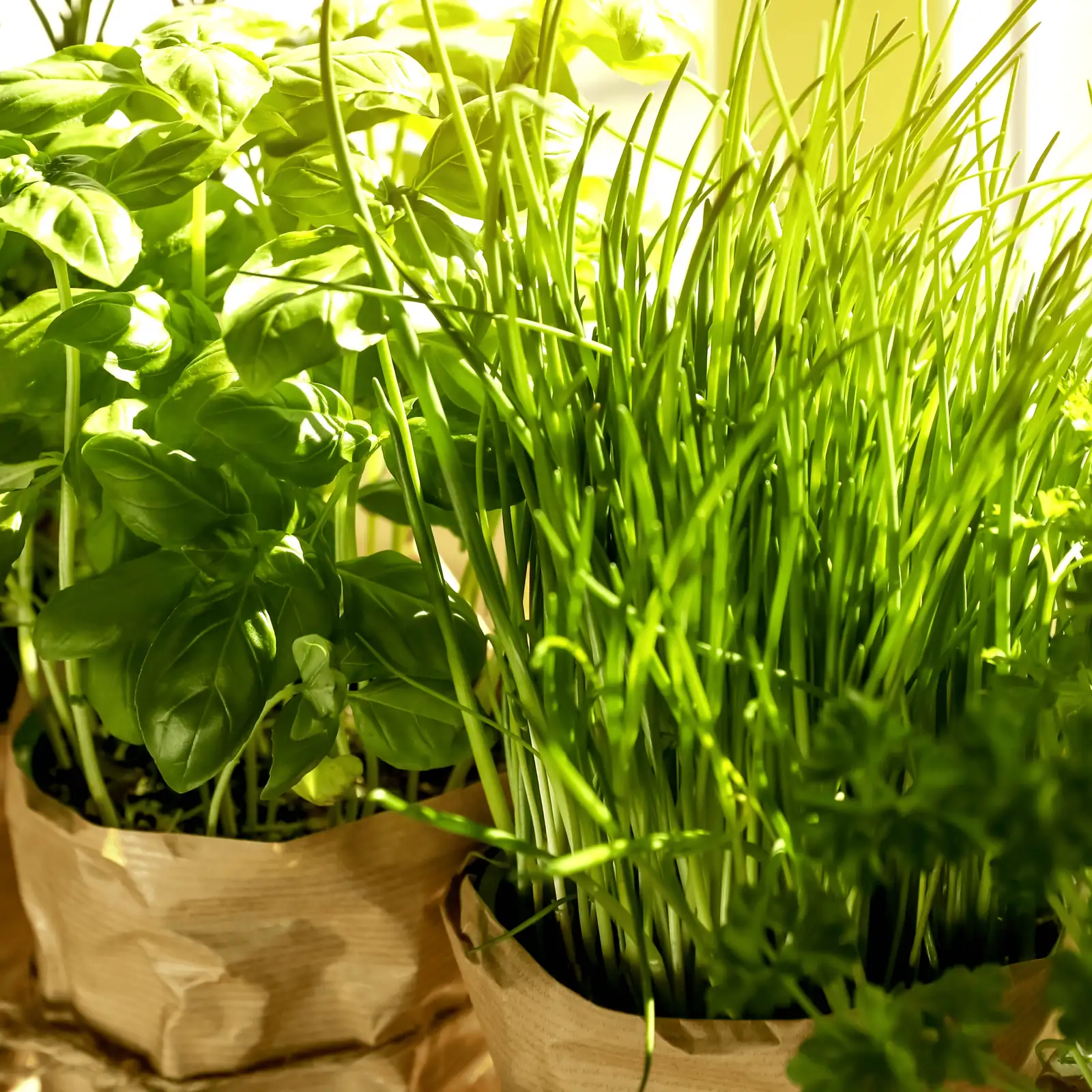
For indoor growth, place catnip by a sunny window with ample direct light. Ensure good airflow and avoid overcrowding, as this can lead to mold and mildew issues. Indoors, catnip should be in a pot with good drainage to prevent soggy roots.
A Plant for All Seasons
Catnip is more than a delightful addition to your garden or a treat for your cat. It symbolizes comfort and gentle happiness, making it a perfect plant for those who appreciate both form and function. Whether you’re sharing a cup of catnip tea or watching your cat enjoy its euphoric effects, Nepeta cataria L. is sure to bring joy and a touch of the wild to your home.