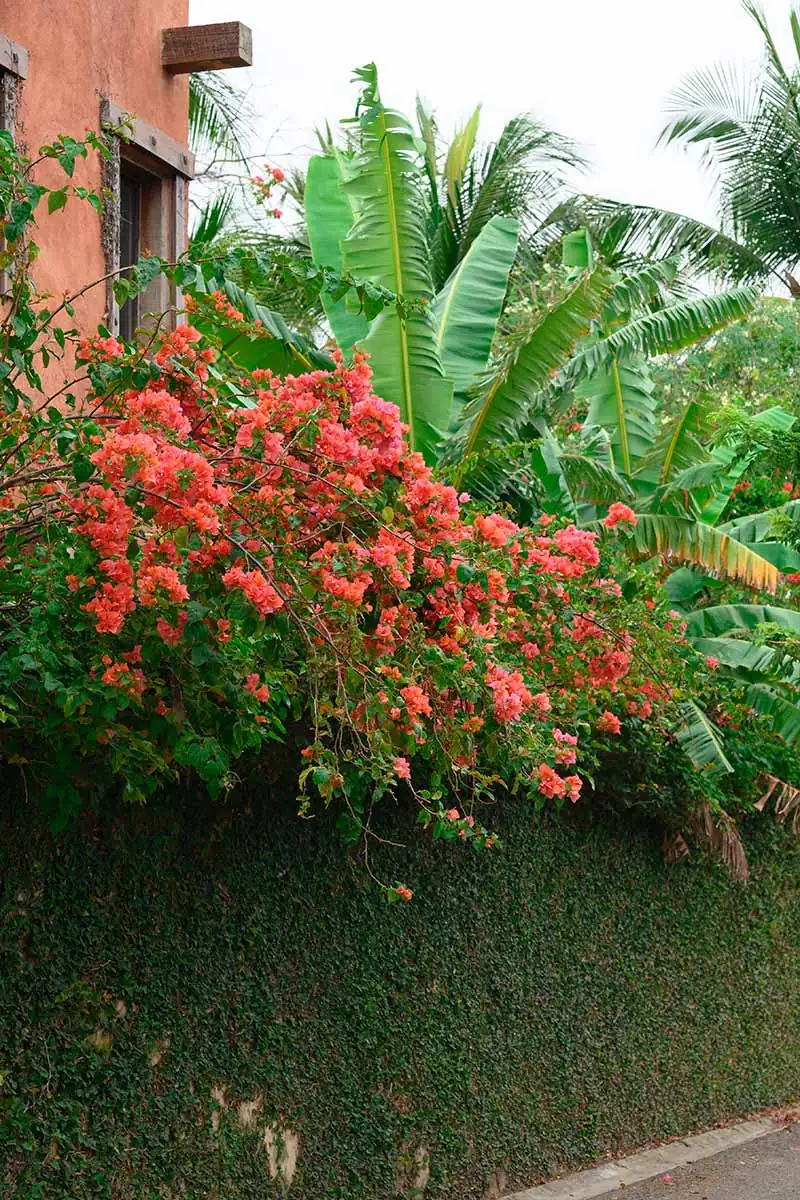
In the vibrant world of gardening, few sights are as breathtaking as a bougainvillea in full bloom. With its vivid bracts that dance in colors from magenta to orange, it’s no wonder this plant, also known as the “Paper Flower,” is beloved by gardeners worldwide. However, like any masterpiece, maintaining its beauty requires some attention to detail, particularly when it comes to dealing with pests and diseases. Let’s delve into the world of bougainvillea care and learn how to keep these vibrant climbers healthy and thriving.
Identifying Common Pests
Aphids: Tiny but Mighty
Aphids, often referred to as plant lice, are small, sap-sucking insects that can become a nuisance for your bougainvillea. These pear-shaped pests love to feast on tender new leaves, leaving behind a sticky residue known as honeydew. This secretion not only attracts ants but can also lead to sooty mold growth, clouding the vibrant display of your plant.
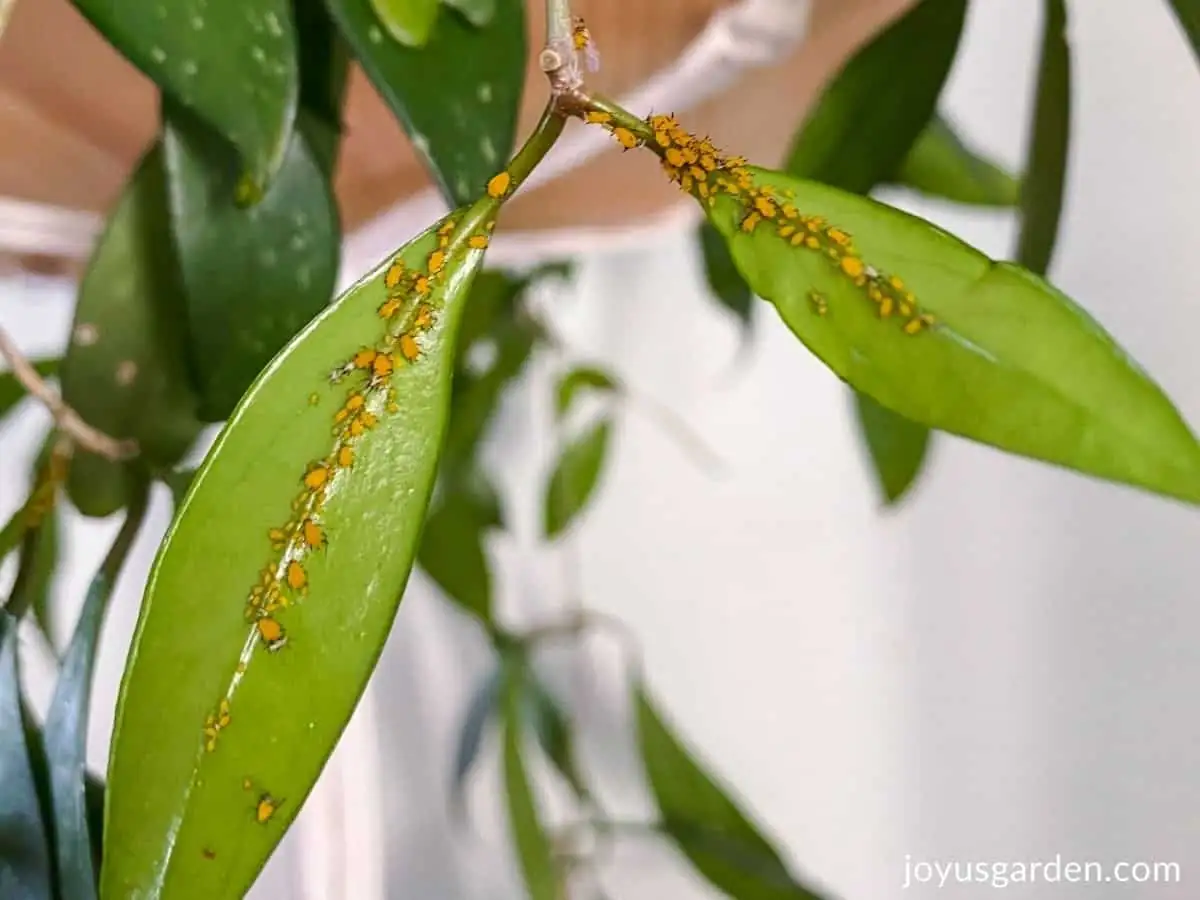
Solution: First, try a gentle approach by blasting the aphids off with a strong stream of water. For more persistent infestations, consider a homemade remedy: mix one cup of vegetable oil with a tablespoon of dish soap, then dilute with water and spray directly onto the aphids. Introducing natural predators like ladybugs and lacewings can also help keep the aphid population in check.
Bougainvillea Loopers: The Voracious Caterpillars
These green or brown caterpillars are the culprits behind eaten leaves and can quickly turn your lush foliage into a skeleton. Bougainvillea loopers munch on leaves, leaving irregular holes, and are most active at night.
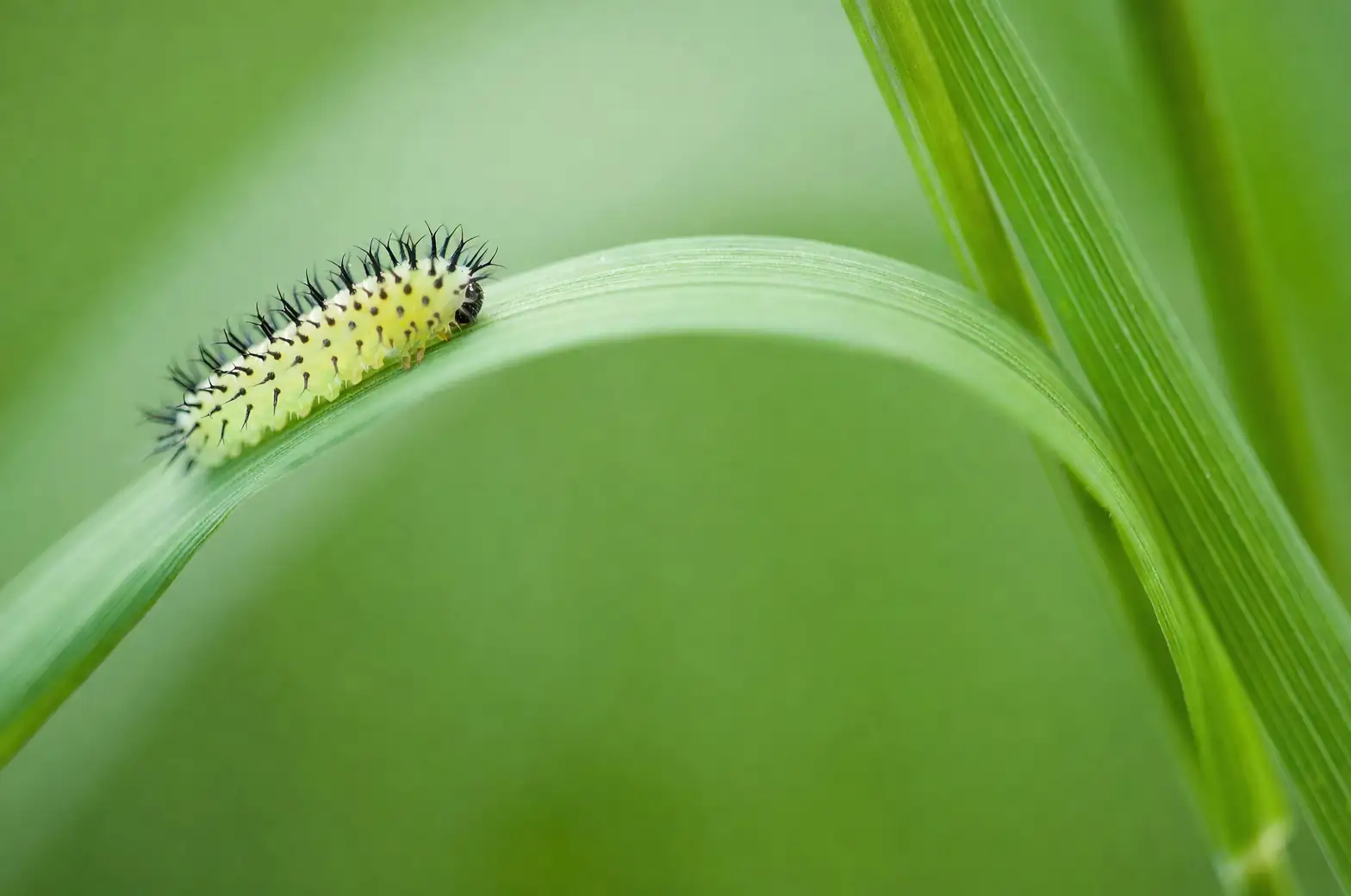
Solution: Handpicking these caterpillars off your plant is effective but may not be everyone’s cup of tea. Alternatively, natural insecticides like Bt (Bacillus thuringiensis) can target caterpillars without harming beneficial insects.
Other Pests to Watch
- Spider Mites: These tiny arachnids thrive in dry conditions, spinning fine webs and causing stippled leaves.
- Whiteflies and Scale: These pests can cause yellowing leaves and sap the plant’s vigor.
Combatting Diseases
Root Rot: The Silent Killer
Root rot is a common issue, often arising from poor drainage and overwatering. Bougainvilleas need well-drained soil to thrive, and their roots suffer when waterlogged, leading to a decline in plant health.
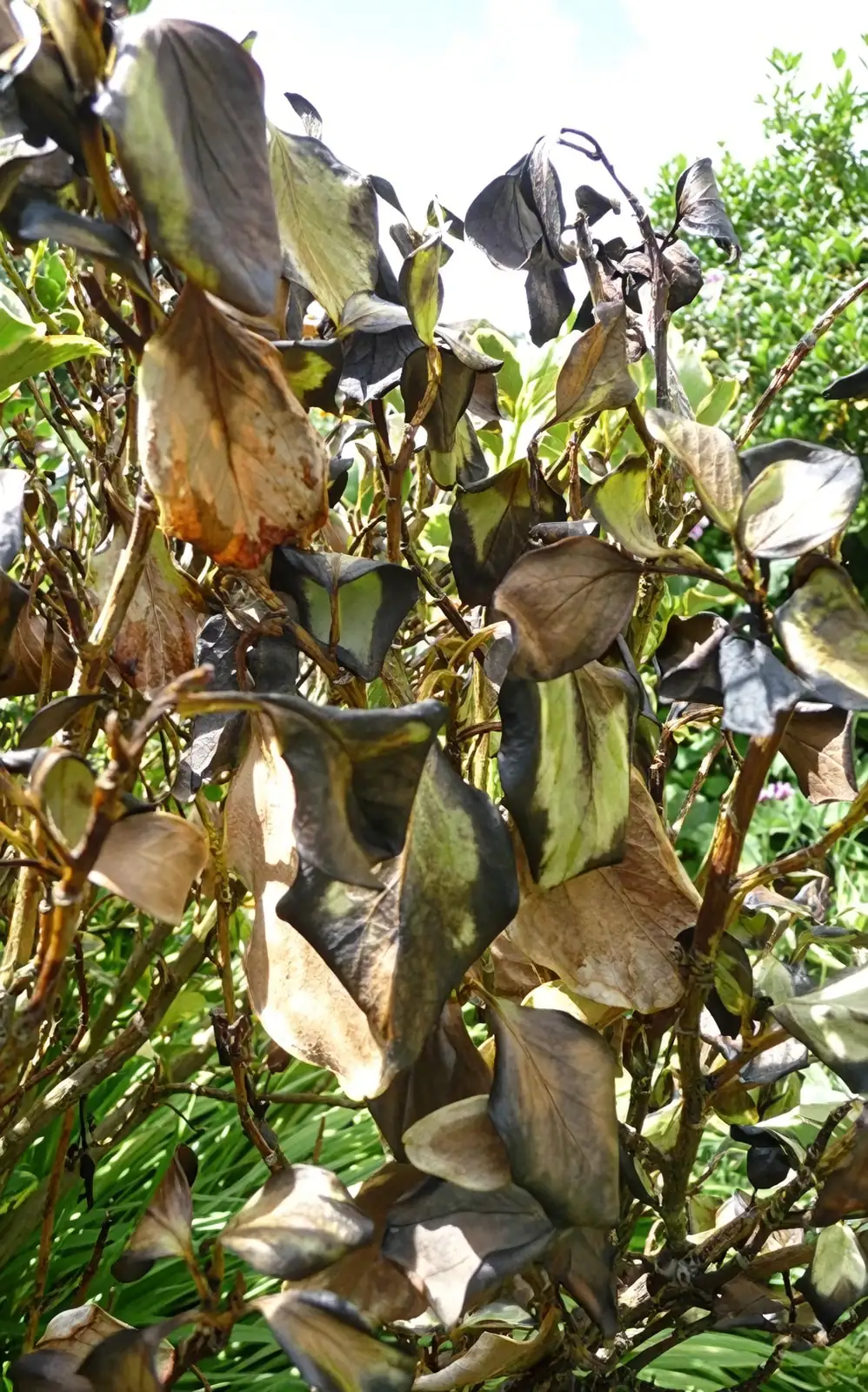
Solution: Ensure your bougainvillea is planted in a gritty, sandy loam with excellent drainage. If root rot is suspected, reduce watering and consider repotting in fresh soil with improved drainage.
Powdery Mildew and Leaf Spot
These fungal diseases are less common but can still affect bougainvilleas, especially in humid conditions with poor air circulation.
Solution: Enhance airflow around your plant by pruning and spacing, and apply fungicides if necessary. Always water at the base to prevent overhead splashing.
Pro Tips for a Thriving Bougainvillea
- Sunlight: Bougainvilleas crave full sun. Ensure they receive at least 6–8 hours daily for the best blooms.
- Watering: Water deeply but infrequently, allowing the topsoil to dry out between sessions. This encourages robust flowering.
- Fertilization: Use a balanced fertilizer during the growing season. Switching to a bloom-boosting formula with higher phosphorus content can enhance flower production.
- Pruning: Regular pruning encourages new growth, which is where bougainvilleas bloom. Always wear gloves—those thorns are sharp!
Safety Considerations
While bougainvilleas are mildly toxic and can cause skin irritation, their thorns pose more of a hazard. Handle with care, wearing gloves to avoid puncture wounds.
A Final Flourish
Bougainvilleas symbolize passion and resilience, embodying a vibrant spirit that can transform any garden into a tropical paradise. With a little understanding and care, you can keep these dazzling climbers in peak condition, ready to bring joy and color to your outdoor space year-round. Remember, even the most spectacular gardens face challenges, but with the right knowledge, your bougainvillea can thrive against all odds!