
If you’ve ever felt stumped about how to keep your houseplants thriving in a north-facing room, you’re not alone. These spaces are notorious for their low light and cooler tones. But with a few clever strategies, you can create an environment where your green friends will flourish. Let’s dive into some practical tips to improve light and airflow for your north-facing plants.
Understanding North-Facing Light
Before we jump into solutions, it’s important to understand the characteristics of north-facing light. This type of light is soft and indirect, making it ideal for low-light tolerant plants. However, during winter months, the light can be especially weak, which might not be sufficient for all plants.
Perfect Plant Picks
Choose plants that naturally thrive under these conditions. Tropical rainforest understory plants are a great choice. Think of lush, green beauties like:
- Snake Plant (Sansevieria): Renowned for its low light tolerance and air-purifying qualities.
- Pothos (Epipremnum aureum): An easy-care plant that can handle a variety of lighting conditions.
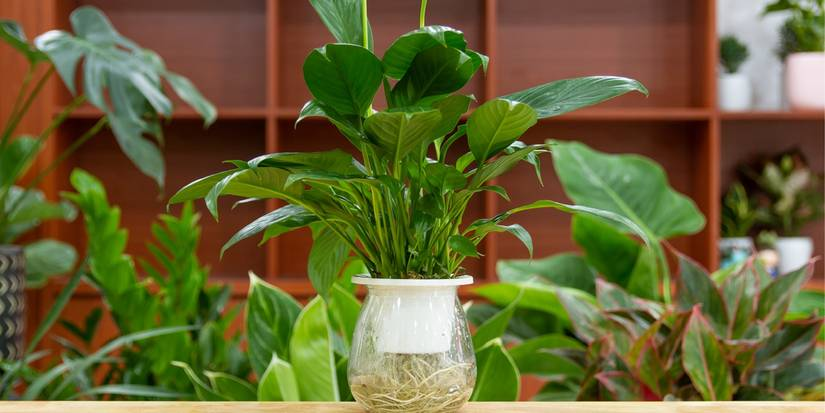
- Peace Lily (Spathiphyllum): Not only does it thrive in low light, but it also helps clean the air.
These plants are well-adapted to the indirect light of a north-facing window and can maintain a vibrant appearance year-round.
Maximizing Light and Airflow
Arrange for Success
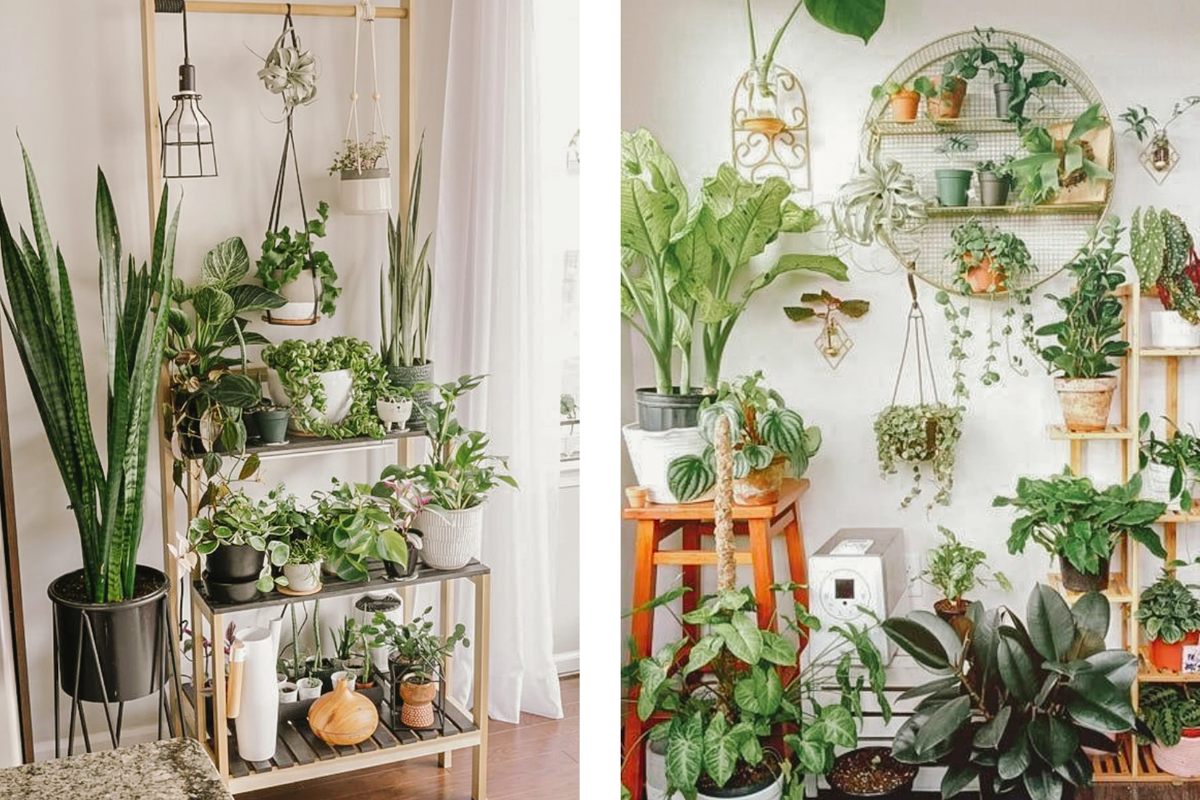
To make the most of the available light, use a tiered arrangement for your plants:
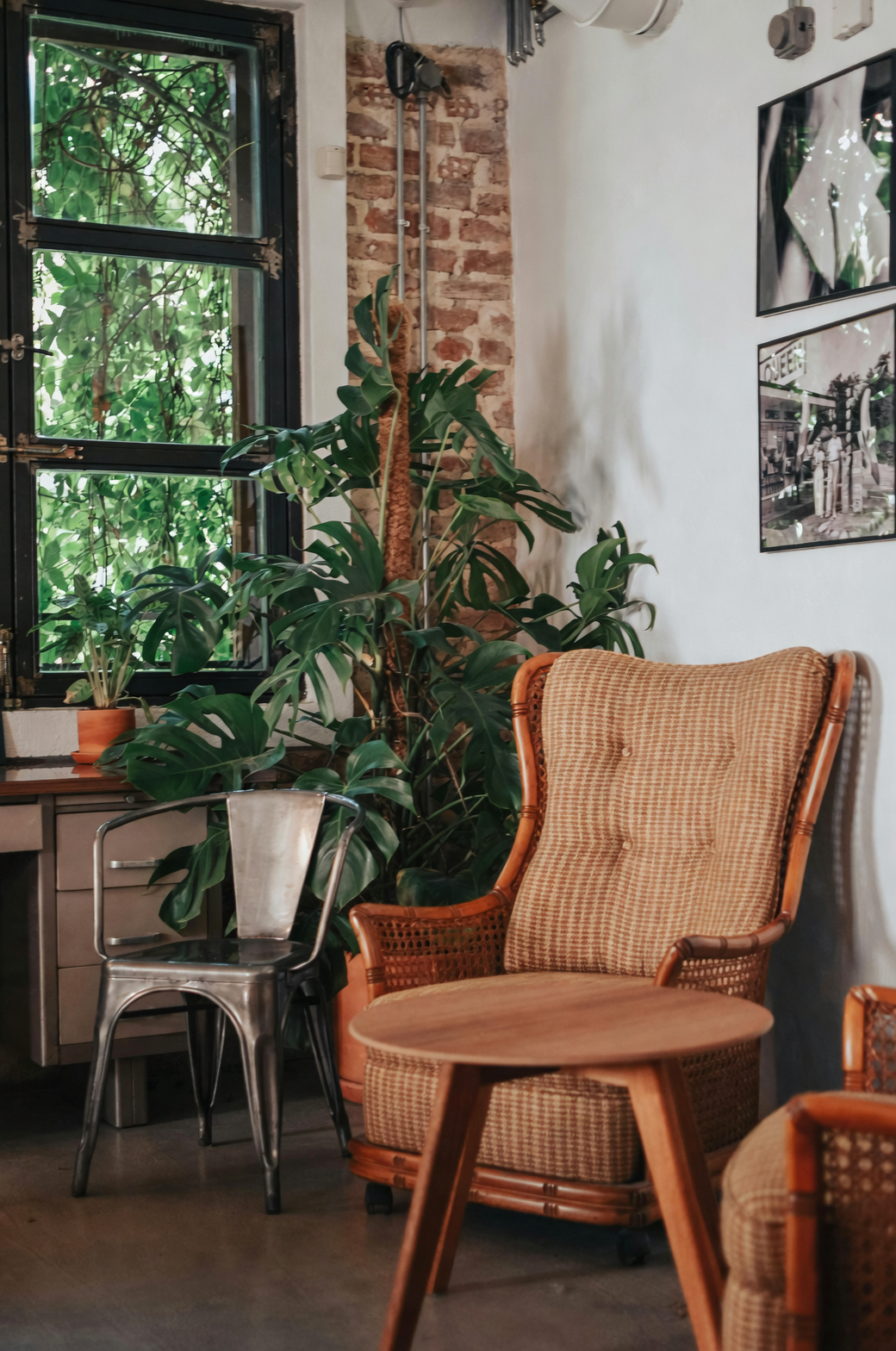
- Floor Level: Place larger plants that require minimal sunlight a bit further from the window. Think of hardy options like the ZZ Plant.
- Windowsill or Low Shelf: Arrange smaller plants that need a bit more light. A windowsill-level shelf keeps them bathed in whatever natural light is available.
- Hanging Plants: Add an extra dimension by hanging plants like English Ivy or String of Hearts from the ceiling, ensuring they don’t block the light for other plants.
Avoid Light Blockers
Steer clear of heavy curtains or blinds that might further reduce the already limited light. If privacy is a concern, opt for sheer curtains that allow light to diffuse gently into the room.
Consider Artificial Light
During darker months, supplementing with a grow light can be a game-changer. Look for full-spectrum LED grow lights that mimic natural sunlight. Position them about 12-24 inches above your plants for optimal results. Use these lights for about 12-16 hours a day to mimic a natural day-night cycle.
Enhancing Airflow
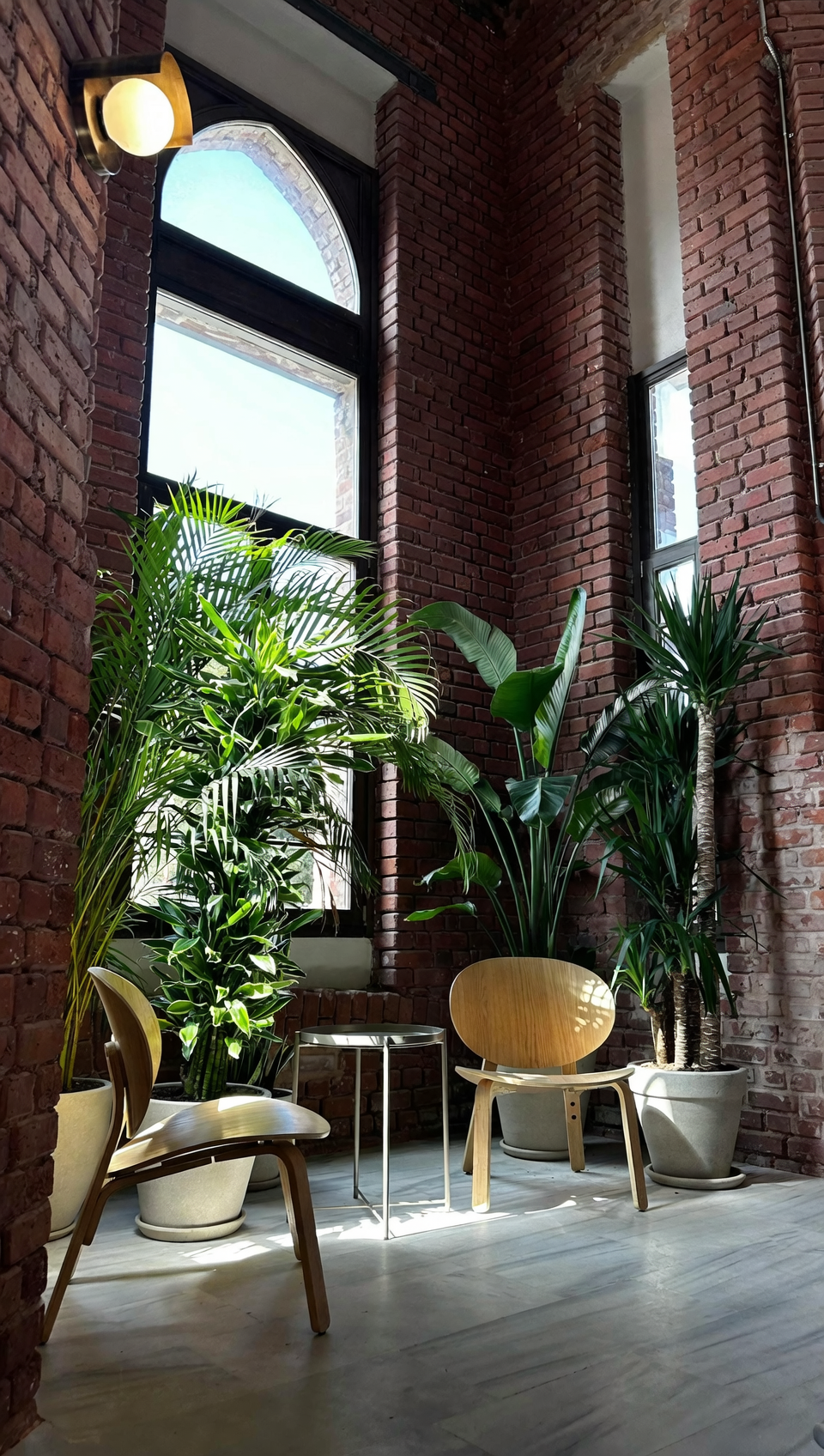
Good airflow is crucial for plant health, helping to prevent issues like mold and pests. Here’s how to keep the air moving:
- Use a Small Fan: A gentle breeze from a small oscillating fan can mimic outdoor conditions and promote healthier growth.
- Avoid Overcrowding: Ensure plants aren’t too close together. This allows air to circulate freely around each plant.
- Rotate Regularly: Turn your plants every few weeks to ensure even light exposure and to prevent one-sided growth.
Common Mistakes to Avoid
- Overwatering: In low-light conditions, plants don’t dry out as quickly. Stick to a less frequent watering schedule to avoid root rot.
- Ignoring Seasonal Changes: As seasons change, so do light levels. Be ready to adjust your plant care routine accordingly, such as increasing light exposure with grow lights in winter.
By understanding the unique dynamics of north-facing spaces and selecting the right plants, you can transform even the dimmest room into a lush, green oasis. Happy growing!