When it comes to indoor gardening, especially during those dreary winter months, choosing the right grow light is crucial for your plants’ health and your energy bill. Two popular choices—LED and fluorescent lights—each have their own strengths and weaknesses. This guide will help you navigate the LED vs. fluorescent debate, so you can make an informed decision that best suits your gardening needs and budget.
Why Grow Lights Matter
Before diving into the specifics, let’s understand why grow lights are essential. Plants need light for photosynthesis, the process that allows them to convert light energy into food. Indoors, natural sunlight is often insufficient, especially in the winter. Grow lights simulate sunlight, helping plants thrive indoors by providing the necessary light spectrum and intensity.
LED Grow Lights: High Efficiency, High Precision
Energy Efficiency and Cost:
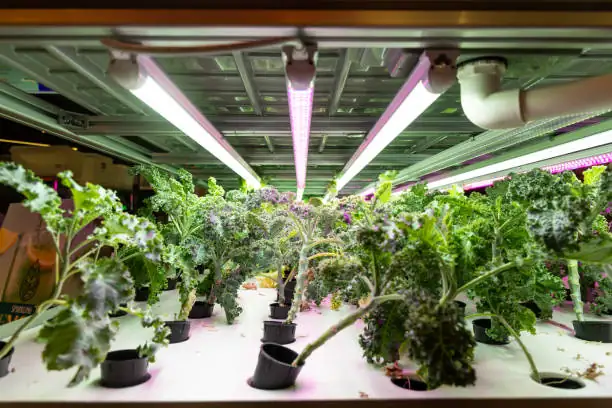
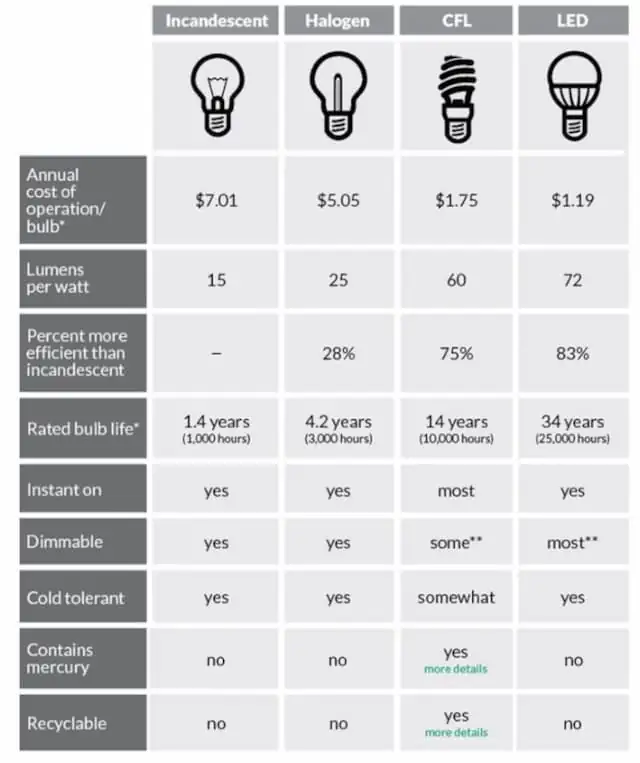
LEDs are renowned for their energy efficiency. They produce more light per watt than fluorescent tubes, which translates to lower electricity bills. For instance, a 300-watt LED can provide as much light as a 600-watt fluorescent, making them a smart choice for eco-conscious gardeners.
Lifespan and Durability:
LED lights boast a lifespan of 50,000 to 100,000 hours, meaning they can last up to 10 years with regular use. Their solid-state construction makes them durable and less prone to breakage compared to their glass fluorescent counterparts.
Heat Output:
One of the major advantages of LEDs is their low heat output. This allows you to place them closer to plants without the risk of burning leaves, maximizing light exposure and photosynthesis efficiency.
Light Spectrum:
LEDs can be tailored to emit specific light wavelengths, optimizing growth and yield at all plant stages. This precision can be particularly beneficial for flowering and fruiting plants.
Fluorescent Grow Lights: Tried and True
Initial Cost and Setup:
Fluorescent lights, including T5, T8, and T12 tubes, often come with a lower upfront cost, making them an attractive option for beginners. They are easy to find and relatively simple to set up, especially for small-scale gardening.
Light Distribution:
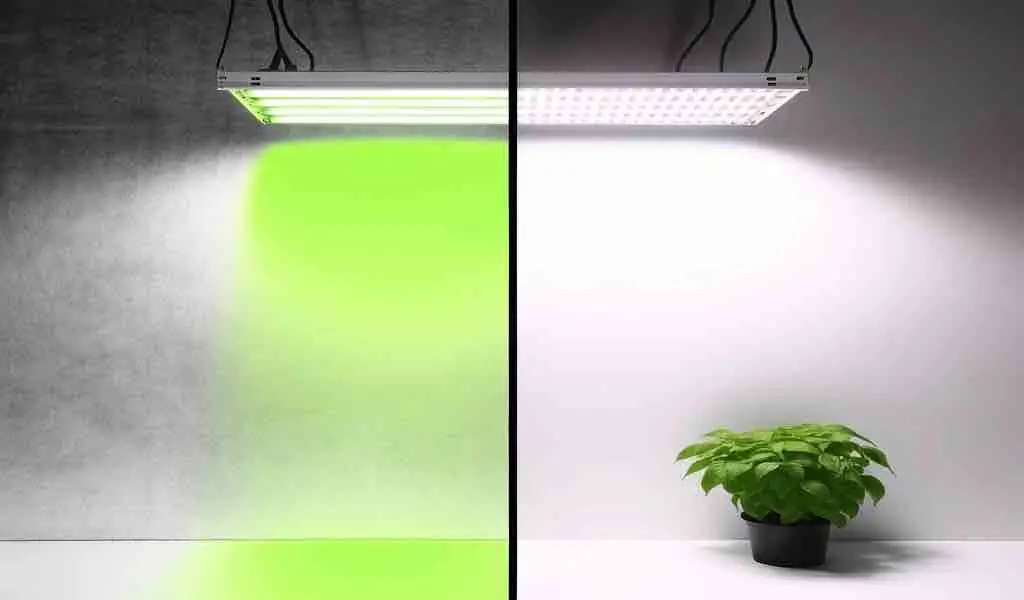
Fluorescent lights are known for their wide light distribution, which is great for seedlings and young plants that don’t need intense light. However, they consume more energy than LEDs, which can add up over time.
Heat and Maintenance:
While fluorescent lights emit less heat than incandescent bulbs, they still produce more heat than LEDs. This can be a concern in small or poorly ventilated spaces. Additionally, they tend to lose intensity as they age, which means more frequent replacements and potentially higher long-term costs.
Making the Right Choice
Consider Your Needs:
- If you’re new to indoor gardening or on a tight budget, fluorescent lights might be a good starting point.
- For more experienced gardeners or those looking to maximize energy savings and plant yield, investing in LED lights could be worthwhile.
Space and Setup:
- Small spaces may benefit more from LEDs due to their low heat output and compact size.
- Larger setups with ample ventilation can accommodate fluorescent tubes with minimal issues.
Long-Term Perspective:
- While LEDs have a higher initial cost, their longevity and energy savings often make them more economical in the long run.
Environmental Impact:
- LEDs have a smaller environmental footprint due to their energy efficiency and lack of toxic materials, unlike fluorescent lights which contain mercury.
In conclusion, both LED and fluorescent grow lights can effectively support indoor plant growth, but your specific needs and circumstances will dictate the best choice. Whether you’re nurturing seedlings or coaxing a mature plant into bloom, understanding these lighting options will help you create a thriving indoor garden.