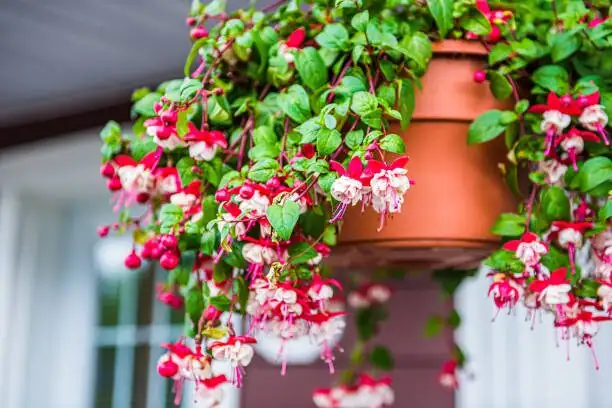
Every plant enthusiast knows the heart-sinking feeling of spotting droopy leaves or yellowing foliage. Before you consider bidding farewell to your beloved green companion, know this: plants are often more resilient than they appear. With the right approach, your wilting greenery might just need a little TLC to bounce back.
Diagnose Before You Dig
The first step in your plant recovery mission is identifying the root cause of the issue. Common culprits include:
- Overwatering: Leaves may turn yellow or appear swollen.
- Underwatering: Leaves may become crispy and brown.
- Sunlight Issues: Too little or too much light can stress your plant.
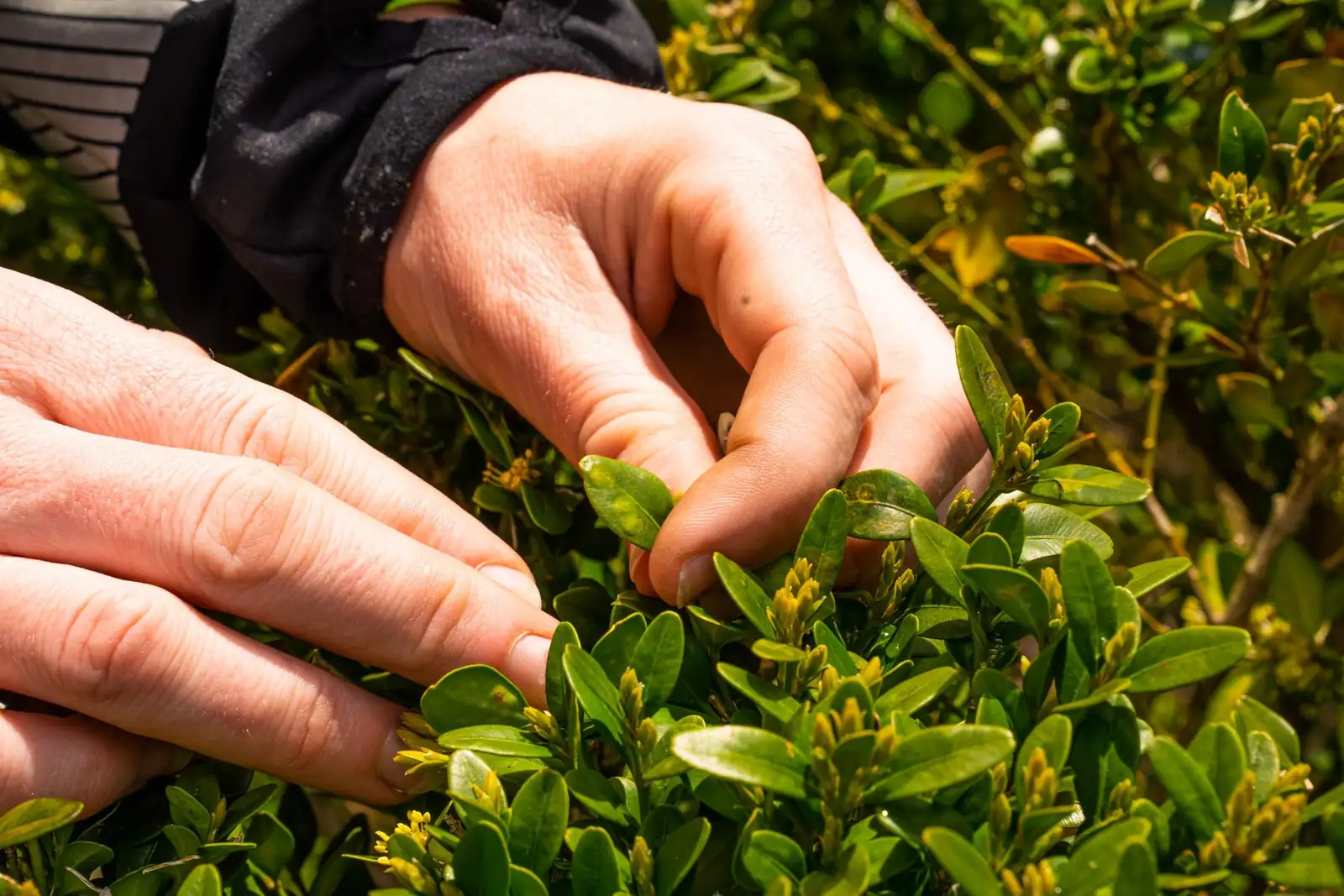
- Pests: Look for white web-like substances or tiny bugs.
- Nutrient Deficiencies: Yellow leaves with green veins often signal a lack of essential nutrients.
Tip: Inspect your plant thoroughly by checking its leaves, stems, and roots. Healthy roots should be firm and white, while damaged ones are mushy and brown.
Adjust Your Watering Routine
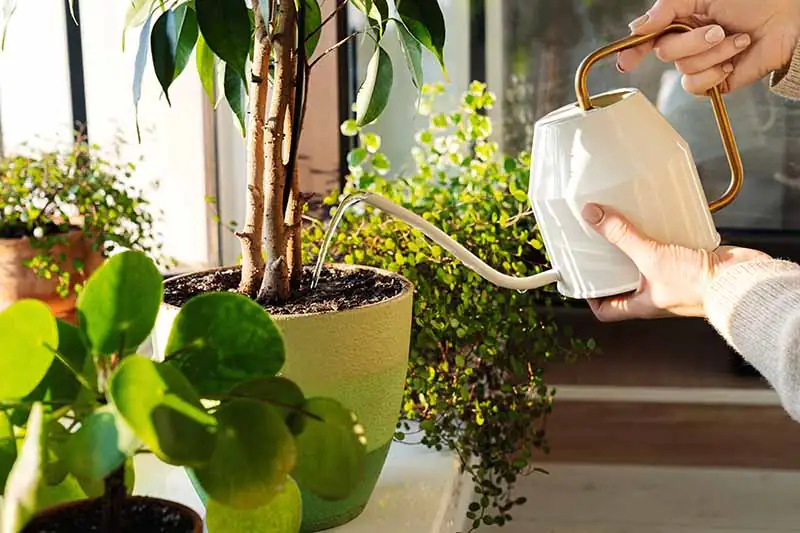
Watering mistakes are a common issue, but they’re also one of the easiest to correct:
- If you’ve overwatered: Stop watering immediately. Remove the plant from its pot, trim any rotten roots, and allow it to dry out slightly. Repot in well-draining soil.
- If your plant is parched: Slowly rehydrate it. Avoid flooding the pot; instead, use bottom watering by placing the pot in a tray of water to let it absorb moisture gradually.
Tailor the Environment
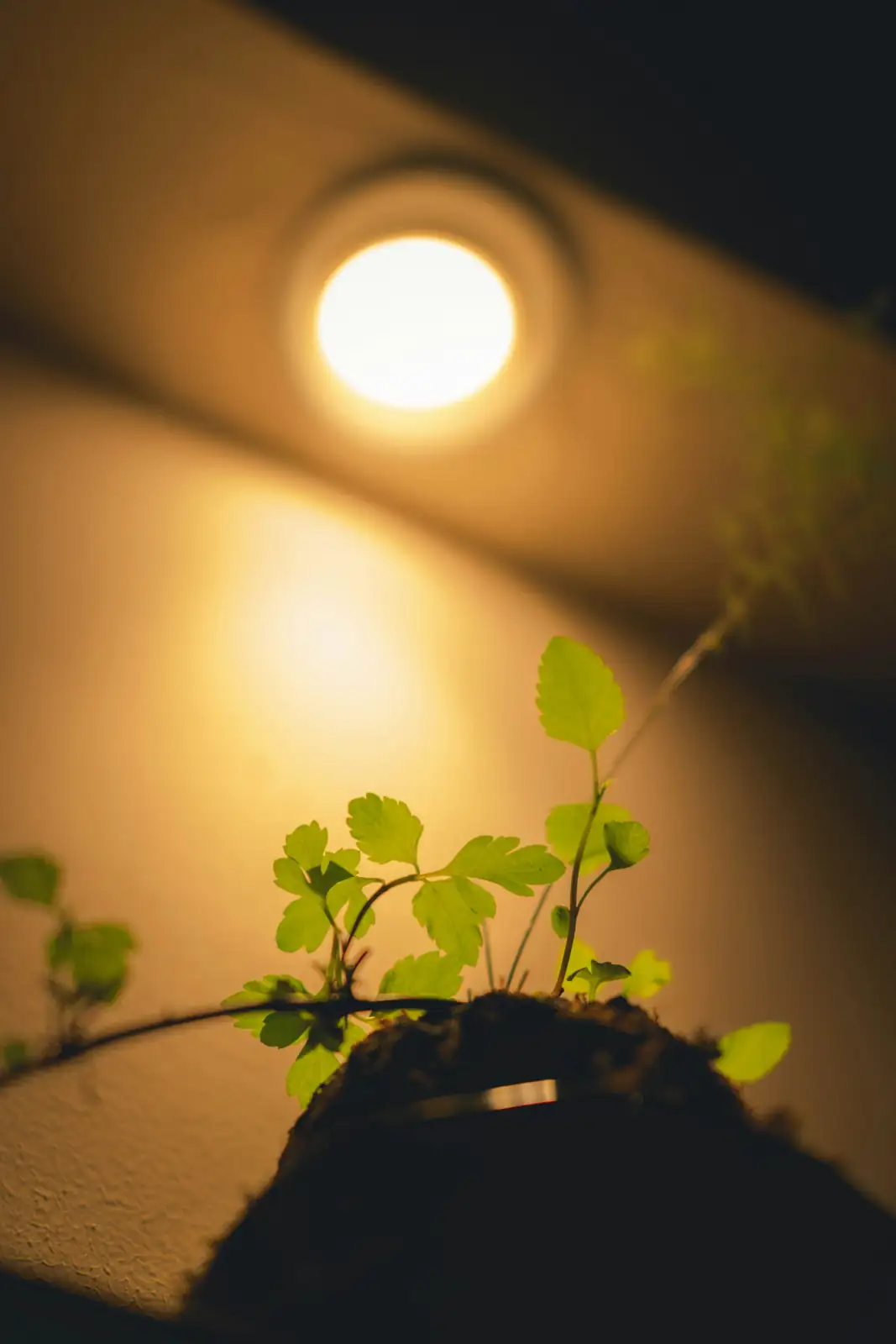
Your plant’s environment plays a pivotal role in its health:
- Light: Move your plant to a spot with appropriate lighting conditions. Most struggling plants benefit from bright, indirect light.
- Humidity: Increase humidity for tropical plants using a humidifier or a pebble tray with water.
Combat Pests and Diseases
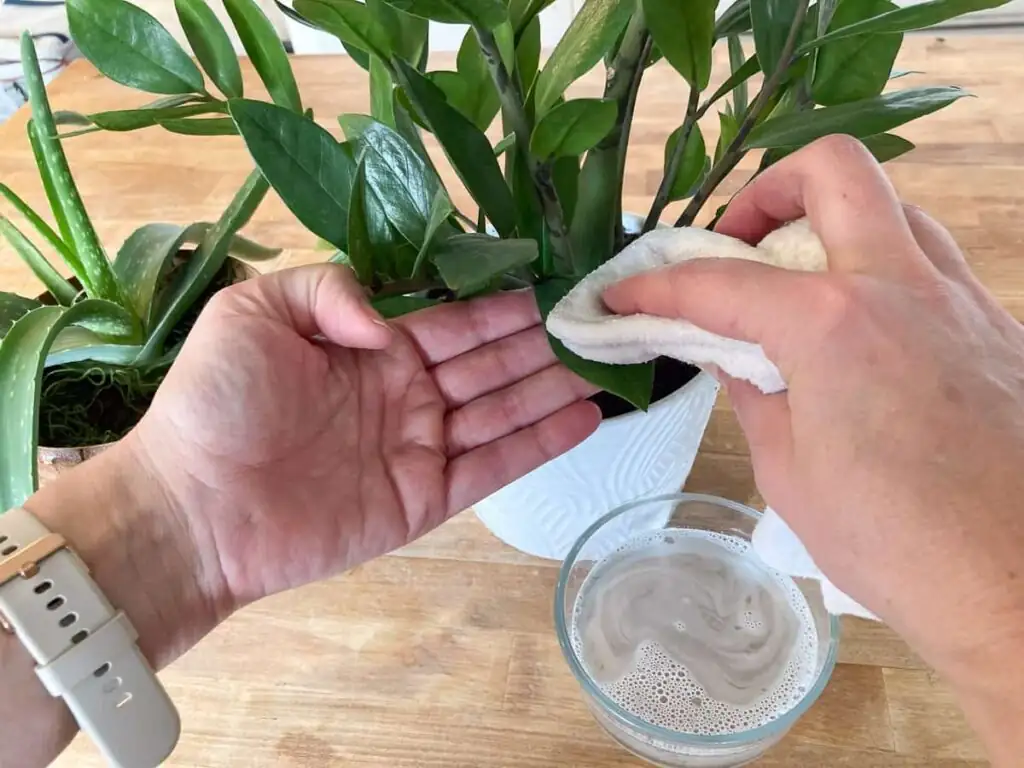
If pests are the issue, gently wash the leaves with a mild soap solution. For fungal infections, trim affected areas and ensure good air circulation around the plant.
Repot with Care
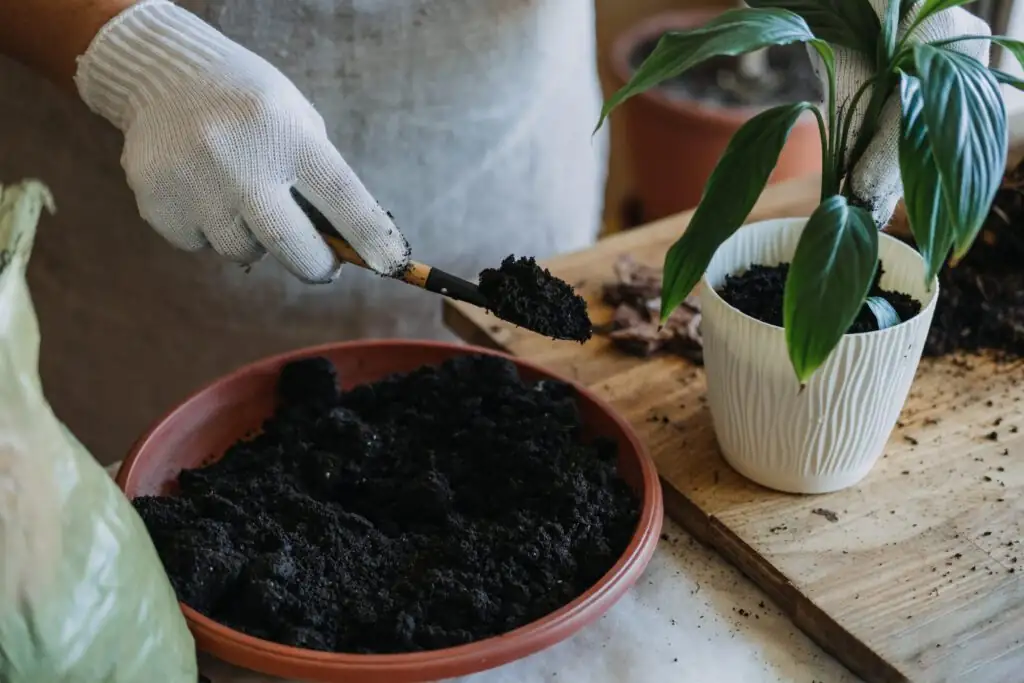
If your plant’s roots are cramped, it might be time for a new home. Follow these steps for a smooth transition:
- Choose the Right Pot: Ensure it’s slightly larger than the current one and has drainage holes.
- Use Fresh Soil: Select a potting mix suited to your plant type.
- Water In: After repotting, water gently to help settle the soil around the roots.
Expect some initial drooping as your plant adjusts to its new pot—this is normal!
Patience and Observation
Reviving a plant is a gradual process. Keep an eye on your plant over the coming weeks, adjusting care as necessary. Avoid fertilizing until you see signs of new growth, as this can stress an already weakened plant.
Final Thoughts
Remember, not every plant can be saved, but with attentive care, many can be brought back from the brink. Your efforts not only save a plant but also enhance your understanding and connection with your leafy friends. Happy gardening!