In the world of garden greenery, boxwood—or Buxus spp.—holds a venerable position as a classic choice for creating structured elegance. But beyond its neat hedges and perfect topiaries, boxwood hides a treasure trove of fascinating quirks and historical significance. Let’s dive into some of the most intriguing facts about this beloved plant, and discover why it has captivated gardeners and craftsmen for centuries.
The Evergreen Elegance of Boxwood
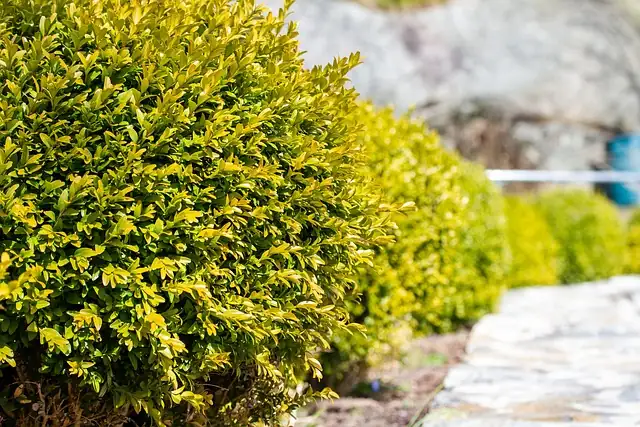
Boxwood is the quintessential evergreen, boasting small, glossy leaves that maintain their deep green hue throughout the year. This steadfast color makes it a beloved backbone in formal and casual garden designs alike. Whether as a stately hedge or a whimsical border, boxwood’s dense foliage is like the little black dress of the plant world—it complements any setting and never goes out of style.
Dimensions of Delight
Typically, boxwood grows between 0.6 to 2.4 meters (about 2 to 8 feet) tall and wide, though some varieties can stretch up to 6 meters (20 feet) high. This adaptability in size makes it perfect for everything from petite parterres to grand garden statements. Boxwood is slow-growing, which is a blessing for those who revel in its tidy shapes and dense hedges over time.
Historical Uses: From Gardens to Workshops
A Woodworker’s Dream
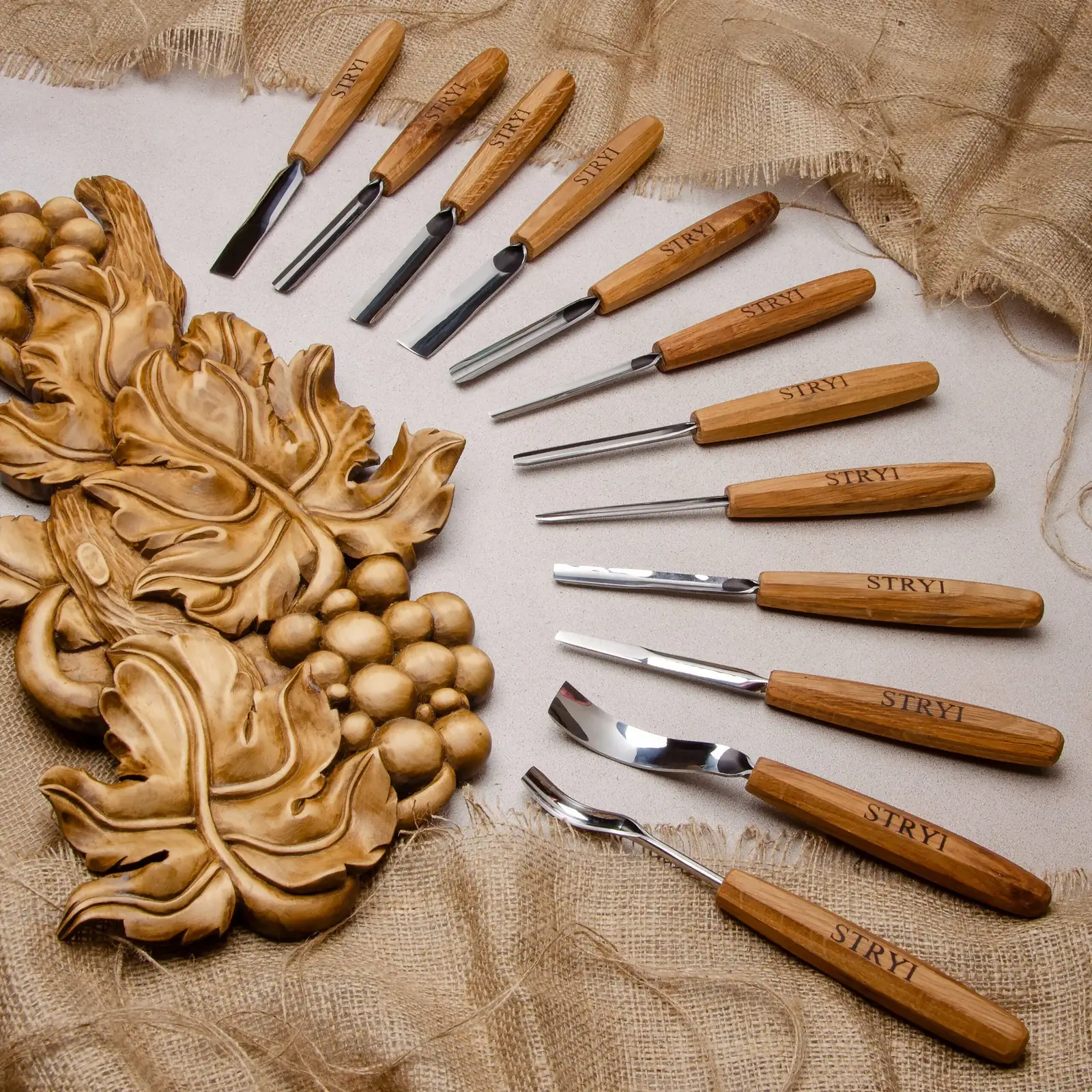
Boxwood’s historical significance isn’t confined to gardens. Its dense, fine-grained wood has been a prized material for centuries. Did you know boxwood is so dense that it can sink in water? This characteristic made it ideal for precision tools, detailed carvings, and even musical instruments. Craftsmen loved it for its ability to hold fine details, making it a favorite for engraving blocks used in early printing.
Cultural Significance
Boxwood’s evergreen nature has long symbolized endurance and “everlasting” life. In Christian traditions, it became a popular substitute for palm in Palm Sunday observances, symbolizing perseverance. Some historic boxwoods have stood for centuries, acting as living guardians of history in ancient gardens and estates.
Quirky Characteristics
The Unsung Hero of Fragrance
While boxwood’s flowers may be small and inconspicuous, they do have a scent that can be quite noticeable—and not always in a pleasant way. During its spring bloom, the garden might carry an aroma that some gardeners find less than delightful. Despite this, boxwood’s allure remains undiminished, thanks to its year-round greenery.
A Resilient Companion
Boxwoods are remarkably hardy, thriving in USDA Zones 5–9. They can withstand cold temperatures down to about −29°C (−20°F). However, boxwood does have its challenges, like the dreaded winter bronzing, where leaves turn a golden or bronze hue. This is generally a stress response to the cold and is often temporary, with foliage greening up again in spring.
Care Tips for the Perfect Boxwood
Sunlight and Soil Preferences
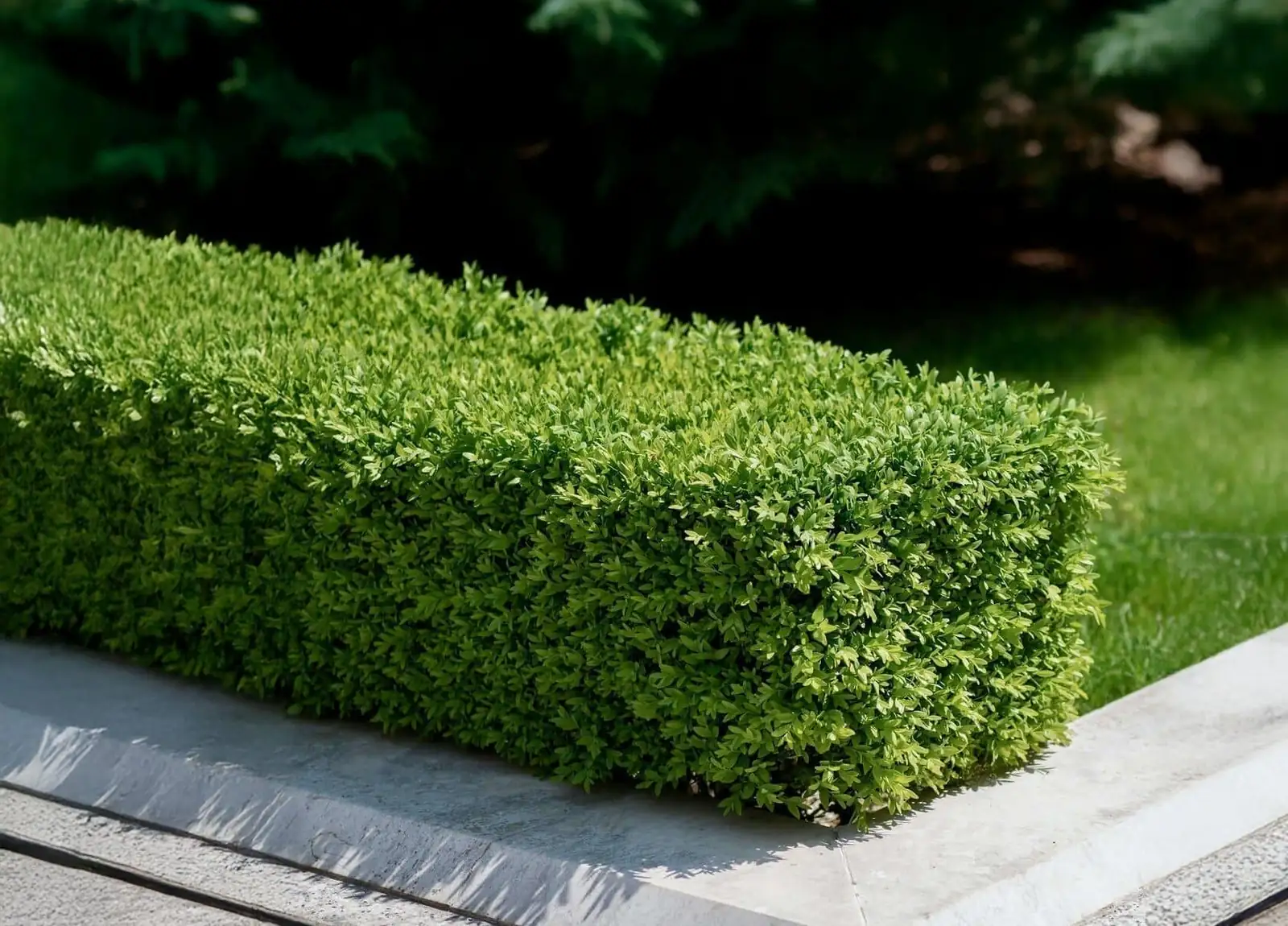
Boxwoods enjoy full sun to partial shade, thriving with about 4–6 hours of direct sun. In hotter climates, providing afternoon shade can help prevent leaf scorch. They prefer well-drained loam enriched with organic matter, shying away from waterlogged conditions.
Pruning and Maintenance
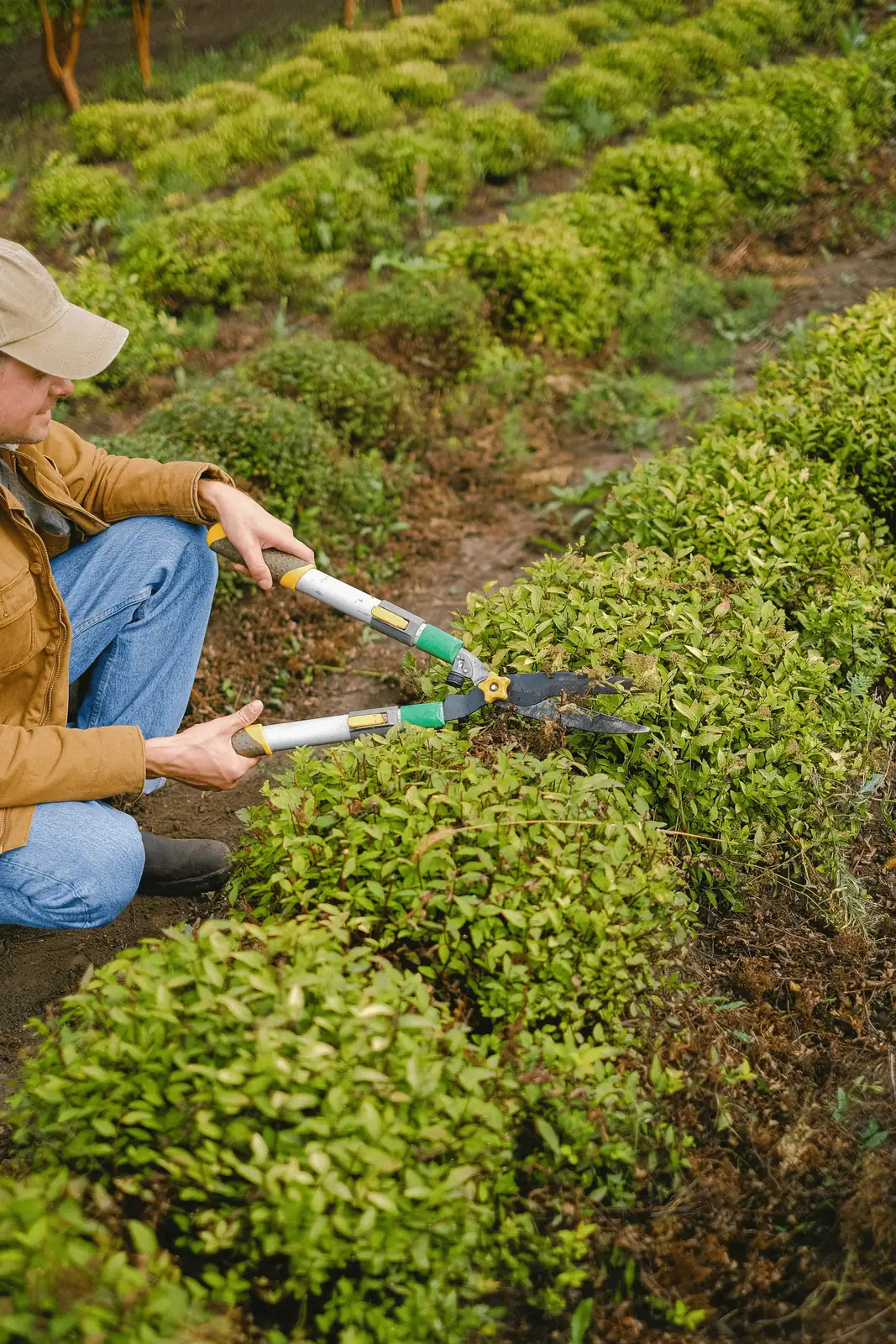
Pruning is an art with boxwood. Thinning cuts help light and air reach the interior, promoting plant health and reducing disease risk. Major pruning is best done in winter, avoiding late-fall cuts that can trigger tender growth vulnerable to winter damage.
Tackling Pests and Diseases
Boxwood faces threats from pests like leafminers and psyllids, as well as diseases such as boxwood blight. Choosing disease-resistant cultivars and ensuring good airflow and drainage can help keep these issues at bay.
Boxwood in Modern Gardens
Today, boxwood remains as popular as ever in garden design. Its versatility allows it to adapt to a myriad of styles, from formal to casual, making it a landscaper’s dream. Whether flanking an entryway as stoic sentinels or forming the backbone of a lush garden, boxwoods continue to charm with their timeless appeal.
In essence, boxwood isn’t just a plant—it’s a living piece of history, a testament to human ingenuity in both horticulture and craftsmanship. So next time you admire a boxwood hedge, remember its rich legacy and the quirky traits that make it more than just a garden staple.