
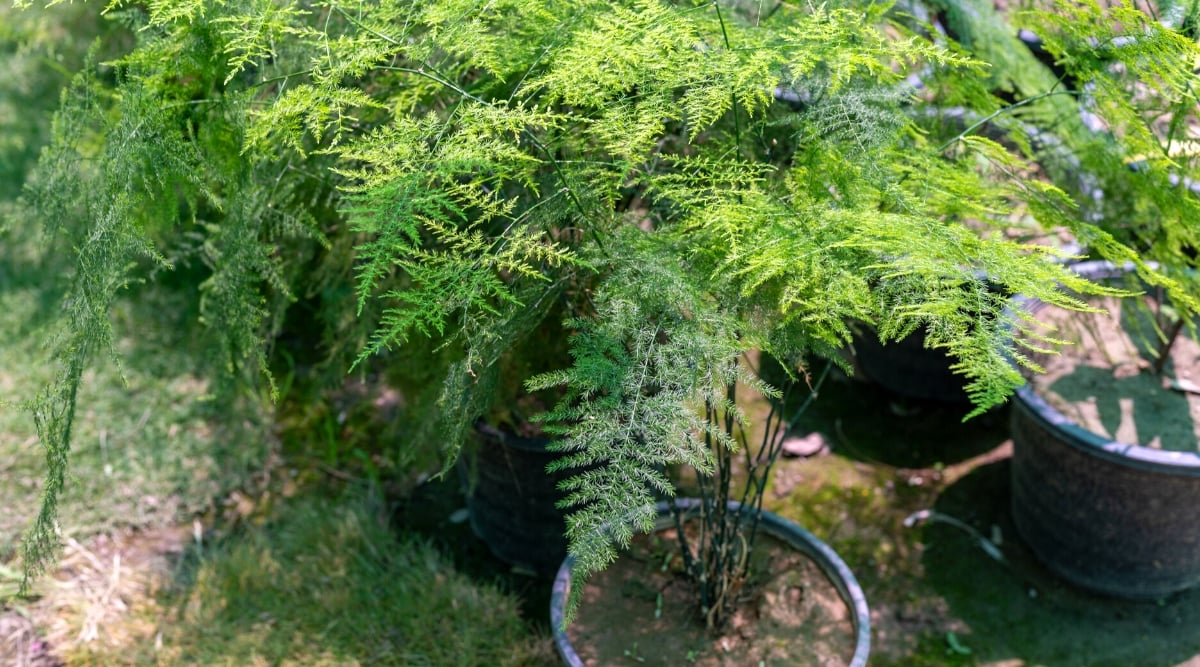
Graceful, feathery, and endlessly useful in bouquets—Asparagus setaceus enchants at first glance. But in the wrong climate and with a few stray berries, this “asparagus fern” can leap from beloved houseplant to bushland bully. Here’s how to enjoy its lace-like beauty while staying firmly on the right side of biosecurity: understand where it’s invasive, stop seed set, grow it smartly in containers, and dispose of every clipping the right way.
Meet Asparagus setaceus—delicate looks, determined growth
- Botanical name: Asparagus setaceus (Kunth) Jessop
- Family: Asparagaceae (it isn’t a true fern—those “needles” are soft cladodes, not leaves)
- Origins: Southern to eastern Africa (especially South Africa; also recorded in Botswana, Lesotho, Mozambique, Eswatini/Swaziland, Tanzania, Zambia, Zimbabwe)
- Habit and size: Fast-growing, evergreen, arching and scrambling; indoors typically 30–90 cm tall, with stems reaching 1–3 m when unpruned or trained; in habitat about 1.8–2.4 m
- Flowers and fruit: Tiny starry white to greenish-white flowers on mature plants; berries ripen purple‑black and often hold 1–3 seeds
- Fun to know: A floristry staple (that fluffy filler in romantic bouquets) and a Royal Horticultural Society Award of Garden Merit plant
Its feathery sprays feel cloud-soft, but don’t be fooled—this species stores energy in tuberous roots and can rebound from neglect, scramble into supports, and fruit in warm conditions.
Invasive status by region: where love turns to trouble
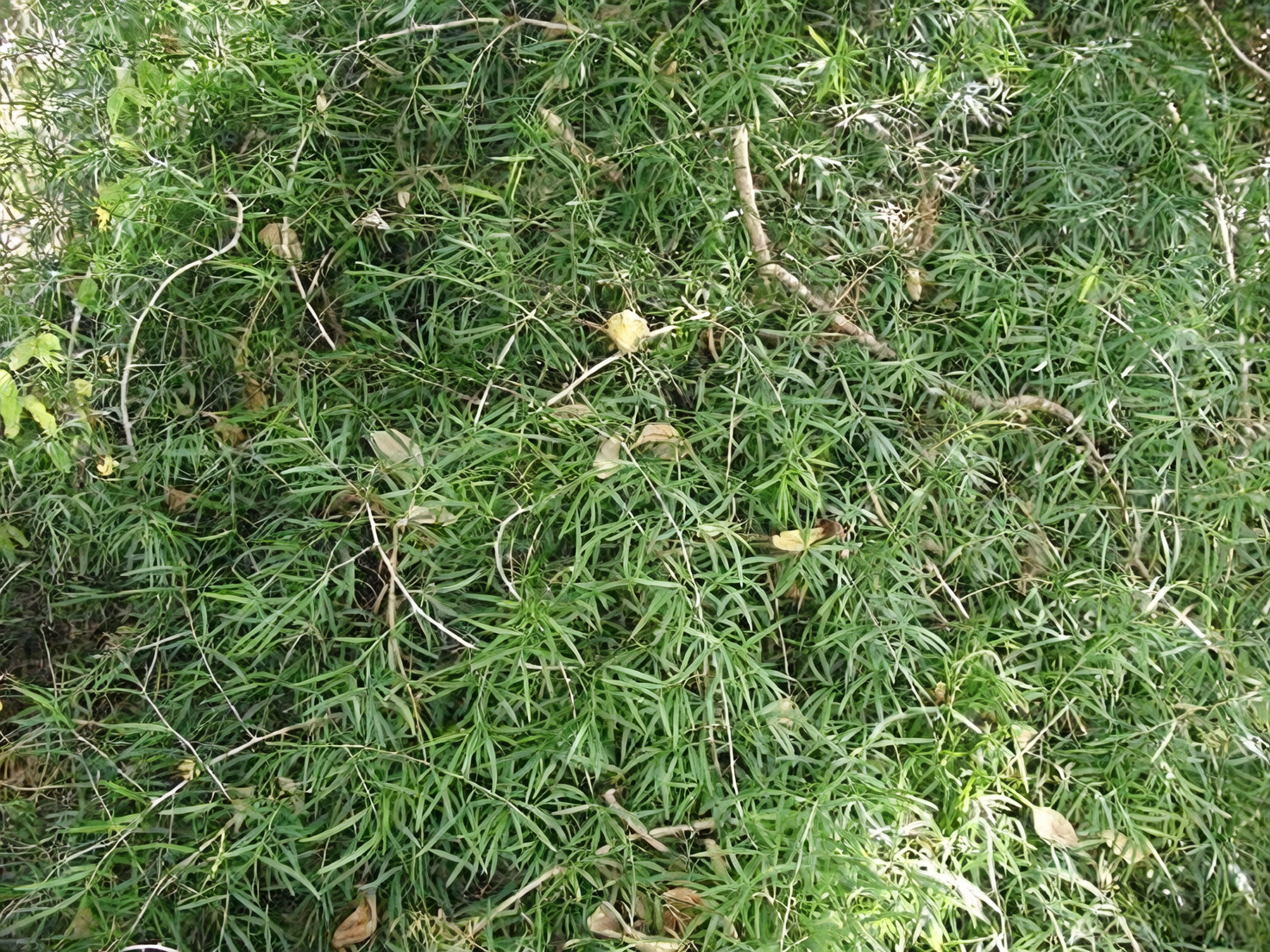
Asparagus setaceus is widely grown indoors worldwide. Outdoors in frost-free climates, it may spread by bird-dispersed seed and persistent underground root systems.
- High-risk regions
- Parts of Australia
- New Zealand
- Hawaii
- Various Pacific islands
In these places, it’s recognized as invasive or environmental weed in at least some jurisdictions.
- Lower-risk regions
- Cold and temperate climates where frost knocks it back (USDA Zone 9–11 is its comfort zone outdoors). In most cooler areas it’s strictly a houseplant or a seasonal patio plant.
- Why it invades
- Berries are attractive to birds, which transport seeds into natural areas
- Evergreen, fast growth with scrambling/climbing habit that can blanket host shrubs
- Tough, tuberous root system helps it reshoot after cutting
- What local rules might say
- Some councils or states/provinces restrict sale, planting, or require specific disposal. Always check local weed lists before planting outdoors, swapping cuttings, or tossing prunings.
Prevent seeding and escape: practical, proven steps
Think in two lines of defense: stop the fruit, then stop the spread of any living material.
- Keep it containerized—especially in frost-free climates
- Do not plant in the ground where it can persist year-round.
- If you summer it outdoors, keep it on a hard surface in bright shade and bring it in before flowers or berries appear.
- Don’t let it fruit
- Deadhead early: remove flower sprays as soon as you notice buds on mature plants.
- If berries form, snip them promptly and bag them—don’t let them color fully.
- Avoid “bloom-booster” feeds. If you’re not aiming for flowers/berries, skip high-phosphorus fertilizers.
- Pot size matters: larger, mature container plants (20–25 cm) are more likely to flower and set seed. Stay modest (12–18 cm) to reduce flowering on indoor specimens.
- Starve the seed pathway
- Keep fruiting plants indoors so birds can’t access berries.
- Sweep up fallen berries immediately—each can hold 1–3 viable seeds.
- Be careful with propagation
- Prefer division of established clumps. Never share berries or volunteer seedlings in regions where it’s invasive.
- Handle with care
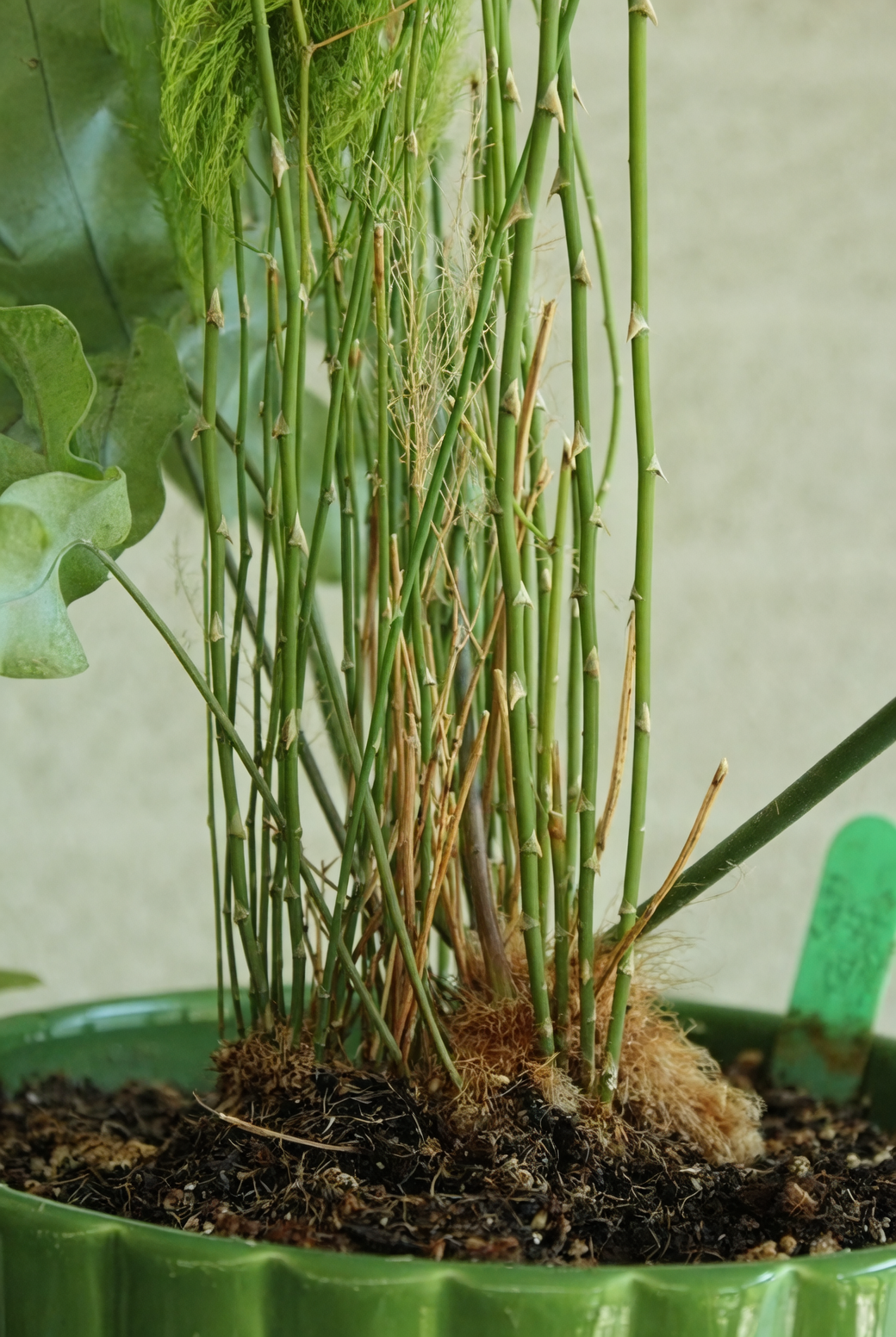
- Wear gloves—stems can develop fine prickles that catch skin.
Smart container culture: beauty, not berries
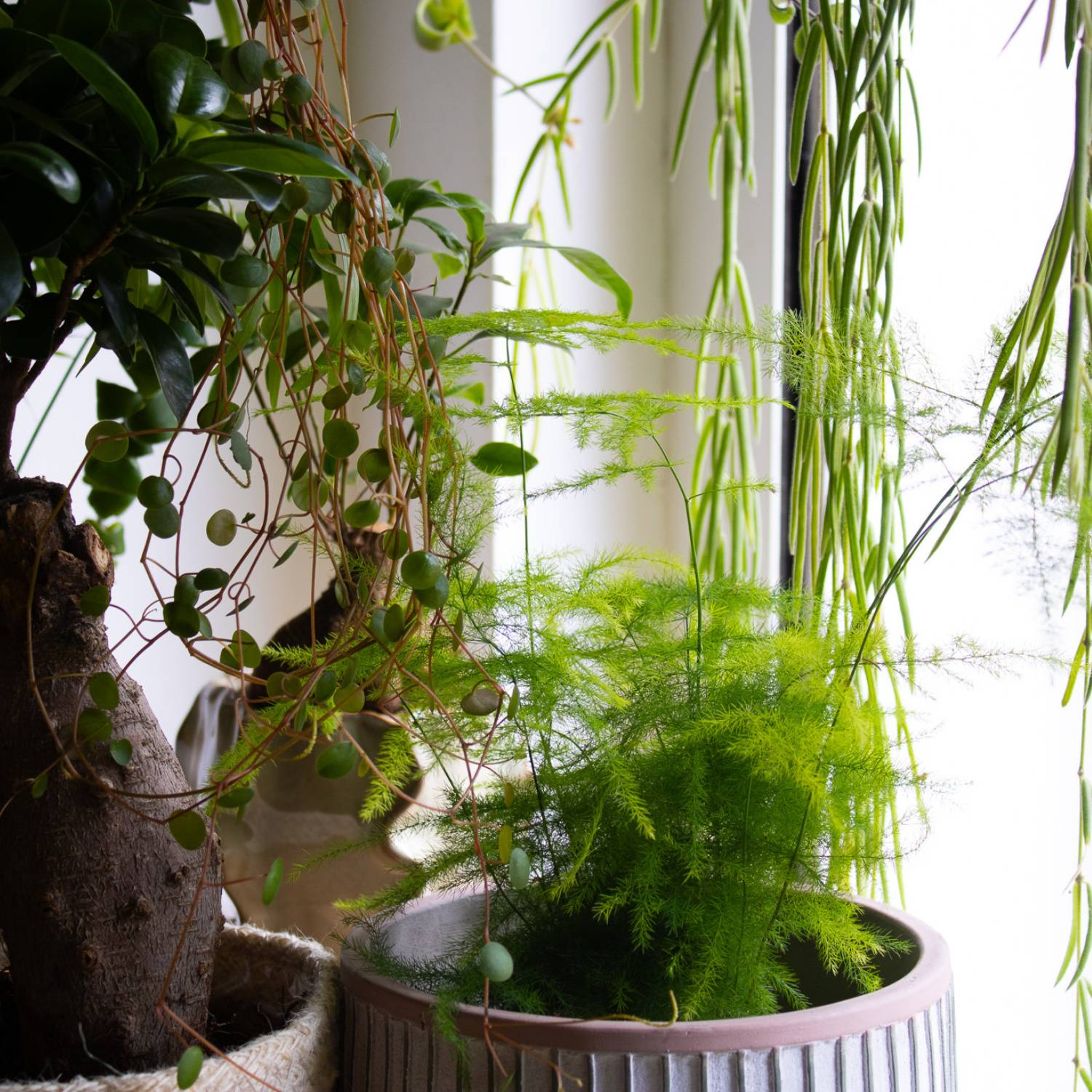
Grow it lush and contained with this “middle path” approach—bright filtered light, even moisture, and decent humidity.
Light and placement
- Best: bright, indirect light or light shade. Avoid harsh midday sun which scorches and yellows.
- Indoors: an east window, or back from a bright south/west exposure with sheers.
- Outdoors (seasonal): bright shade on a patio or balcony; protect from hot, drying winds.
Temperature and humidity
- Comfort range: 15–25°C (59–77°F). Keep above 4–5°C (39–41°F); not frost tolerant.
- Humidity sweet spot: around 50%+ (grouping plants, pebble tray, or humidifier work well).
Pot, mix, and watering
- Pot sizes that tame vigor: 12–15 cm for a standard specimen; 15–18 cm for hanging baskets. Avoid upsizing to 20–25 cm if you’re trying to limit flowering.
- Soil: loose, well-draining yet lightly moisture-retentive—quality potting mix + organic matter (leaf mold/compost, peat or coco coir) + perlite/coarse sand.
- Watering rhythm: soak thoroughly, then let the top 2–3 cm (0.8–1.2 in) dry a bit. Never leave water in the saucer. Expect more frequent watering in summer; back off in winter.
Common signals
- Yellowing, collapse: likely overwatering or soggy mix; also possible too much sun or nutrient imbalance.
- Brown tips: low humidity or inconsistent watering.
Feeding, pruning, and training
- Feed lightly in spring–summer every 4–6 weeks at half strength; ease off in autumn–winter.
- Prune in spring: remove yellow or overly long stems right at the base. Tip-pinching very young shoots encourages fullness.
- Train on a small trellis for airflow and a tidy shape—but if you’re in an invasive-risk area and your plant is mature, prioritize deadheading over opening up the canopy, which can help pollinators find blooms.
Repotting without regret
- Repot every 1–2 years (hanging baskets ~2 years), one pot size up only, loosening circling roots.
- Remember: bigger, older pots can nudge mature plants to flower and fruit—great for seed collectors in safe regions, not for risk areas.
Pests and safety
- Pests: spider mites (especially in hot, dry air), scale, mealybugs, and occasionally aphids. Manage early with rinsing or insecticidal soap/horticultural oil, repeating every 7–10 days.
- Disease: root rot from waterlogging; Botrytis/leaf blight in stagnant, wet conditions—improve drainage and airflow.
- Toxicity: mildly toxic if ingested; berries can upset pets and children. Keep out of reach, especially when fruiting. Sap/foliage may irritate sensitive skin—gloves help during pruning.
Disposal best practices: zero chances, zero escapes
Treat flowers, berries, roots, and potting mix as potential propagules in warm climates.
- Houseplant trimmings
- Double-bag flowers and berries; send to landfill. Do not home-compost.
- In areas with industrial high-heat green waste systems that accept invasive weeds, follow your municipality’s rules precisely.
- Outdoor plants (where permitted)
- Bag-and-bin: clip fruiting stems first and bag them before any digging.
- Dig thoroughly: lift the entire crown and tuberous roots. Any chunk left behind can reshoot.
- Solarize stubborn clumps: seal in clear plastic and bake in full sun for several weeks before disposal.
- Clean-up: sweep up all berries; clean tools and shoes to avoid spreading seeds.
- Never dump potting mix or plant waste into natural areas or over the back fence—this is a primary pathway for escape.
- Got a large, established infestation?
- Use a “cut and remove” approach repeatedly and monitor for resprouts.
- Contact your local weed authority for permitted control methods (including any approved herbicides) and disposal guidance.
Quick regional guidance
- Australia, New Zealand, Hawaii, and parts of the Pacific
- Container-only; keep indoors if possible in warm seasons.
- Deadhead immediately; never place trimmings in green waste unless your council explicitly allows it for invasive species.
- Don’t share fruiting material or seedlings.
- Cooler/temperate regions
- Enjoy as a houseplant or seasonal patio plant. Still deadhead and dispose of any flowers/berries in the trash.
- Don’t dump old potting mix outdoors.
A note on symbolism (flower language) and why it endures
Asparagus setaceus often symbolizes enduring love and gentle protection—sentiments rooted less in botany than in cultural use. Its airy sprays have graced wedding bouquets and “everlasting” arrangements for generations, making it a shorthand for tenderness and steadfast support. The true flowers are tiny and easily missed; the “language” is really about the plant’s look and long service in floristry, not any mystical floral trait. Beautiful meanings—paired, today, with responsible, non-spreading care.
Fast answers to smart questions
- How do I stop it from ever seeding?
- Keep it in a modest pot indoors, remove flower buds as they appear, avoid bloom-boosting fertilizers, and bag any accidental berries immediately.
- Is it safe to set my hanging basket outside in summer?
- In frost-free/invasive-risk regions: safer to keep it indoors. If you must, place in bright shade, inspect weekly, deadhead fast, and bring it inside before flowering.
- Can I compost stems without berries?
- In high-risk regions, play it safe: bag and trash all material. In lower-risk areas, only non-fruiting green waste may be acceptable—check local rules first.
By pairing thoughtful containment with quick, careful disposal, you can enjoy the lace and grace of Asparagus setaceus—without letting a single seed hitch a ride beyond your doorstep.