Keeping Your Butterfly Bush Buzzing: How to Defend Buddleja davidii Against Pests and Diseases
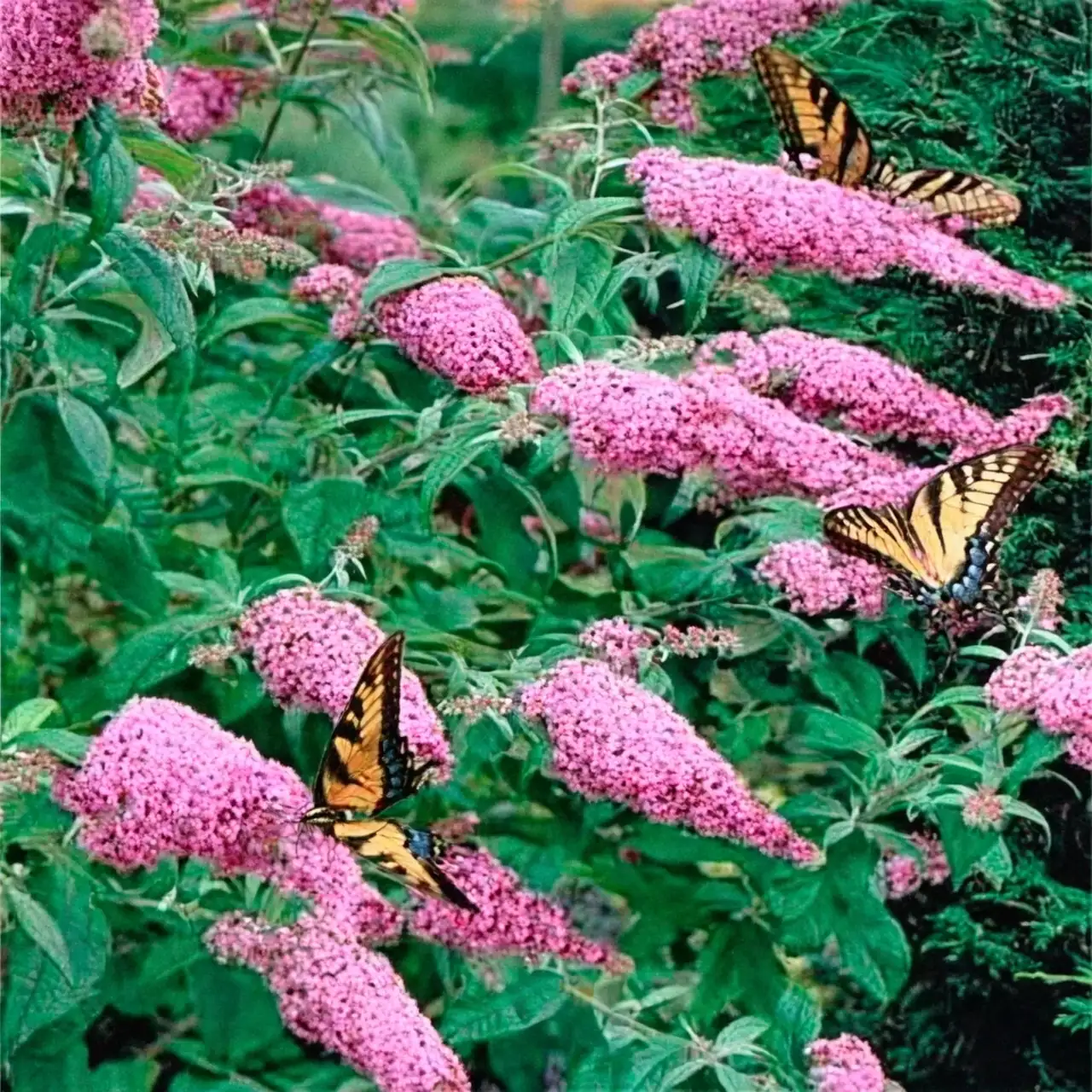
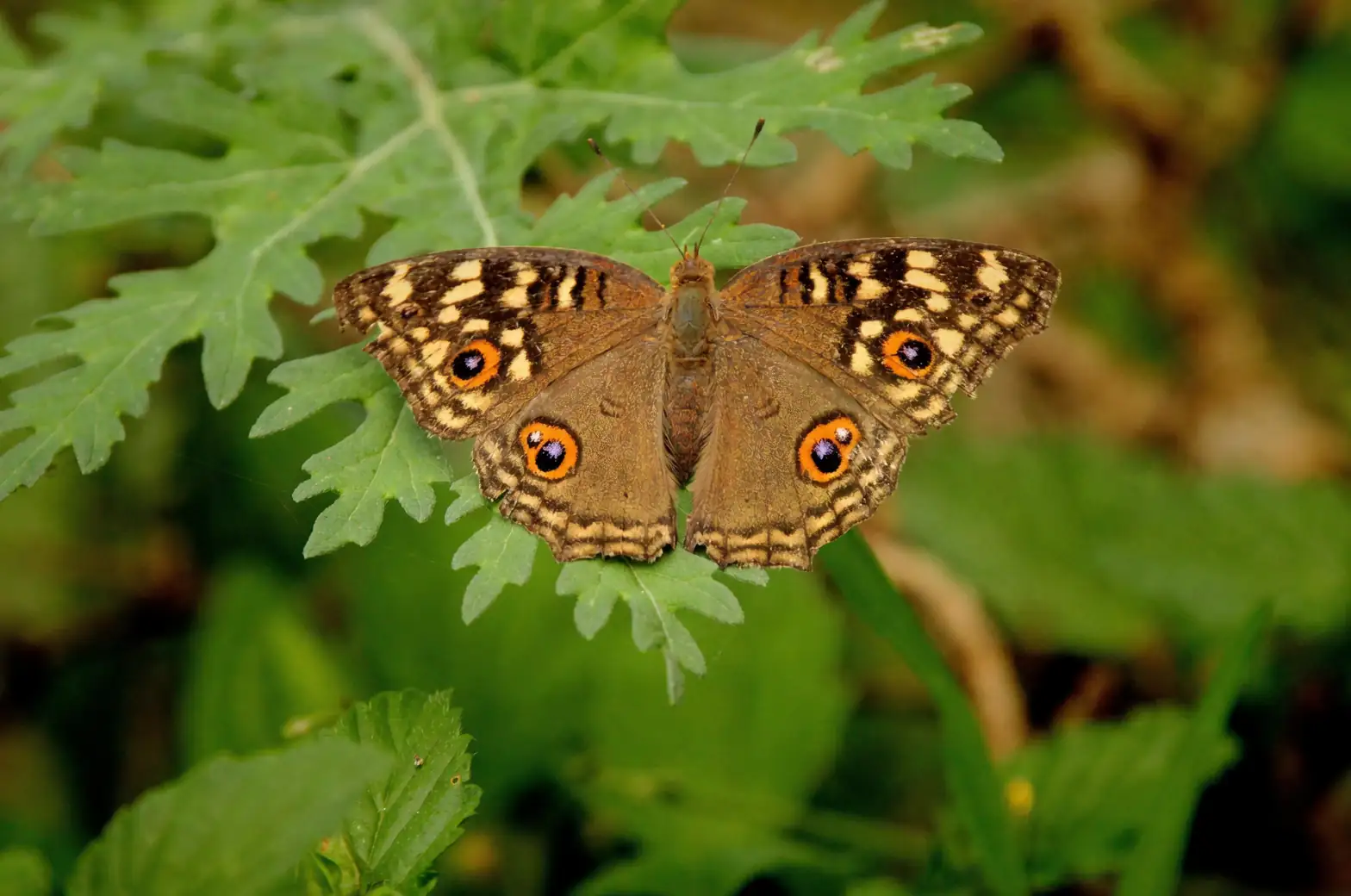
Imagine a garden alive with the vibrant flutter of butterfly wings, drawn irresistibly to the sweet nectar of your Buddleja davidii, commonly known as the Butterfly Bush. This delightful shrub, a native of central China, is famed for its fragrant, nectar-rich blooms that captivate both pollinators and gardeners alike. Yet, like a magnet, it can also attract an entourage of less welcome visitors—pests and diseases that can put a damper on its performance. Fear not! With a few environmentally-friendly strategies, you can keep your Butterfly Bush thriving and free from harm.
Common Pests and How to Manage Them
Although Buddleja davidii is generally tough and low-maintenance, it’s not entirely immune to pest pressures, especially if grown under suboptimal conditions. Here are some of the usual suspects:
Spider Mites: The Tiny Troublemakers
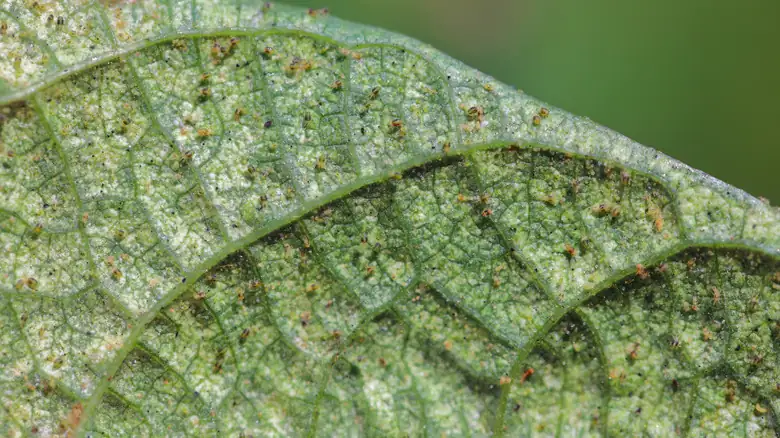
Spider mites are perhaps the most common pests on Butterfly Bushes. These miniscule, sap-sucking arachnids can cause stippling, bronzing, and even webbing on your plant’s foliage during dry spells. The secret to keeping them at bay? A good dose of regular watering to prevent plant stress, coupled with a strong spray of water to physically knock them off. For stubborn infestations, consider using horticultural oils that are kind to the environment but tough on pests.
Earwigs: The Nighttime Nibblers
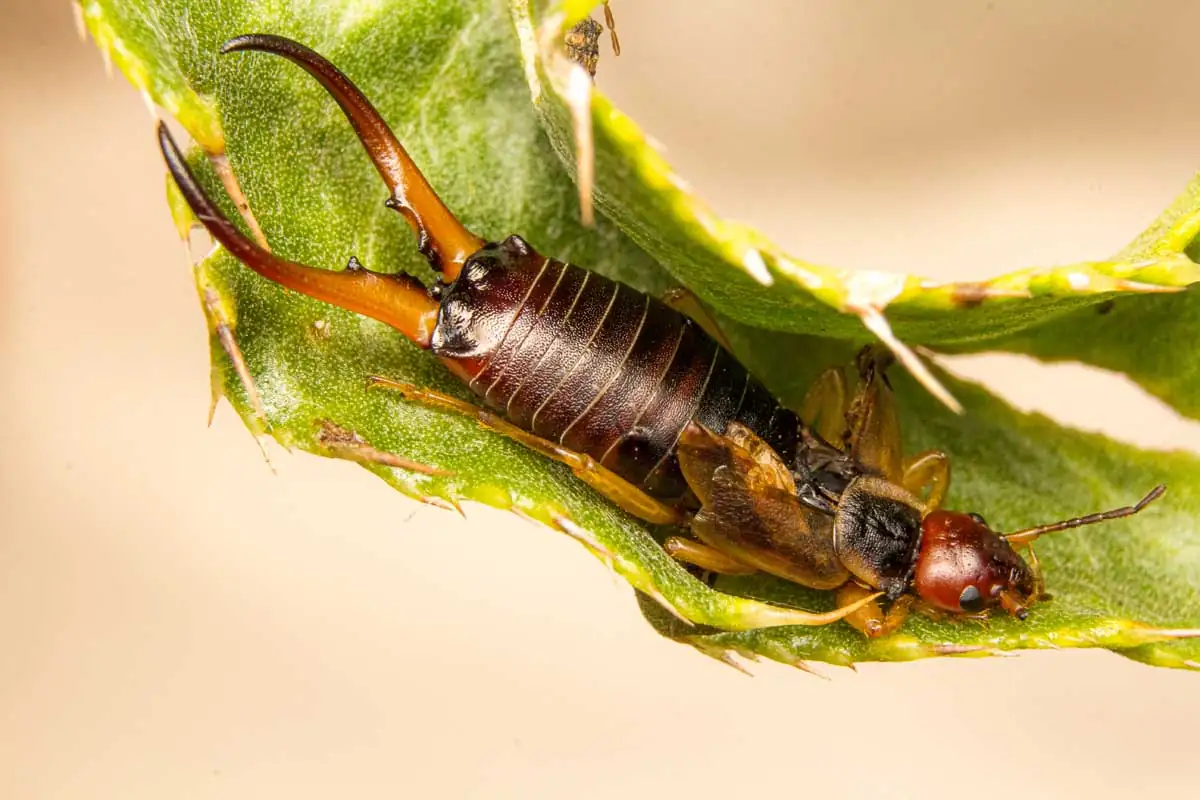
Earwigs might sound like a horror story, but they’re quite manageable. These nocturnal pests leave ragged holes in leaves, but they also play a beneficial role by controlling other pest populations. To curb their numbers, roll up a piece of corrugated cardboard and place it near your shrub overnight; this will act as a trap. In the morning, simply dispose of the cardboard, earwigs and all. For a more hands-off approach, sprinkle diatomaceous earth around the plant base to deter these pincher-equipped visitors.
Nematodes: The Silent Sappers
In warmer regions, nematodes can be a sneaky problem, causing yellowing and decline by attacking the roots. The best course of action? Pull up and dispose of affected plants to prevent the nematodes from spreading. Rotate planting areas and incorporate organic matter to improve soil health and natural nematode resistance.
Diseases: Prevention is Better than Cure
Buddleja davidii is generally disease-resistant, but problems can arise if environmental conditions are less than ideal:
Downy Mildew: The Fungal Foe
Downy mildew can be a challenge in cooler, damp climates where moisture lingers on leaves. This fungal disease manifests as fuzzy spots on the undersides of leaves, leading to yellowing and drop. To combat it, ensure good air circulation by spacing your plants adequately and water early in the day so foliage dries before nightfall. If necessary, use copper-based fungicides as a last resort, applying them sparingly to minimize ecosystem impact.
Simple, Sustainable Solutions
Caring for your Butterfly Bush with an eco-friendly mindset not only protects your plants but also supports the myriad beneficial insects that your garden attracts:
- Water Wisely: Maintain consistent moisture levels, especially during dry spells, to keep your plants robust and less susceptible to pests.
- Prune Promptly: Regular pruning encourages vigorous growth and helps prevent the spread of diseases by improving air circulation.
- Compost Carefully: A light dressing of compost in spring provides all the nutrients this shrub needs, avoiding the excess nitrogen that can attract pests.
- Harness Natural Predators: Encourage ladybugs and lacewings, nature’s pest controllers, by planting a variety of blooms that offer year-round interest.
A Symbol of Resilience
The Butterfly Bush is more than just a pretty face; it symbolizes transformation and hope—a fitting emblem considering its ability to rejuvenate after harsh pruning and the vibrant life it draws to your garden. Much like how it once brought life to bombed-out sites in post-war Britain, it can turn any garden corner into a lively haven.
By arming yourself with knowledge and a few sustainable strategies, you can ensure that your Buddleja davidii remains a centerpiece of beauty and biodiversity, delighting both you and its winged visitors throughout the seasons. So, roll up your sleeves, embrace the challenge, and let your garden buzz with life!