Keep Your Cypress Trees Thriving: Tackling Pests and Diseases
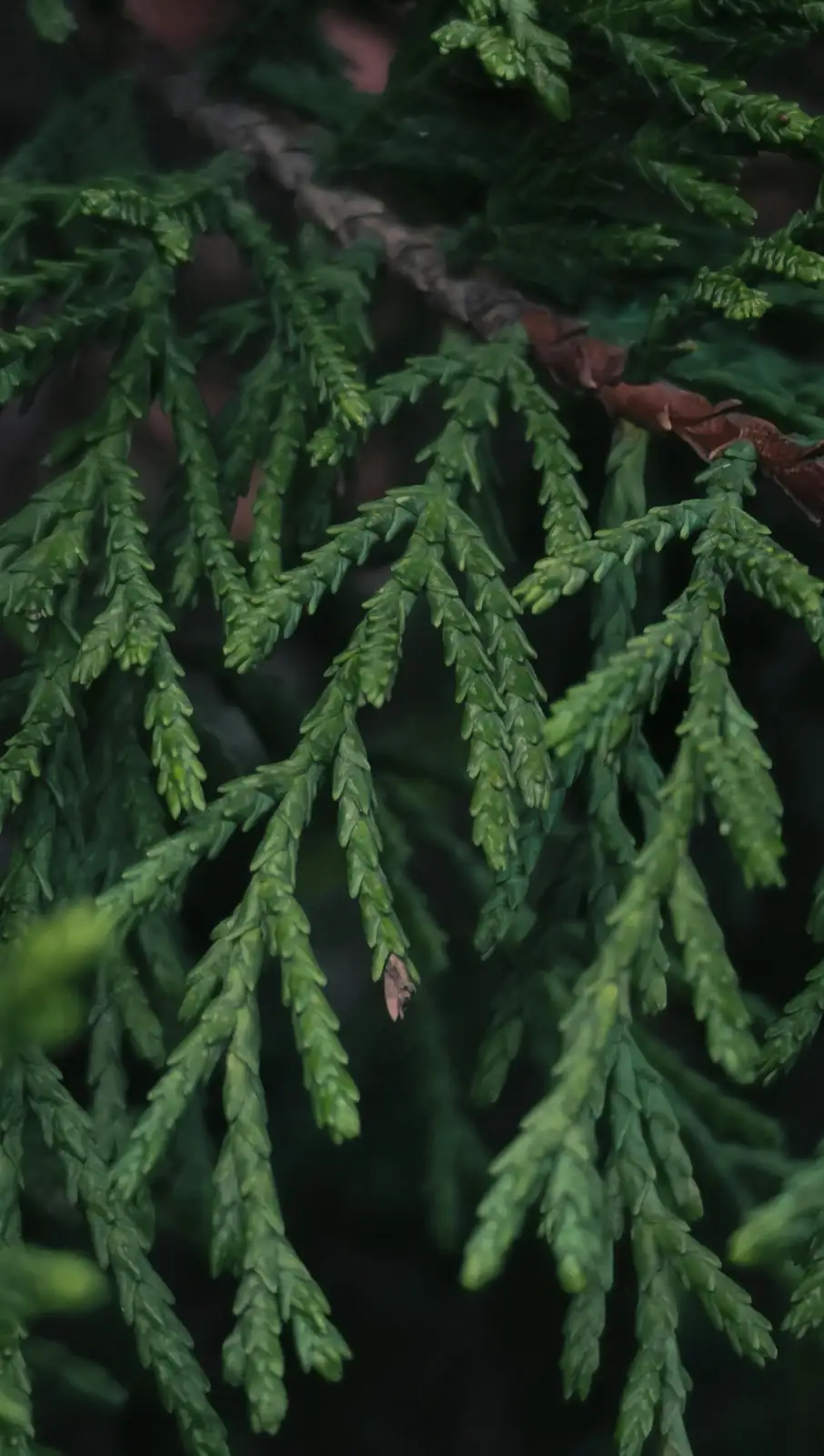
Cypress trees, with their majestic silhouettes and lush greenery, are the sentinels of the landscape. Known for their durability and symbolic ties to longevity and resilience, these trees are as beautiful as they are enduring. Yet, even these stalwart guardians of our gardens are not immune to the challenges posed by pests and diseases. Let’s explore how to keep your cypress trees healthy and vibrant, armed with knowledge and practical solutions.
Common Cypress Ailments: A Closer Look
Cypress trees, including the iconic Italian and Bald Cypress, face a range of challenges from both pests and diseases. Here’s a breakdown of the most common issues and how you can tackle them.
Canker Diseases: The Silent Invaders
Seiridium Canker is a notorious adversary for cypress trees, especially Leyland Cypress, which has become a garden favorite. This fungal disease manifests as dark, sunken lesions on branches, often accompanied by oozing sap. While a single canker might seem innocuous, multiple infections can disrupt water flow, leading to branch dieback and, in severe cases, tree death.
Management Tips:
- Prune Promptly: Remove infected branches as soon as you spot symptoms. This limits the spread and reduces fungal spores in the environment.
- Sanitize Tools: Always clean your pruning shears between cuts to prevent cross-contamination.
- Fungicide Use: In severe cases, a fungicide application may be necessary, but always follow label instructions and consider professional consultation.
Root Rot: The Hidden Threat
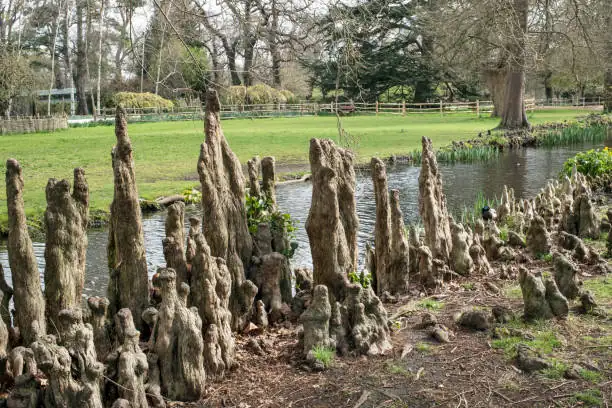
Root rot, often due to Phytophthora species, thrives in poorly drained soils, leading to wilting and yellowing of foliage. This disease is particularly insidious as it attacks the tree’s foundation.
Prevention and Solutions:
- Ensure Proper Drainage: Cypress trees prefer well-drained soil. Amend clay-heavy soils with organic matter to improve aeration.
- Water Wisely: Avoid overwatering. Cypress trees are drought-tolerant once established, so deep, infrequent watering is best.
- Consider Resistant Stock: When planting new trees, choose varieties known for higher resistance to root rot.
Needle Blight: The Foliage Menace
Needle blight causes the needles to yellow and drop, usually starting from the inner branches and moving outward. This can be particularly noticeable in late fall.
Control Measures:
- Regular Inspections: Keep an eye out for early symptoms and remove affected branches.
- Airflow Improvement: Ensure your trees aren’t overcrowded. Pruning to increase airflow can reduce humidity, which fungi love.
Pest Patrol: Defending Your Cypress
While cypress trees are generally robust, several pests can pose problems.
Bagworms and Mites: Tiny Trouble
Bagworms are common culprits, creating unsightly bags that hang like ornaments from branches. Spider mites, meanwhile, can cause the foliage to look dusty or stippled.
Combat Strategies:
- Hand Removal: For bagworms, manual removal is effective in small infestations.
- Spray Solutions: In larger cases, applying insecticidal soap or horticultural oil can manage both bagworm and mite populations.
- Monitor Regularly: Early detection is crucial. Regularly check the undersides of leaves for mites and their webs.
Keeping Cypress Trees Strong: Proactive Measures
Preventative care is the cornerstone of maintaining healthy cypress trees.
- Site Selection: Choose a location with full sun exposure and excellent drainage.
- Avoid Overcrowding: Plant trees with enough space to breathe, reducing stress and disease risk.
- Annual Check-ups: Incorporate a seasonal inspection routine to catch early signs of trouble.
- Balanced Nutrition: Use a slow-release fertilizer in spring if needed, but avoid over-fertilizing, which can lead to weak, disease-prone growth.
Cypress: A Symbol of Eternity
Throughout history, cypress trees have symbolized eternal life and resilience. In Chinese culture, 柏树 (bǎishù) represents steadfast vitality, often gracing places of remembrance. By understanding and addressing the challenges these trees face, you not only preserve their beauty but also their profound symbolic legacy.
In the world of gardening, every challenge is an opportunity to engage more deeply with your plants. With vigilance and care, your cypress trees will continue to stand tall, offering their quiet strength and timeless elegance to your landscape.