Protecting Your Wishbone Flowers: Identifying and Combating Pests and Diseases
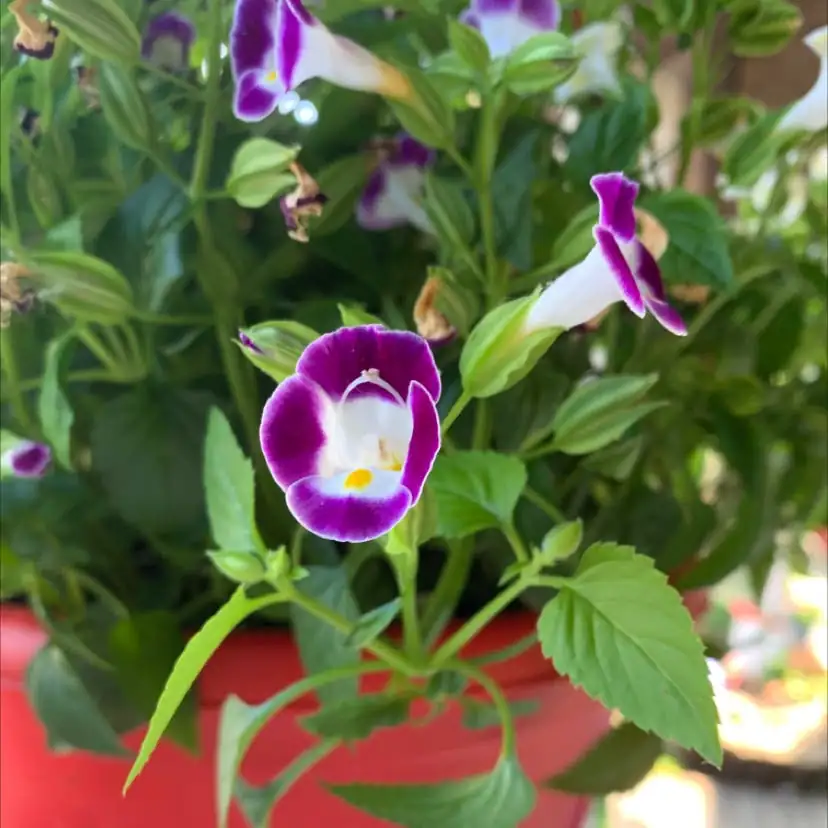
Imagine a garden awash with the vibrant colors of Torenia fournieri—commonly known as the Wishbone Flower. These delightful blooms, with their jewel-like shades and contrasting throats, bring an enchanting touch to any shady spot. But even the most charming garden can face challenges from sneaky pests and diseases. Fear not, as we explore how to keep your wishbone flowers healthy and thriving.
The Cheerful and Resilient Torenia
Before diving into pest management, let’s get to know the Wishbone Flower a little better. Native to warm, humid regions of Asia and tropical Africa, Torenia is a compact, mounded annual (or tender perennial in frost-free zones) that loves the shade. These plants are perfect for shaded borders, hanging baskets, and window boxes, offering a burst of color from late spring until the first frost.
But what makes the Wishbone Flower truly special is its self-cleaning nature—spent blooms drop off naturally, keeping your garden looking fresh with minimal effort.

Common Pests: Uninvited Guests
While Torenia is generally trouble-free, it can occasionally attract some unwanted visitors:
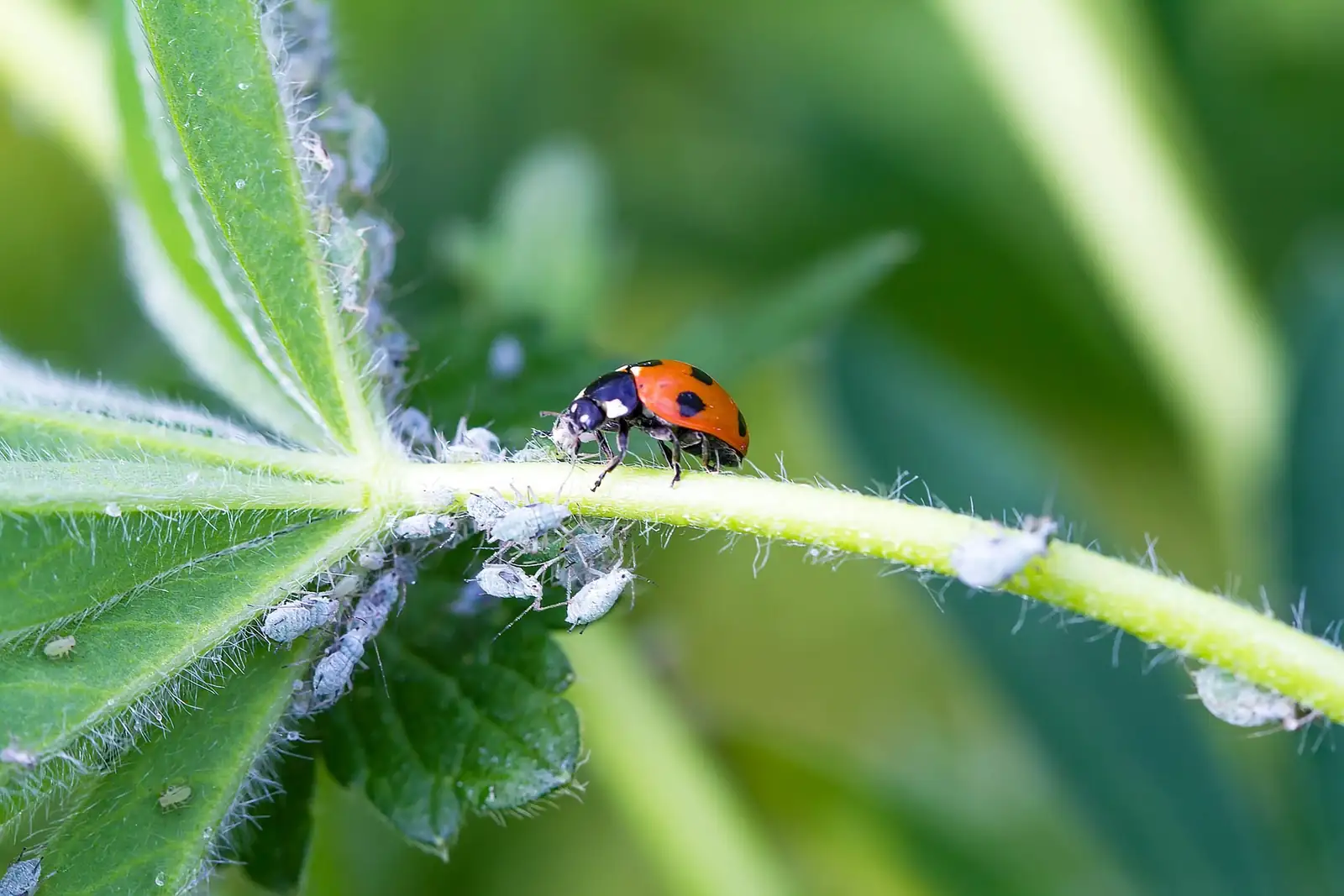
- Aphids: These tiny insects can cluster on new growth, sucking sap and potentially spreading disease. Keep an eye out for sticky residue or curled leaves.
- Whiteflies: Like aphids, whiteflies feed on plant sap and can become a nuisance if not controlled.
Natural Remedies:
- Insecticidal Soap or Neem Oil: These are great options for managing both aphids and whiteflies. Apply as directed, ensuring thorough coverage of the affected areas.
- Encourage Beneficial Insects: Ladybugs and lacewings love to feast on aphids. Attract these helpful insects by planting companion plants like dill or fennel nearby.
Slugs and Snails: The Nighttime Nibblers
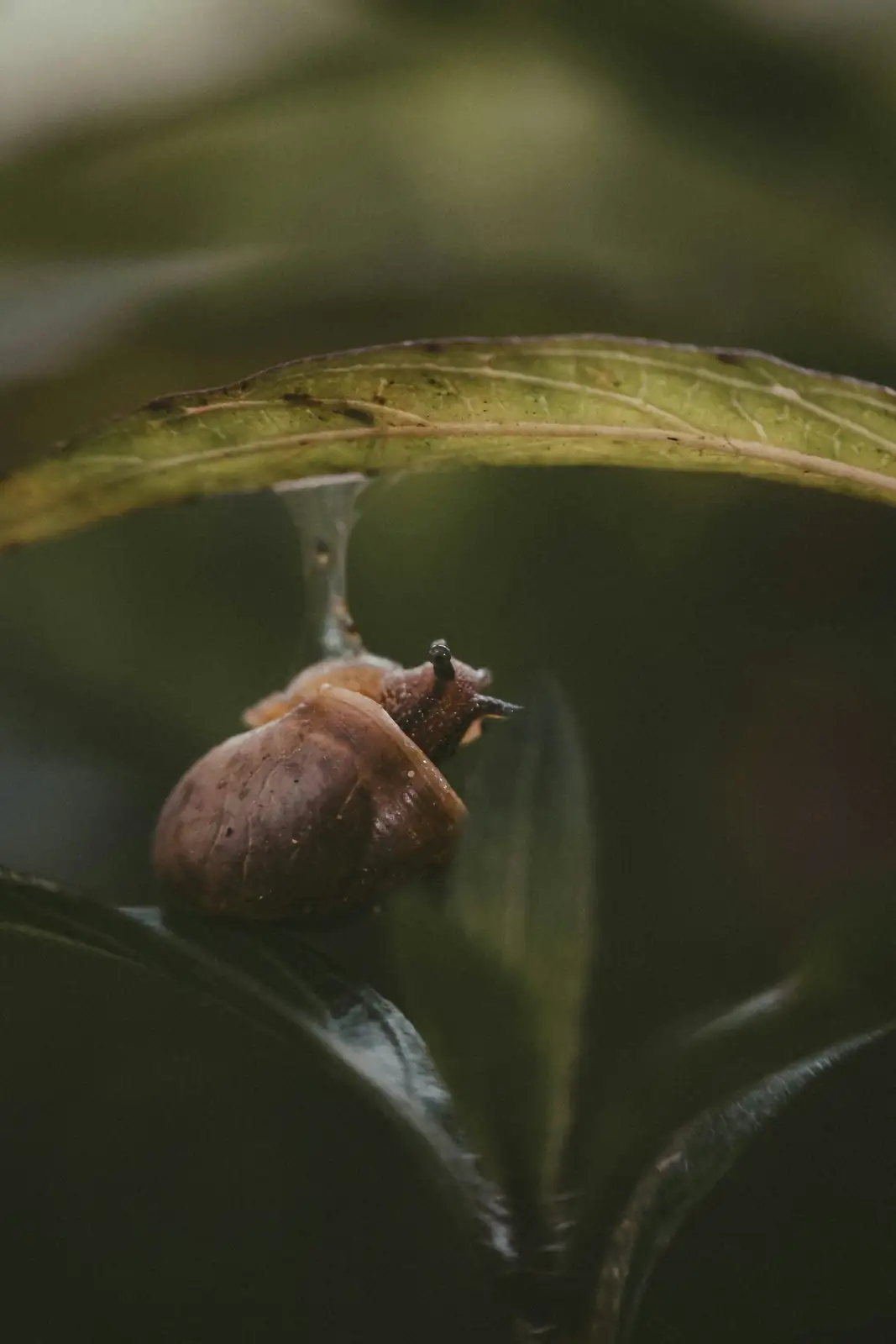
In shady and damp conditions, slugs and snails might take a liking to your Torenia. They can chew holes in leaves, leaving your plants looking tattered.
Prevention and Control:
- Barriers: Create physical barriers using copper tape or diatomaceous earth around your plants.
- Natural Predators: Encourage birds or use natural predators like ground beetles to control slug and snail populations.
Fungal Foes: Powdery Mildew and Root Rot
Fungal diseases can sometimes plague wishbone flowers, especially in humid conditions with poor airflow.
- Powdery Mildew: This appears as a white, powdery coating on leaves, often a result of too much moisture on foliage.
- Root Rot: Overwatering or poor drainage can lead to this deadly condition.
Preventive Measures:
- Water Wisely: Water at the base of the plant and avoid getting leaves wet. Consider using mulch to retain soil moisture and reduce evaporation.
- Improve Air Circulation: Space plants appropriately and prune as needed to ensure good airflow.
Building a Resilient Torenia Garden
Keeping your Torenia plants healthy is all about balance. Here are some tips to maintain their vigor:
- Soil and Sunlight: Plant in rich, well-draining soil, and place them in partial to full shade, especially if you live in a hot climate.
- Humidity and Temperature: Torenia thrives in warm, humid conditions but ensure there is good air circulation to prevent fungal issues.
- Feeding and Care: Regular feeding every 2-4 weeks with a balanced fertilizer can help maintain lush growth and vibrant blooms.
By understanding the needs of your Wishbone Flowers and keeping an eye out for common pests and diseases, your garden will remain a vibrant oasis of color. Remember, a little vigilance goes a long way in keeping these delightful blooms at their best. So, get your gardening gloves on and enjoy the charm and beauty that Torenia fournieri brings to your outdoor space!