
Cosmos bipinnatus Cav., affectionately known as the Garden Cosmos or Mexican Aster, is a beloved staple in gardens that seek to blend aesthetic charm with ecological benefits. These plants are not only easy to grow but also invite a swarm of pollinators, making them a gardener’s dream. However, even these hardy flowers can face challenges from pests and diseases. Fear not! This guide will equip you with eco-friendly strategies to keep your cosmos thriving and free from unwanted visitors.
Identifying Common Pests
Aphids
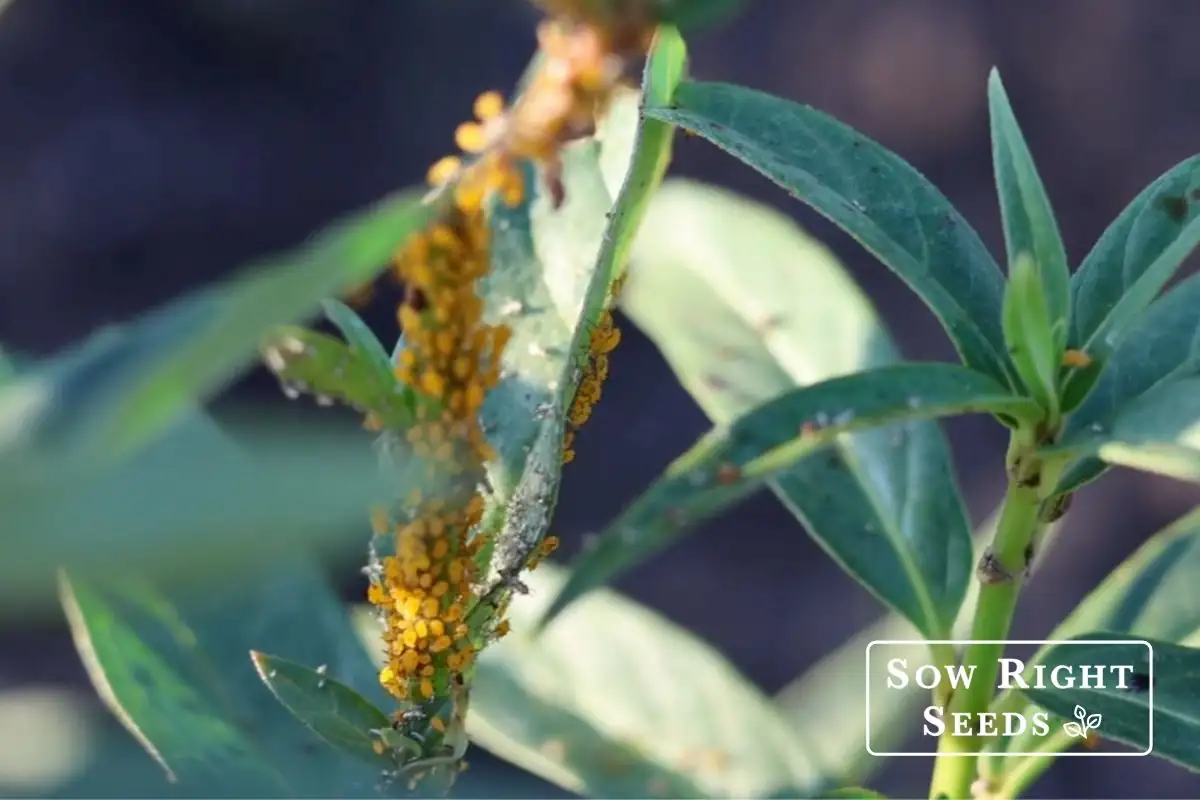
Aphids, often seen as tiny green, black, or white specks, are frequent visitors to cosmos. They love to congregate on tender new growth, sucking the sap and potentially stunting your plant’s development. If left unchecked, they can also invite ants and spread disease.
Solution: A strong spray of water can dislodge them from your plants. For more persistent infestations, consider using insecticidal soap or neem oil—both are effective and gentle on the environment.
Thrips and Flea Beetles
Thrips and flea beetles are small, quick pests that can mar the foliage and flowers of your cosmos with their feeding patterns. Thrips are particularly sneaky, often hiding within the flowers themselves, while flea beetles leave tiny holes in the leaves.
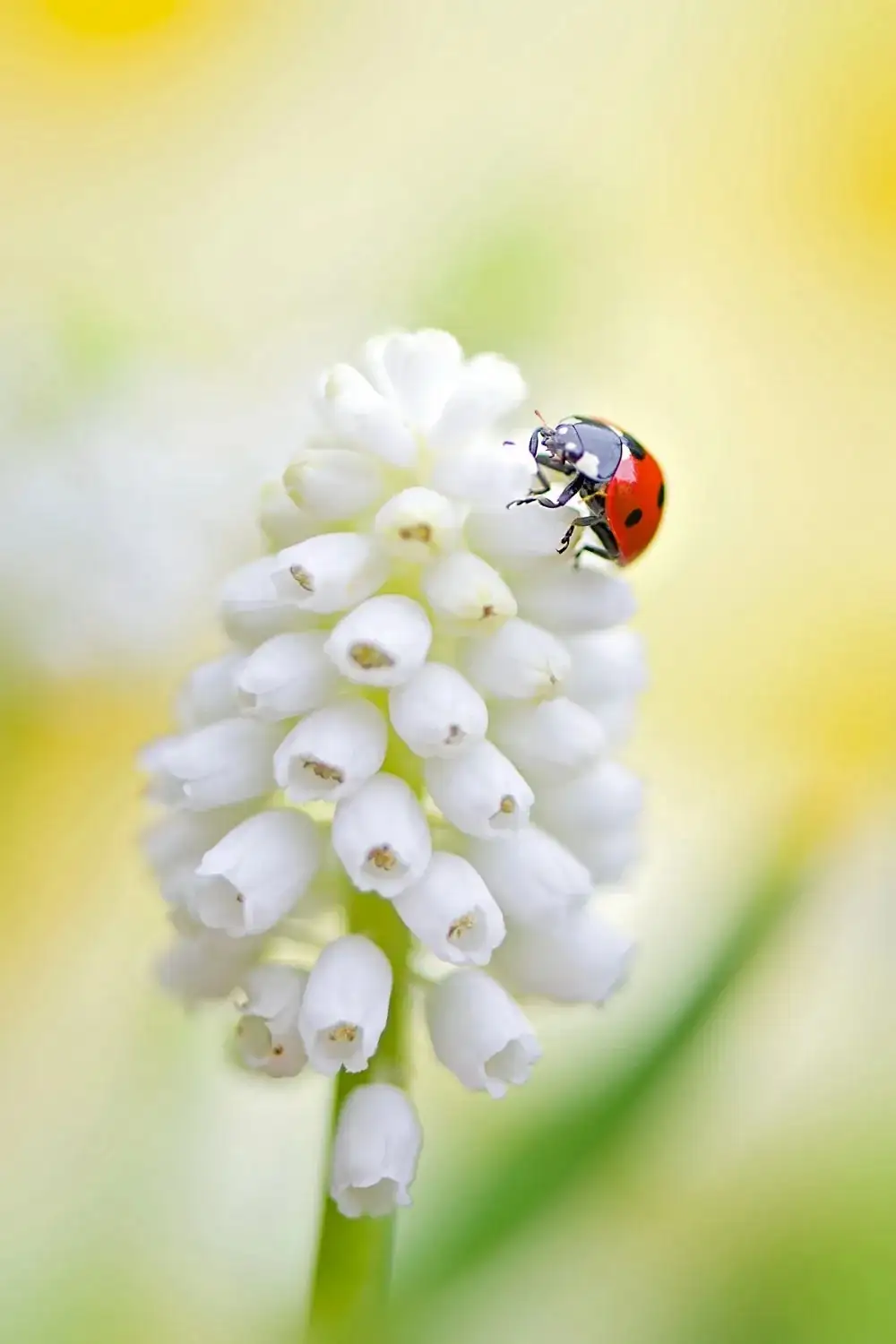
Solution: Introduce beneficial insects like ladybugs or lacewings to your garden, which naturally prey on these pests. Additionally, applying diatomaceous earth around your plants can deter flea beetles.
Managing Fungal Diseases
Powdery Mildew
Cosmos can fall prey to powdery mildew, a fungal disease that appears as a white, powdery coating on leaves. It’s more common in damp, shaded conditions with poor airflow.
Solution: Ensure your cosmos are spaced adequately to allow for air circulation and plant them in full sun. If powdery mildew appears, remove affected leaves and apply a fungicidal spray made from baking soda and water.
Aster Yellows
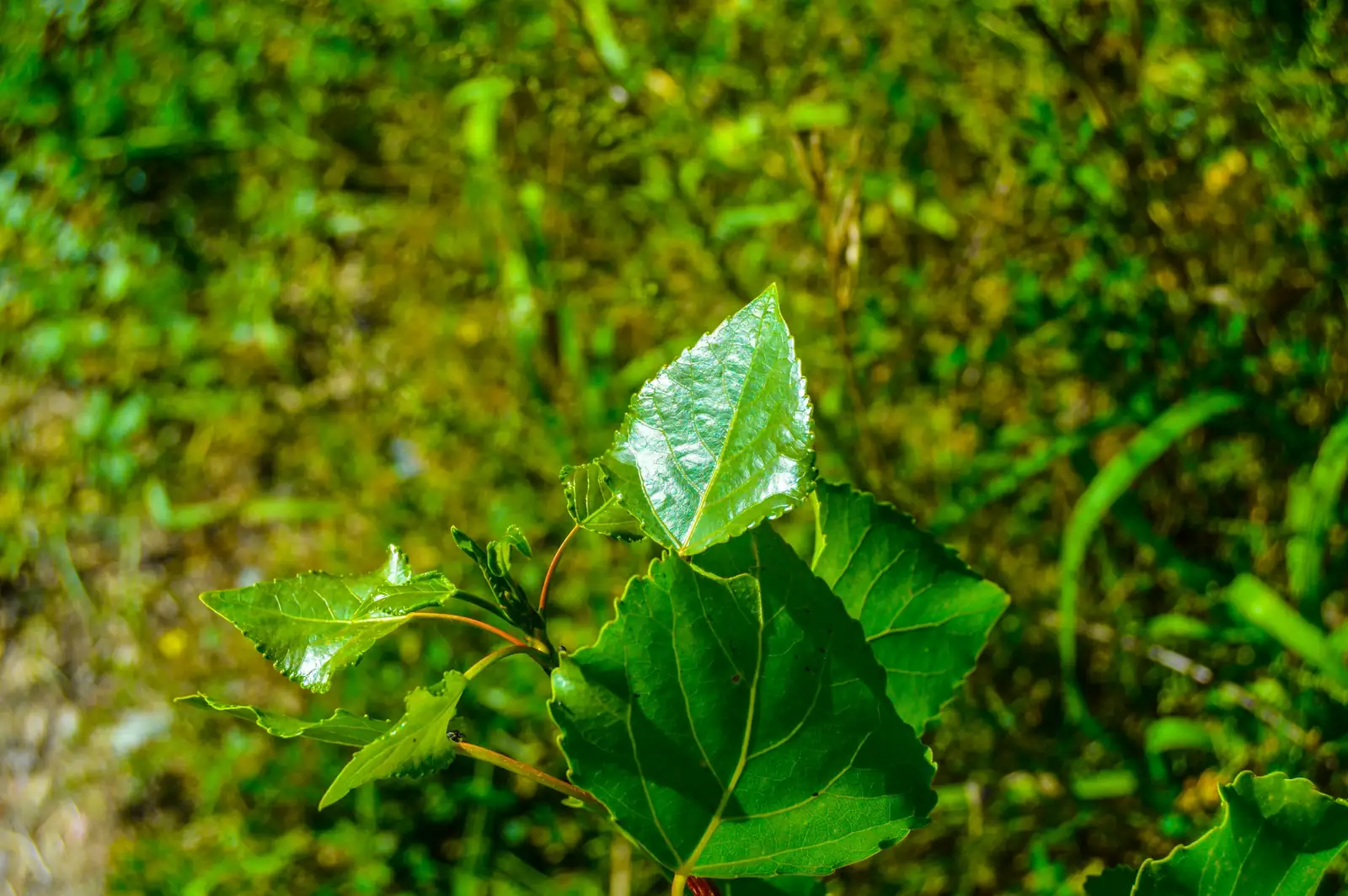
This disease is spread by leafhoppers and can cause yellowing and distorted growth in cosmos. Unfortunately, there is no cure for infected plants.
Solution: To prevent aster yellows, control leafhopper populations with floating row covers or by encouraging natural predators. Remove and destroy any infected plants to prevent the spread.
Eco-Friendly Practices for Thriving Cosmos
- Watering: Cosmos thrive on minimal water once established. Overwatering not only reduces flowering but also invites root diseases. Water deeply but infrequently, allowing the soil to dry out between sessions.
- Fertilization: Avoid high-nitrogen fertilizers, which promote lush foliage at the expense of flowers. Instead, if necessary, use a balanced bloom fertilizer sparingly to encourage flowering.
- Deadheading and Pruning: Regularly deadhead your cosmos to promote continuous blooming. If plants become leggy or tired midseason, a trim by about one-third can invigorate new growth.
Creating a Resilient Cosmos Garden
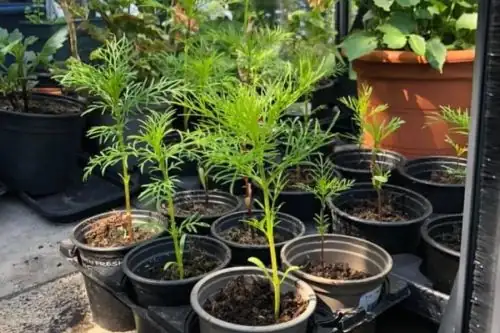
To cultivate a pest- and disease-resistant cosmos garden, start by selecting healthy seedlings or seeds from a reputable source. Plant them in well-draining soil and remember, cosmos love the sun—place them where they can bask for at least 6–8 hours a day.
Finally, embrace the natural beauty and resilience of cosmos. By fostering a garden that encourages beneficial insects and maintains good cultural practices, you can enjoy these vibrant, fluttering blooms from summer to fall. With a little care and attention, your cosmos will dance in the breeze, offering not just visual delight but also a thriving ecosystem for pollinators. Happy gardening!