
Houseplants are a fantastic way to bring nature indoors, but sometimes, uninvited guests—houseplant pests—tag along. These tiny intruders can turn your lush indoor garden into a battleground. But don’t worry! With some know-how and a bit of effort, you can keep your plants healthy and pest-free. Let’s dive into identifying and treating common houseplant pests in the cozy confines of your home.
Spotting the Culprits: Common Houseplant Pests
Before you can treat a problem, you need to know what you’re dealing with. Here are some of the most common pests you might find on your houseplants:
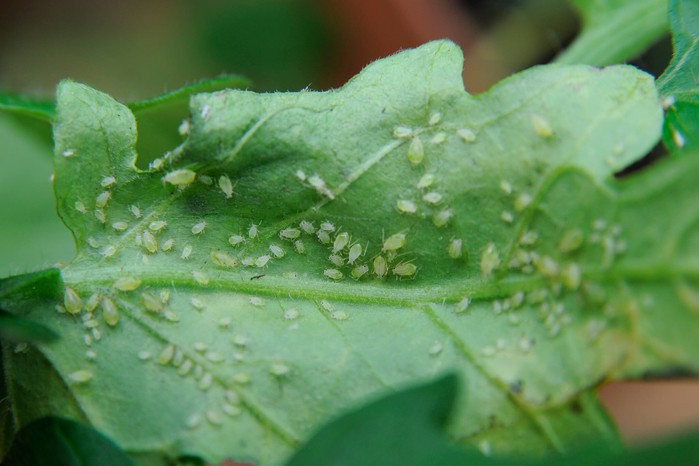
- Aphids: These pear-shaped insects are often green but can also be brown, black, or pink. They love to gather on the undersides of leaves and new growth, causing leaves to yellow and deform.
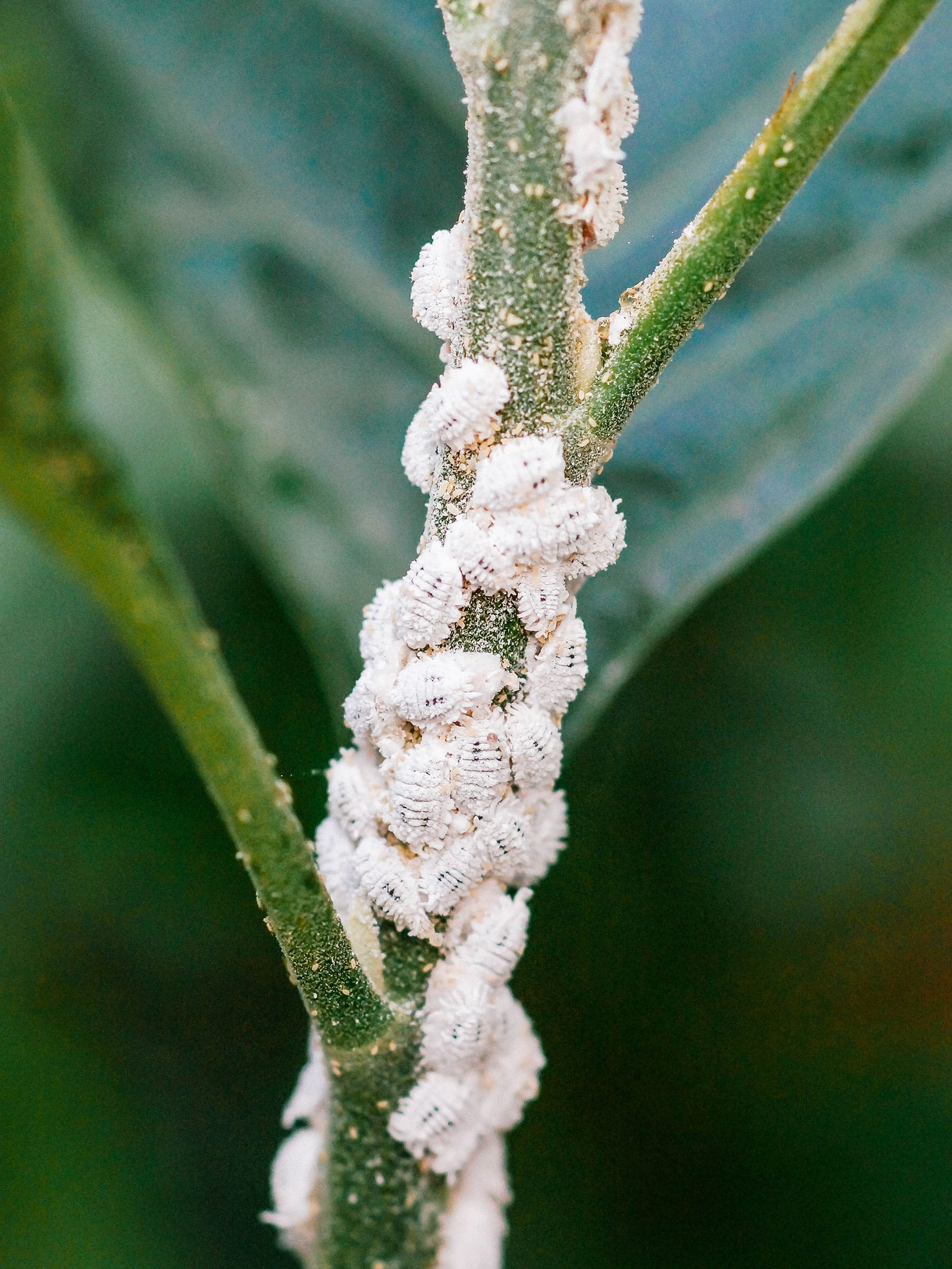
- Mealybugs: Recognizable by their white, cottony masses, mealybugs suck sap from leaves and stems, leading to stunted growth.
- Spider Mites: These tiny pests leave fine webs on your plants, usually under leaves or between branches. They cause leaves to become speckled and discolored.
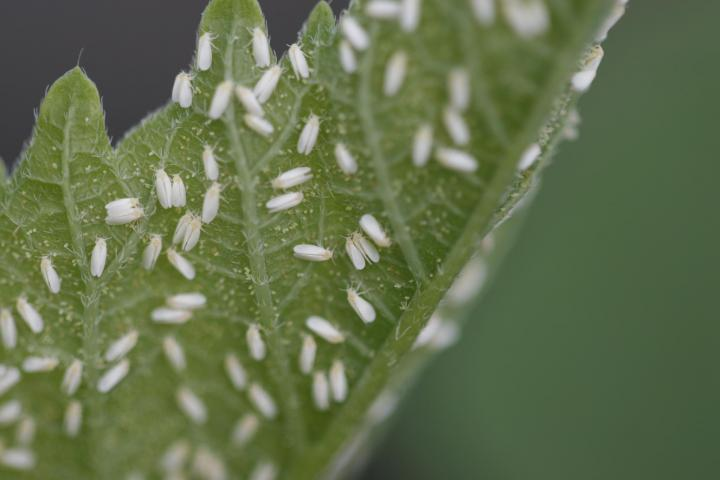
- Whiteflies: These tiny, white-winged insects are usually found on the undersides of leaves. They suck the sap from plants, leading to weakened growth and yellowing leaves.
- Fungus Gnats: While more of an annoyance than a serious threat, these small, mosquito-like insects can become a nuisance when their larvae feed on plant roots.
- Scale Insects: These pests cover themselves in a waxy shell, making them hard to spot. Look for sticky honeydew residue or sooty mold on your plant as indicators.
Prevention is the Best Defense
Keeping pests at bay starts with prevention:
- Inspect New Plants: Before bringing a new plant home, check for any signs of pests. It’s a good idea to isolate new additions for a few weeks to ensure they aren’t hiding any unwelcome guests.
- Maintain Plant Health: Healthy plants are less susceptible to pests. Ensure your plants are getting the right amount of water, light, and nutrients.
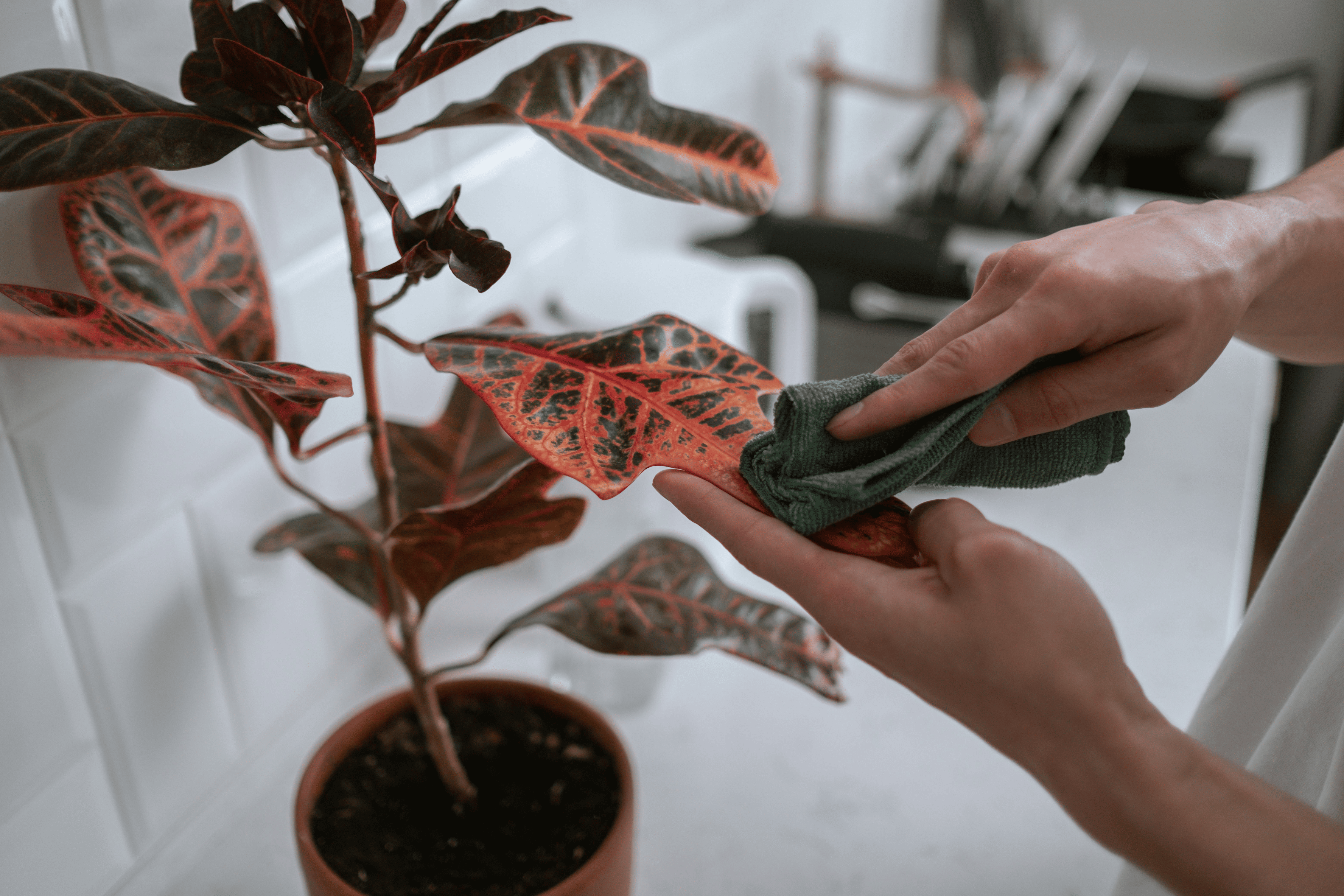
- Clean Regularly: Dust can attract pests, so make a habit of wiping leaves with a damp cloth or giving them a gentle shower.
- Control Humidity: Overly damp environments can encourage pest infestations. Ensure good air circulation and avoid overwatering.
Treatment: A Step-by-Step Approach
If pests have already set up shop, it’s time to take action:
- Isolation: Move infested plants away from others to prevent the pests from spreading.
- Manual Removal: For visible pests like scale insects, gently scrape them off with a fingernail or a cotton swab dipped in alcohol.
- Neem Oil or Insecticidal Soap: These are effective and eco-friendly options for dealing with most pests. Spray affected plants thoroughly, making sure to reach the undersides of leaves.
- Pruning: For severe infestations, remove the most affected areas of the plant to stop the spread.
- Soil Drench: For fungus gnats, allow the soil to dry out between waterings and consider repotting with fresh, well-draining soil.
Keep an Eye Out
Regularly inspect your plants, especially the undersides of leaves, for early signs of pests. Catching an infestation early makes it much easier to manage.
By staying vigilant and taking proactive steps, you can keep your houseplants healthy and thriving, free from the pesky pests that might otherwise take over. Remember, a little attention goes a long way in maintaining the lush beauty of your indoor garden. Happy planting!