As the air turns crisp and the leaves begin their colorful descent, it’s tempting to hang up the gardening gloves for the year. But hold on! Fall is a crucial time for certain garden tasks that can set the stage for a vibrant and healthy garden come spring. Let’s dig into the essentials of fall pruning and fertilizing, ensuring your garden gets the care it needs before winter sets in.
To Prune or Not to Prune?
While it might seem intuitive to tidy up everything in your garden as the growing season winds down, fall pruning requires a discerning approach. Here’s what you need to know:
What You Should Prune
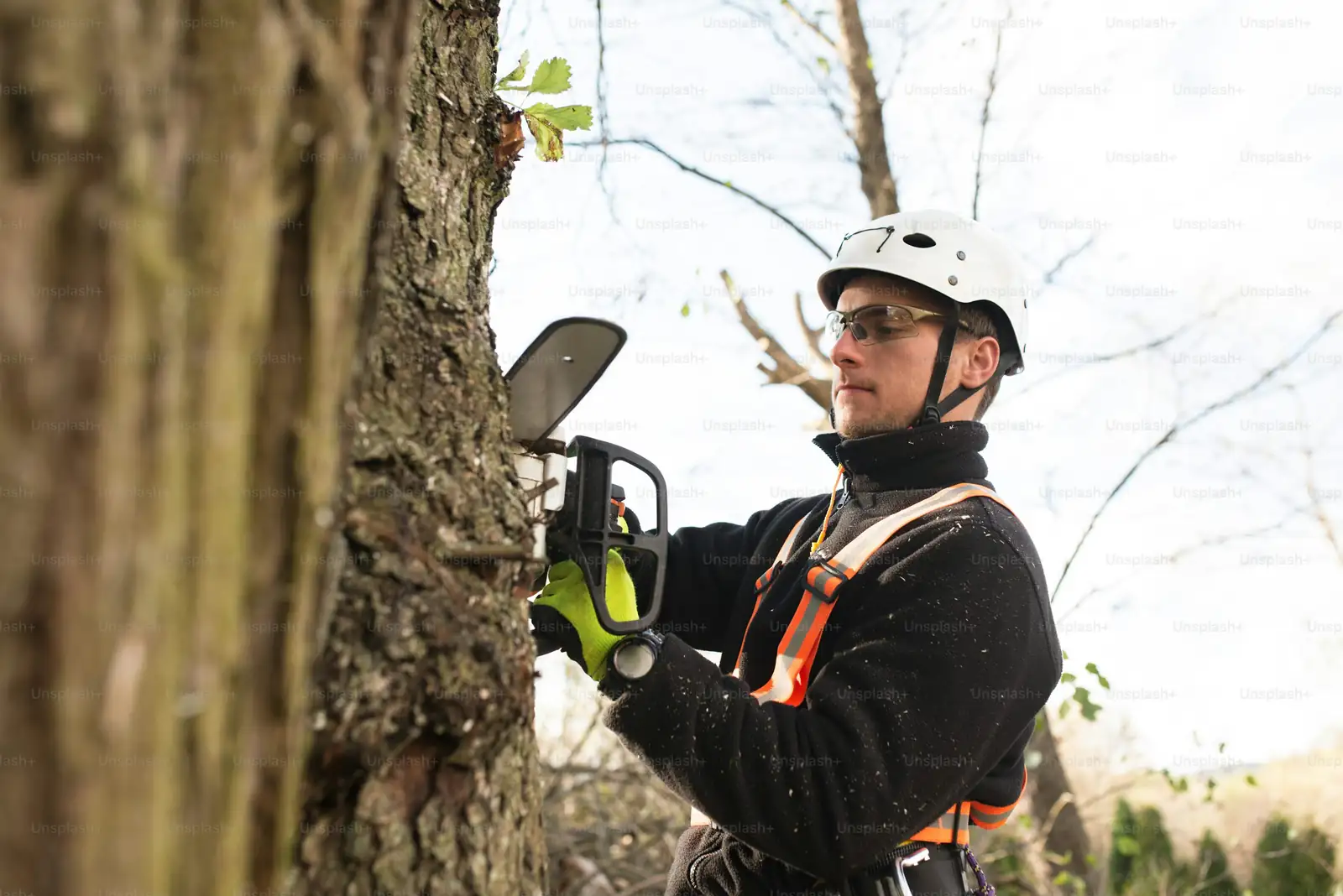
- Dead Limbs on Trees: Especially in regions expecting heavy snow or ice, removing dead limbs can prevent damage to both the tree and anything below it. This makes late fall the perfect time for this task.
- Shrub Roses: If your rose bushes are sprawling into walkways or risk being damaged by snow, trim them back by 2 to 4 inches, but only after several hard freezes to avoid encouraging new growth.
- Diseased Perennials: Plants like bearded iris and peony that suffered from diseases like powdery mildew should be cut back to 2 to 4 inches. Dispose of these cuttings to prevent spreading.
- Suckers: Some shrubs, like sumac and witch hazel, send up suckers at their base. Remove these to prevent them from taking over.
What to Avoid Pruning
- Spring-Flowering Shrubs: Pruning lilacs or azaleas now could mean losing next year’s blooms, as they set buds in the fall.
- Ornamental Grasses and Hardy Perennials: These should be left alone until spring to protect their crowns and provide winter interest.
Fertilizing: The Right Approach
Fertilizing in the fall can be a bit tricky, but when done correctly, it can greatly benefit your garden.
When to Fertilize
- Established Trees and Shrubs: If they appear to need a boost (e.g., poor growth or pale leaves), late fall is a good time to apply fertilizer. This timing allows them to store energy for a strong spring start.
- Avoid Early Fall Fertilizing: This could encourage tender new growth vulnerable to winter damage. Wait until after the first frost when new growth has ceased.
Fertilizing Tips
- Healthy Plants: If your trees and shrubs are thriving, they might not need any additional nutrients. In such cases, focus on improving soil health instead, which indirectly supports plant growth.
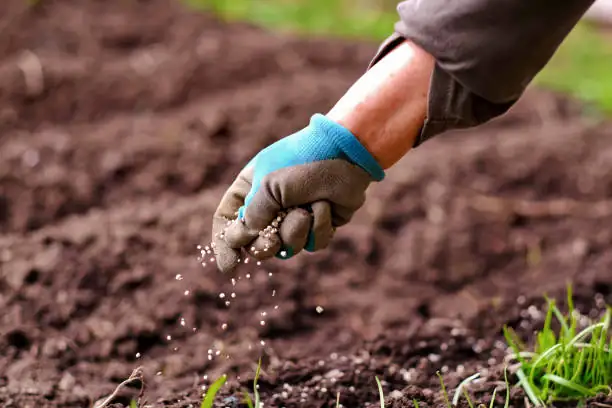
- Follow Instructions: Always adhere to the package guidelines for the amount to apply. Over-fertilization can be as harmful as neglect.
Timing and Tools
The window for these tasks generally falls between Thanksgiving and New Year’s, when plants are entering dormancy but before the ground freezes solid. Use clean, sharp tools to make clean cuts and prevent disease.
By focusing on these strategic pruning and fertilizing tasks during the fall, you’re setting up your garden for a healthy, beautiful spring. Remember, each garden is unique, so observing and understanding your plants’ specific needs will always yield the best results. Happy gardening!