
If the common fig had a dating profile, it would say: “Deciduous, sweet, a little mysterious, and great in small spaces.” Meet Ficus carica—the ancient fruit tree that hides its flowers, often gives two harvests a year, and only sometimes cares about wasps. Let’s decode the fig’s best-kept secrets so you can grow it confidently in your backyard or on a sunny patio.
Meet Ficus carica, the extroverted introvert of fruit trees
- Identity check: Common Fig, Edible Fig, Ficus carica—member of the mulberry family (Moraceae), native to the Mediterranean and parts of western and southern Asia.
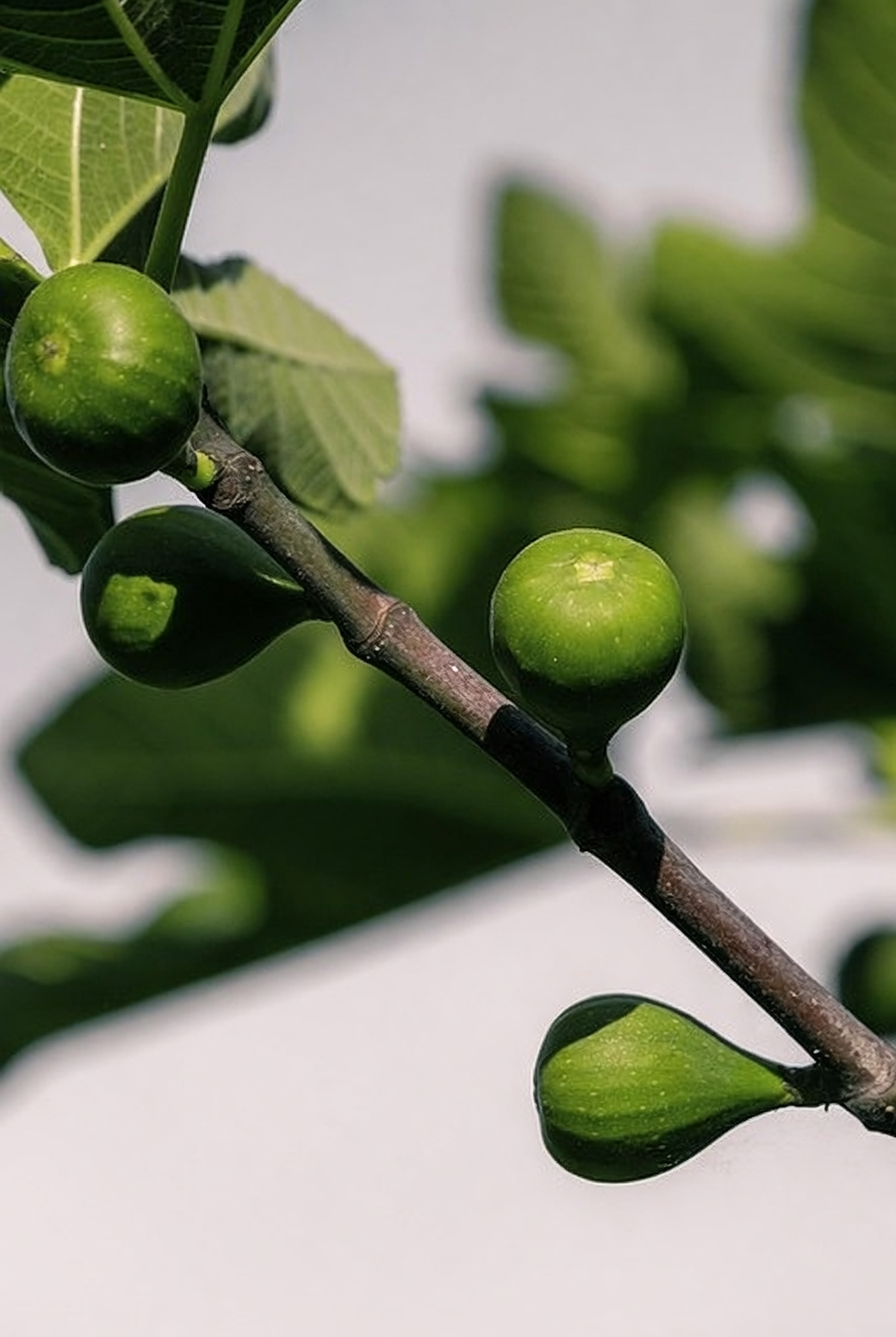
- Habit and looks: A deciduous tree or large shrub with bold, lobed leaves. Typically 10–30 ft tall and about as wide, though size is easy to tame with pruning and container culture.
- Personality: Easygoing, drought-tolerant once established, and famously beginner-friendly. It drops leaves in winter and rockets back to life when warmth returns.
Myth-busting #1: “Figs don’t have flowers.”
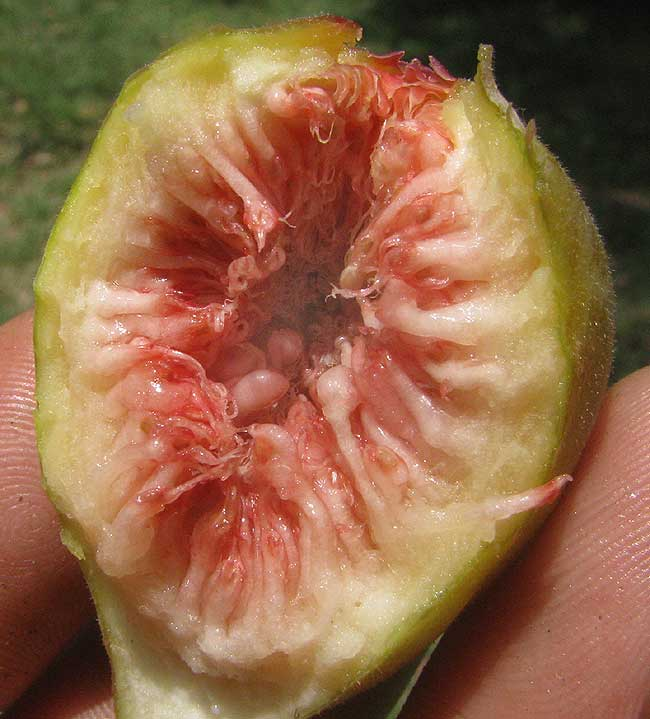
They absolutely do—they’re just introverts about it. Instead of flaunting blooms on branches, figs tuck hundreds of teeny flowers inside a hollow, pear-shaped structure called a syconium. That “fruit” you bite into is a floral nightclub: the walls are lined with tiny blooms, and the crunchy bits are the true fruits (achenes). It’s one of botany’s greatest plot twists.
Myth-busting #2: “Every fig needs a wasp.”
Not in most backyards. Here’s the quick reality check:
Quick guide: do you need a wasp?
- Common garden figs (what nurseries typically sell): No wasp needed. Most popular cultivars are self-fruiting and set sweet figs without pollination.
- Special cases (select types): Some figs do rely on a specialized fig wasp to move pollen. These are not the norm for home growers outside of traditional fig-wasp regions.
So… are there wasps in my figs?
- If you’re growing the usual backyard varieties, your figs form without any wasp visit at all.
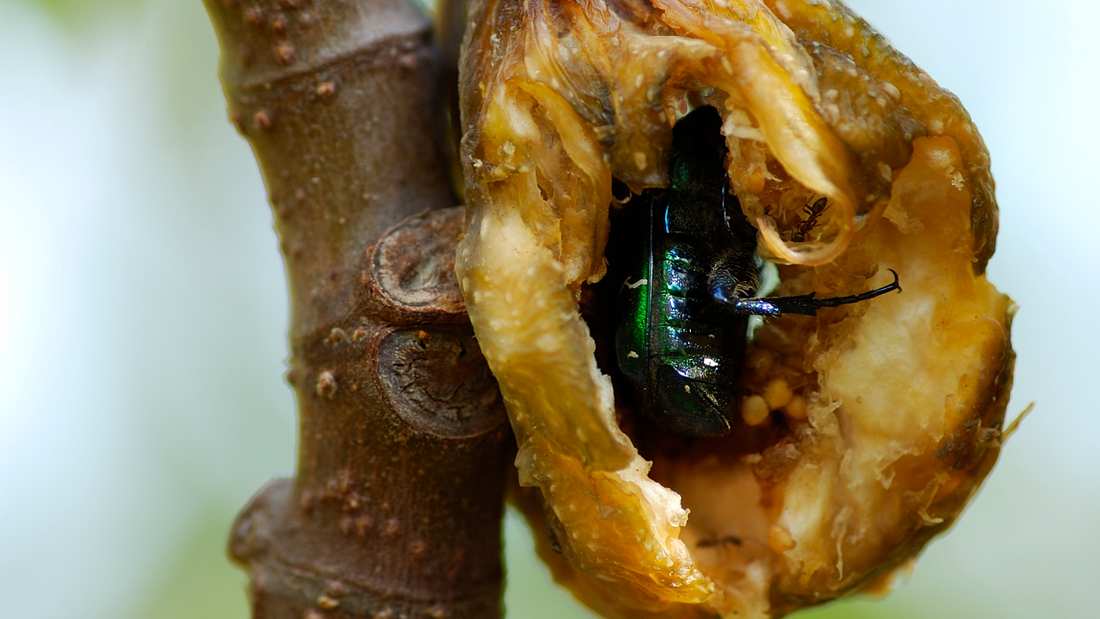
- In wasp-pollinated types, the wasp’s role is pollination inside the syconium. You do not crunch wasps—those “seeds” are botanically the fig’s own fruits. Any wasp that enters typically doesn’t remain intact; the fig’s enzymes break down soft tissues, and what’s left is imperceptible.
- Translation for the squeamish: For the cultivars you’ll likely plant at home, the wasp drama is a non-issue.
The fig’s double act: breba vs. main crop
Many cultivars can deliver two crops each year, and this is where figs feel like they’re cheating the system.
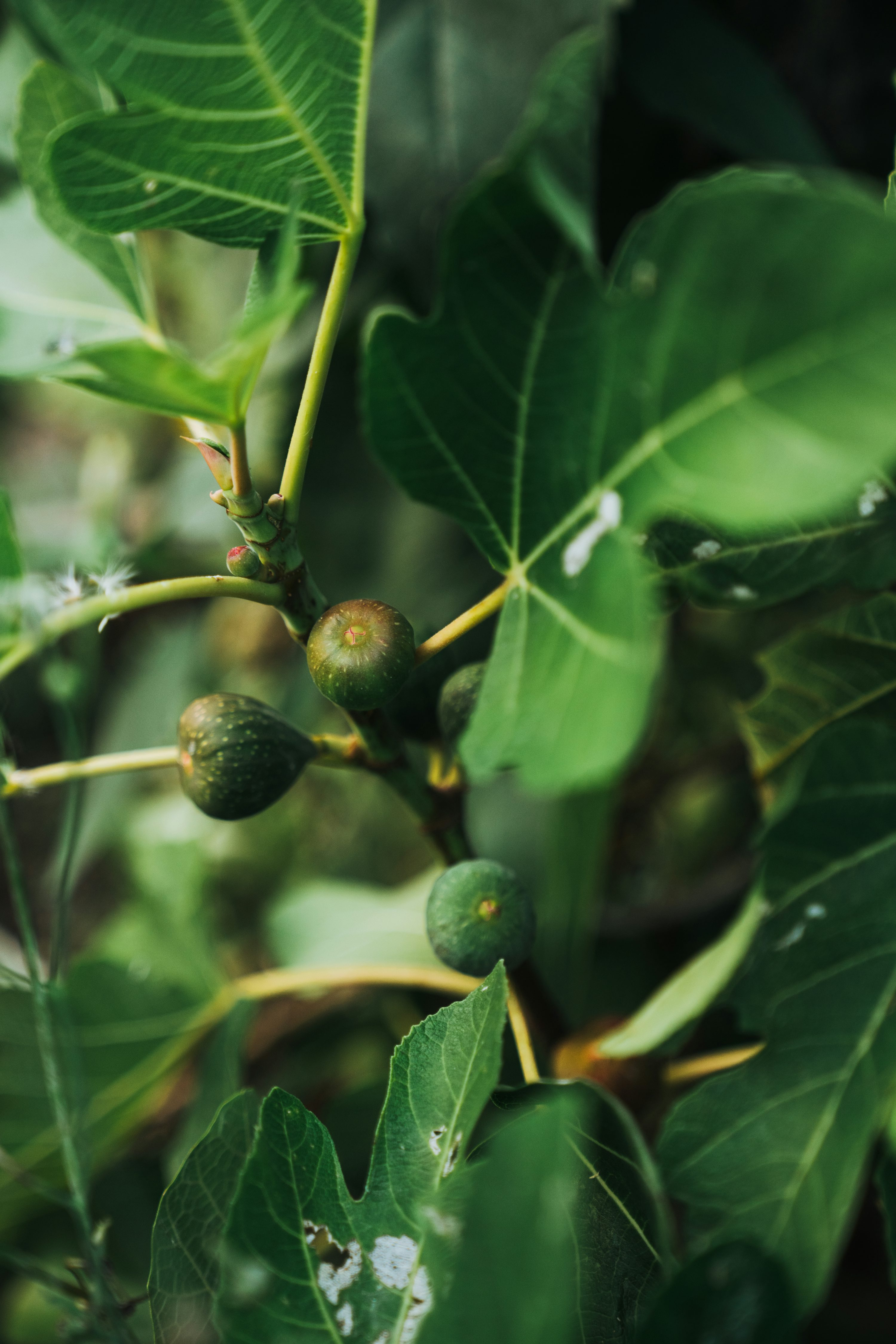
- Breba crop: Forms on last year’s wood and ripens earlier (often early summer). Brebas are frequently larger, and on some varieties, they’re a lovely bonus.
- Main crop: Forms on new growth of the current season and ripens late summer to fall. This is usually the heavier, higher-quality harvest.
- Climate note: Long, hot summers ripen the main crop best. In shorter, cooler seasons, some growers enjoy mainly brebas (or choose early varieties to ensure a main crop finishes).
Pro tip on pruning: Overzealous winter pruning can reduce brebas (which form on older wood). Decide whether you value brebas, the main crop, or both—and prune with that in mind.
Where figs thrive (and where they cope)
- Sun: Aim for 6–8+ hours of direct sun daily for best yields and sweetness.
- Temperature: Loves warm, temperate climates with hot summers. Generally fine in USDA Zones 7–10; some cold-hardy selections get by in Zone 6 with winter protection or by dying back and re-sprouting.
- Soil: Happy in loam, sandy, or even some clays—so long as drainage is good. Prefers pH 6.0–7.5 and appreciates organic matter. Avoid waterlogged spots.
- Humidity: Naturally suited to drier air. In humid climates, choose proven varieties and watch for splitting and fungal issues.
Watering and feeding without the fuss
- Watering:
- Year 1: Keep moisture steady while roots establish.
- Established, in-ground: Deep water roughly every 10–14 days in dry weather; increase during fruit swell. Don’t keep roots soggy.
- Containers: Water when the top 2–3 inches of potting mix are dry. Consistency during ripening helps prevent splitting.
- Fertilizer:
- Early spring: A balanced feed (e.g., 8-8-8 or 10-10-10).
- Growing season: Light, periodic nitrogen can help young trees, but don’t overdo it—excess fertilizer = leaves over figs.
- Mature trees: Feed mainly if growth is weak (less than ~12 inches of new growth per year).
Container culture: figs in small spaces
- Pot size and mix: Start big (and go bigger as needed), with excellent drainage and a quality mix enriched with organic matter.
- Repotting: When roots circle the pot, move up one size or root-prune and refresh soil.
- Wintering: In cold zones, move pots to an unheated garage/shed once leafless; water very sparingly while dormant.
Pruning and propagation, the easy way
- Pruning:
- Timing: Late winter to early spring, while dormant.
- What to remove: Dead, diseased, crossing, and weak shoots. Open the canopy for light and air.
- Shape: Single trunk (tree form) or multiple leaders (shrubby and productive). Remove basal suckers if you prefer a tree silhouette.
- Skin safety: The milky latex can irritate—wear gloves and keep sap off skin.
- Propagation:
- Hardwood cuttings 8–12 inches long in late fall to winter root readily in a well-drained medium.
- Layering is also reliable.
Pests, problems, and low-drama prevention
- Usual suspects: Nematodes (root galls, poor vigor), sap beetles, borers, carpenter worms.
- Diseases: Fig rust (yellow spotting, early leaf drop), leaf spots, anthracnose on fruit, stem cankers.
- Culture cures:
- Sanitation—clear fallen leaves/fruit.
- Airflow—avoid dense, shaded canopies.
- Water wisely—don’t splash foliage at night; keep soil draining well.
- In rust-prone areas, copper-based fungicides are sometimes used where appropriate.
- Wildlife:
- Birds adore ripe figs. Net trees or grow “green-when-ripe” types to fool peak snackers.
Pick your fig persona: reliable cultivars to know
- Brown Turkey: Adaptable workhorse; often gives both breba and main crops.
- Celeste: Frequently praised for reliability and sweetness.
- Chicago Hardy: A go-to for colder climates; can die back and bounce back.
- Black Mission: Rich flavor classic where summers are warm.
- Kadota: Green-yellow skin, great for preserves; can help outsmart birds.
Tip when buying: Choose sturdy, pest-free nursery plants with clean leaves and stems.
A wasp reality check for home growers
- Most nursery-sold, backyard-friendly figs set a delicious crop with no pollination needed.
- If you live far from Mediterranean microclimates and haven’t heard of fig wasps locally, you almost certainly won’t need them.
- Curious botanist at heart? The fig–fig-wasp partnership is a legendary mutualism in nature—but not a requirement for the majority of homegrown fig harvests.
Safety, sap, and sensible handling
- Edible parts: Ripe figs are safe and delicious fresh or dried.
- Sap caution: The milky latex from leaves, stems, and unripe fruit can irritate skin and may bother pets that chew foliage. Wear gloves when pruning and dispose of trimmings responsibly.
Year-round game plan
- Spring: Prune if needed; fertilize; plant new trees.
- Summer: Water during heat and fruit swell; harvest brebas where applicable.
- Fall: Harvest the main crop; reduce watering as growth slows.
- Winter: Protect from frost; shelter containers in cold zones; water very lightly while dormant.
Culture corner: symbolism and the fig’s “flower language”
Across the Mediterranean and Western Asia, figs have long symbolized abundance, fertility, peace, and provision—fitting for a tree that can feed a family and cast generous shade. Victorians popularized the idea of “flower language” (assigning meanings to blooms), and though fig “flowers” hide inside the fruit, the symbolism stuck. Today, gifting a fig tree to mark a new home or growing season nods to prosperity and knowledge—ancient themes echoed in religious and cultural stories where the fig appears as a source of sustenance and wisdom.
Fast facts for the fruit bowl
- A fig is a syconium—an inside-out inflorescence—lined with tiny flowers.
- Many garden figs fruit without any pollination; others, less commonly grown at home, rely on a specialized fig wasp.
- With sun and warmth, figs can fruit in 1–2 years from a young plant or cutting.
- California leads U.S. fig production, especially for dried figs.
- Nutrition, per 100 g fresh: ~74 calories, ~19 g carbs, ~3 g fiber, plus minerals like potassium, calcium, and magnesium. Dried figs are more nutrient-dense.
Bottom line: Choose a well-regarded, self-fruiting variety, give it heat and full sun, water deeply but not often, and prune with your preferred crop in mind. You’ll be harvesting your own sweet, ancient “flower” in no time—no tiny winged matchmaker required.