Cultivating Harmony: Perfect Plant Companions for Your Aglaonema
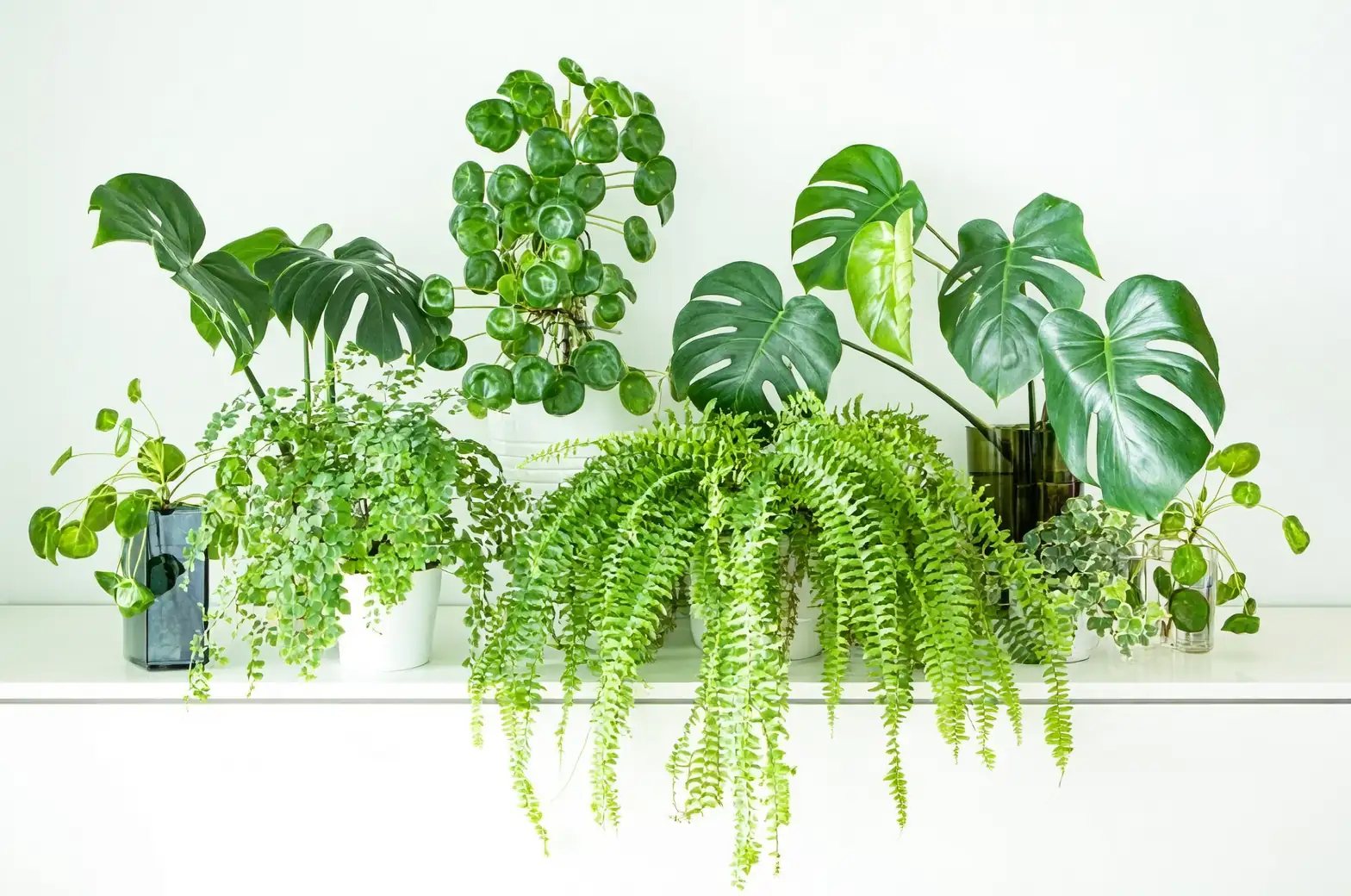
Imagine crafting your very own indoor jungle—a lush, calming space that not only beautifies your home but also purifies the air you breathe. At the heart of this indoor oasis could be the Aglaonema, also known as the Chinese Evergreen, a plant celebrated for its resilient nature and striking foliage. But every star needs a supporting cast, and your Chinese Evergreen can truly shine when paired with the right companions. Let’s explore some perfect plant partners that share complementary care needs and enhance the aesthetic appeal of your indoor garden.
The Aglaonema: A Brief Introduction
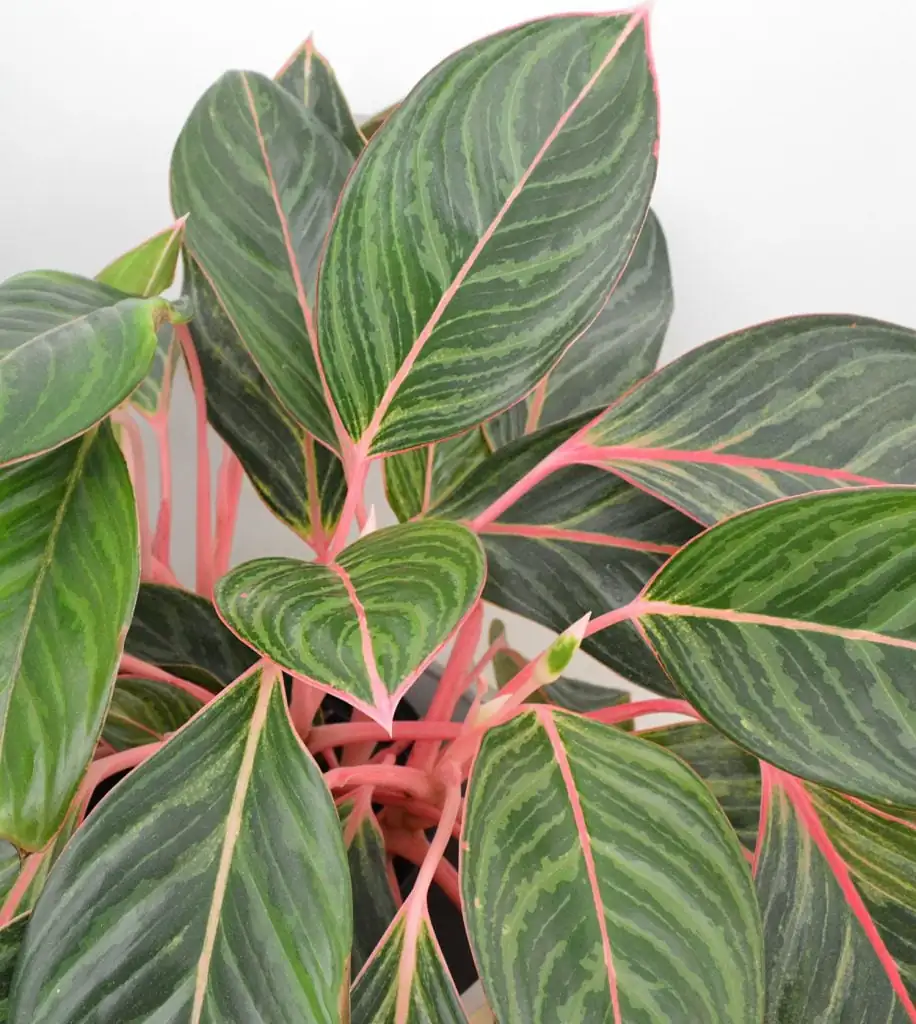
Before we dive into its ideal companions, let’s appreciate the Chinese Evergreen itself. Native to the tropical and subtropical regions of Southeast Asia and New Guinea, Aglaonema is a versatile houseplant that thrives in low-light conditions. Its glossy leaves, adorned with silver, cream, pink, or red patterns, make it a standout addition to any collection. Known for its forgiving nature, it’s a favorite among busy plant owners and revered in many Asian cultures as a symbol of good luck and prosperity.
Perfect Companions for Your Aglaonema
When considering companion plants for Aglaonema, it’s essential to choose those that share similar light, temperature, and humidity preferences. Here are some top picks:
Pothos (Epipremnum aureum)
- Care Compatibility: Pothos and Aglaonema are a match made in plant heaven. Both thrive in low to bright indirect light and appreciate moderate humidity.
- Aesthetic Appeal: The cascading vines of Pothos beautifully contrast the upright growth of Aglaonema, adding a visual layer of interest to your indoor space.
- Additional Benefits: Pothos acts as a natural pest deterrent, helping to keep common houseplant pests at bay.
Peace Lily (Spathiphyllum spp.)
- Care Compatibility: Peace Lilies enjoy the same gentle lighting and humidity levels as Aglaonema, making them an excellent companion.
- Aesthetic Appeal: The Peace Lily’s elegant white blooms provide a striking contrast against the colorful foliage of Aglaonema.
- Additional Benefits: Both plants are known for their air-purifying properties, creating a healthier environment for you to enjoy.
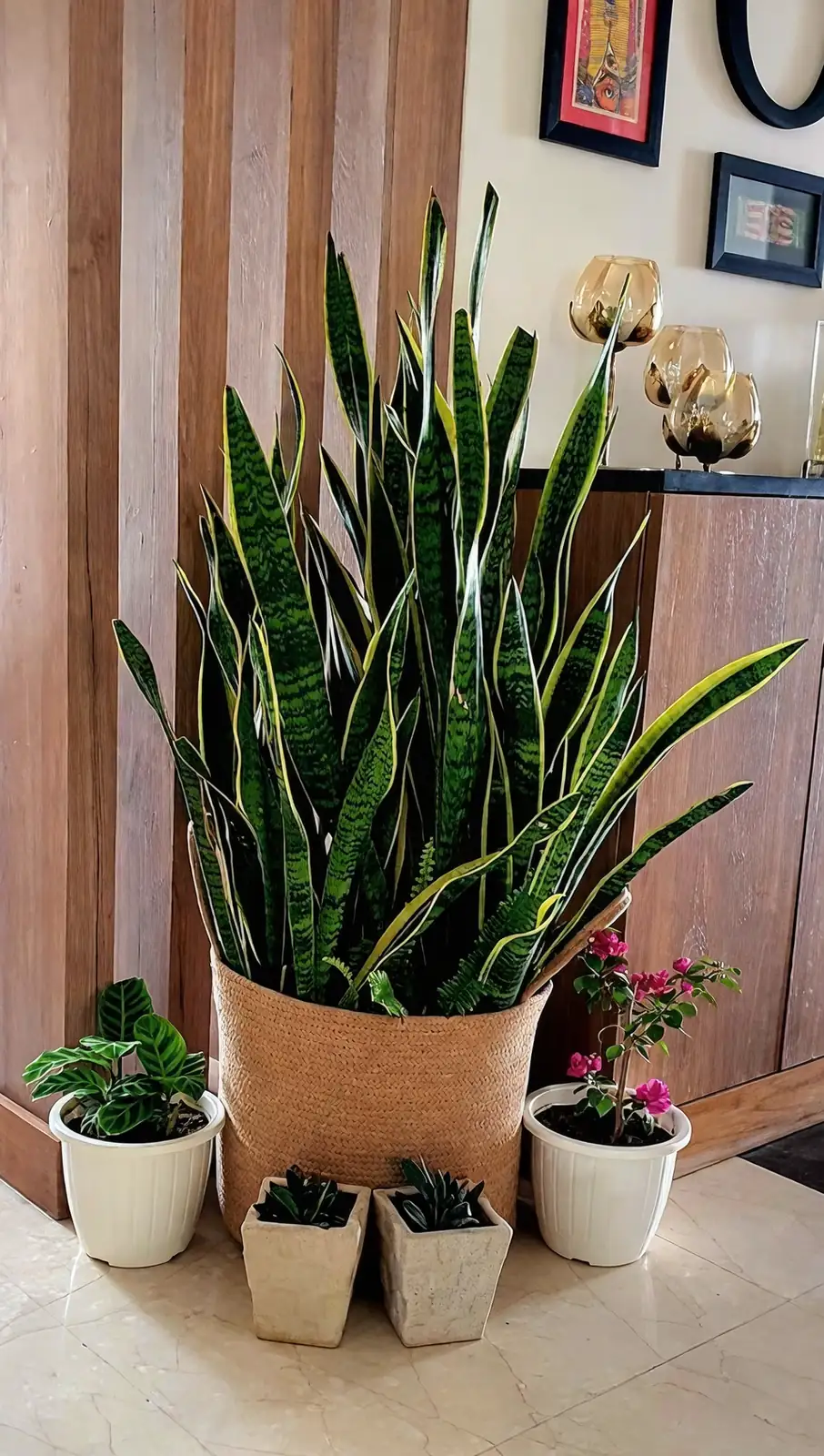
Snake Plant (Sansevieria spp.)
- Care Compatibility: Snake Plants are renowned for their hardiness, thriving in conditions similar to Aglaonema, including low light and infrequent watering.
- Aesthetic Appeal: The sharp, upright leaves of the Snake Plant add height and texture, complementing the softer forms of Aglaonema.
- Additional Benefits: Like its companions, the Snake Plant is a natural air purifier and pest deterrent.
Creating a Cohesive Indoor Environment
When grouping these plants together, consider their placement to maximize the benefits. Aglaonema prefers a spot with bright, indirect light, so choose a location that accommodates this need for all plants involved. Maintain moderate humidity with a humidifier or by placing a pebble tray nearby. This will ensure each plant thrives, creating a cohesive and healthy environment.
Plants to Avoid
While Aglaonema is versatile, some plants aren’t great companions due to differing care needs:
- Cacti and Succulents: These plants prefer dry conditions, which can lead to dehydration for your Aglaonema.
- Herbs: Often attract pests that could harm your Aglaonema, and their strong scents might interfere with the plant’s growth.
Conclusion: A Symphony of Green
By pairing your Aglaonema with these ideal companions, you create a symphony of green in your home that is not only beautiful but also beneficial. These pairings ensure that all plants maintain optimal health, allowing each one to contribute to the overall ambiance of your indoor garden. Whether you’re a seasoned plant parent or just starting out, these combinations will help you cultivate a harmonious and thriving indoor oasis.