A Fragrant Journey: The Symbolism and Significance of Rosemary
In the world of plants, few herbs carry as rich a tapestry of symbolism as rosemary. Known scientifically as Salvia rosmarinus (formerly Rosmarinus officinalis), this evergreen shrub is a staple in gardens worldwide, yet its impact stretches far beyond the culinary realm. Native to the sun-drenched Mediterranean coastlines, rosemary has been cherished for its aromatic leaves and delicate flowers, offering both sensory delight and symbolic depth.
A Herb of Remembrance and Fidelity
Rosemary’s connection to memory and remembrance is deeply rooted in history. The ancient Greeks believed wearing garlands of rosemary could enhance memory, and students would often tuck sprigs into their hair while studying for exams. This tradition of associating rosemary with memory has endured, with Shakespeare famously referencing it in Hamlet, where Ophelia declares, “There’s rosemary, that’s for remembrance.”

But why remembrance? The answer lies in rosemary’s robust nature. Just as its needle-like leaves remain evergreen, so too does the memory of those it honors. In weddings, rosemary has symbolized fidelity, with sprigs often woven into bridal bouquets or used to adorn the groom’s attire, a nod to enduring love and loyalty.
The Language of Flowers: Rosemary’s Place
In the intricate language of flowers, rosemary conveys messages of remembrance and commitment. Rooted in Victorian customs, where each bloom and herb held specific meanings, rosemary’s fragrant presence in bouquets and arrangements whispered promises of love, loyalty, and the cherished memories of those departed.

Legends and Lore
The legends surrounding rosemary are as colorful as the plant itself. One tale speaks of the Virgin Mary draping her blue cloak over a white-blossomed rosemary bush, turning its flowers blue—a nod to the plant’s nickname, “Rose of Mary.” This story, along with its historical uses in religious ceremonies, imbues rosemary with a sacred aura, often seen scattered on church floors during holy weeks to invoke blessings and protection.
Healing and Culinary Delights
Beyond its symbolic associations, rosemary has practical applications that have cemented its place in homes and kitchens. Its leaves, with their sharp, pine-like fragrance, are a culinary delight, enhancing the flavors of roasted meats, potatoes, and even freshly baked bread. Herbalists and perfumers alike treasure rosemary for its aromatic qualities, using it to create soothing teas, fragrant sachets, and invigorating essential oils.

Cultivating Rosemary: A Guide
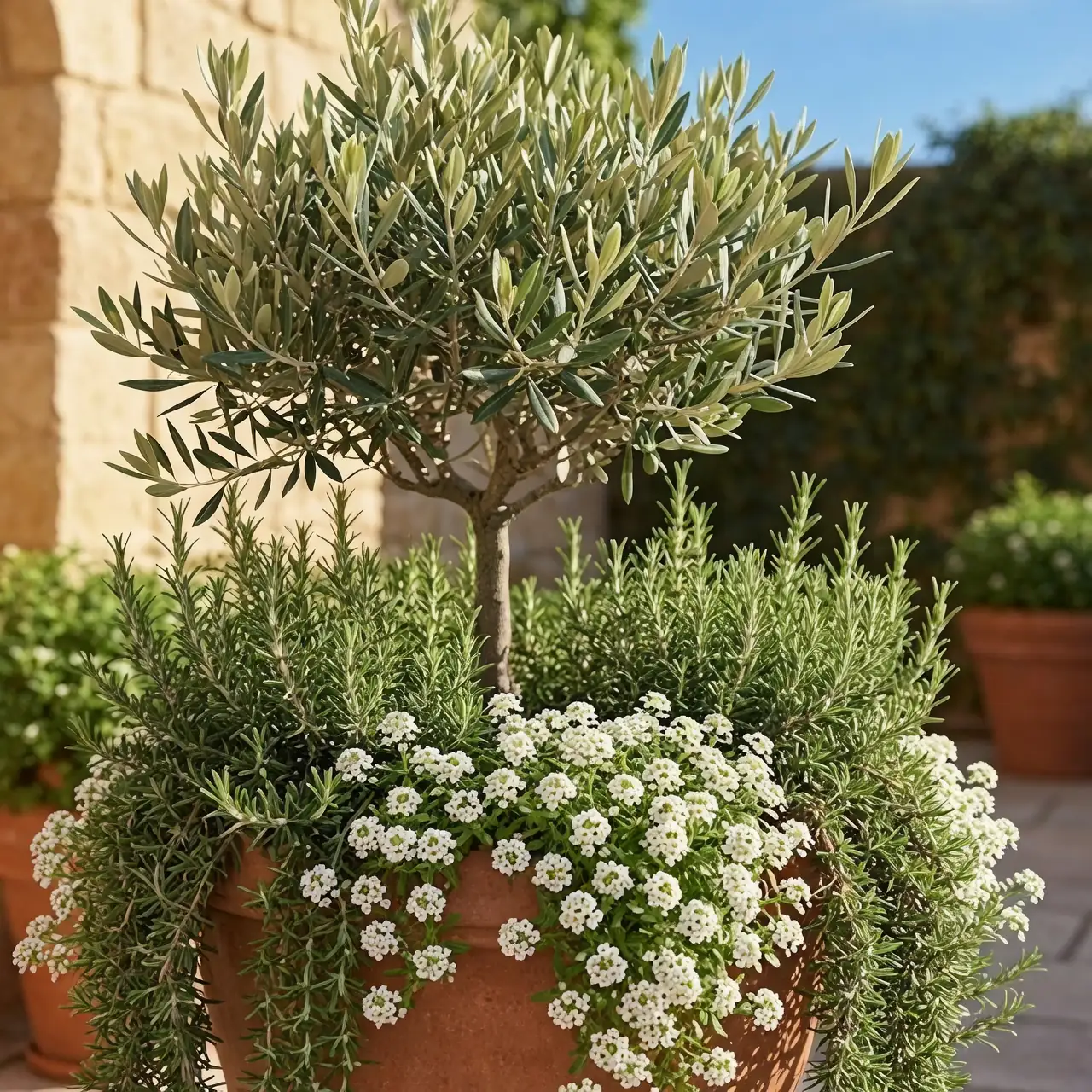
For those enchanted by rosemary’s rich history and symbolism, growing it is a rewarding endeavor. This drought-tolerant plant thrives in full sun and well-drained soil, making it a perfect candidate for both garden beds and container planting. When cultivating rosemary, remember:
- Sunlight: Aim for at least 6–8 hours of direct sunlight daily.
- Watering: Allow the soil to dry between waterings to prevent root rot.
- Pruning: Regular tip-pruning encourages a bushier growth habit.
A Timeless Connection
Rosemary’s enduring presence in rituals, ceremonies, and daily life serves as a testament to its versatile and meaningful nature. Whether adorning a festive table, enhancing a savory dish, or honoring a loved one’s memory, rosemary remains a beloved herb with a deep-rooted connection to human emotion and tradition.
So next time you brush past a rosemary bush, take a moment to breathe in its aromatic scent and remember the stories, loves, and lives it has touched throughout history. Rosemary, after all, is not just a plant but a keeper of memories and a symbol of unwavering fidelity.