
Crush a leaf of garden sage between your fingers and you release more than a savory perfume—you uncork a thousand years of kitchen smoke, monastery still rooms, Roman ritual, and long-distance trade. Salvia officinalis, the familiar culinary sage, began as a sun-loving native of the Mediterranean and became an herb so esteemed that emperors ordered it planted and poets swore it could cheat death.
H2 The name that promises healing
Words tell sage’s origin story before any chronicle does.
- Salvia comes from the Latin salvere—“to heal” or “to save.” It’s a name that wears its purpose openly, like a label on a medicine jar.
- officinalis signifies a plant kept for use in the officina—the storeroom or workshop of monasteries and apothecaries where remedies were prepared and kept.
Even the English word “sage” doubles as a title for a wise person, a happy linguistic coincidence that mirrors the herb’s reputation for wisdom and longevity across cultures.
H2 Born of sun and salt air: a Mediterranean native
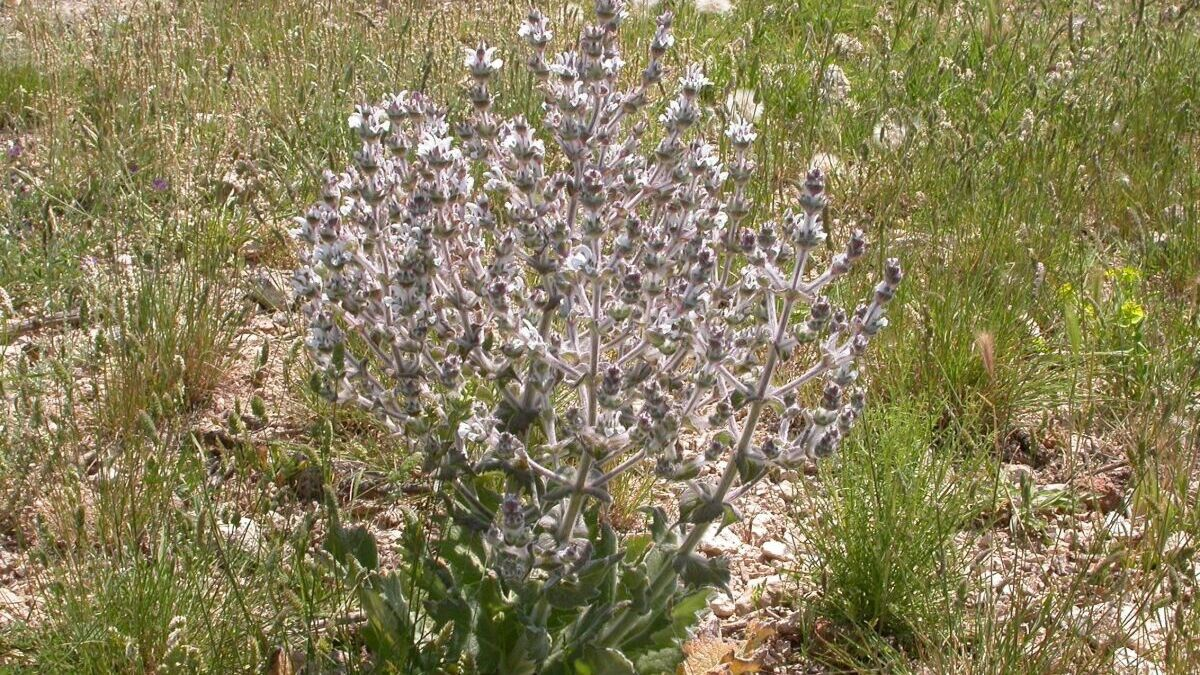
Sage is indigenous to the Mediterranean basin, especially the coastal margins of southern Europe. Imagine it clinging to limestone slopes and basking in bright, drying winds—conditions that concentrate the resinous oils now so prized in the kitchen. From these bright beginnings, people carried sage across Europe and, eventually, around the globe.
H2 Rome’s “holy herb”
To the Romans, sage was no mere seasoning; it was a sacred helper.
- Ritual and regard: Sources from antiquity describe sage gathered with ceremony and used in rites meant to purify and protect. It was esteemed enough to be treated as a plant of omen and order.
- Practical medicine: Roman writers celebrated sage for its healing character—especially for easing digestion after rich, fatty meats, and for soothing throats and wounds. In other words, it flavored feasts and eased their aftermath.
H2 From cloister to capitulary: the medieval rise
As Rome’s empire receded, sage’s reputation grew within monasteries and royal edicts.
- Salvia salvatrix—“sage the savior”: In the Middle Ages, the herb was praised in verse and proverb. “Why should a man die in whose garden grows sage?” became a theme in medical poetry such as the Regimen Sanitatis Salernitanum, a handbook of health that echoed through Europe.
- The officina legacy: Monks steeped, distilled, and stored sage in their officina, giving practical meaning to the species name officinalis.
- Charlemagne’s command (812 AD): So vital was sage that Charlemagne decreed it should be planted on imperial estates. His famous edict effectively turned the herb into state infrastructure—kitchen, clinic, and cloister all benefited.
H2 An herb that crossed oceans: the French sage tea tale
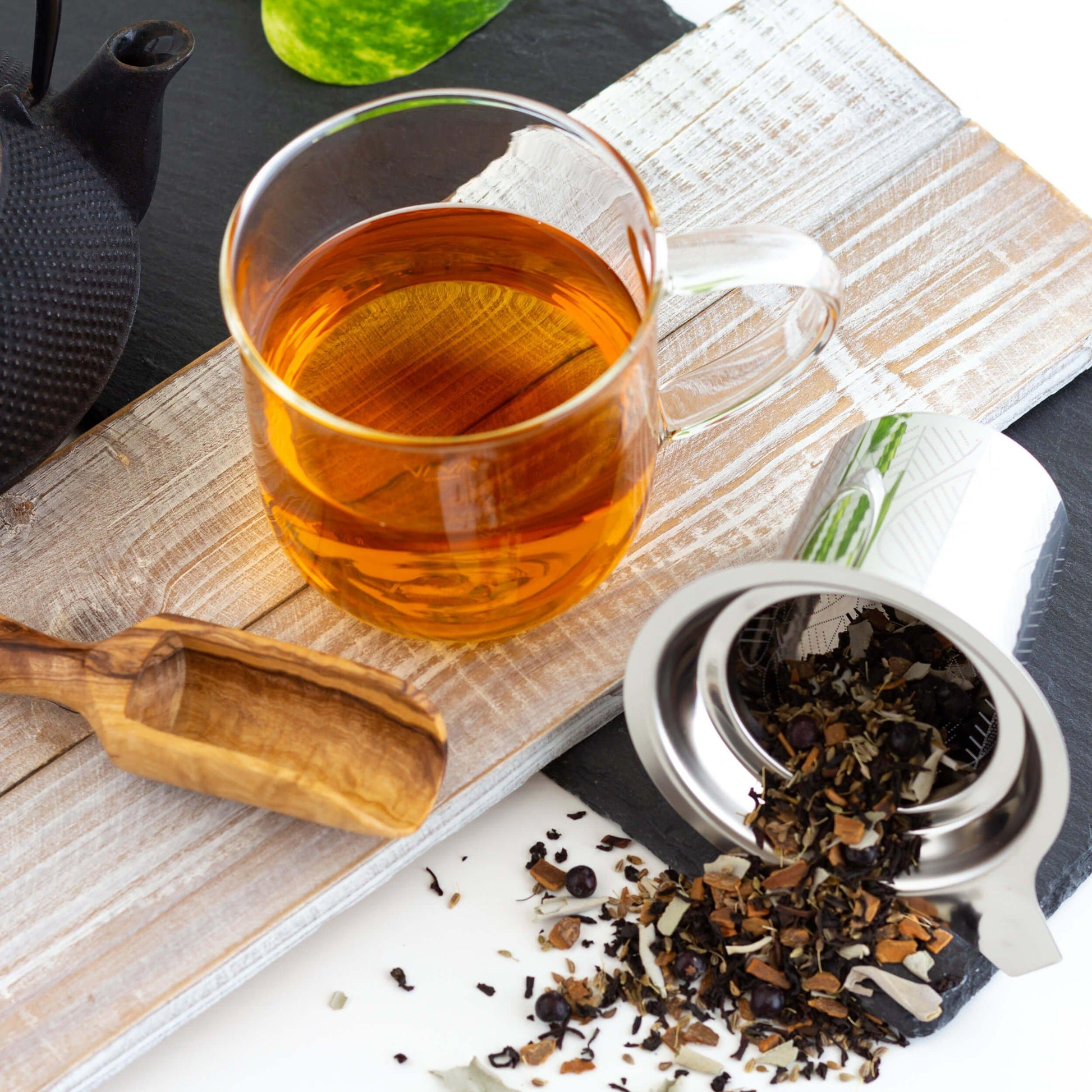
Centuries later, as Europe grew enamored of tea, a remarkable story began to circulate: Chinese traders, intrigued by the flavor and reputed benefits of French sage tea, valued it so highly they would barter multiple pounds of Chinese tea for a smaller quantity of sage. Whether embellished in the retelling or precisely true, the tale captures a real dynamic—sage once stood shoulder to shoulder with the world’s most coveted infusions.
H2 The meaning behind the myth: sage in flower language
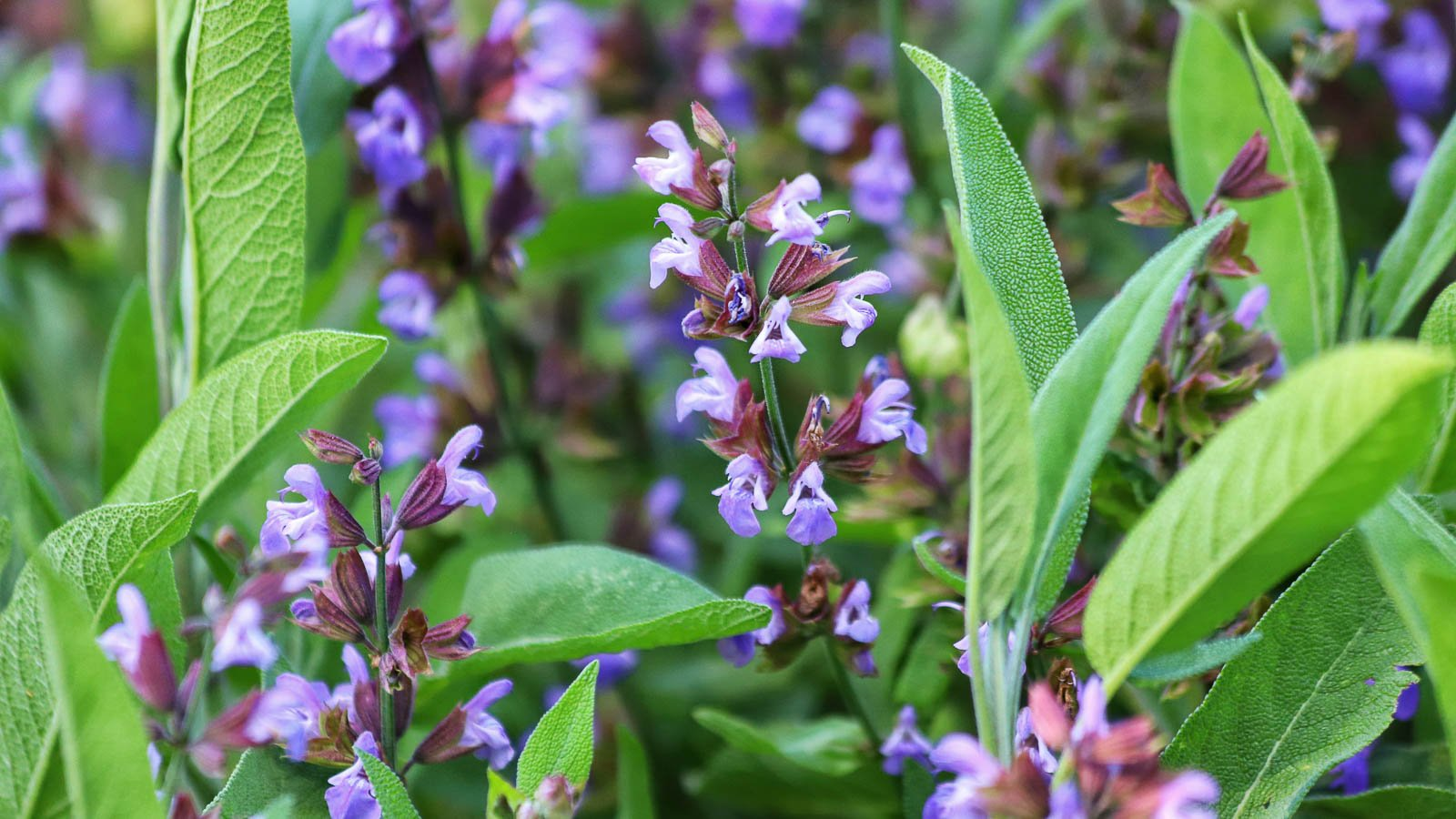
Sage’s “flower language” draws on a deep well of lived experience and legend.
- Wisdom: The English double meaning of “sage,” plus long association with scholars and healers, makes wisdom its natural emblem.
- Longevity and good health: Medieval adages about cheating death spring from the plant’s consistent place in household remedies and health regimens.
- Domestic virtue: Sage is the hearth’s companion—hung to dry in kitchens, simmered in broths, tucked into stuffings—so it signals steadiness and care at home.
These meanings didn’t appear out of thin air; they were distilled from centuries of everyday use, ritual respect, and the herb’s reliable presence in gardens and larders.
H2 A brief timeline of esteem
- Ancient Mediterranean: Sage grows wild; Greeks and Romans adopt it for ritual and remedy.
- 1st century: Roman natural histories praise its healing character and culinary usefulness.
- Early Middle Ages: Monasteries cultivate sage, enshrining it in the officina.
- 812 AD: Charlemagne mandates its planting across imperial farms.
- High Middle Ages: “Salvia salvatrix” and the Salernitan verses spread its fame.
- Early modern era: The cross-cultural legend of Chinese tea traders and French sage tea enters the lore.
H2 Enduring legacy
Today, Salvia officinalis still carries the bright sun of its homeland in its leaves—earthy, savory, and slightly peppery—and the weight of its stories in every sprig. Plant it and you inherit a living archive: Roman rituals, monastic craft, imperial policy, and a traveler’s tale of tea and trade. Not many herbs can claim to have saved dinners and inspired empires, but then again, not many herbs are sage.