Picture a plant that lives not on the forest floor, but high in the trees, where clouds brush the canopy and hummingbirds trace fiery arcs through mist. That’s the world of Guzmania insignis—an Andean bromeliad whose glossy rosette becomes a tiny rain cistern and whose bold, upright red bracts signal like a beacon to passing pollinators. It’s a story of life aloft, water caught from the sky, and a name that honors a curious naturalist who followed wonder into the mountains.
Born aloft in the Andes
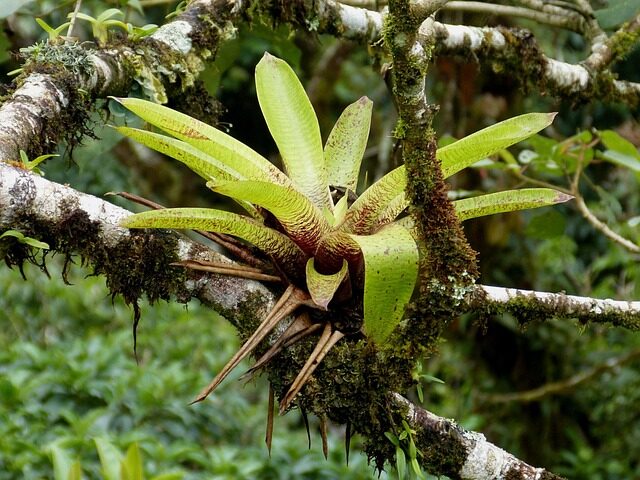
Guzmania insignis hails from the Andes region of South America, where many bromeliads live as epiphytes—plants that perch on trees rather than rooting in soil. They aren’t parasites; instead, they anchor to bark, catching light, rain, and drifting nutrients from the air. In these cloud-kissed forests:
- Leaves form a tidy, upright rosette—a living funnel that gathers water.
- Debris and faint nutrients wash into the center, feeding the plant’s needs.
- Hummingbirds cruise the mid-canopy, homing in on brilliant bracts.
This “life above ground” explains why Guzmania adapts so beautifully to bright, filtered indoor light and airy potting mixes: it’s built for space, light, and a steady trickle of gentle moisture.
A cup that drinks the sky
Guzmania is a classic “tank bromeliad.” Its rosette forms a central cup that holds water—an ingenious adaptation when your roots don’t live in soil.
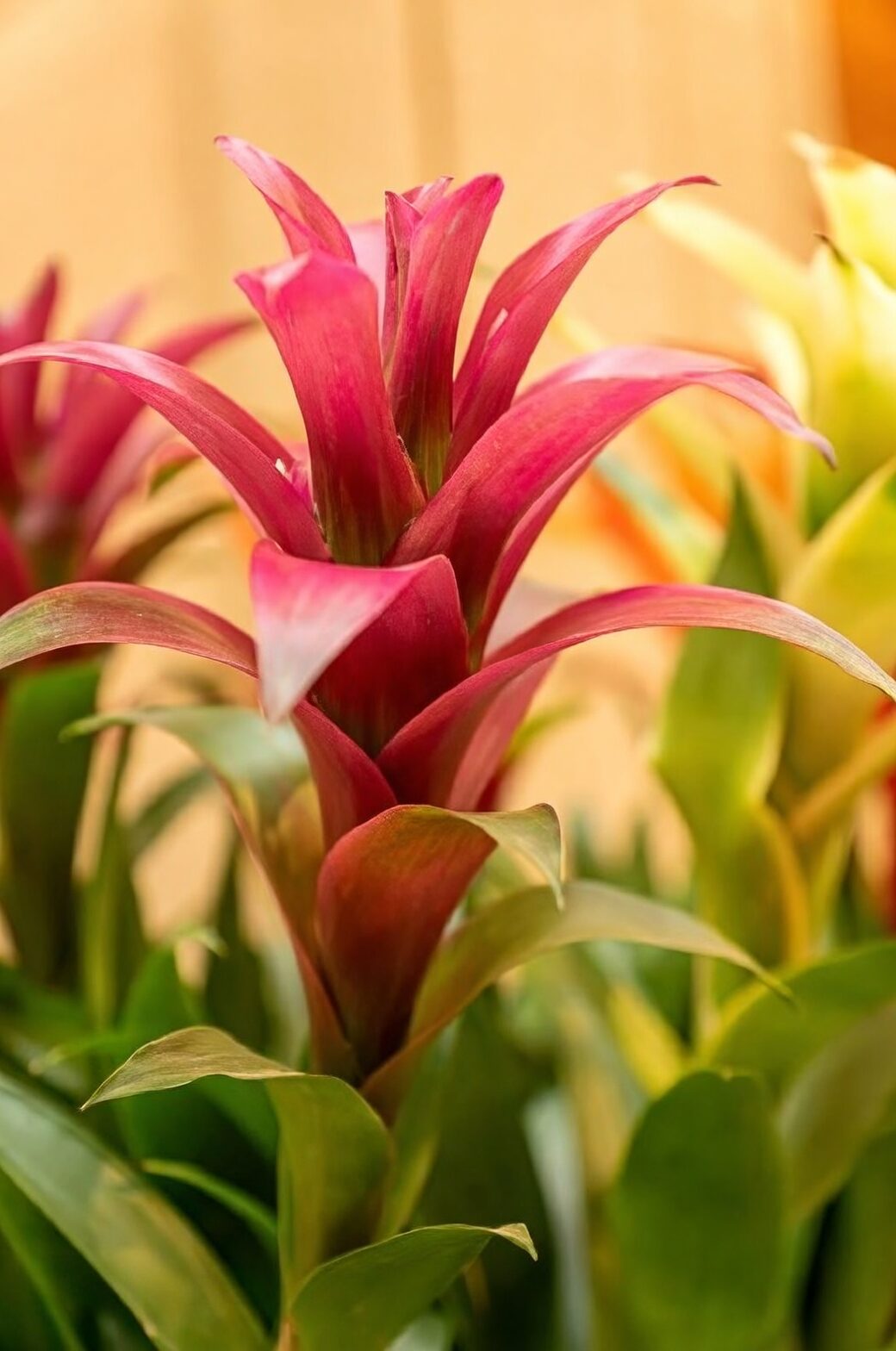
- The cup stores rain (or your top-ups at home) and can take in very dilute nutrients.
- In cultivation, keeping a little clean water in the cup helps the plant stay perky and richly green.
- The show comes from a sturdy, upright spike topped with vivid red bracts—long-lasting, almost sculptural, and the part most people call the “flower.”
Tip: Refresh the cup regularly so the water never turns stale.
A hummingbird affair
Those dramatic red bracts are more than décor—they’re billboards for pollinators. Tucked among them sit small, nectar-bearing flowers just right for a quick hummingbird sip. Bright color, upright stance, and repeated blooms in a season’s window all align with a hummingbird’s flight plan. The plant invests heavily in signaling because, after flowering, the original rosette won’t bloom again; instead, it passes the baton to the next generation via offsets.
What’s in a name? A salute to Anastasio Guzmán
The genus Guzmania commemorates Anastasio Guzmán, an 18th-century Spanish–Ecuadorian pharmacist and naturalist who explored the flora of northern South America. Naming a canopy-dwelling plant after a climber of ideas feels fitting: both chase light through tangled green.
Bringing Guzmania insignis home
Often sold simply as “bromeliad” or “scarlet star,” Guzmania insignis makes a striking, warm-loving indoor companion.
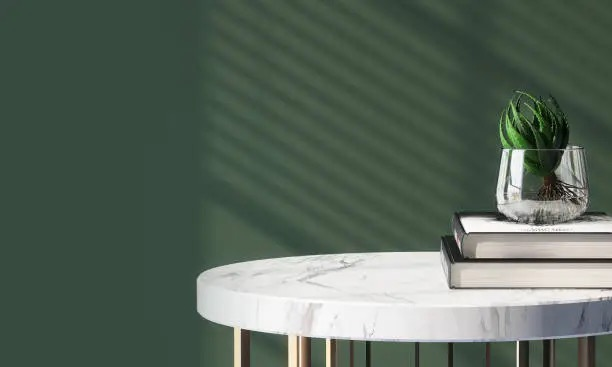
Light and placement
- Bright, filtered/indirect light is ideal.
- Spring: bright indirect light suits active growth.
- Summer: avoid harsh midday/afternoon sun—about 50% shade plus good airflow prevents scorch. East-facing windows are great.
- Winter: use the brightest spot by day but keep foliage away from cold window glass and drafts at night.
Temperature and humidity
- Sweet spot: 16–28°C (61–82°F). Keep above 10°C (50°F) in winter; below 5°C (41°F) can cause chilling injury.
- Enjoys moderate to high humidity. Light misting helps in hot weather or dry autumn air. Newly potted pups root faster with a clear, ventilated cover to boost humidity.
Water and the “cup”
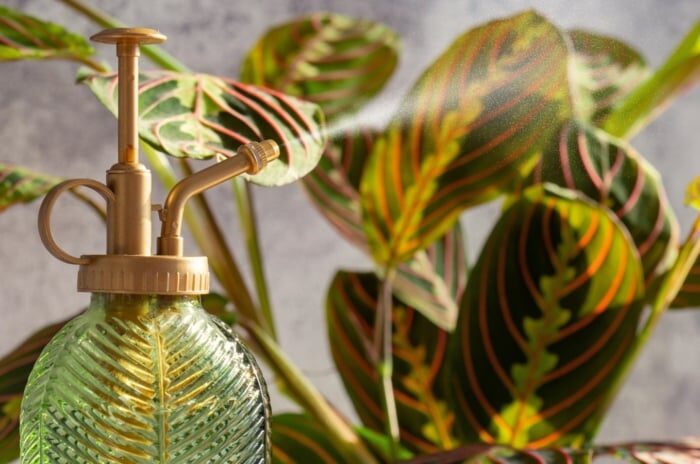
- Keep the potting mix lightly moist in spring—never soggy. In winter, let it dry slightly between waterings.
- Maintain a little clean water in the central cup; refresh it regularly so it never stagnates.
- Good airflow is your friend; soggy roots and stale cup water are not.
Soil and feeding
- Use a loose, airy, fast-draining mix: an orchid/bromeliad blend or peat/leaf-mold with coarse sand/perlite.
- During active growth, feed every ~2 weeks with a very dilute balanced fertilizer; a slight emphasis on phosphorus/potassium can support blooming.
- Apply weak feed to the potting mix and/or the central cup. Avoid strong concentrations—tender tissues can burn.
Size and what to buy
- Commonly sold in 12–15 cm (4.7–5.9 in) pots.
- Choose a symmetrical rosette with firm, glossy green leaves and an upright spike. Bracts should be bright, unblemished, and unwilted—no signs of cold damage or pests.
The rosette’s last act: propagation and legacy
After flowering, the mother rosette slowly fades—but not before producing offsets (pups) at the base. That’s your cue to continue the line.
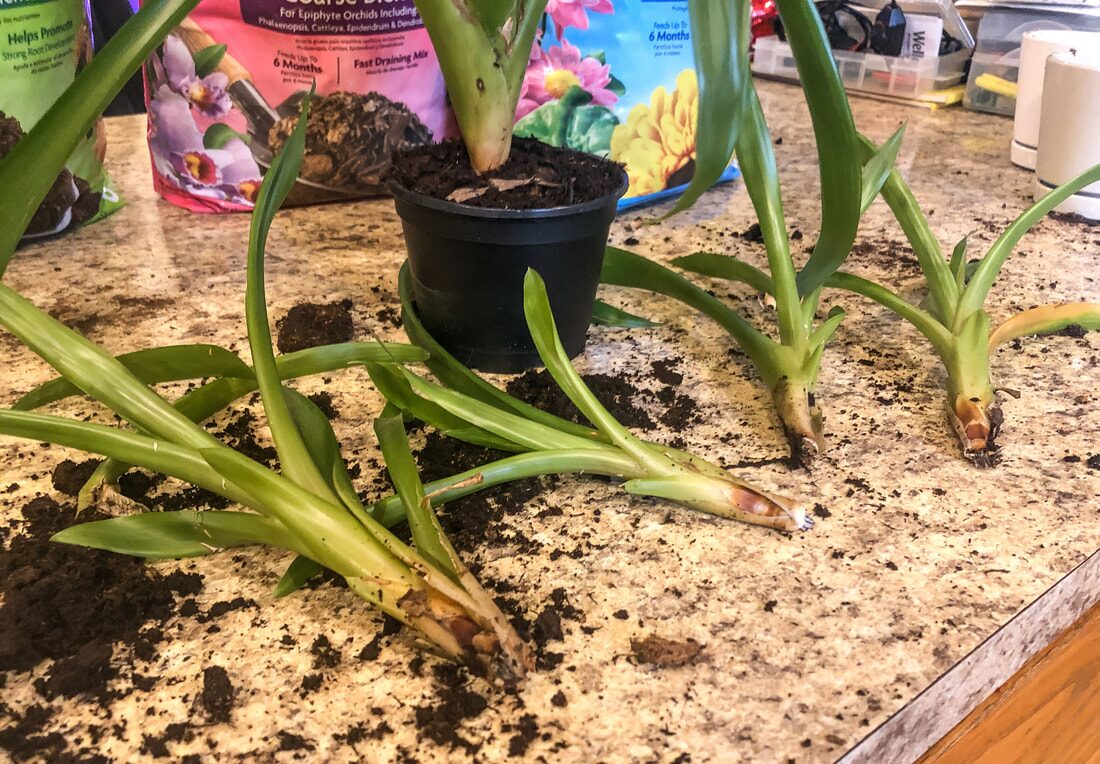
- Offsets: In spring, separate pups when they reach about 10–12 cm (3.9–4.7 in) tall. Insert into a loose, airy medium and keep warm (20–25°C / 68–77°F) with higher humidity. Rooting often takes about a month.
- Seeds: Sow fresh seed warm (24–26°C / 75–79°F). Germination can be quick—about 2 weeks under the right conditions.
- Repotting: About every 2 years in spring, or sooner when pups need their own pots.
Seasonal rhythm: a quick calendar
- Spring: Bright filtered light; keep mix lightly moist; ideal for sowing and dividing pups.
- Summer: Provide ~50% shade, good ventilation, and occasional misting; avoid sun scorch.
- Autumn: Boost humidity if indoor air dries; bring plants in before nights cool.
- Winter: Keep above 10°C (50°F); give the brightest possible light; water sparingly so roots don’t sit cold and wet.
Troubleshooting and health
- Yellowing leaves?
- Too much direct summer sun can scorch—shift to bright, filtered light.
- A dry central cup can dull and yellow leaves—keep a little clean water inside.
- Normal aging after bloom: the mother rosette naturally declines as pups develop.
- Low light can contribute—brighten conditions gradually.
- Leaf spot: Improve airflow, avoid wet foliage late in the day, remove affected tissue. If needed, treat with an appropriate ornamental fungicide (copper-based options are commonly used) per label directions.
- Sensible safety: No specific toxicity data provided; keep out of reach of pets and children and avoid ingestion.
Symbolism, “flower language,” and gifting
In Chinese, Guzmania is fondly known as 鸿运当头—a name that evokes “good fortune at the forefront.” That auspicious aura has made it a favorite gift for new homes, shop openings, and festive seasons. As for the modern “flower language,” its meaning is less an ancient code and more a contemporary blend of:
- Vivid, long-lasting red bracts that suggest prosperity and vitality.
- A resilient life strategy—passing the torch via pups—which symbolizes continuity and thriving business.
- Its upright, torch-like stance, read as leading with luck and success.
In short: a living emblem of prosperity that keeps the color show going.
Fun facts to share
- A natural cistern: The rosette’s “tank” doesn’t just store water—it’s how the plant drinks from the sky.
- One-and-done bloom: After flowering, the original rosette won’t bloom again, but pups rise to carry on the spectacle.
- Epiphyte energy: In the wild, it can be tied to bark with roots nestled in moss; at home, an airy mix recreates that canopy feel.
Bring Guzmania insignis into bright, filtered light, keep its little tank fresh, and let a slice of Andean canopy unfold on your windowsill—complete with the quiet promise of new pups and a color torch that just keeps giving.