

Poinsettias are winter showstoppers—their starry bracts glow red, pink, or cream while most of the garden sleeps. But the same cozy indoor conditions that keep Euphorbia pulcherrima Willd. happy can also shelter a cast of tiny saboteurs and opportunistic molds. Here’s your fast, field-tested battle plan: how to spot trouble early, quarantine quickly, hit soft-bodied pests with insecticidal soap or horticultural oil, and fix airflow and drainage so rot and Botrytis never gain a foothold.
First, strengthen the fortress
A strong plant resists attack.
- Light: Bright, indirect light with a little gentle sun is ideal. Stable warmth (about 18–25°C/64–77°F days; slightly cooler nights 15–18°C/59–65°F) keeps leaves on and stress down.
- Water: Evenly moist, never soggy. Water when the top 2.5–5 cm (1–2 in) dries; empty the saucer.
- Soil and pot: Loose, airy mix (peat/coir + perlite/vermiculite), pot with drainage holes.
- Air: Moderate humidity with good airflow; avoid cold drafts or blasts of hot, dry air.
- Housekeeping: Remove yellowed or fallen leaves/bracts promptly—these are fuel for Botrytis.
Healthy culture doesn’t just look good—it closes the door on many pests and diseases before they start.
Know your enemy: quick ID cues
Use a hand lens, bright light, and a sheet of white paper to tap leaves over—you’ll see what drops.
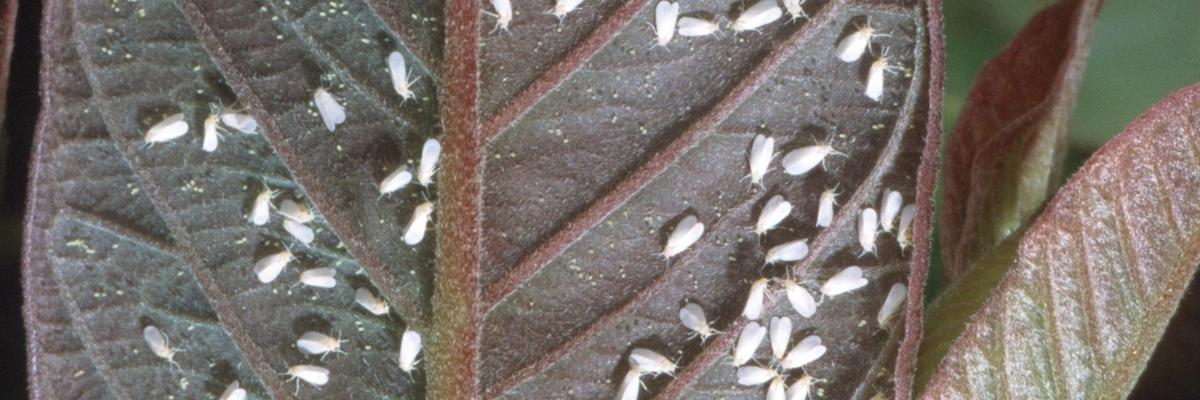
- Whiteflies
- Cues: Tiny white moth-like adults flutter up when disturbed; sticky honeydew; sooty mold on leaves.
- Where: Undersides of leaves (eggs and nymphs are flat, scale-like).
- Spider mites (two-spotted spider mite)
- Cues: Fine stippling that makes leaves look dusty or faded; delicate webbing in heavy cases.
- Where: Leaf undersides, warm/dry spots.
- Thrips
- Cues: Silvery streaks or speckling; distorted young leaves or bracts; tiny black specks (frass).
- Where: In flowers/bracts and between folded leaf tissue.
- Mealybugs
- Cues: Cottony tufts in leaf axils, along stems, under leaves; sticky honeydew.
- Where: Hidden nooks; sometimes at the root-zone in severe cases.
- Scale insects
- Cues: Dome-like bumps stuck to stems/leaf veins; honeydew (with soft scales).
- Where: Stems and veins; crawlers are tiny and mobile early on.
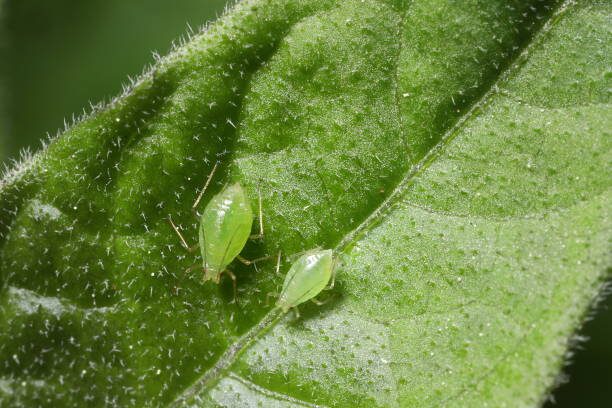
- Aphids (including green peach aphid)
- Cues: Soft green/yellow/black pear-shaped insects, curling new growth, honeydew.
- Where: Tender new tips and undersides.
- Fungus gnats
- Cues: Tiny black “mosquito-like” flies at soil surface; seedlings or roots may suffer.
- Where: Overwatered soil; larvae feed in the root zone.
- Botrytis (gray mold)
- Cues: Fuzzy gray mold on spent bracts, damaged tissue, or crowded, damp leaves; leaf/flower blight.
- Where: Cool, humid, stagnant pockets; debris on soil.
- Root/stem rot
- Cues: Wilting despite wet soil, sour smell, brown mushy roots; leaves yellow and drop.
- Cause: Overwatering, poor drainage, compacted mix.
Quarantine and triage (move fast!)
- Isolate the plant away from others—different room if possible.
- Scout thoroughly:
- Check the undersides of leaves and along stems.
- Tap over white paper to reveal mites or thrips.
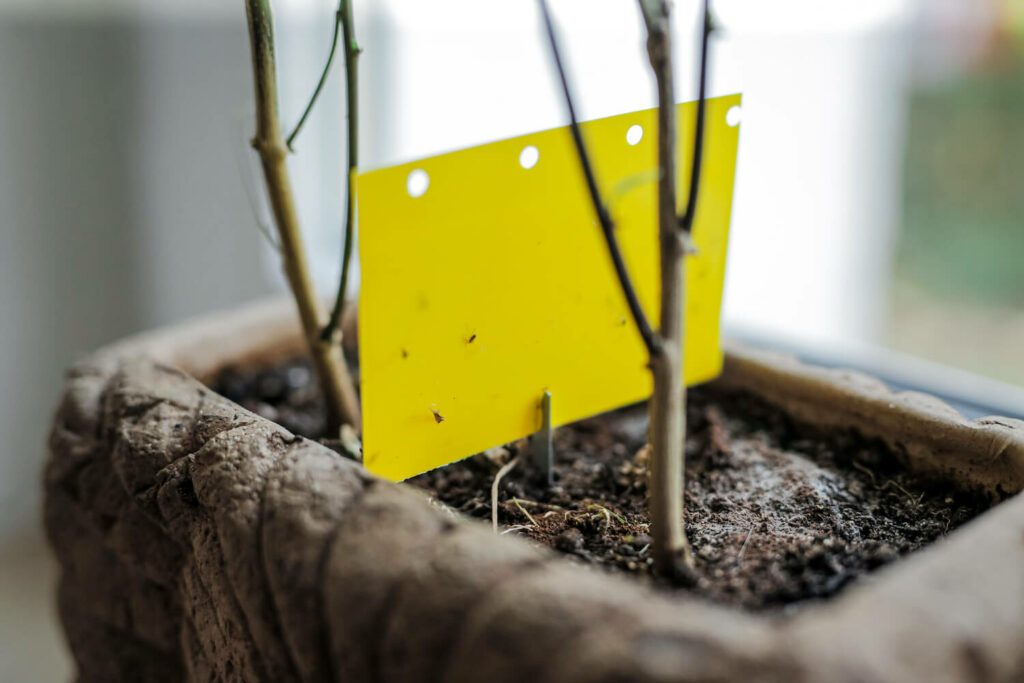
- Hang a couple of yellow sticky traps nearby to monitor flying adults (whiteflies, fungus gnats, thrips).
- Mechanical knockdown:
- Rinse leaves gently in the sink or shower to dislodge pests. Let foliage dry with good airflow.
- Prune and bag the most infested or moldy leaves/bracts. Remove all fallen debris from the pot surface.
Wear gloves—poinsettia’s milky latex sap can irritate skin and eyes.
Your targeted strike: insecticidal soap or horticultural oil
These are your primary tools against soft-bodied pests on poinsettia.
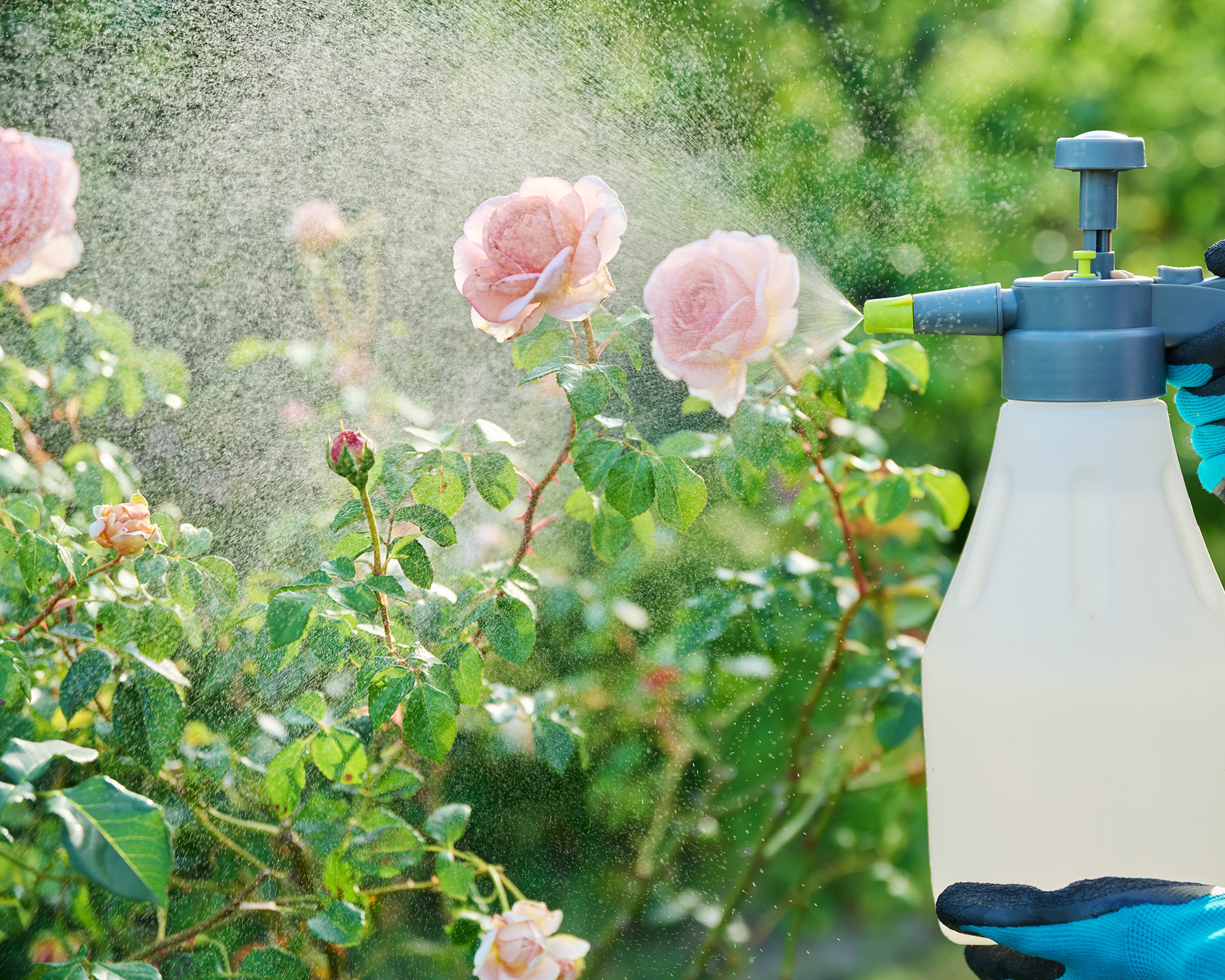
Insecticidal soap playbook
- What it does: Potassium salts of fatty acids disrupt soft-bodied pests (aphids, whiteflies, spider mites, thrips, mealybugs, scale crawlers). It works only on contact and has no residual once dry.
- How to use it well:
- Test first: Spray a small patch of foliage/bract and wait 24–48 hours to check for spotting or burn, especially on colored bracts.
- Timing: Treat in the early morning or late afternoon—never in hot, direct sun.
- Coverage: Thoroughly wet tops and undersides of leaves and stems until just shy of runoff.
- Repeat: Reapply every 4–7 days for 2–3 rounds to catch newly hatched pests (eggs are less affected).
- Rinse optional: If your plant seems sensitive, you can gently rinse leaves a few hours after treatment.
- Safety: Low mammalian toxicity; can mildly irritate skin/eyes. Follow the label exactly.
Horticultural oil (including “neem” and light paraffinic oils)
- What it does: Smothers eggs, crawlers, and adults of whiteflies, scale, mites, and mealybugs; also helps with sooty mold.
- How to use it well:
- Test-spray, as with soaps—colored bracts can be more sensitive.
- Apply on a well-hydrated plant in mild conditions. Avoid extreme heat or cold.
- Ensure full coverage; keep spraying separate from soaps (don’t tank-mix; leave several days between products).
- Repeat on label schedule to break life cycles.
- Tip: For isolated mealybugs, a cotton swab lightly moistened with alcohol can help dislodge individuals on stems/leaf undersides—test first and avoid painting entire bracts.
When pests persist
- Combine smart monitoring (sticky traps, weekly leaf checks) with consecutive, well-timed soap/oil treatments.
- For heavy scale or entrenched mealybugs, multiple rounds plus careful pruning may be required.
- In greenhouse settings, beneficials like lacewings, lady beetles (mealybug destroyer), and predatory mites can be effective when compatible with your spray program.
Stop rot and Botrytis with airflow and drainage
Fungal problems thrive where air is still and leaves stay damp.
Botrytis (gray mold) prevention and cleanup
- Space plants so leaves don’t touch; give them bright light and gentle air movement.
- Water at the soil line in the morning; avoid wetting bracts/leaves.
- Remove spent bracts and any fallen debris daily and discard in the trash.
- Prune out infected tissue back to healthy growth with sterilized shears; bag it before moving.
Root and stem rot rescue
- Water discipline: Never let roots sit in water; always empty saucers. Allow the top 2.5–5 cm (1–2 in) to dry before watering again.
- Check the roots if you suspect rot:
- Healthy roots are pale and firm; rotten roots are brown/mushy with a sour odor.
- Trim away mushy roots with sterile tools and repot into fresh, well-draining mix and a pot with ample drainage holes.
- Improve the environment:
- Keep temperatures warm and steady (above 15°C/59°F in winter).
- Add perlite to the mix, raise the pot slightly on feet, and ensure airflow with a small fan on a gentle setting.
- Powdery mildew/leaf spots: Good spacing, airflow, and bright light help. Some insecticidal soaps are labeled for powdery mildew suppression, but cultural fixes are your backbone.
Prevention is your superpower
- Weekly checks: Flip leaves, scout stems, and tap over white paper.
- Sticky traps: Keep one or two near the plant to flag whiteflies, thrips, and fungus gnats early.
- Clean zone: Remove plant litter promptly; wipe down the windowsill and pot rim.
- Smart watering: Consistent, even moisture without waterlogging keeps both pests and rot in check.
- Seasonal stress watch: During short-day bract coloring, avoid cold drafts and dramatic drought-then-drench cycles—stressed poinsettias shed leaves and invite pests.
Safety and sap
- The milky latex can irritate skin and eyes—wear gloves when pruning or spraying, and wash up afterward.
- If chewed, poinsettia can cause mild stomach upset in pets and people. Keep it out of reach of curious mouths.
Fast-reference battle drill
- Spot it: Silvering, stipples, fluff, webbing, honeydew, or gnats? Confirm with a close look.
- Isolate: Move the plant away from others immediately.
- Clean up: Rinse foliage; prune and bag infested or moldy parts; clear debris from soil.
- Treat: Use insecticidal soap or horticultural oil with full coverage; test first; repeat in 4–7 days.
- Optimize: Boost airflow, bright light, and drainage; water in the morning at soil level.
- Monitor: Check weekly and refresh sticky traps until no new pests appear.
A poinsettia in fighting form—bright light, warm roots, airy leaves, and disciplined watering—shrugs off most problems. Keep the environment dialed in and your soap/oil tactics sharp, and those festive bracts will carry the season in flawless color.