Sweet peas (Lathyrus odoratus), with their delicate blooms and intoxicating fragrance, have long been a staple of cottage gardens and floral arrangements. However, these garden beauties are not without their challenges. Like any prized plant, sweet peas face their share of pests and diseases that can turn their pretty petals into a gardener’s headache. Fear not! With a bit of know-how and some strategic gardening practices, you can keep your sweet pea vines healthy and vigorous. Let’s delve into the common culprits and expert solutions to keep your sweet peas thriving.
Common Pests: Tiny Invaders with a Big Impact
Aphids: The Unwanted Garden Guests
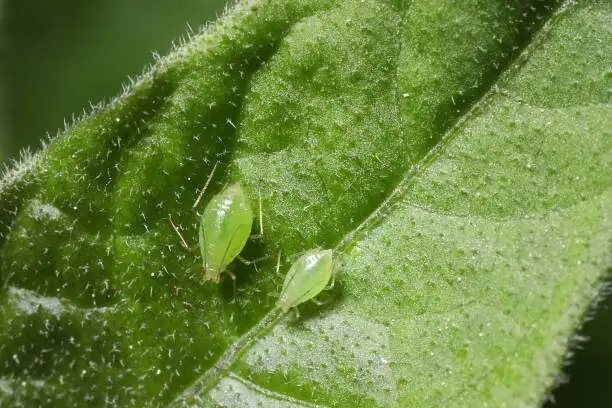
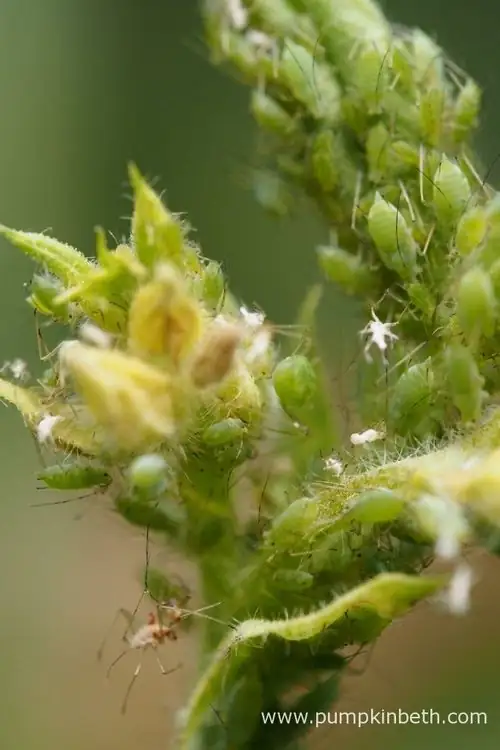
Aphids, often called plant lice, are small sap-sucking insects that love to feast on the tender new growth of sweet peas. These pests can cause leaves to curl and stunt plant growth. They’re particularly fond of crowding on the undersides of leaves and buds, which can lead to sooty mold development due to the sticky honeydew they excrete.
Solution: Introduce natural predators like ladybugs or lacewings to your garden. Alternatively, a gentle spray of water can dislodge them, or try an insecticidal soap if the infestation is severe.
Snails and Slugs: The Nighttime Nibblers
These slimy pests are notorious for munching on young sweet pea seedlings and leaves, leaving unsightly holes in their wake.
Solution: Handpick these mollusks in the evening or early morning. You can also use copper tape around plant bases, which acts as a deterrent, or employ organic slug pellets.
Spider Mites and Thrips: The Tiny Troublemakers
In hot, dry conditions, spider mites and thrips can become a problem, sucking sap and causing leaves to look stippled or silvery.
Solution: Increase humidity around plants by misting with water, or use neem oil to keep these pests at bay. Regularly inspect the undersides of leaves for their presence.
Diseases: Fungal Foes and Viral Villains
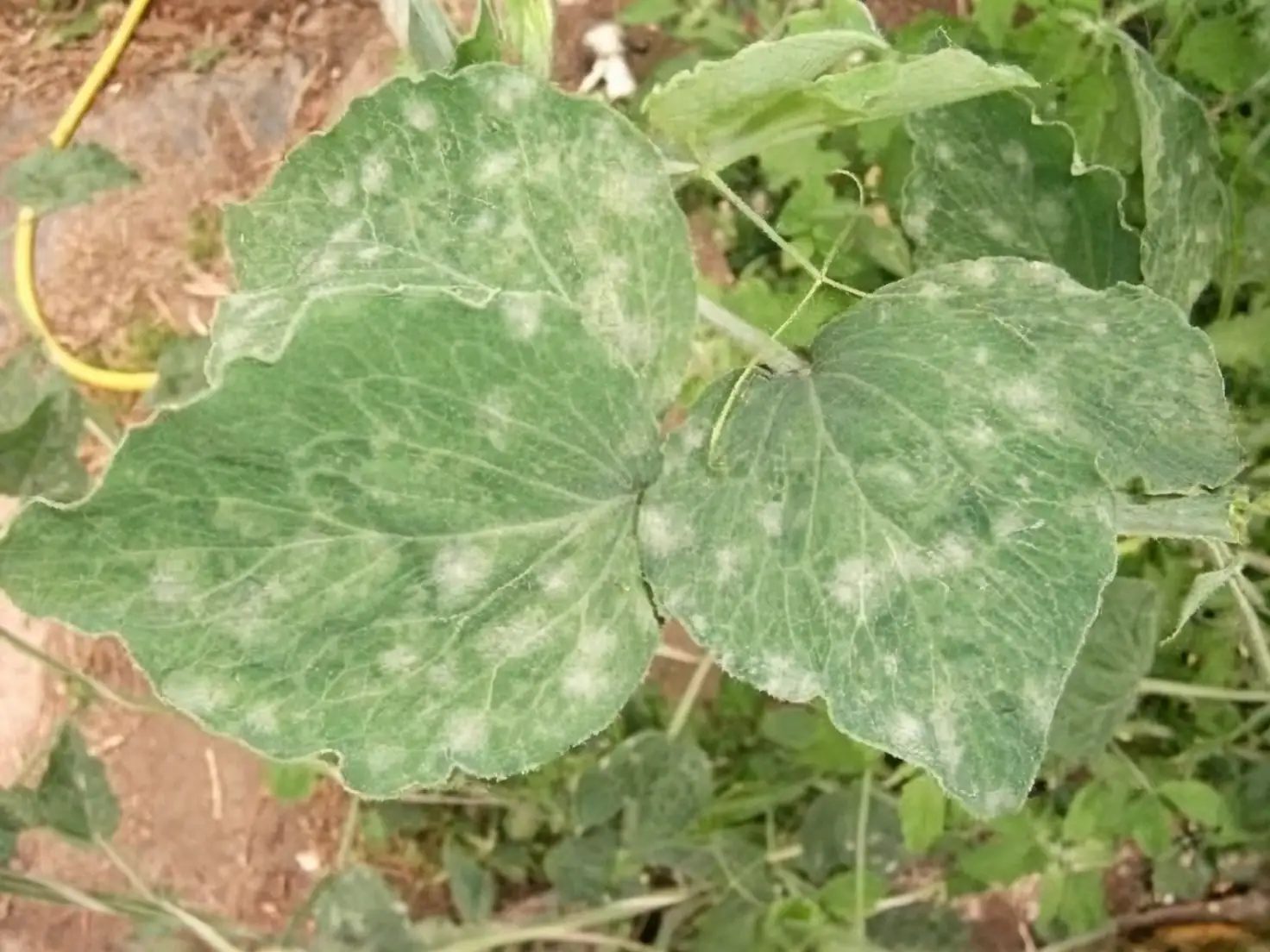
Powdery Mildew: The White Powder Plague
This fungal disease appears as a white, powdery coating on leaves and stems, often thriving in warm, humid conditions. Left unchecked, it can cause leaves to brown and wither.
Solution: Ensure good air circulation by spacing plants appropriately and remove infected foliage immediately. Fungicides can be used as a preventative measure.
Root Rot: The Silent Killer
Caused by poor drainage and overwatering, root rot can lead to wilting and browning of leaves as the plant’s roots decay.
Solution: Plant in well-draining soil, and ensure pots have drainage holes. Avoid watering the crown of the plant to keep it dry.
Viral Diseases: The Unseen Enemies
Viral infections like Pea enation mosaic and Tomato spotted wilt virus can cause distorted growth and mottled leaves.
Solution: There’s no cure for viral diseases. Prevent their spread by controlling aphid populations, which often transmit these viruses. Remove and destroy infected plants promptly.
Best Practices for Prevention
Prune and Train
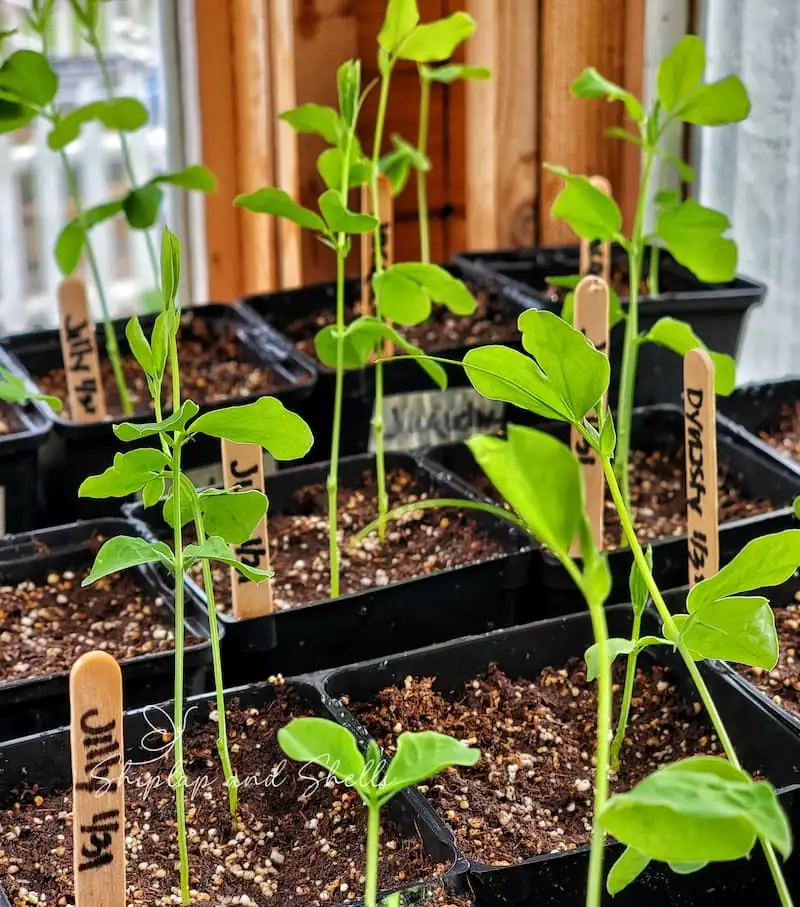
Regularly pinch the tips of young plants to encourage bushier growth and train stems to climb vertically. This not only improves airflow but also makes it easier to spot pest or disease issues early.
Optimal Watering and Feeding
Sweet peas love consistent moisture but hate soggy conditions. Water deeply but infrequently, and feed with a bloom-boosting fertilizer to promote flowering over foliage growth.
Choose the Right Variety
Select sweet pea varieties suited to your climate. Heirloom varieties like ‘Cupani’ are cherished for their fragrance, while modern hybrids offer larger blooms and sturdier stems.
Flower Language: Sweet Peas and Their Symbolism
Sweet peas are more than just pretty faces. In the language of flowers, they symbolize goodbyes, gratitude, and thank you for a lovely time. Their gentle fragrance and soft petals make them a perfect gesture of kindness and friendship. Historically, they’ve been associated with new beginnings, making them a popular choice for weddings and celebrations of new life chapters.
Conclusion
Sweet peas may require a bit of attention to overcome their pest and disease challenges, but the reward of a flourishing, fragrant garden is well worth the effort. With vigilance, proper care, and timely interventions, you can ensure your sweet pea vines remain a stunning feature in your garden landscape. Happy gardening!