
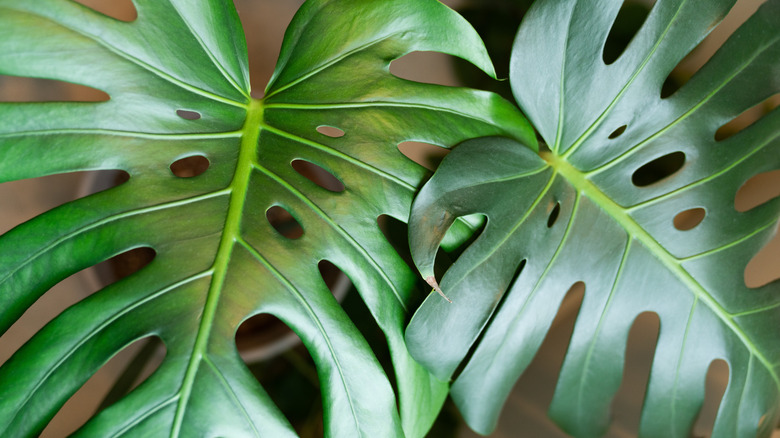
Monstera deliciosa, commonly known as the Swiss Cheese Plant, is a tropical marvel that has captivated indoor gardeners and interior designers alike with its lush, fenestrated leaves. However, even this resilient beauty isn’t immune to the trials of pests and diseases. Let’s explore how you can identify, prevent, and treat common issues that might befall your Monstera, ensuring it stays as vibrant and healthy as the rainforest it hails from.
Identifying Common Pests
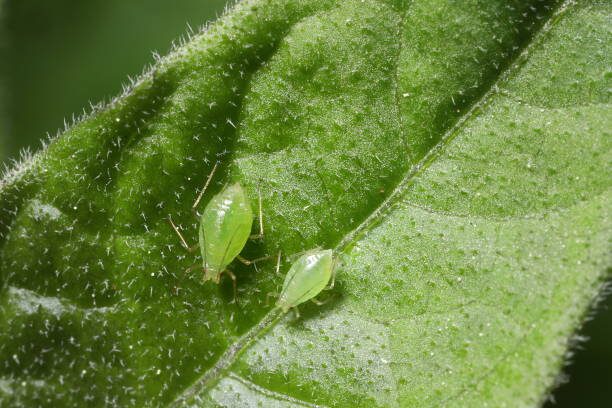
Monstera deliciosa is a popular target for various pests, and recognizing the signs early is crucial to maintaining its health.
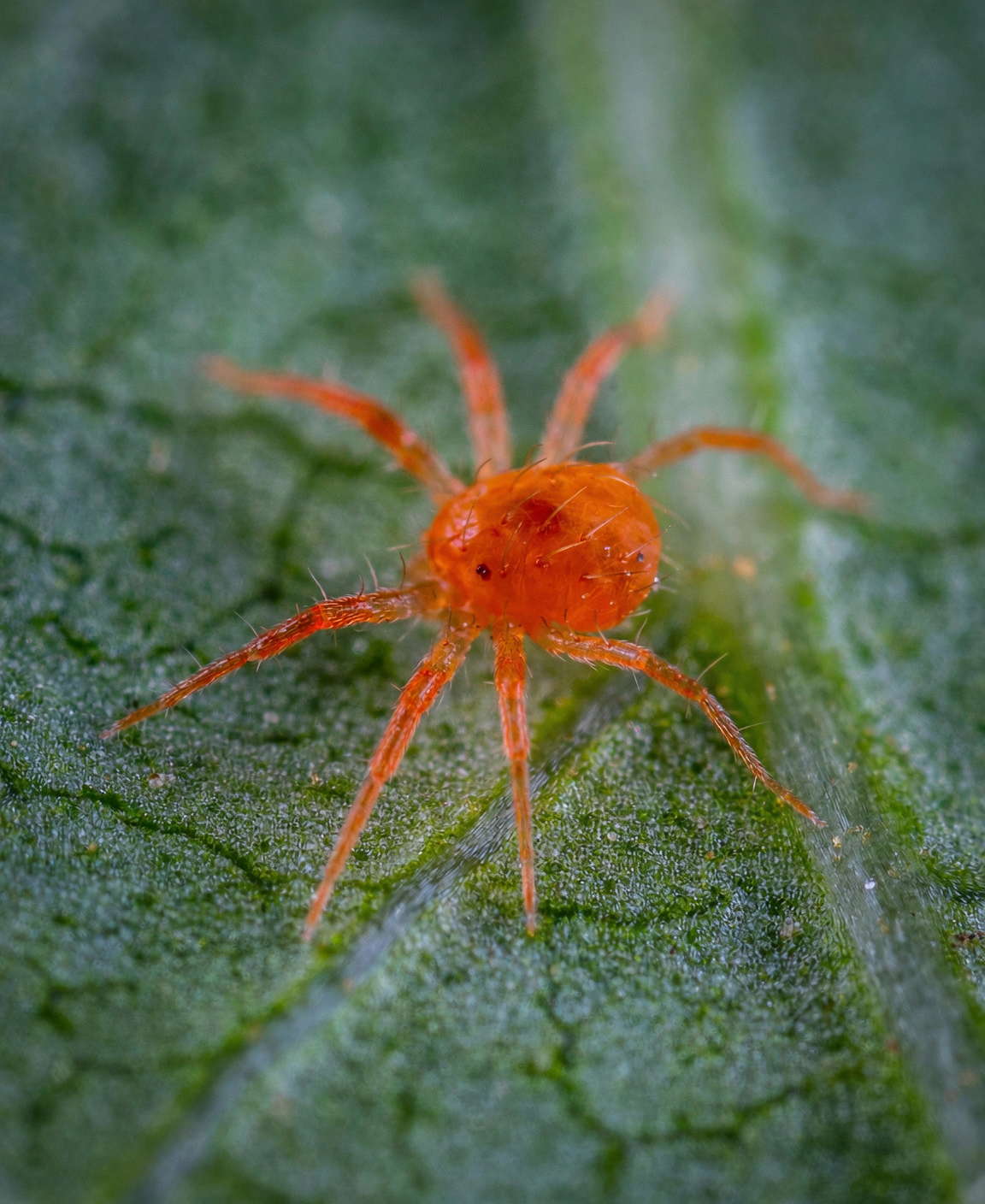
Spider Mites
These tiny invaders are notorious for weaving webs on the underside of leaves, causing stippling and yellowing. They thrive in dry environments, making adequate humidity and regular misting your first line of defense.
Mealybugs
These pests resemble small cottony masses and often hide in leaf axils. They can be removed manually with a cotton swab dipped in rubbing alcohol. For larger infestations, insecticidal soap or neem oil can be your ally.
Scale Insects
Scale insects appear as small, brown or tan bumps on stems and leaves. They can be scraped off gently, but persistent infestations may require horticultural oil.
Fungus Gnats
While not directly harmful to the plant, these pests indicate overly moist soil. Letting the top layer of soil dry out between waterings can help mitigate this issue.
Preventing Pest Infestations
An ounce of prevention is worth a pound of cure, and this adage rings especially true with plant care.
- Inspect Before You Buy: Always check new plants for signs of pests before bringing them home.
- Quarantine New Plants: Isolate new additions for a few weeks to prevent potential pest spread.
- Maintain Cleanliness: Remove fallen leaves and debris to reduce breeding grounds for pests.
- Don’t Overwater: Excess moisture invites pests and can lead to fungal infections. Stick to a routine that allows the top inch of soil to dry out.
- Enhance Airflow: Good ventilation helps prevent both pests and diseases by keeping the plant environment dry and well-aerated.

Identifying Common Diseases
Diseases in Monstera deliciosa often stem from environmental stressors and improper care.
Root and Stem Rot
Caused by overwatering and poor drainage, this can be identified by a sour smell and mushy stems. Ensure your Monstera is planted in a well-draining mix and adjust your watering schedule.
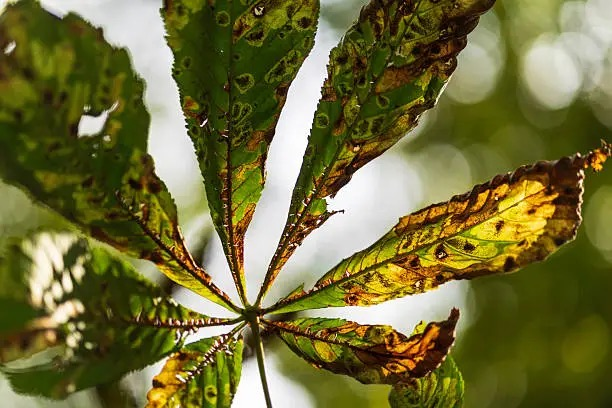
Leaf Spot and Powdery Mildew
High humidity and poor air circulation can lead to these fungal issues. Improving airflow and reducing humidity when symptoms appear can help control them. Remove affected leaves and consider a fungicidal treatment if necessary.
Treating Pests and Diseases
When prevention fails, swift action is key.
- Insecticidal Soap and Neem Oil: These are effective against most pests when used according to the manufacturer’s instructions.
- Manual Removal: For pests like mealybugs and scale, manual removal can be effective. Use a damp cloth or a cotton swab with rubbing alcohol.
- Adjust Care Practices: Sometimes the simplest solution is adjusting your watering or light exposure to improve plant health and resilience.
Extra Tips for a Thriving Monstera
- Support Growth with a Moss Pole: This not only helps the plant climb but also promotes larger, more fenestrated leaves.
- Keep Up With Regular Inspections: Make it a habit to inspect your Monstera regularly, catching any issues before they escalate.
- Stay Educated and Engaged: Joining plant care forums or online communities can provide support and new insights.
Monstera deliciosa’s journey from the tropical forests of Central America into our homes is a testament to its adaptability and allure. By staying vigilant and informed, you can enjoy the lush, jungle vibes it brings without the hassle of pests and diseases. Happy growing!