
When your little one is toddling around the garden, every leaf, flower, and berry becomes a new world of discovery. While their curiosity is a joy to watch, it can also lead them into some risky scenarios, especially when it comes to plant ingestion. With over 700 species of plants in the U.S. and Canada that can cause illness or even be fatal, it’s crucial to be vigilant. Here’s how you can create a safe environment while still nurturing their sense of wonder.
Know Your Greenery
The first step in preventing plant poisoning is to know what’s growing around you. Take a stroll around your garden and indoor plant collection and make a list of every plant. You don’t need to be a botanist; a simple visit to your local nursery with a few snaps of the plants can help you identify them. Be sure to note both the common and scientific names—this information is vital should you ever need to contact a Poison Control Center.
Common Culprits to Watch Out For
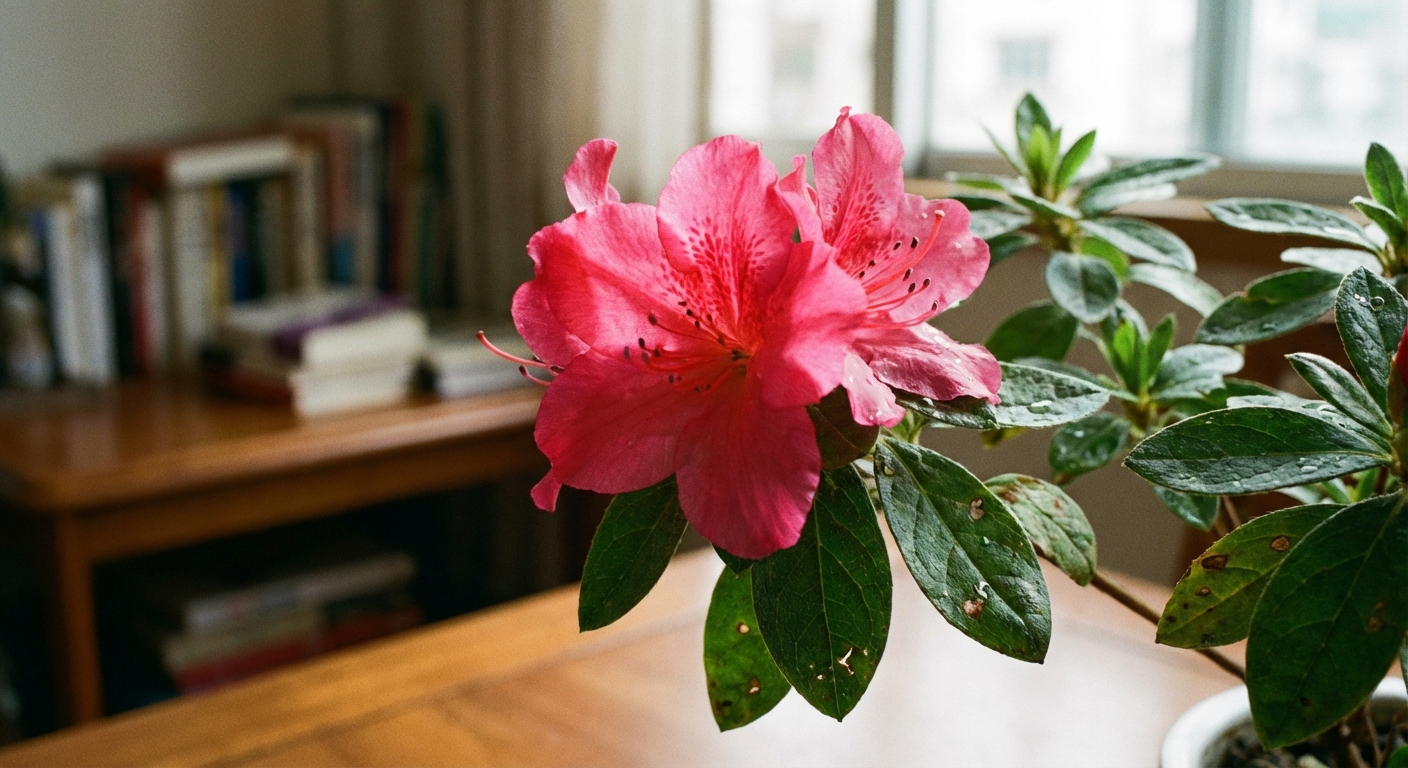
Some plants are more notorious than others for causing harm. Among the risky bunch are:
- Azalea (Rhododendron): Just a few leaves can cause serious issues.
- Foxglove (Digitalis purpurea): Known for its cardiac effects.
- Oleander (Nerium oleander): Extremely toxic, even in small amounts.
- Unripe Tomatoes and Potato Sprouts: Contain solanine, which can cause nausea and vomiting.
If your garden has any of these, consider relocating them out of reach or replacing them with non-toxic varieties.
Educate and Label
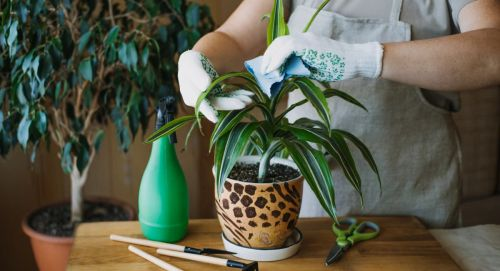
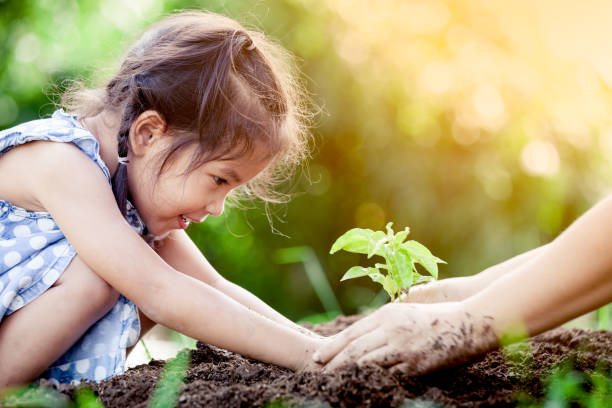
Empower your children by teaching them about the plants in your home. Explain why certain plants should not be touched or tasted. It’s also helpful to label each plant with its name and toxicity level. This not only serves as a reminder for kids but also for babysitters, grandparents, or anyone else who might be supervising your children.
Create a Safe Play Zone

While you don’t want to discourage your child’s natural curiosity, you do want to set boundaries. Designate certain areas of your garden as safe zones where children can play freely. Keep potentially dangerous plants in separate areas, preferably fenced or elevated. And remember, wild mushrooms can pop up unexpectedly, so make it a habit to check and remove them regularly.
Quick Action Steps for Emergencies
Despite your best efforts, accidents can happen. If you suspect your child has ingested a toxic plant, act swiftly:
- Remove any plant material from their mouth.
- Identify the plant: Knowing what they ate will help medical professionals provide the best care.
- Call the Poison Control Center at 1-800-222-1222: They will guide you on the next steps.
- Do not induce vomiting: Unless directed by a professional, it can sometimes do more harm than good.
Conclusion
By understanding and identifying the plants in your environment, educating your children, and knowing how to react in an emergency, you can turn your garden into a safe and delightful place for exploration. Remember, the goal isn’t to shield kids from nature but to teach them how to safely enjoy it.