
Indoor plants are a fantastic way to bring a splash of nature into your home, boosting aesthetics and even improving air quality. However, some of these leafy companions might be hiding a secret: toxicity. Not to worry, though! With a bit of knowledge, you can easily navigate which plants to keep around and which to handle with care. Let’s dive into the world of toxic indoor plants and learn how to detect potential hazards.
Understanding Plant Toxicity
Plants have evolved various defense mechanisms to protect themselves from predators. Some of these defenses come in the form of toxic chemicals concentrated in leaves, stems, or seeds. While these compounds are great for plant survival, they can cause anything from mild irritation to severe reactions in humans and pets.
Common Culprits in Your Home
Several popular houseplants are known for their toxic traits. Here are a few to watch out for:
- Philodendron (Araceae family): A favorite for its lush foliage, but it can cause oral irritation if chewed.
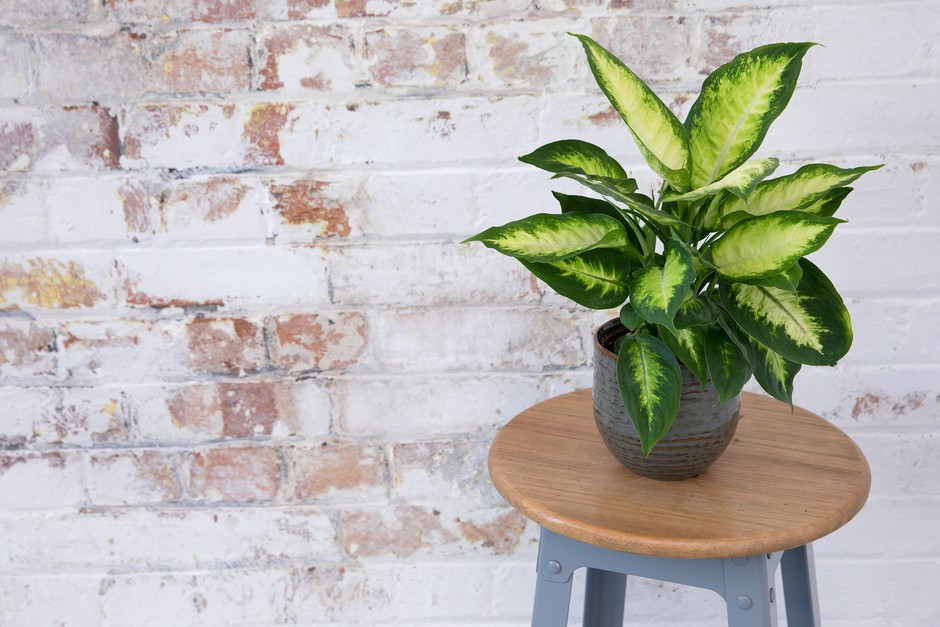
- Dumb Cane (Dieffenbachia): Known for its striking leaves, this plant can cause swelling of the tongue and throat if ingested.
- Pothos (Devil’s Ivy): While easy to care for, it can cause vomiting and oral irritation in pets.
- Oleander: Beautiful but deadly if ingested, affecting both humans and pets.
- Euphorbia (e.g., Crown of Thorns): Its milky sap can irritate skin and eyes.
Steps to Safeguard Your Space
1. Know Your Plants
Properly identifying your plants is crucial. Each plant can have multiple common names, so always refer to the botanical name for accuracy. Use plant tags, apps, or consult local nurseries and botanic experts to ensure you know what’s growing in your home.
2. Educate Your Household
Make sure that everyone, especially children, understands that plants are not for eating unless specifically designated as edible. Encourage children to ask before touching or tasting any plant parts.
3. Pet Precautions
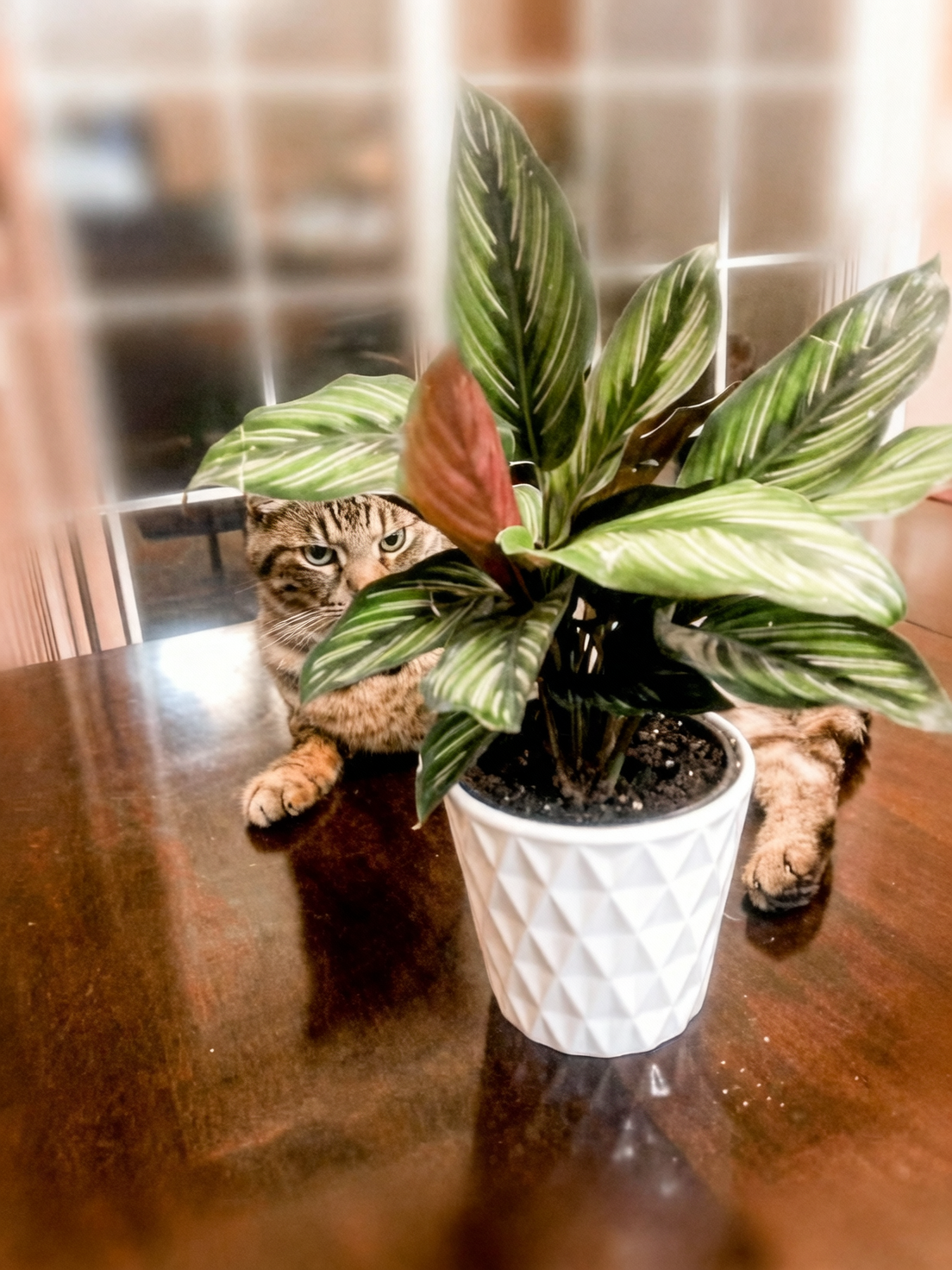
Pets are naturally curious and may nibble on plants. Keep toxic plants out of their reach or opt for pet-friendly varieties. If your pet shows signs of poisoning, like vomiting or lethargy, contact a vet immediately.
4. Emergency Preparedness
In case of ingestion, act quickly. Identify the plant and estimate how much was consumed. Use online tools like webPOISONCONTROL for guidance or call the poison control center at 1-800-222-1222. Bring a sample of the plant if you need to visit a hospital or vet.
Safe Alternatives
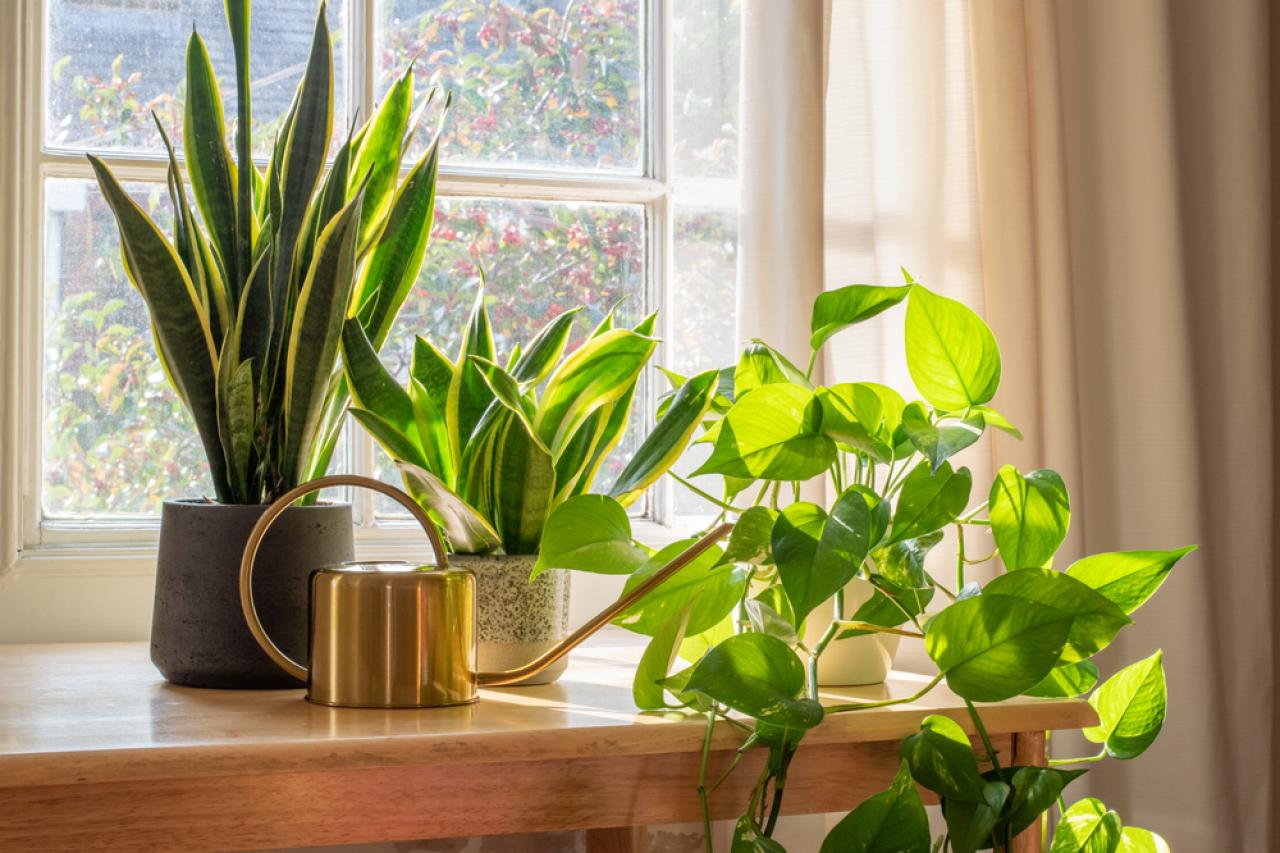
If the risk of toxicity is too concerning, consider swapping out risky plants for safer options. Ferns, spider plants, and certain palms are generally non-toxic and still offer that refreshing greenery without the worry.
Final Thoughts
While the idea of toxic plants might seem daunting, a little proactive care can keep your home safe and beautiful. By knowing what’s in your plant collection and taking sensible precautions, you can enjoy the benefits of indoor plants without unnecessary risk. Remember, the key is knowledge and preparation—so dig in, and let your indoor garden thrive safely!