Pruning might sound daunting, but it’s one of the best techniques to transform your plants from scraggly to spectacular. Whether you’re a seasoned gardener or just starting out, understanding how to prune effectively can make your plants fuller, healthier, and downright gorgeous. Let’s dive into the practical steps to mastering this art!
Why Prune at All?
Before you pick up those shears, let’s talk about why pruning is essential. Pruning helps:
- Remove dead or diseased parts to keep plants healthy.
- Encourage fuller growth for a lush appearance.
- Increase flower and fruit production.
- Maintain a plant’s shape and size.
Pruning isn’t just about cutting; it’s about giving your plant the best chance to thrive.
Pruning Techniques for Fuller Growth
If you’re aiming for a bushier plant, you’re in luck! The secret lies in a technique called heading cuts. Here’s how it works:
Heading Cuts
- What It Is: This involves trimming the tips of branches. By removing the growing tips, you encourage the plant to focus on growing side branches rather than just shooting upwards.
- How It Works: Plants have a hormone called auxin in their stem tips which suppresses lateral growth. By cutting the tip, you redirect energy to the side buds, thus promoting fuller growth.

- When to Do It: Generally, late winter or early spring is ideal, before new growth kicks in. However, specific timing might depend on the plant species.
- Tools Needed: Sharp pruning shears are your best friend. Remember to clean them before and after use to prevent disease spread.
Pinching
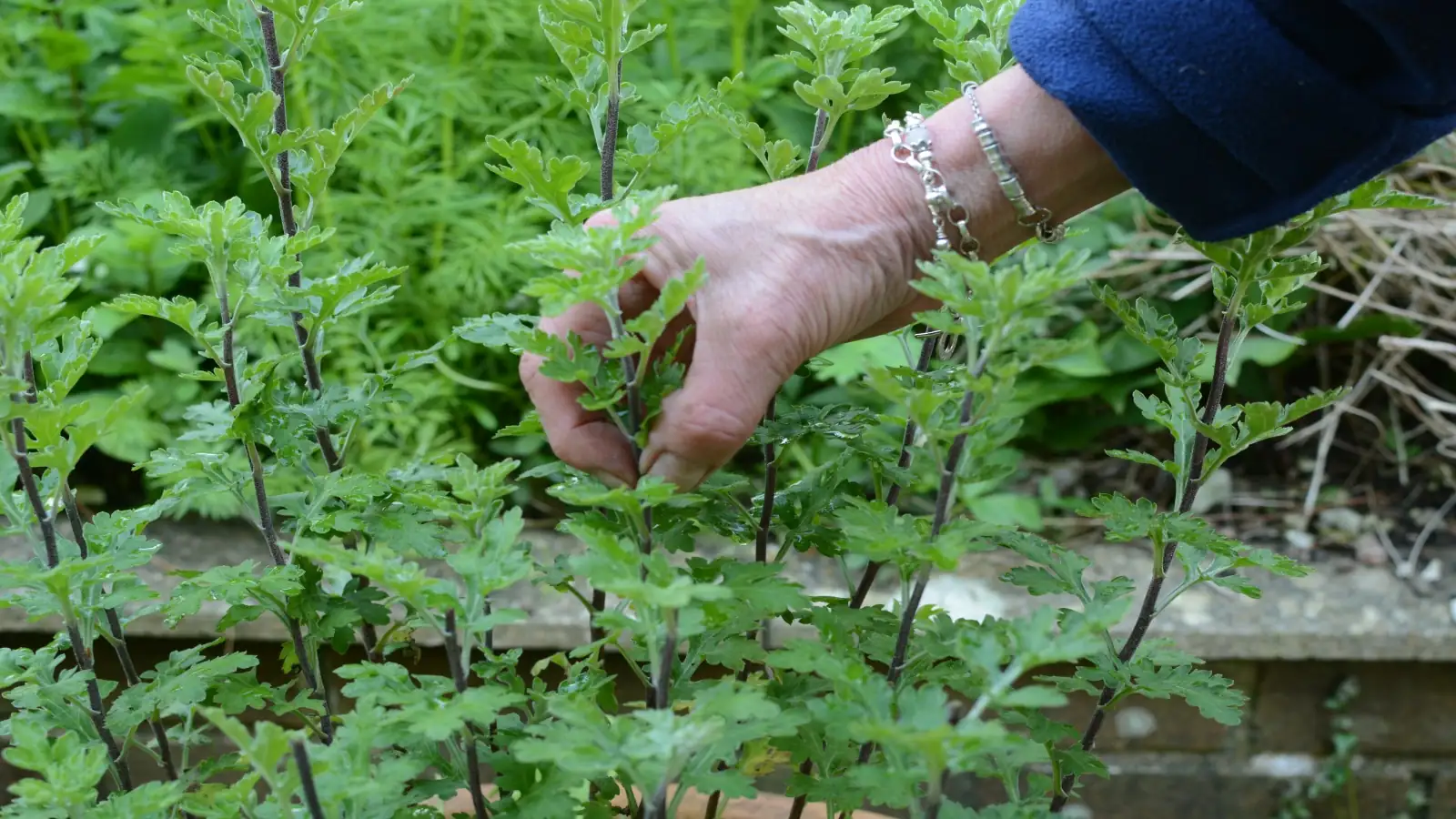
- What It Is: For softer plants or new growth, you can simply pinch off the tips using your fingers.
- Why It’s Useful: This method is gentle and encourages new side shoots, ideal for plants like herbs or young shrubs.
Common Mistakes and How to Avoid Them
- Over-pruning: Never remove more than one-third of the plant at a time. Overdoing it can stress the plant and stunt growth.
- Wrong Timing: Pruning at the wrong time can lead to fewer flowers or even kill the plant. Always check the specific needs of your plant species.
- Dull Tools: Using blunt tools can tear rather than cut, leading to infections. Keep your shears sharp and clean.
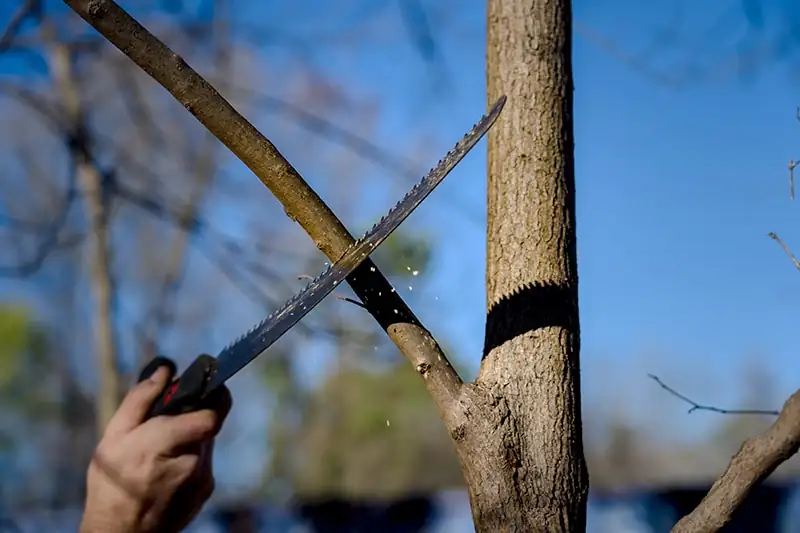
- Ignoring the Branch Collar: When cutting thicker branches, don’t cut too close to the trunk. Leave the branch collar intact for proper healing.
Practical Tips for a Fuller Look
- Prune Regularly: Regular maintenance helps prevent overgrowth and keeps your plants looking their best.
- Observe and Adapt: After making a few cuts, step back and assess the plant’s shape. Adjust your strategy accordingly.
- Experiment with Different Plants: Some plants like roses or butterfly bushes respond exceptionally well to pruning. Start with these if you’re new to pruning.
In conclusion, pruning is not just a maintenance task; it’s an art form that can enhance the beauty and health of your plants. By employing these pruning techniques, you can transform your garden into a lush paradise. So grab those shears, and happy pruning!