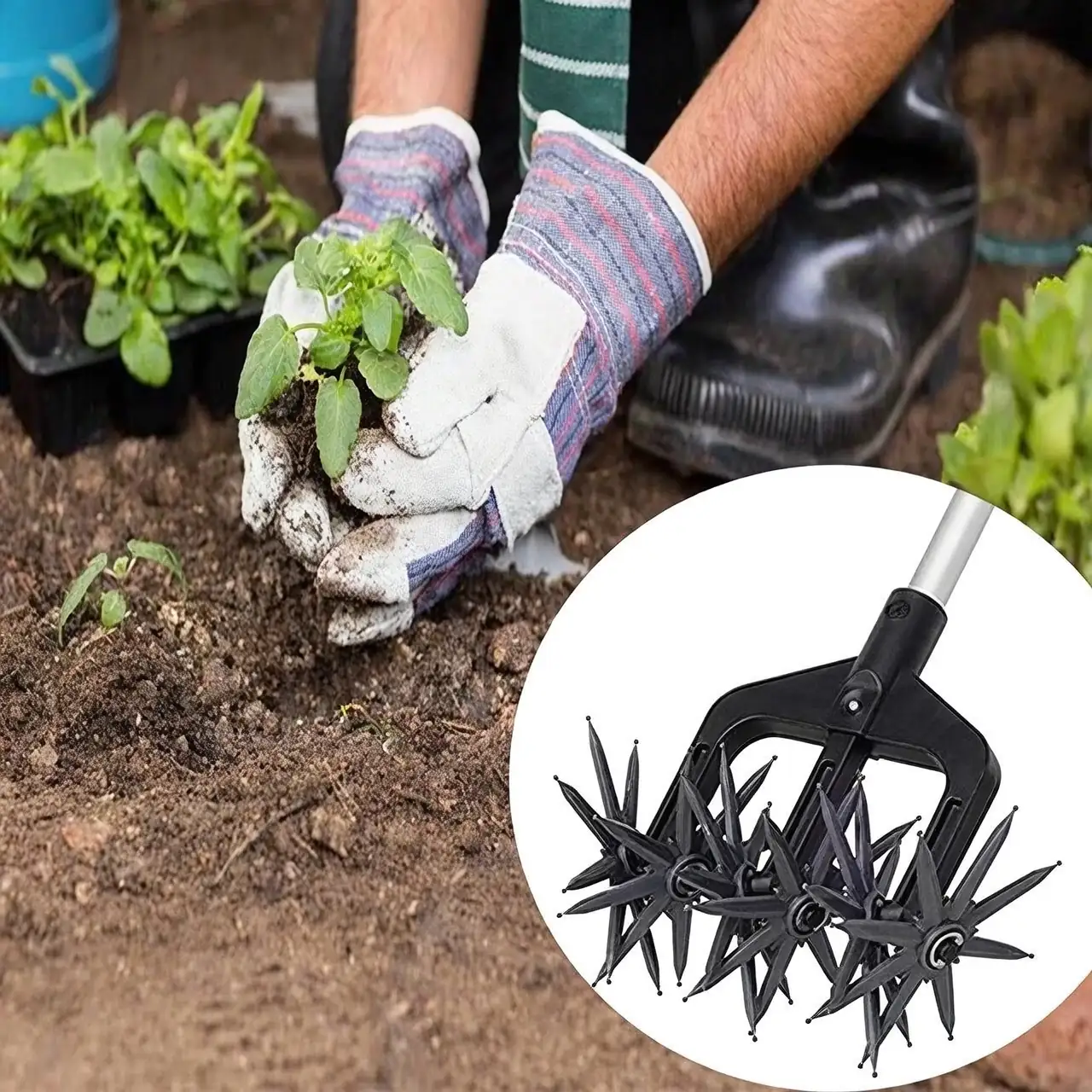
When it comes to keeping our tools free from harmful microorganisms, the task might seem daunting at first. However, with some practical steps and a bit of diligence, you can ensure that your tools are not only clean but also safe to use, preventing cross-infection effectively. Whether you’re a home gardener, a DIY enthusiast, or someone who uses tools in healthcare settings, these tips will help you maintain a hygienic environment.
Understanding the Importance of Tool Disinfection
Cross-infection happens when harmful pathogens are transferred from one object or person to another, which can lead to infections. In healthcare settings, improperly cleaned non-critical items such as blood pressure cuffs or stethoscopes can become reservoirs for pathogens. Similarly, in everyday life, gardening tools or kitchen utensils that aren’t properly cleaned can spread bacteria or viruses.
Why Disinfection Matters
- Health and Safety: Prevents the spread of diseases.
- Functionality: Keeps your tools in good working order.
- Cost-Effectiveness: Reduces the need for replacements due to rust or damage from improper cleaning.
Steps to Proper Tool Disinfection
1. Start with Cleaning
Before disinfecting, always clean the tools. Cleaning involves removing visible dirt and debris. For instance, if you’re working with gardening tools, rinse off soil and plant residue under running water.
- Tip: Use a brush to scrub off stubborn dirt.

2. Choose the Right Disinfectant
Not all disinfectants are created equal, and what works in one setting might not be suitable for another. Consider using an EPA-approved disinfectant for most home tools. For healthcare settings, follow the facility’s guidelines for approved disinfectants.
- Key Insight: Alcohol-based disinfectants are effective but should be used with caution around heat or open flames.

3. Follow the One Wipe, One Surface Rule
A study from Cardiff University highlighted the importance of using a “one wipe, one application per surface” method to prevent spreading pathogens to new surfaces. Always use a fresh wipe for each tool or surface.
- Common Mistake: Reusing wipes on multiple surfaces can spread germs instead of eliminating them.
4. Dry Tools Properly
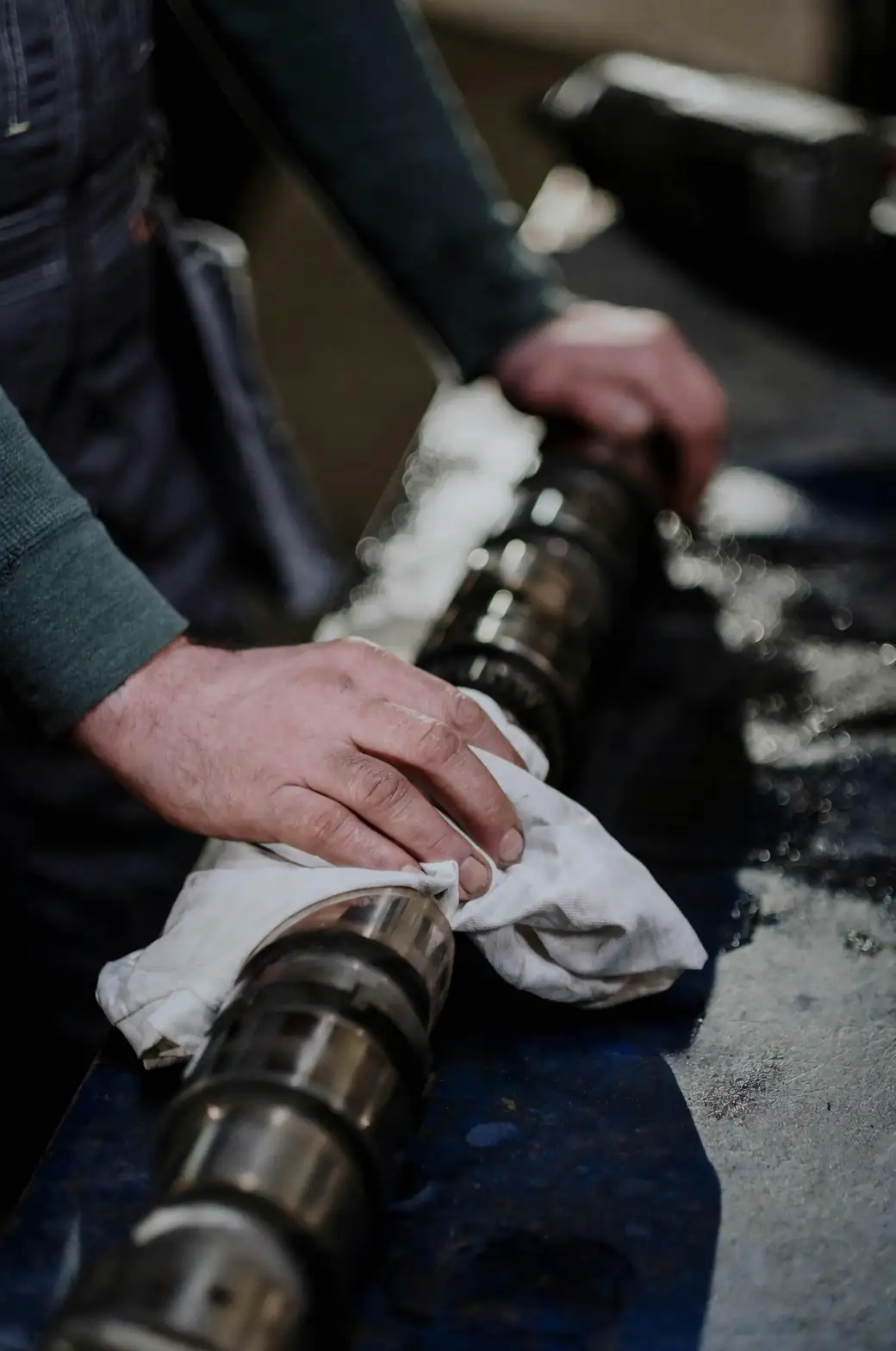
After disinfecting, ensure tools are thoroughly dried to prevent rust and damage. Air drying is effective, but for metal tools, wiping them dry with a clean cloth might be necessary.
- Quick Tip: For gardening tools, consider applying a light coat of oil after drying to prevent rust.
5. Store Tools Correctly
Proper storage is essential to maintain cleanliness. Ensure tools are stored in a dry, clean environment. For healthcare settings, store medical devices in designated clean areas.
- Avoid: Storing tools in damp places, which can promote mold growth and corrosion.
Common Pitfalls to Avoid
- Skipping the Cleaning Step: Disinfectants are less effective on surfaces that are not clean.
- Using the Wrong Concentration: Follow the manufacturer’s instructions for the right concentration of disinfectant.
- Inconsistent Routine: Regular cleaning and disinfection are key. Set a schedule and stick to it.
Conclusion
Keeping your tools clean and free from cross-infection is not just about following a routine—it’s about ensuring safety and longevity. By understanding the importance of each step and applying these practical tips, you can maintain a safe and efficient environment, whether at home or in a professional setting. Remember, a little effort in the cleaning department goes a long way in preventing potential health risks.