From West African Origins to Worldwide Fame: The Journey of the Snake Plant
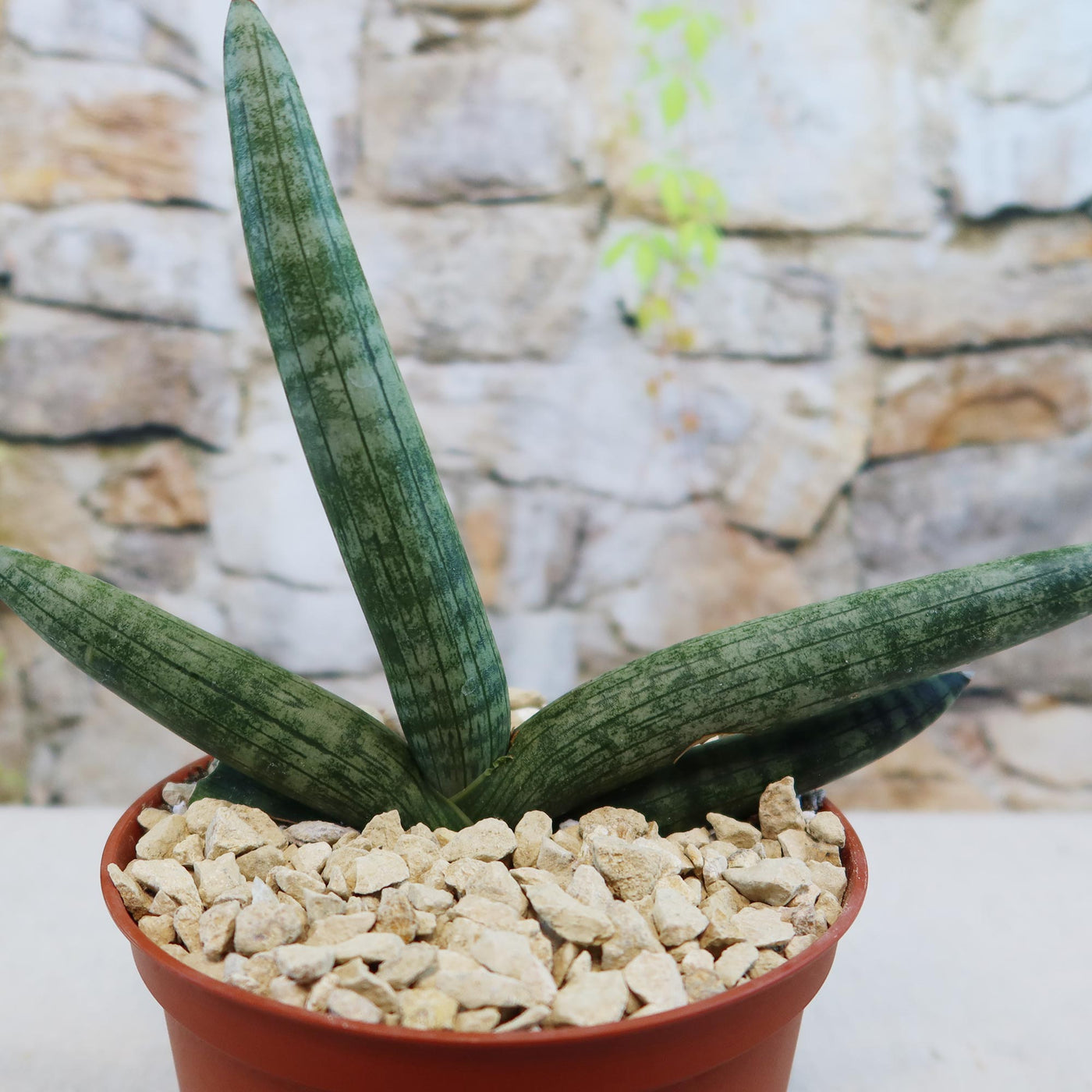
Imagine a plant so resilient that it could thrive in the harshest conditions, needing hardly any water or sunlight, and yet elegantly decorating our homes around the globe. Meet Dracaena trifasciata, popularly known as the Snake Plant. This green stalwart, with its sword-like, upright leaves, is a superstar in the world of houseplants, revered for its easy care and striking appearance. But how did this plant, with roots firmly planted in West Africa, become a favorite of plant lovers worldwide?
A Stalwart from the Heart of Africa
The story of the Snake Plant begins in the dry, tropical regions of West Africa, particularly around Nigeria. In these hot and often unforgiving environments, the plant evolved to survive with minimal resources. Its stiff, leathery leaves are not just a stylistic choice by nature; they are a testament to its endurance, equipped with the ability to retain water and withstand drought.
In its native lands, the Snake Plant is more than just a pretty face. African communities have historically utilized its tough fibers to craft strong ropes, yarns, and textiles, earning it the nickname Viper’s Bowstring Hemp. This connection to craftsmanship is a testament to the plant’s durability and versatility.
A Plant of Many Names and Legends
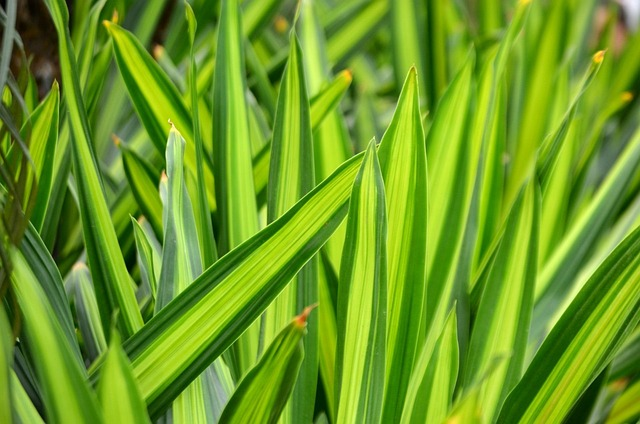
The Snake Plant is known by many aliases, each telling a story of its characteristics and cultural significance. Names like Mother-In-Law’s Tongue and Saint George’s Sword hint at the plant’s sharp, pointed leaves, while folklore from Nigeria speaks of its protective properties. In some traditions, the plant’s erect leaves are thought to ward off evil, a belief that has traveled alongside the plant as it made its way into homes far from its native Africa.
The Journey Westward: Colonialism and Horticultural Enthusiasm
The global journey of the Snake Plant began in earnest during the 18th and 19th centuries, a time when European explorers were eager to bring exotic plants back from their travels. As the plant made its way to Europe, it captured the hearts of botanists and gardeners alike. Its ability to thrive indoors with minimal care made it a staple in homes and botanical gardens across the continent.
By the 20th century, the Snake Plant had crossed the Atlantic, embedding itself into the fabric of American home decor. Its architectural form and the air-cleansing reputation made it a desirable addition to homes and offices alike.
A Modern Icon: Cultivation and Care
Today, the Snake Plant is a staple in the world of indoor gardening, celebrated for its air-purifying qualities and its ability to release oxygen at night, thanks to CAM photosynthesis. This nocturnal oxygen production has led many to place it in bedrooms, hoping for a better night’s sleep.
Caring for a Snake Plant is as easy as pie:
- Light: While it can tolerate low light, brighter, indirect light will enhance its growth and coloration.
- Water: The key is moderation. Let the soil dry out between waterings—overwatering is a common pitfall.
- Temperature: It prefers warm conditions and should be kept away from cold drafts.
- Soil: Fast-draining soil is essential; think of a gritty cactus mix.
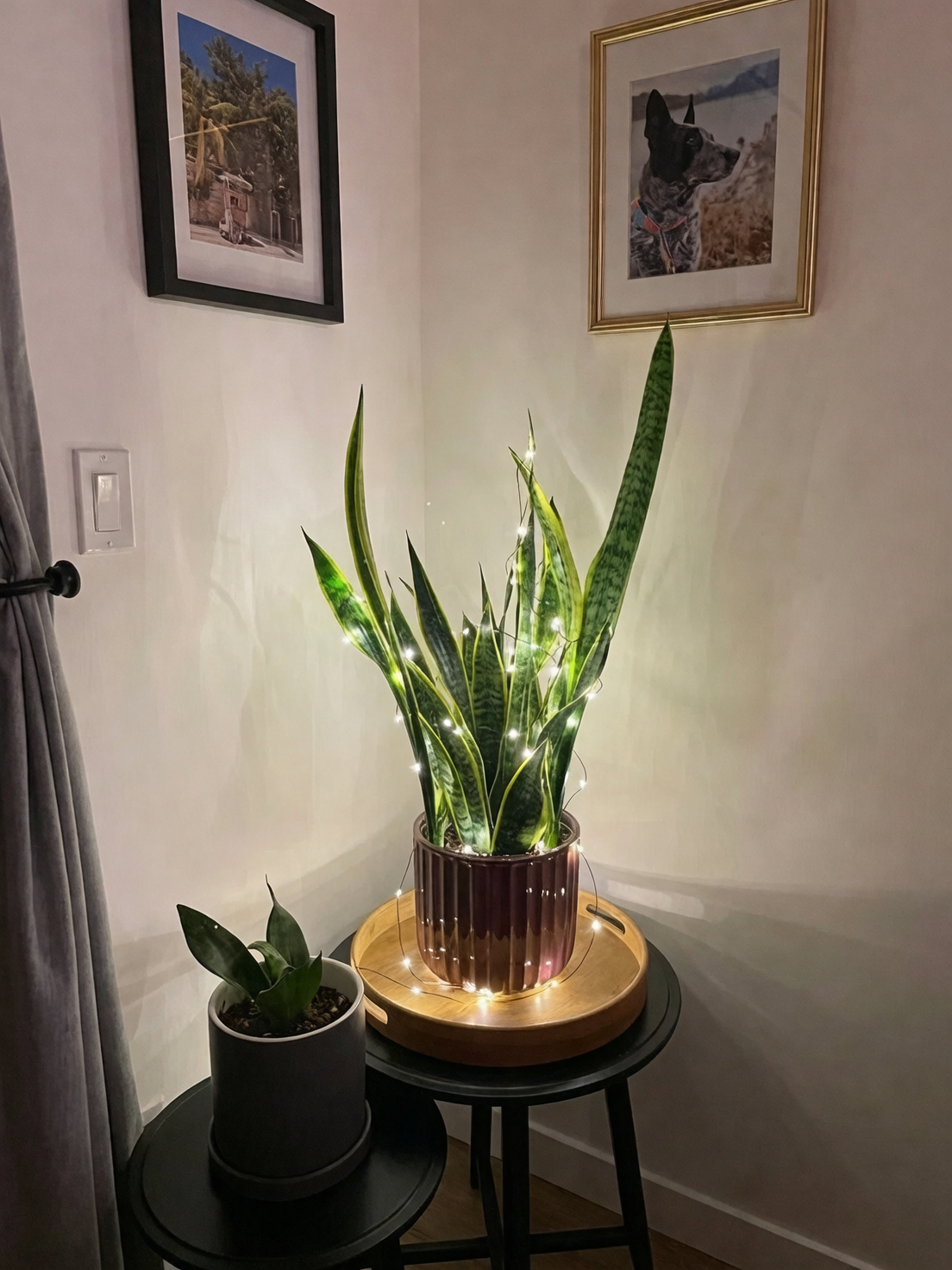
A Symbol of Resilience and Strength
In homes around the world, the Snake Plant is more than just an ornamental plant. It symbolizes resilience and protection, much like the folklore that surrounds it. It’s a living testament to strength and adaptability, thriving in conditions that would challenge lesser plants.
Fun Facts and Fascinations
- Flowering Surprise: While rare indoors, Snake Plants can produce fragrant flowers under ideal conditions.
- Variety Galore: Cultivars like ‘Laurentii’ with yellow edges add a splash of color to any plant collection.
- Eco-Friendly Fibers: Beyond aesthetics, its fibers remain a sustainable resource for eco-conscious crafts.
Whether you’re a seasoned gardener or just starting to explore the world of houseplants, the Snake Plant offers beauty, history, and a touch of nature’s magic. So, next time you see its tall, elegant leaves gracing a windowsill or desk, remember the incredible journey it has taken—from the heart of Africa to the heart of our homes.