A Kaleidoscope in the Garden: The Quirky Charms of Amaranthus tricolor
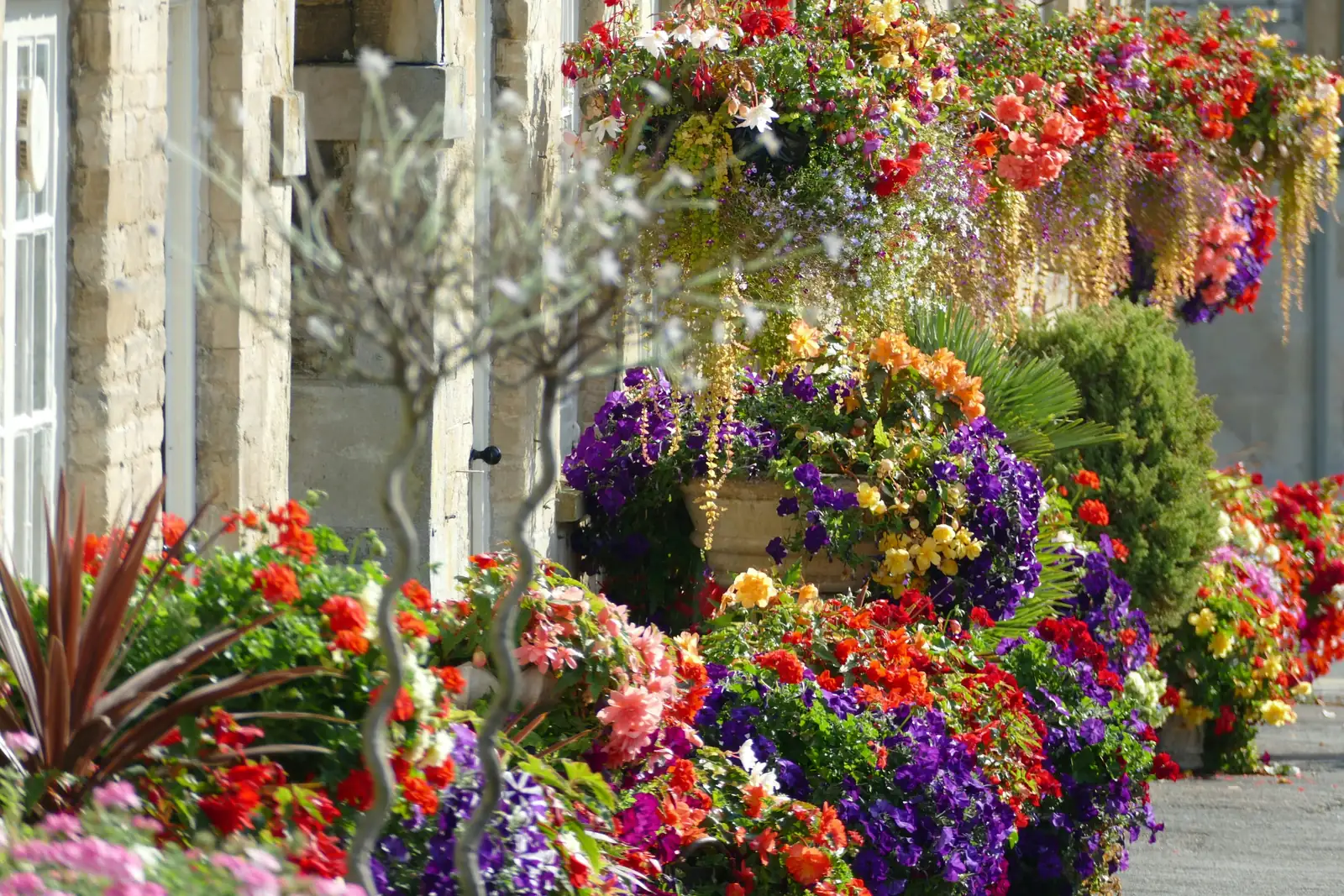
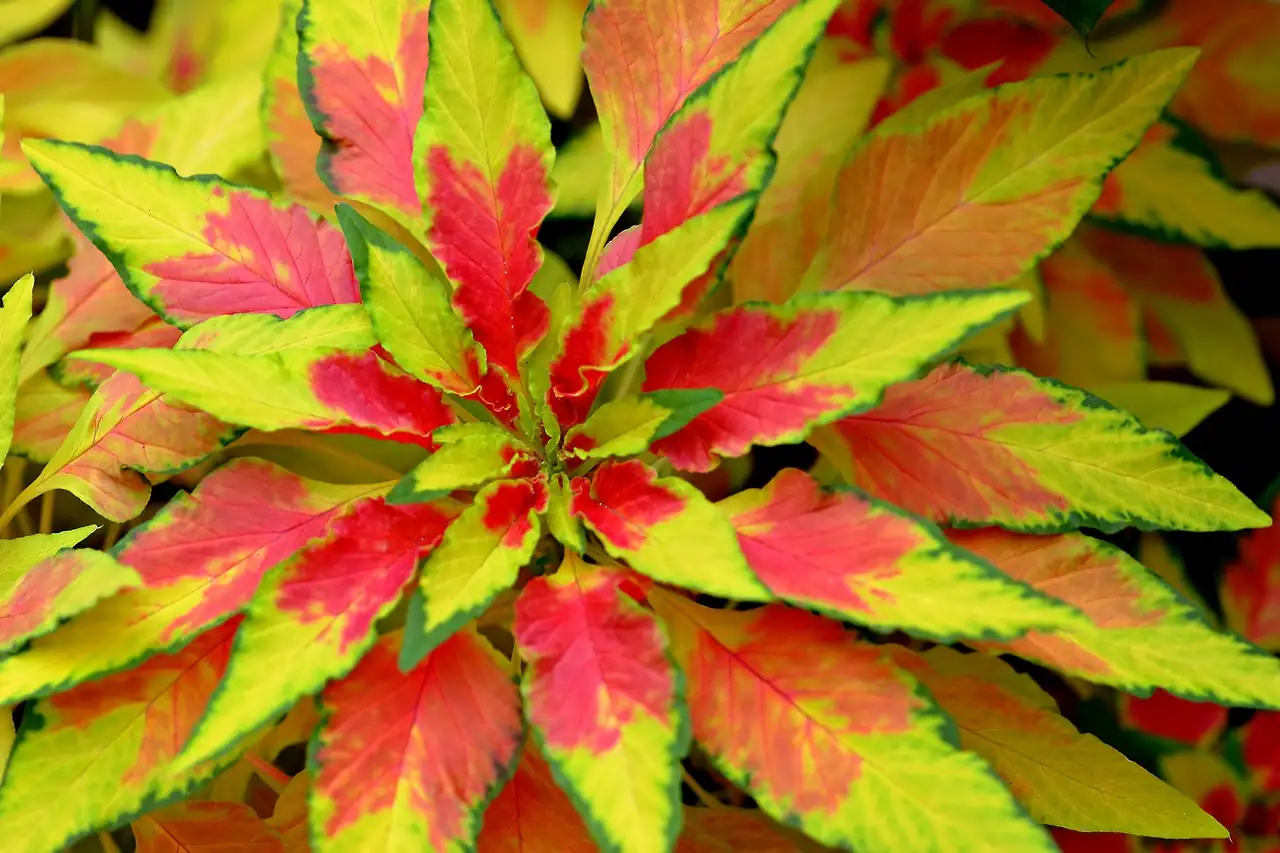
Imagine a garden where each plant is a canvas, painted in vibrant hues of red, yellow, pink, and purple. This enchanting scene isn’t a dream but a reality with Amaranthus tricolor L., commonly known as Joseph’s Coat. With its striking foliage and easygoing nature, this plant is a true standout, offering a splash of kaleidoscopic color that can transform any garden into a masterpiece.
Nature’s Paintbrush: The Foliage
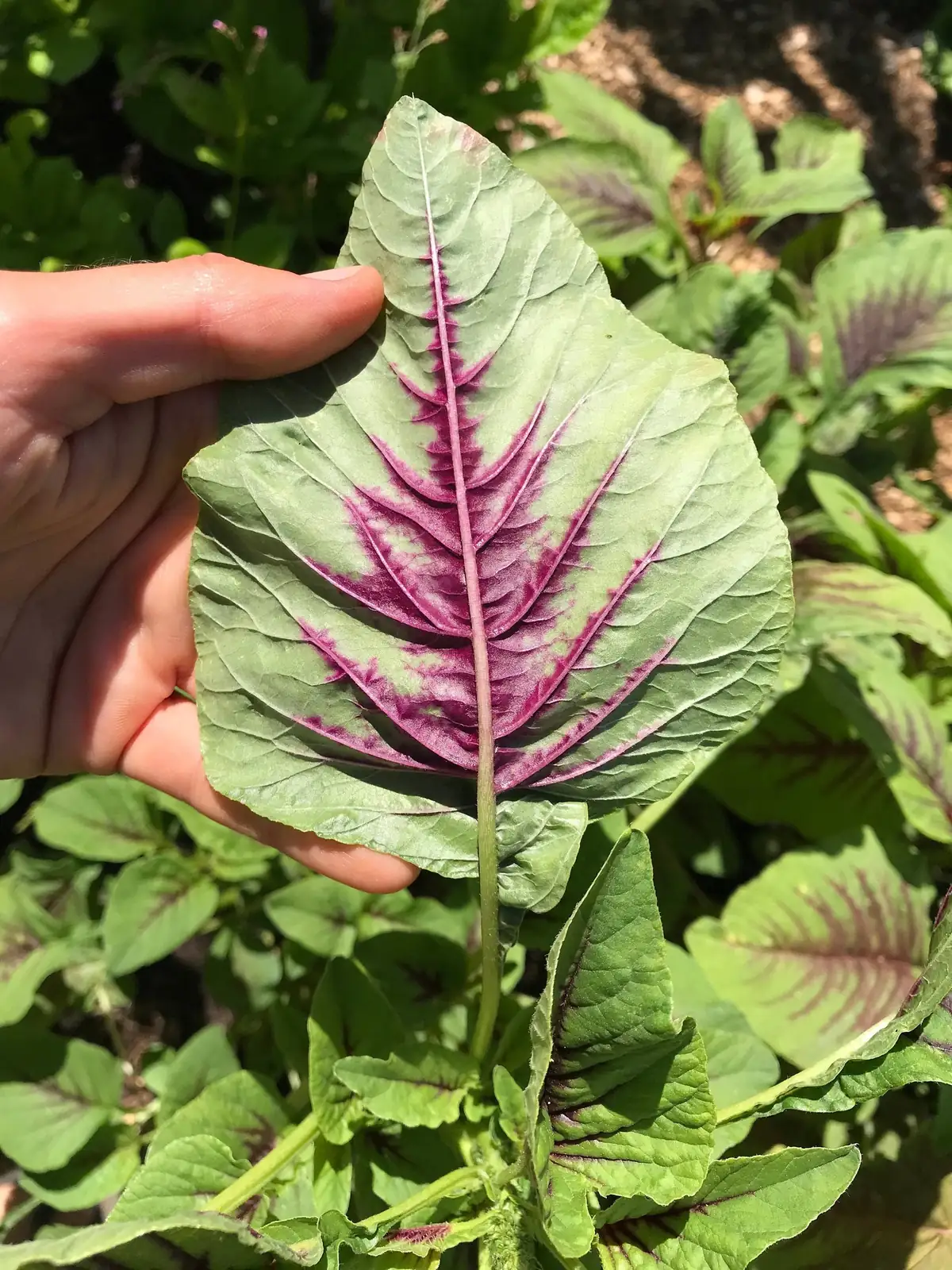
Amaranthus tricolor is not your average garden plant. Its leaves are the star of the show, often starting green before exploding into a riot of multicolor tones as summer heats up. Picture leaves that seem to have been kissed by a rainbow, with the uppermost ones boasting the boldest contrasts. This foliage plant, with its ovate to elliptic leaves, grows to a height of 60–120 cm (2–4 ft), creating a vibrant tapestry that’s hard to ignore.
A Garden’s Best Friend
Why stop at just being beautiful? Joseph’s Coat is as practical as it is pretty. Originating from tropical Asia, it’s also known as Chinese Spinach or Edible Amaranth, valued in many Asian cuisines for its nutritious leaves. While the plant’s flowers are small and non-showy, they produce seeds that attract birds, adding a touch of wildlife charm to your garden.
Easygoing Charm
One of the joys of growing Amaranthus tricolor is its low-maintenance nature. This warm-season annual thrives in full sun to part shade, with bright sunlight bringing out the most vibrant leaf colors. It’s heat-tolerant and adaptable, making it a perfect choice for gardeners seeking a plant that can handle the summer sun without wilting under pressure.
Care Tips:
- Watering: Keep the soil evenly moist but avoid waterlogging to prevent root rot.
- Fertilization: A light touch with fertilizers ensures the best color; too much nitrogen can result in lots of green growth and less vivid foliage.
- Pruning: Minimal pruning is needed, but removing spent flower spikes can tidy up its appearance.

A Plant with a Story
The name “Joseph’s Coat” draws inspiration from the biblical tale of Joseph and his coat of many colors, perfectly capturing the plant’s magnificent array of hues. The genus name, Amaranthus, comes from the Greek for “unfading,” a nod to the plant’s enduring visual appeal. It’s not just a plant; it’s a living story of beauty and resilience.
Fun Facts and Quirks
- Multicultural Uses: In Indonesia and Malaysia, it’s a beloved vegetable, akin to spinach.
- Seeds Galore: With 1,000–1,500 seeds per gram, it’s no wonder birds love it!
- Heat Hero: This plant handles heat and dry spells better than many traditional bedding plants.
Your Garden’s Crown Jewel
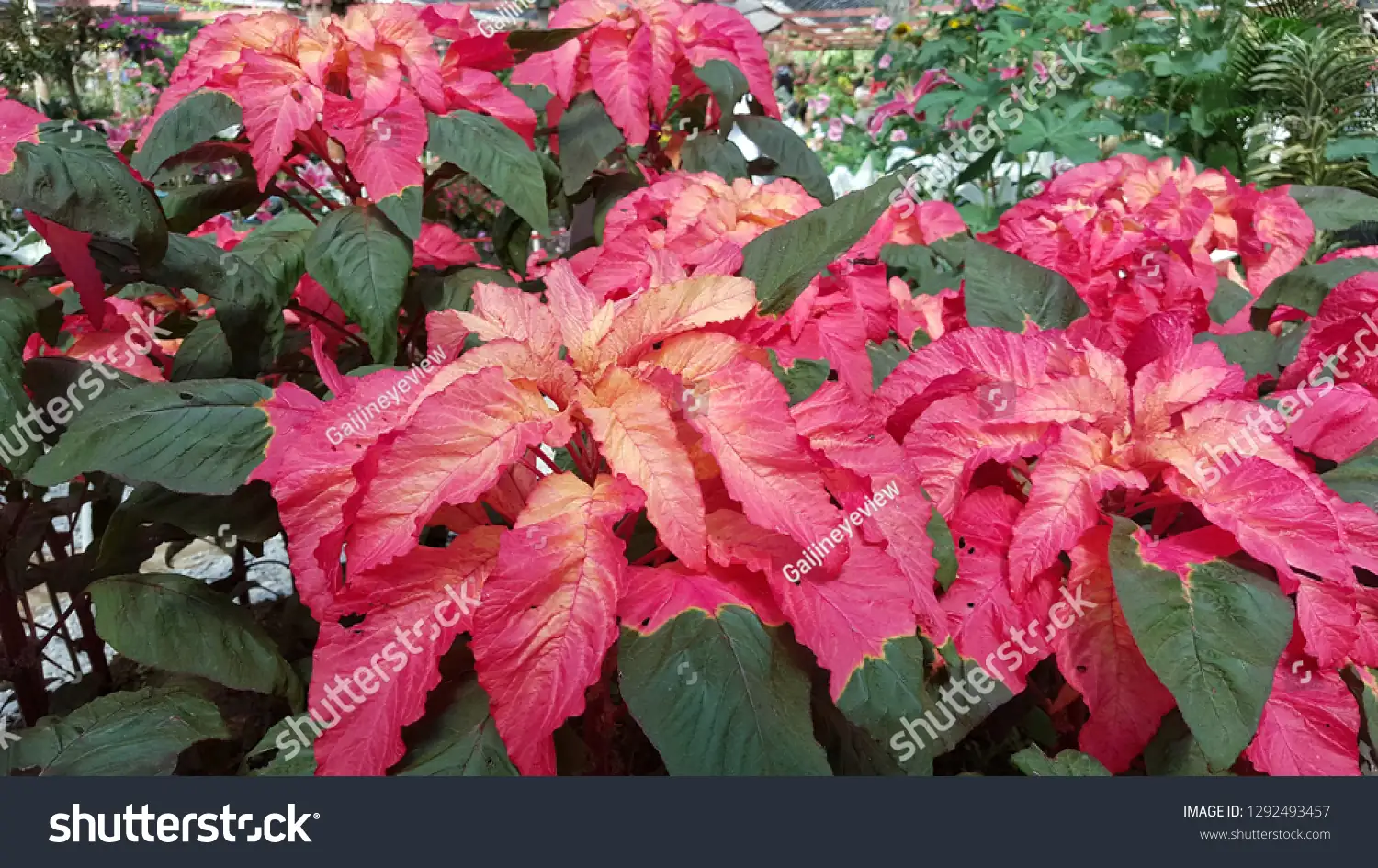
Whether you’re a seasoned gardener or just starting, Amaranthus tricolor is a delightful addition to any planting scheme. Its dramatic foliage, combined with its ease of care and nutritional value, makes it a true gem in the world of plants. So, if you’re looking to add a splash of color and a dash of exotic flair to your garden, let Joseph’s Coat be your go-to choice. Watch as it transforms your outdoor space into a vibrant tapestry of living color, season after season.
Dive into the world of Amaranthus tricolor and discover the joy of gardening with a plant that’s as unique and colorful as a painter’s palette.