The Enchanting Journey of Rhapis excelsa: From Royal Gardens to Modern Homes
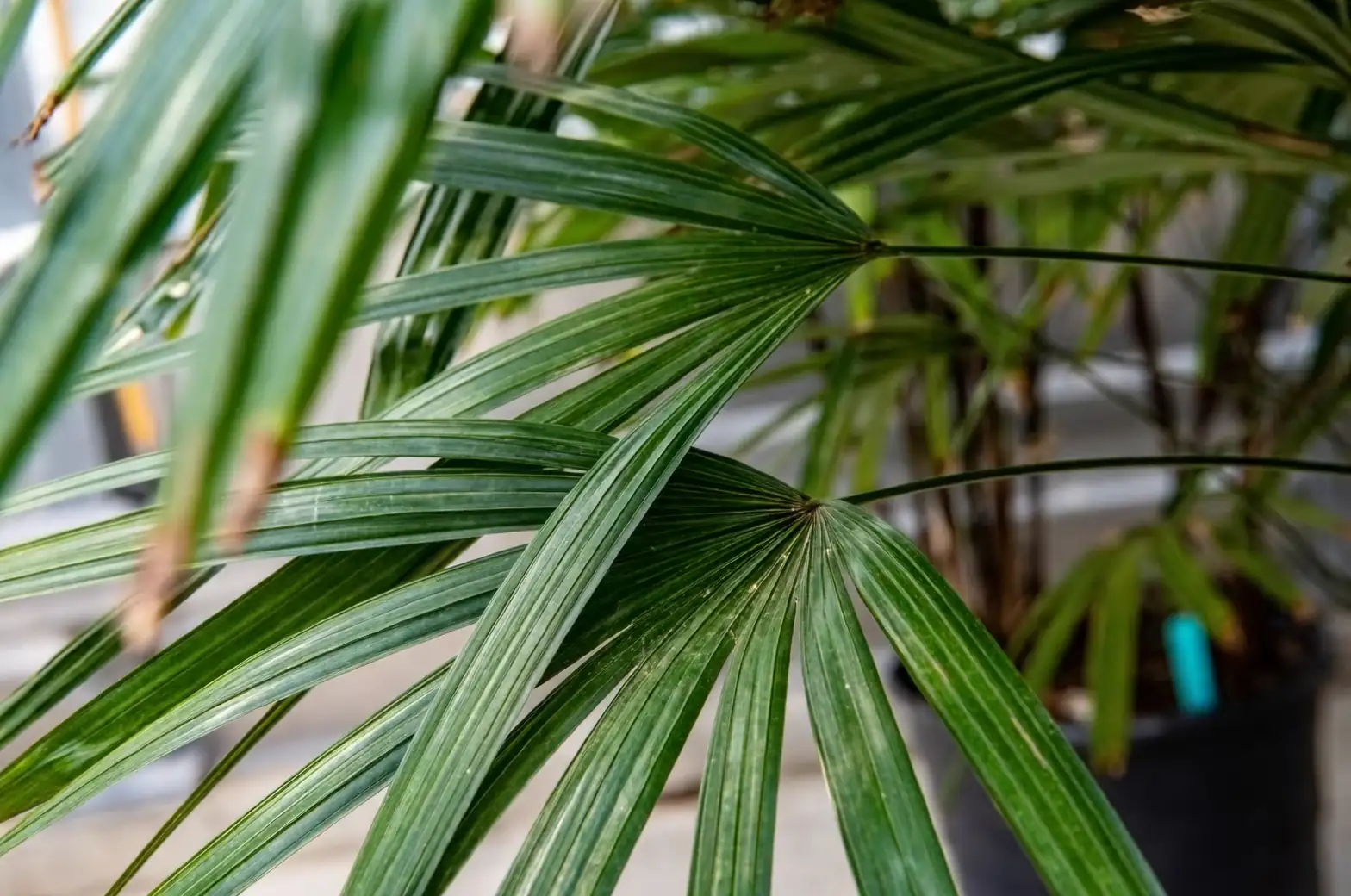
If you’re looking for a plant that combines elegance, resilience, and a touch of history, look no further than Rhapis excelsa, more affectionately known as the Lady Palm. This captivating plant has been a symbol of grace and sophistication, tracing its roots back to the grandeur of Chinese imperial gardens. But how did this palm, with its bamboo-like canes and fan-shaped leaves, transition from royal courts to becoming a beloved houseplant worldwide? Let’s embark on a journey through time and horticulture to uncover the story behind this remarkable plant.
A Royal Beginning
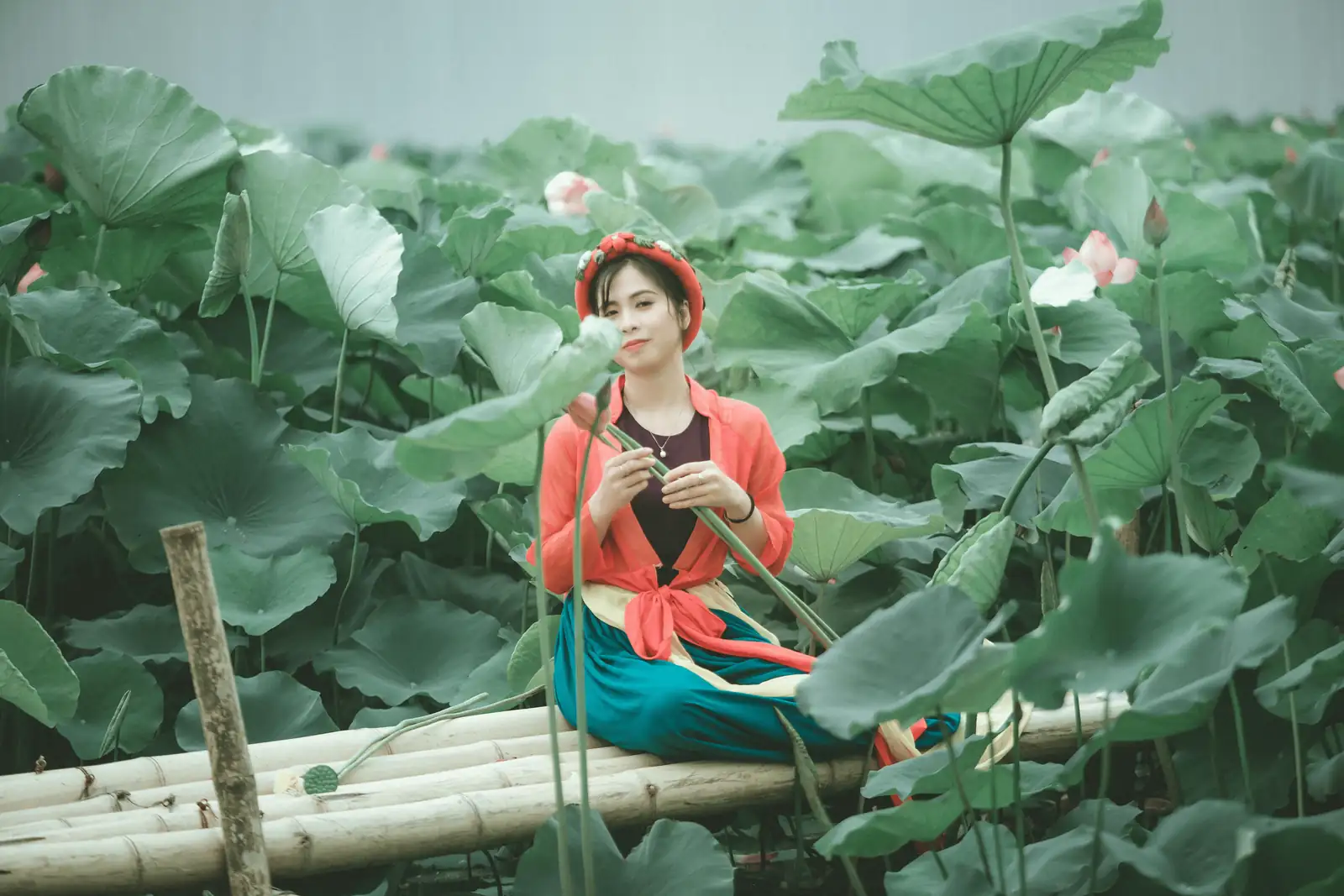
Rhapis excelsa’s journey begins in the lush regions of southern China and Taiwan, where it was initially cultivated in the secluded gardens of the elite. Its association with royalty wasn’t just due to its aesthetic appeal; the plant was also revered for its resilience and air-purifying qualities. Imagine stepping into an ancient Chinese garden, the air filled with the subtle fragrance of flowers, and there, amongst the majestic trees and serene ponds, stands the Lady Palm—an emblem of tranquility and refinement.
From Palatial Gardens to Global Popularity
Over time, Rhapis excelsa made its way beyond the borders of China and Taiwan, capturing the hearts of plant enthusiasts around the globe. By the 17th century, it had reached Japan, where it was fondly referred to as the ‘Bamboo Palm’ due to its resemblance to bamboo—though it’s a palm through and through. Today, it remains a staple in homes and offices, appreciated for its ability to thrive in low-light conditions and its low-maintenance nature.
The Perfect Indoor Companion
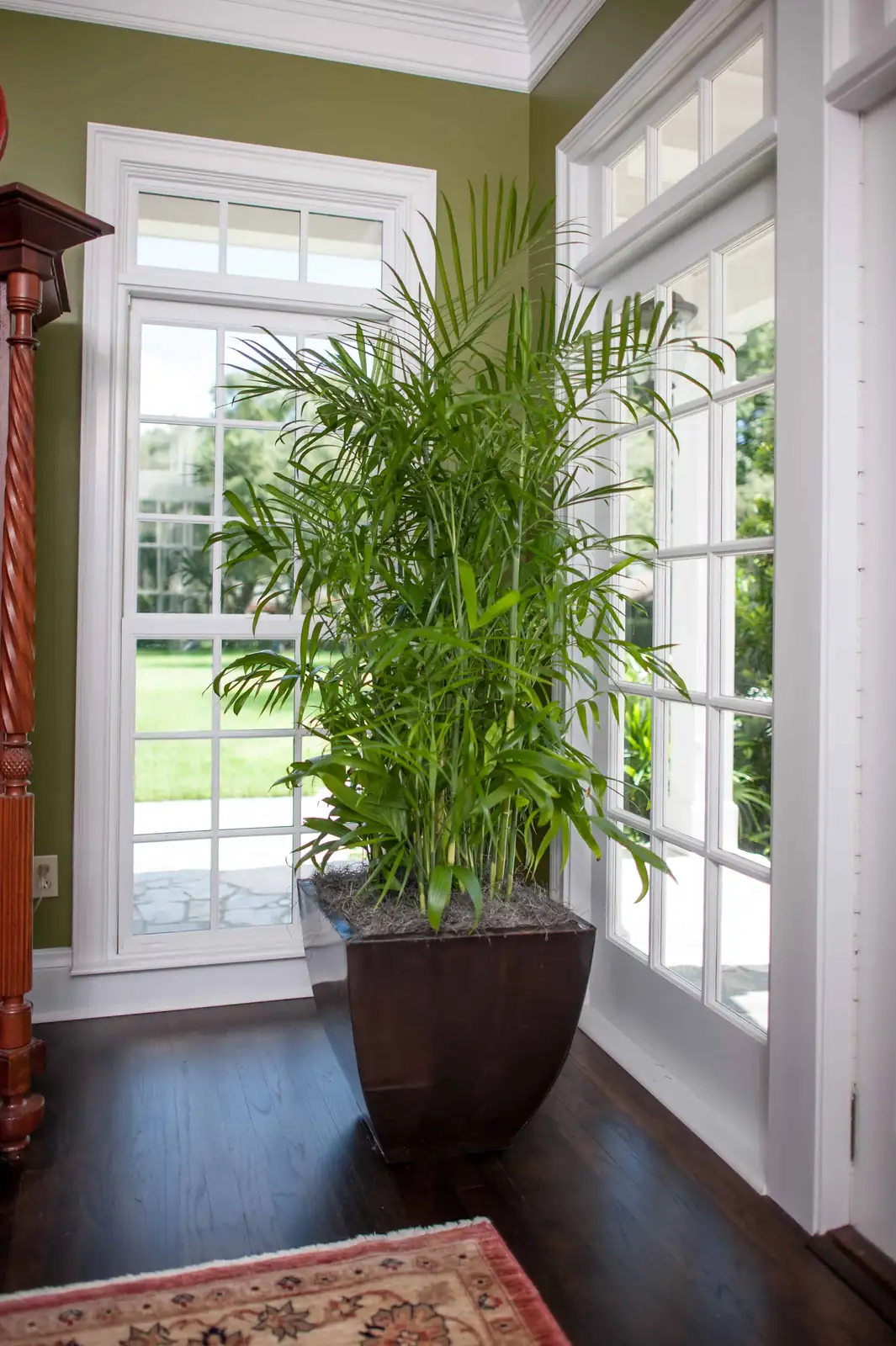
The Lady Palm is more than just a pretty face. Its architectural foliage brings a sculptural elegance to any space, making it a favorite for entryways and large rooms. Unlike many palms, Rhapis excelsa grows slowly, ensuring it maintains its compact shape for years, while its tolerance for low light makes it perfect for those dim corners that need a touch of green.
Care Tips for the Lady Palm:
- Light: Prefers bright, indirect light but tolerates shade well.
- Watering: Keep the soil evenly moist, especially during active growth seasons. Reduce watering in winter.
- Temperature: Thrives between 10–25°C (50–77°F). Must be protected from cold drafts.
- Humidity: Prefers moderate humidity but can adapt to typical indoor conditions.

A Symbol of Prosperity and Good Fortune
In feng shui, the Lady Palm is considered a harbinger of good luck and prosperity. Its lush, fan-shaped leaves are thought to attract wealth and positive energy, enhancing the ambiance of any room. Whether you’re a plant enthusiast or a feng shui aficionado, introducing a Lady Palm to your home could be a step towards a more harmonious living space.
A Plant with Purpose
Beyond its aesthetic and symbolic value, Rhapis excelsa plays a practical role in improving indoor air quality. It is known for filtering out pollutants like formaldehyde and xylene, contributing to healthier and more breathable environments. This makes it not only a beautiful addition to your décor but also a functional one.
Propagation and Longevity
Rhapis excelsa is a plant that can be shared and cherished for generations. It propagates easily through division, allowing you to create new plants from existing ones. With proper care, a Lady Palm can live for decades, growing alongside you and becoming a cherished part of your home.
Conclusion
From its origins in the opulent gardens of China to its place in modern living rooms, the Lady Palm is a testament to the timeless appeal of nature’s beauty. Whether you’re drawn to its history, its elegance, or its practical benefits, Rhapis excelsa is a plant that deserves a place in your collection. Its journey is a reminder that even the most majestic plants can find a home in the heart of everyday life. So why not invite a piece of history into your home and let the Lady Palm grace your space with its enduring charm?