Protecting Your English Ivy: A Guide to Common Pests and Diseases
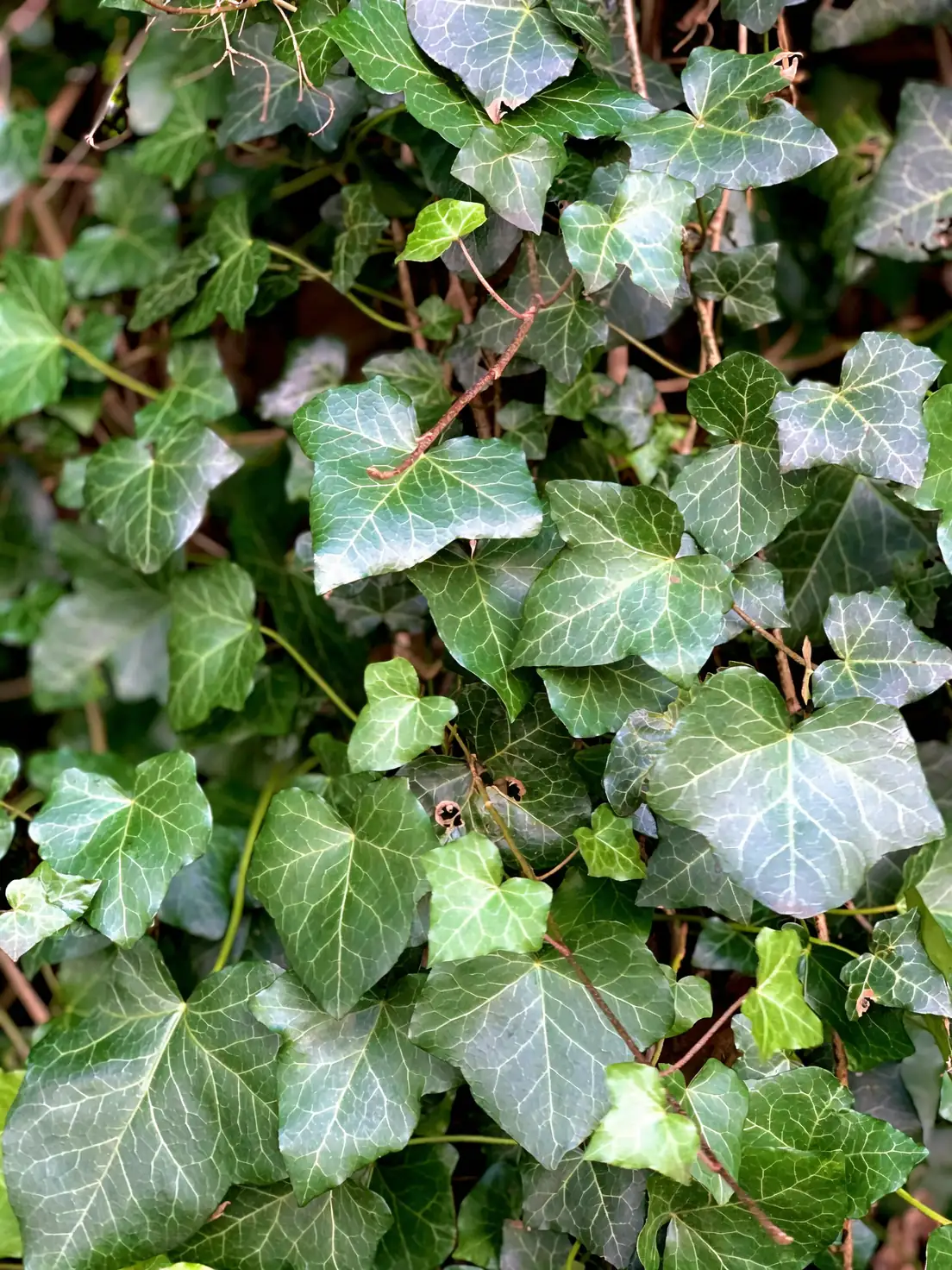
Ah, English Ivy (Hedera helix)! This evergreen marvel is a favorite for those who love a touch of the wild indoors or a charming green cloak outdoors. Its graceful, trailing vines and lush, glossy leaves are a gardener’s delight. But even this hardy plant is not immune to the trials of pests and diseases. Whether you’re a seasoned gardener or a new plant parent, knowing how to safeguard your ivy is key to keeping it thriving all year round.
The Ivy Intruders: Common Pests
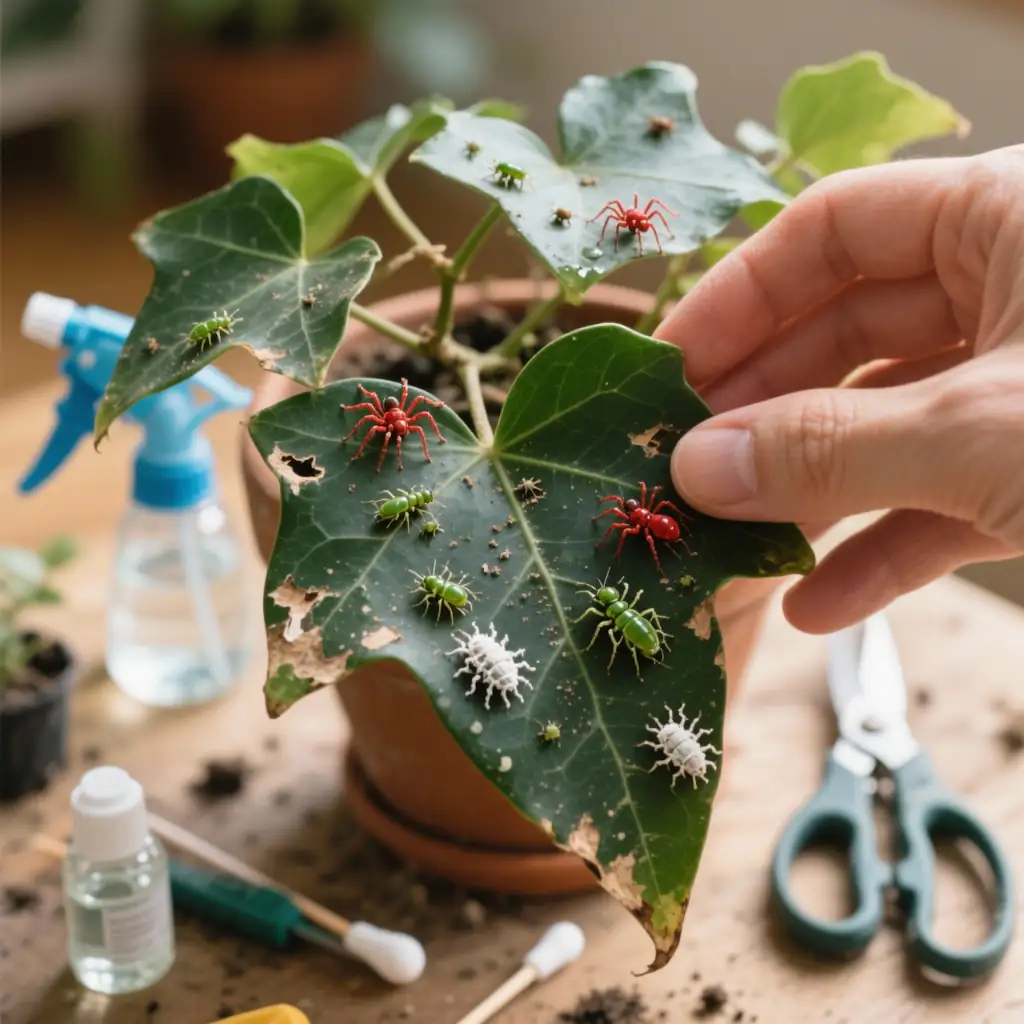
Every plant has its foes, and English Ivy is no exception. Imagine your ivy as a bustling city, full of life and potential. Suddenly, some unwanted guests decide to crash the party. Here are the usual suspects:
- Acarieni păianjeni (Spider Mites): These tiny invaders are almost invisible to the naked eye. They thrive in hot, dry conditions and are notorious for spinning fine webs under the leaves. It’s like an unwanted Halloween decoration that never goes away! Look out for white dots on the leaves—a telltale sign of their presence.
- Afide (Aphids): Known as the “plant lice,” these pear-shaped insects gather on new leaves and stems, sucking the sap and leaving a trail of curled, yellowing leaves. Ants often accompany aphids, attracted by the sweet honeydew they produce. It’s a symbiotic relationship that your ivy could do without.
- Insecte cu scut (Scale Insects): These pests resemble tiny bumps on the leaves and stems. They are stubborn and resist most pesticides due to their protective shells. Their feeding can lead to yellowing and wilting of the plant.
- Păduchi lânoși (Mealybugs): These cottony pests can quickly spread, feeding on the plant’s sap and leaving behind a sticky residue. They love to hide in the joints and undersides of leaves, making them a bit tricky to spot!
Battling the Bugs: Effective Solutions
Fear not! With the right strategies, you can evict these pests and restore peace to your ivy city. Here’s how:
- Inspectare regulată: Keep a close watch on your ivy. Regularly check under leaves and along stems for any signs of infestation. Early detection can save your plant from severe damage.
- Ulei de neem și săpunuri insecticide: These are your best allies in the fight against pests. Neem oil is particularly effective against spider mites and mealybugs, while insecticidal soaps can help with aphids and scales. Apply weekly for a few weeks to ensure all hatchlings are dealt with.
- Jet de apă: For a natural approach, use a strong spray of water to dislodge pests like aphids and spider mites. This method is best used as a first line of defense.

Diseases: The Silent Saboteurs
While pests are easily spotted, diseases can be stealthier. English Ivy is generally disease-resistant, but certain conditions can foster microbial menaces.
- Putregaiul rădăcinilor (Root Rot): Overwatering is the main culprit here. English Ivy prefers “evenly moist, never soggy” soil. Ensure your pot has good drainage, and let the top inch of soil dry out between waterings.
- Bacterial Leaf Spot: Caused by the bacteria Xanthomonas campestris pv. hederae, this disease thrives in warm, humid conditions. Look for dark, water-soaked spots that eventually turn papery. Good airflow and avoiding overhead watering can help prevent its spread.
- Ciuperci ce provoacă pete foliare (Leaf Spot Fungi): These fungi cause brown patches on leaves, often encouraged by stagnant, humid air. Prune affected leaves and improve air circulation around your plant.
Prevention: The Ultimate Defense
The best offense is a good defense! Keep your ivy in top shape with these preventive measures:
- Umiditate și circulație a aerului: English Ivy loves moderate to high humidity. If your home is dry, especially in winter, consider using a humidifier or misting the leaves. Ensure good airflow to reduce humidity-related diseases.
- Udare echilibrată: Avoid the extremes of drought and flood. Regularly check soil moisture and adjust your watering schedule to match the season and your indoor climate.
- Mediu sănătos: Place your ivy in bright, indirect light and avoid harsh sunlight, which can scorch its leaves. Keep it away from hot drafts and heaters.
A Final Word
English Ivy, with its rich history and symbolism of fidelity and enduring love, is a plant that can bring a touch of nature and elegance to any space. By understanding and preventing the common health issues it faces, you can ensure that your ivy stays lush and vibrant, a living testament to your gardening prowess. So, arm yourself with knowledge, and let your English Ivy flourish!