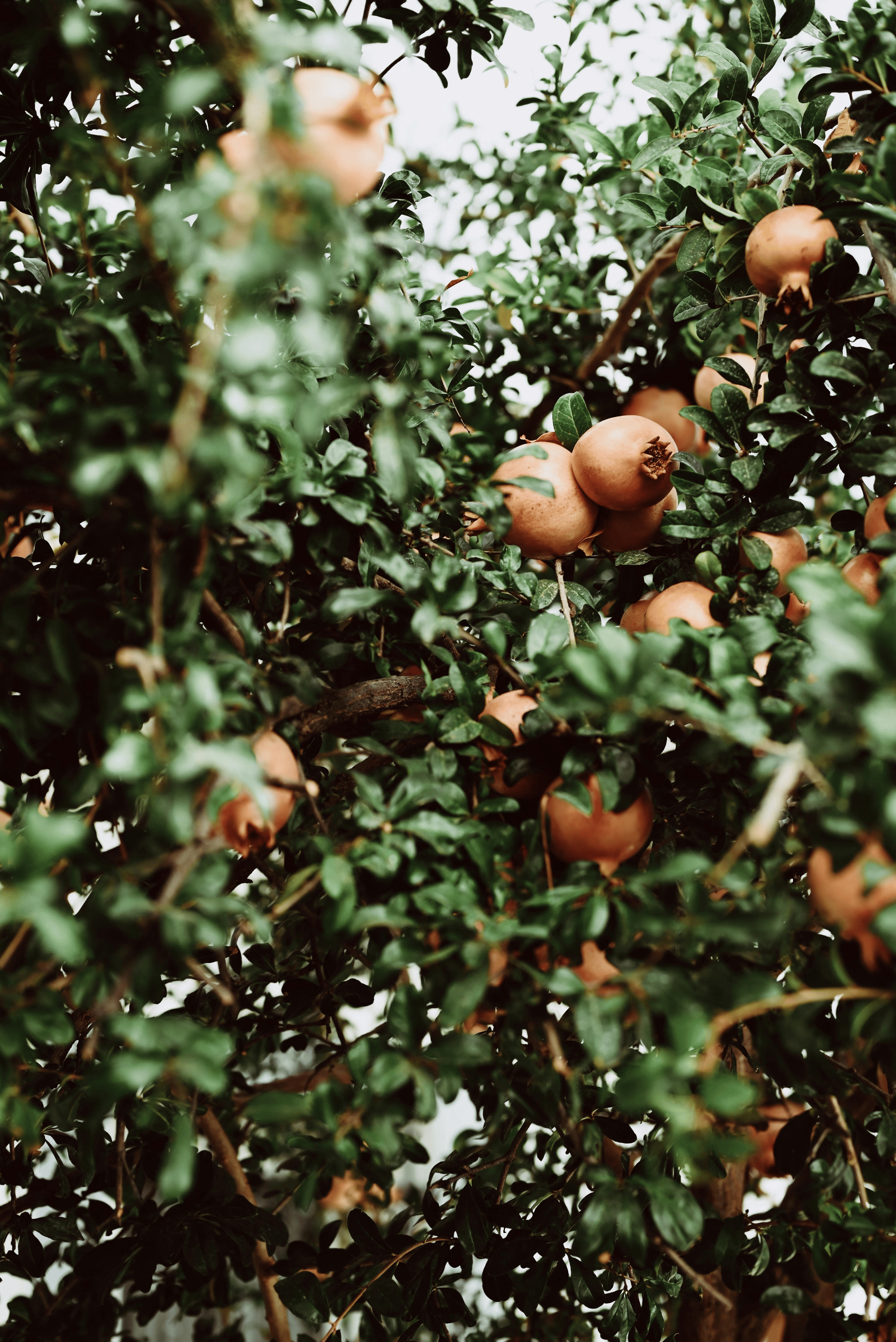
Pomegranates, or Punica granatum, are not just a treat for the palate; they are a gardener’s delight, offering an enchanting mix of vibrant flowers and luscious fruit. For green thumbs looking to expand their collection, mastering the art of pomegranate propagation can be both rewarding and straightforward. Whether you’re drawn by the idea of a home-grown orchard or simply want to add another plant to your patio, understanding propagation techniques like cuttings, sucker division, and layering will set you on the path to success.
Getting Started with Pomegranate Propagation
Pomegranates are remarkably versatile and can thrive in a variety of conditions, from sunny gardens to pots on balconies. However, to flourish, they prefer a sun-drenched spot with well-drained soil. Before diving into propagation techniques, ensure that your plant will have the right environment to grow robustly.
The Charm of Cuttings
Propagating pomegranates from cuttings is like crafting a living memory of your favorite plant. This method is favored by many gardeners for its reliability in producing plants that mirror the parent in both beauty and fruit quality.
- Timing and Selection: The best time to take cuttings is in late winter. Choose hardwood cuttings from year-old wood, about 10 inches (25.5 cm) long, with a diameter between ¼ to ½ inch (6 mm to 1 cm).
- Preparation: Dip the cut end in a commercial growth hormone to encourage rooting. This little trick can significantly boost your success rate.
- Planting: You can root cuttings in a greenhouse or plant them directly in a sunny, well-drained spot, ensuring the top node remains above the soil.
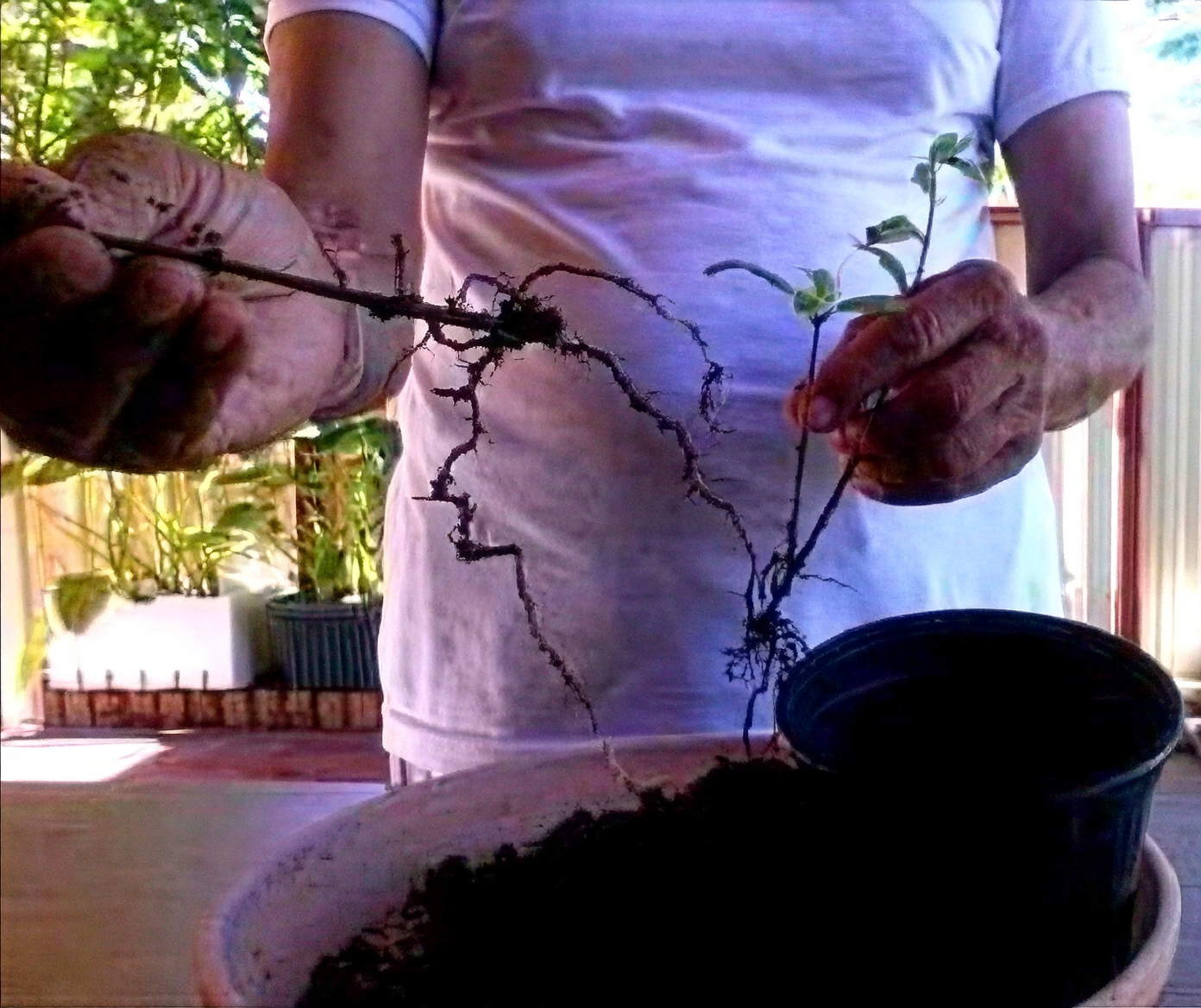
This method not only saves money but also ensures that you have a genetically identical plant, preserving the desirable traits of the parent.
Sucker Division: Nature’s Gift
Pomegranates often produce basal suckers—a natural means of propagation that’s as simple as it is effective.
- When to Divide: Early spring is the ideal time for this technique.
- Process: Look for strong basal suckers that already have roots. Gently separate them from the parent plant and replant them in a suitable location.

This method leverages the plant’s natural tendency to spread, providing a nearly fool-proof way to increase your pomegranate population.
The Subtle Art of Layering
Layering is a slower, yet equally effective propagation technique that involves encouraging a low branch to root while still attached to the parent plant.
- How It’s Done: In spring or autumn, bury a low shoot under soil or mound it. By summer, roots should develop.
- Separation and Planting: Once rooted, sever the new plant from the parent and transplant it to a new location by autumn.

Layering is perfect for those who enjoy a hands-off approach, letting nature do much of the work while you supervise.
Caring for Your New Pomegranates
Once rooted, your new pomegranate plants will need some attention to ensure they thrive:
- Sunlight: Aim for full sun to encourage abundant flowering and fruiting.
- Watering: Keep the soil evenly moist during active growth but avoid waterlogging, which can cause fruit splitting.
- Feeding: Use a balanced fertilizer monthly during the growing season, switching to a higher-potash feed when flower buds appear.
Pomegranates are generally easy to care for, thriving with the right balance of sun, water, and nutrients.
The Symbolism and History
Pomegranates are steeped in rich symbolism. Often seen as a symbol of abundance, prosperity, and fertility, their numerous seeds are considered blessings in many cultures. The fruit’s historical significance is reflected in art and folklore, where it often symbolizes life’s richness and bounty. It’s not just a plant; it’s a conversation starter, a piece of living history you can share with friends and family.
Conclusion
Whether you’re propagating pomegranates to start a new garden, create a hedge, or simply to share with fellow enthusiasts, mastering these techniques will reward you with a flourishing collection. Each method—whether cuttings, sucker division, or layering—offers a unique way to multiply your plants and deepen your gardening skills. So, roll up your sleeves, grab your pruners, and let the journey into pomegranate propagation begin!