

Discovering the Secrets of English Ivy: More Than Just a Pretty Climber
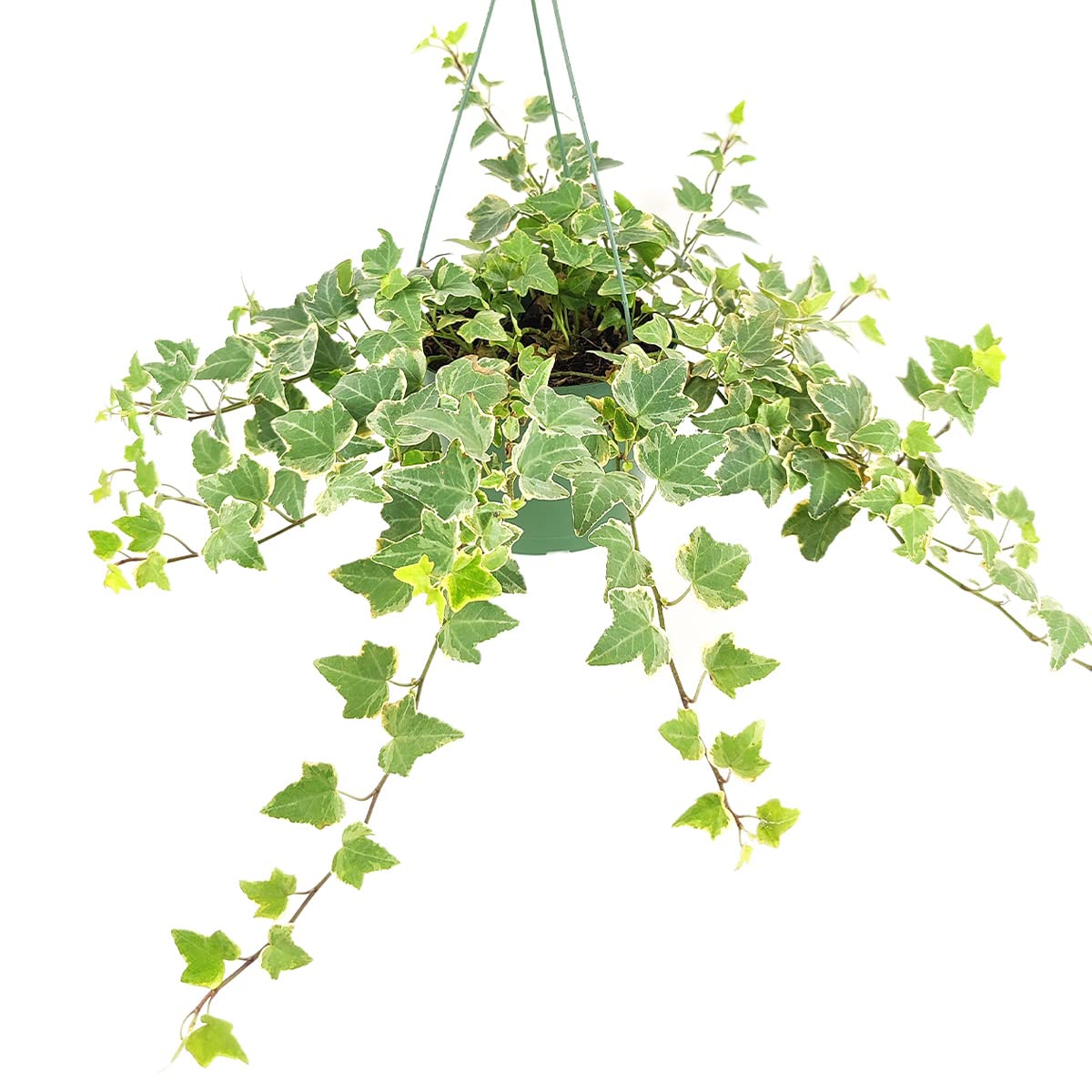
Imagine a plant that can clamber up walls with the ease of a seasoned mountaineer, transform your home into a lush oasis, and even offer a touch of ancient mythology. That’s the English Ivy, scientifically known as Hedera helix. With its glossy leaves and tenacious climbing ability, this plant is more than just a decorative piece—it’s a botanical marvel.
The Climbing Maestro: How English Ivy Ascends
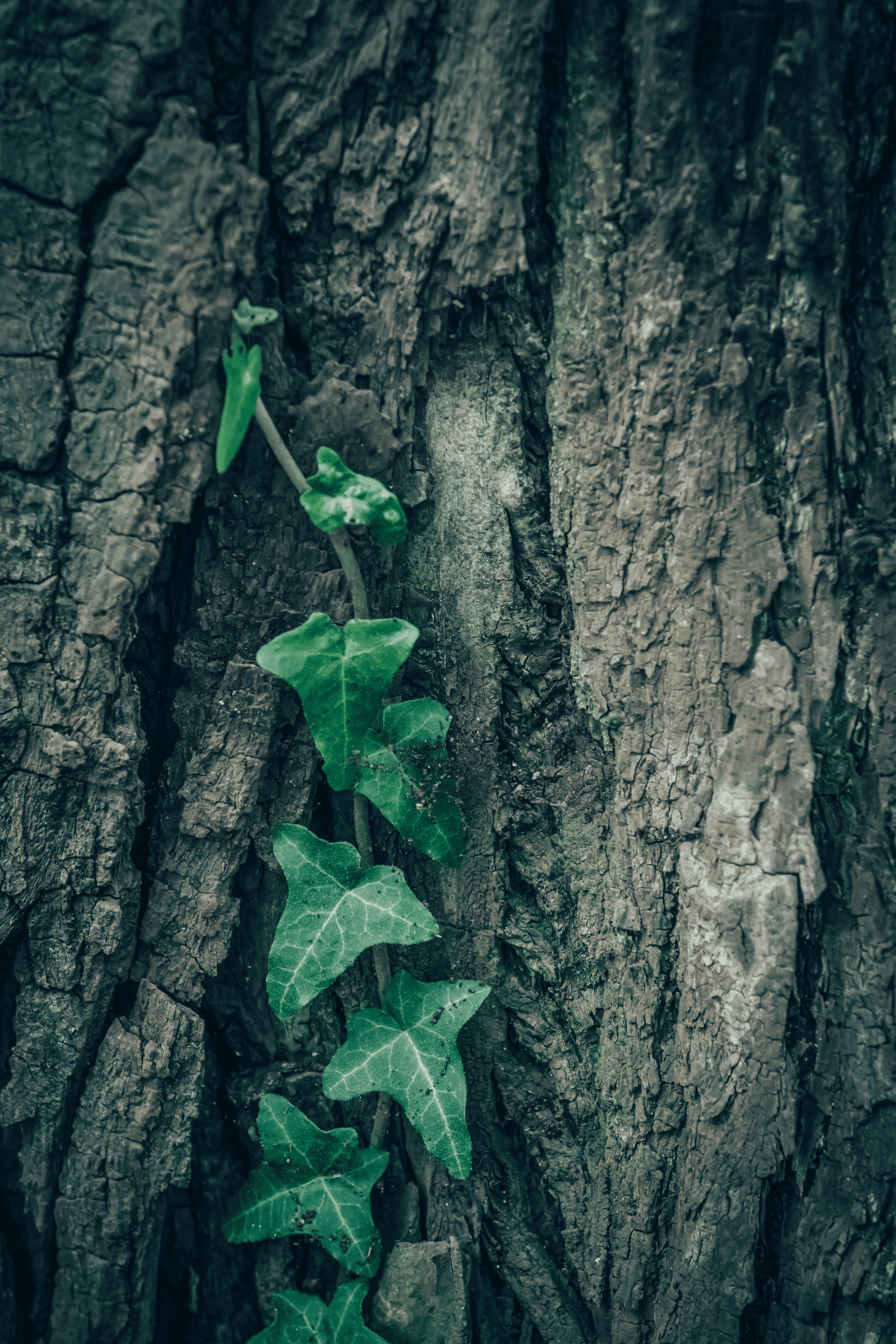
English ivy isn’t just known for its evergreen beauty; it’s famous for its climbing prowess. This vine can scale heights of 20 to 30 meters (66 to 98 feet) outdoors, thanks to its secret weapon—tiny aerial rootlets. These rootlets act like natural glue, secreting a sticky substance that helps the plant adhere to surfaces. Think of these rootlets as the plant’s version of rock climbers’ chalk, providing the grip needed to conquer vertical challenges.
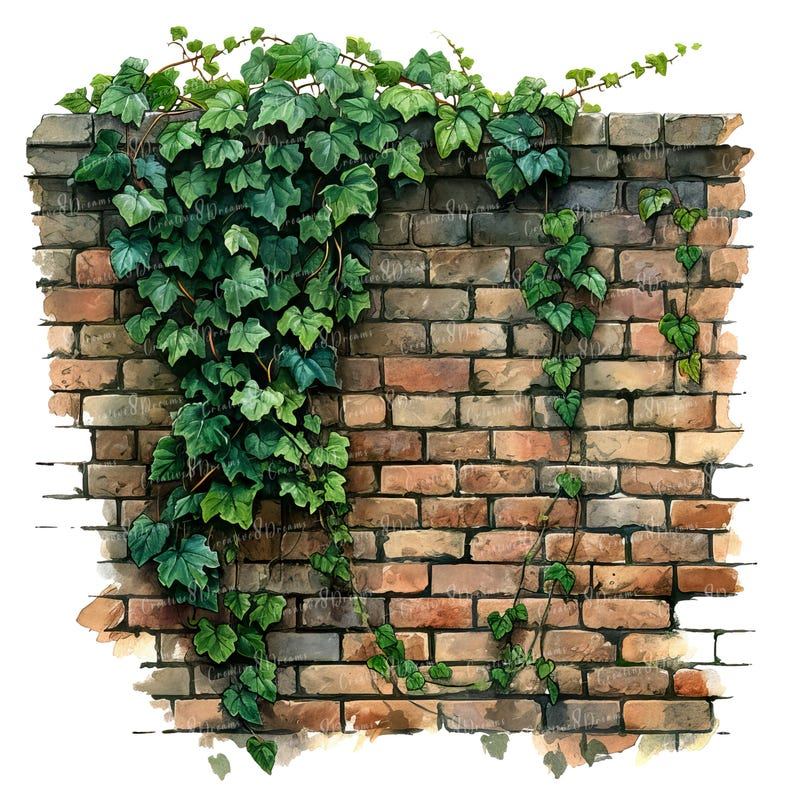
What’s more, these roots produce fine hairs that can latch onto the smallest cracks, allowing ivy to wrap itself around tree trunks and brick walls with ease. It’s no wonder that ivy has been a favorite for softening the harsh lines of buildings and adding a touch of nature’s artwork to urban landscapes.
A Leaf with a Personality: The Unique Patterns of English Ivy
English ivy leaves are not only aesthetically pleasing but also intriguing in their design. The juvenile climbing shoots boast 3 to 5 lobes, resembling a star-like pattern that captures the imagination. As the plant matures, it transitions to heart-shaped leaves, a transformation that can evoke the idea of growth and change.
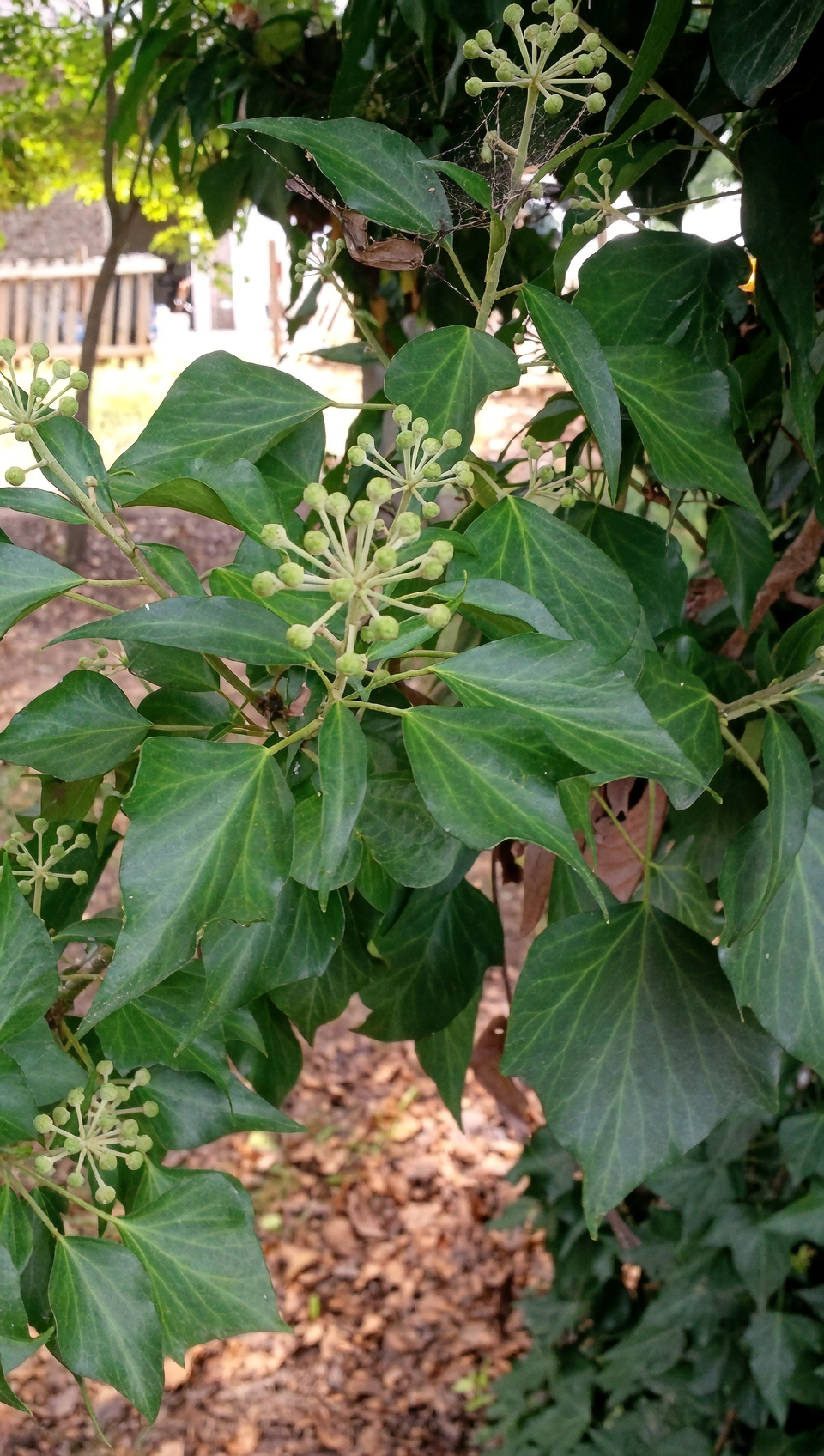
This shape-shifting leaf pattern is not just a visual delight; it’s a survival strategy. The lobed leaves of the climbing shoots maximize surface area for photosynthesis as the plant reaches for the sun, while the mature leaves focus on reproduction and berry production. It’s a clever adaptation that ensures the plant’s success both as a ground cover and a climbing vine.
A Plant Steeped in History and Symbolism
Did you know that English ivy has been revered throughout history and holds a special place in various cultures? In ancient Greece and Rome, ivy was sacred to Dionysus, the god of wine and revelry, who was often depicted wearing a crown of ivy. This association symbolizes fidelity, friendship, and enduring love—traits that mirror ivy’s steadfast nature and evergreen presence.
Moreover, the term “Ivy League” in the United States refers to the prestigious group of universities adorned with ivy-covered buildings, echoing the plant’s classical and timeless charm.

The Surprising Benefits: Beyond Beauty
While English ivy is celebrated for its beauty, it also offers several practical benefits. It’s reputed to have air-purifying qualities, helping to reduce certain indoor pollutants, albeit modestly. In herbal medicine, ivy leaf extracts have been used to alleviate respiratory issues like asthma and bronchitis, thanks to their anti-inflammatory and antioxidant properties.
However, caution is advised, as the plant is toxic if ingested and can cause skin irritation. It’s always best to admire ivy’s beauty from a safe distance and enjoy its benefits through prepared products.
Caring for Your English Ivy: Tips for a Thriving Plant
Bringing English ivy into your home can transform your space into a verdant retreat. Here are some tips to ensure your ivy thrives indoors:
- Light: Provide bright, indirect light to maintain its vibrant foliage. Too much direct sunlight can scorch the leaves.
- Watering: Keep the soil evenly moist but not soggy. Overwatering can lead to root rot, while under-watering may cause leaves to yellow and drop.
- Humidity: English ivy loves humidity, so consider misting the leaves or placing a humidifier nearby to prevent dry air from taking its toll.
- Pruning: Regular pruning helps maintain a bushy appearance and encourages new growth. Don’t be afraid to trim back long trails to keep your plant looking its best.
Fun Facts to Fascinate
- Double Personality: English ivy displays two distinct leaf types—lobed juvenile leaves and heart-shaped mature leaves—showcasing nature’s versatility.
- Late Bloomer: It’s one of the few plants that flowers in autumn, offering late-season nectar for pollinators.
- Invasive Caution: While it’s a beautiful addition to gardens, English ivy can be invasive in some regions. Always check local guidelines before planting it outdoors.
In conclusion, English ivy is more than a mere decorative plant; it’s a living piece of history, a symbol of enduring love, and a remarkable example of nature’s adaptability. Whether cascading from a hanging basket or adorning a brick wall, this evergreen marvel continues to captivate and charm all who encounter it.